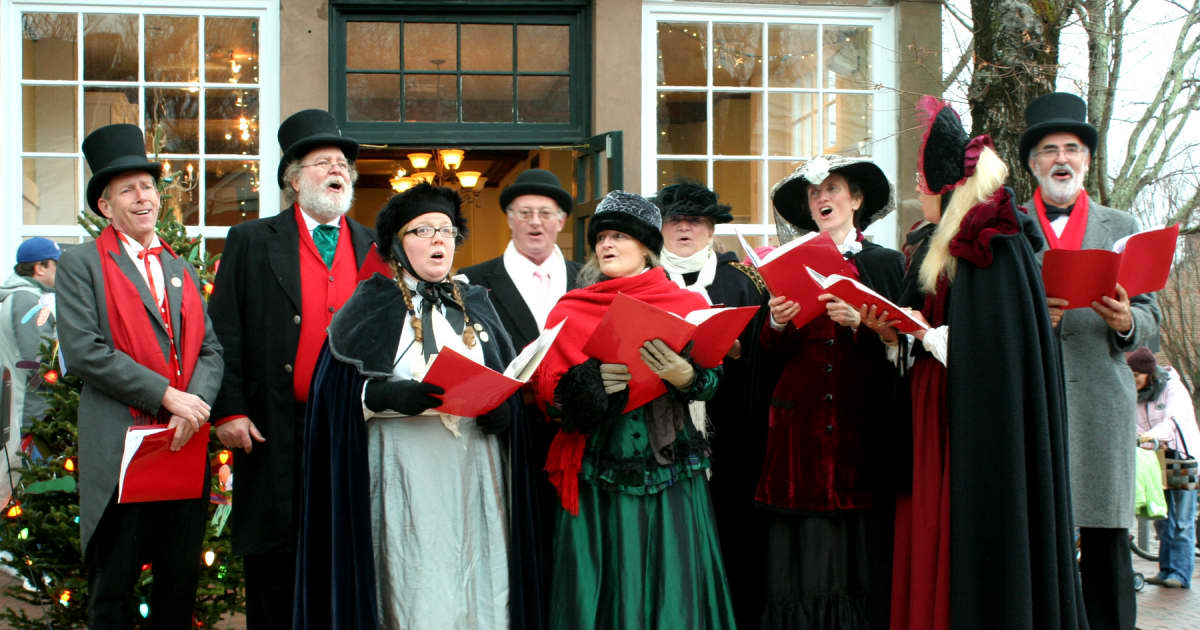
10 Doctrinally Accurate Christmas Carols and Why We Think So
Christmas carols do more than create a festive "spirit". At their best, they proclaim the biblical truths of the incarnation, the deity of Jesus Christ, His virgin birth, His saving mission, and God's plan of redemption. Here are ten Christmas carols that communicate important biblical doctrines and explain why their theological messages deserve our attention.
Does What We Sing at Christmas Matter?
Christmas is one of the most musical seasons of the year. Churches fill with familiar melodies, families gather around Christmas trees, and songs about the birth of Jesus Christ are heard in homes, shopping centres, and public gatherings. Yet an important question deserves our attention: Are the songs we sing at Christmas doctrinally sound?
Music has a powerful influence on what we believe and remember. A congregation may forget the details of a sermon, but the words of a hymn can remain in its memory for decades. This is one reason Scripture places such importance on singing. Colossians 3:16 instructs believers to teach and admonish one another through psalms, hymns, and spiritual songs. Singing is not merely an emotional expression of faith. It can also be a means of teaching biblical truth.
Not every Christmas song communicates the same theological message. Some focus almost entirely on the atmosphere of the season, while others clearly proclaim the incarnation, the deity of Christ, the purpose of His coming, and the salvation He accomplished. Some contain beautiful imagery that must be understood poetically rather than treated as a literal statement of Scripture.
The following ten carols stand out because of their substantial biblical content. This does not mean that every line in every song is equally precise or that these are the only theologically sound Christmas carols. Rather, they provide excellent examples of how Christian music can communicate the truths of God's Word.
1. Hark! The Herald Angels Sing
Written by Charles Wesley, 1739.
Few Christmas carols communicate the doctrine of the incarnation as clearly as this hymn. Charles Wesley's hymn, later modified in its wording and paired with Felix Mendelssohn's music, is rich in biblical theology. Its message goes beyond the announcement of a child's birth. It declares the arrival of the eternal Son of God, who came to reconcile sinners to God.
One of its most important lines declares that Christ is the everlasting Lord who has come to earth. The hymn also describes Him as the incarnate Deity, emphasizing that the child born in Bethlehem is truly God manifested in human flesh.
This agrees with John 1:1, which identifies the Word as God, and John 1:14, which declares that the Word was made flesh. Jesus did not begin to exist when He was born in Bethlehem. He is the eternal Son who entered human history by taking upon Himself a genuine human nature.
The hymn also proclaims reconciliation between God and humanity. This reflects 2 Corinthians 5:18-19, which explains that God reconciles sinners to Himself through Jesus Christ. The incarnation was not simply a remarkable event. It was essential to God's redemptive plan.
The carol's emphasis on the new birth and the restoration of humanity also points to the transforming work of Christ. Its message is therefore both Christological and soteriological: it teaches who Jesus is and why He came.
Why we consider it doctrinally sound: It clearly proclaims the deity of Christ, the incarnation, reconciliation with God, and the spiritual restoration made possible through Him.
Key Scriptures: John 1:1-14; Luke 2:10-11; 2 Corinthians 5:18-21.
2. O Come, All Ye Faithful
Traditional Latin hymn, commonly attributed to John Francis Wade, with an uncertain earlier history.
O Come, All Ye Faithful is a call to worship the newborn King. Its central message is that Jesus Christ is worthy of the worship and adoration of all who believe in Him.
The familiar refrain, "O come, let us adore him," directs the singer's attention away from Christmas traditions and toward the person of Christ. The hymn invites believers to approach the manger with faith, rejoicing in the birth of the Saviour.
Its most doctrinally significant language identifies Jesus as God. This is a direct affirmation of the deity of Christ, one of the central truths of historic Christianity. The child in Bethlehem was not merely a prophet, a moral teacher, or a good man. He is the eternal Son of God who took on human flesh.
Philippians 2:6-8 teaches that Christ existed in the form of God and humbled Himself by taking the form of a servant and being made in the likeness of men. Hebrews 1:3 likewise presents the Son as the brightness of God's glory and the express image of His person.
The hymn's invitation to worship Jesus is consistent with the biblical picture of the incarnation. In Matthew 2:11, the wise men fell down and worshipped the young child. The New Testament repeatedly presents Jesus as worthy of the honour, trust, and worship that belong to God.
Why we consider it doctrinally sound: It emphasizes Christ's deity, His worthiness to receive worship, and the proper response of faith and adoration to His coming.
Key Scriptures: John 1:1, 14; Philippians 2:5-11; Hebrews 1:1-8; Matthew 2:11.
3. Joy to the World
Written by Isaac Watts, 1719.
Although commonly sung at Christmas, Joy to the World was originally based on Psalm 98 and celebrates the Lord's coming to reign. Its message extends beyond the birth of Jesus to His kingship, judgment, and the renewal of creation under His righteous rule.
The hymn announces that the Lord has come and calls the world to receive its King. It portrays Christ as the rightful ruler whose reign brings joy and whose righteousness confronts the curse of sin.
The carol's language about the curse being removed reflects the biblical hope of redemption. Sin brought corruption and death into human experience, as explained in Romans 5:12. Yet Scripture promises a future in which God's redemptive purposes will be fully realized. Romans 8:19-23 describes creation itself as awaiting deliverance from its present bondage to corruption.
The hymn also celebrates Christ's righteous reign. Revelation 11:15 announces the kingdom of the world becoming the kingdom of our Lord and of His Christ, who shall reign for ever and ever. Revelation 19:11-16 portrays Christ returning as the righteous King who judges and makes war in righteousness.
It is important to understand that Joy to the World is not primarily a narrative of the events in Bethlehem. Rather, it celebrates the broader biblical truth that the coming of Christ brings the promise of salvation and the certainty of His righteous reign.
Why we consider it doctrinally sound: It celebrates Christ's kingship, God's triumph over sin, and the biblical hope of creation's eventual restoration under the reign of the Lord.
Key Scriptures: Psalm 98; Romans 5:12-21; Romans 8:19-23; Revelation 11:15.
4. O Holy Night
French original by Placide Cappeau, 1847; English translation by John Sullivan Dwight, 1855.
O Holy Night combines the wonder of Christ's birth with a strong emphasis on human dignity, freedom, and redemption. Its best-known English version moves from the scene of Christ's birth to the spiritual significance of His coming.
The hymn presents the birth of Christ as the arrival of the Saviour into a world marked by sin and suffering. It celebrates the hope that His coming brings to fallen humanity.
One of its central theological themes is redemption. The New Testament teaches that Jesus came to save sinners, not merely to provide an inspiring example of kindness. Matthew 1:21 explains that His name is Jesus because He will save His people from their sins.
The carol also calls attention to the dignity of human beings. Its language about the soul's worth can be understood in light of the biblical teaching that human beings are created in the image of God (Genesis 1:26-27). Christ's saving work demonstrates the seriousness of sin and the greatness of God's love for sinners.
The hymn's call to love one another also resonates with Christ's teaching in John 13:34-35. However, Christian love must be understood in the context of the gospel. Jesus did not come merely to inspire better human relationships. He came to reconcile sinners to God and transform those who trust in Him.
Why we consider it doctrinally sound: It connects the birth of Christ with redemption, the dignity of human life, and the moral transformation that should follow from receiving the gospel.
Key Scriptures: Matthew 1:21; John 3:16-17; Genesis 1:26-27; John 13:34-35.
5. Come, Thou Long-Expected Jesus
Written by Charles Wesley, 1744.
This hymn focuses on the long-awaited Messiah and God's faithfulness in fulfilling His promises. Rather than concentrating on the circumstances of the Nativity, it emphasizes the larger biblical story of Israel's hope and the coming of the promised Deliverer.
The Old Testament contains numerous promises concerning the coming King and Saviour. Isaiah 9:6-7 speaks of a child who would be born and a Son who would be given, whose government and peace would have no end. Micah 5:2 identifies Bethlehem as the birthplace of the ruler whose goings forth have been from everlasting.
The New Testament identifies Jesus as the fulfilment of God's promises. In Luke 1:68-79, Zacharias praises God for visiting and redeeming His people and raising up a horn of salvation in the house of David.
Wesley's hymn also expresses the longing of the human heart for deliverance from sin. Its emphasis on freedom from fears and sins points toward the spiritual liberation Christ provides. Jesus did not come merely to improve the circumstances of earthly life. He came to redeem a people for Himself.
The hymn therefore brings together the themes of prophecy, fulfilment, redemption, and the kingdom of God.
Why we consider it doctrinally sound: It presents Jesus as the promised Messiah and Saviour, connecting His coming with God's faithfulness and His purpose of delivering people from sin.
Key Scriptures: Isaiah 9:6-7; Micah 5:2; Luke 1:68-79; Galatians 4:4-5.
6. What Child Is This?
Traditional English melody, with words written by William Chatterton Dix, 1865.
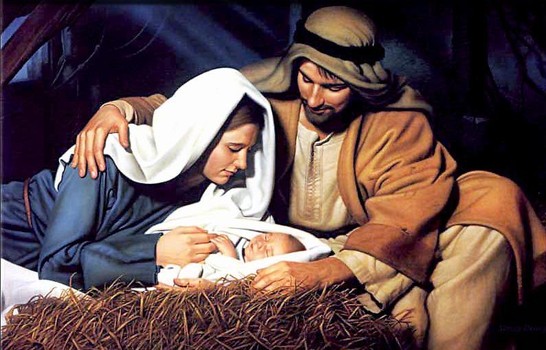
What Child Is This? begins with a question about the identity of the child lying in the manger. Its answer is the heart of Christian doctrine: the child is Christ the King.
This is an important question because the significance of Christmas depends on the identity of Jesus. If He were merely another child born into the world, His birth would not carry the eternal significance Christians celebrate. The Bible teaches that He is the promised Messiah, the Son of God, and the Saviour of sinners.
The hymn connects the humble circumstances of the Nativity with the royal identity of Jesus. The child is surrounded by the ordinary conditions of human birth, yet He is the King whom angels proclaim and whom believers worship.
This contrast reflects Philippians 2:6-8, where Christ's humiliation is described alongside His divine identity. He took the form of a servant and humbled Himself, even to the death of the cross.
The carol also points toward the purpose of His coming. The one who lies in the manger is the same Christ who will accomplish redemption through His death and resurrection. The manger must therefore be understood in light of the cross.
The hymn's question is one every person must answer. Jesus cannot be adequately understood as a seasonal symbol or a harmless religious figure. He demands a response of faith and worship.
Why we consider it doctrinally sound: It identifies Jesus as the Messiah and King, highlights the contrast between His humble birth and divine identity, and connects the Nativity with His saving mission.
Key Scriptures: Matthew 2:1-11; Luke 2:10-14; Philippians 2:5-11; John 20:30-31.
7. Angels from the Realms of Glory
Written by James Montgomery, 1816.
This carol invites angels, humanity, and all creation to worship Christ. Its message draws on the biblical accounts of angelic announcements surrounding the birth of Jesus and the broader biblical theme of creation responding to God's glory.
Luke 2:13-14 describes a multitude of the heavenly host praising God after the angel announced the Saviour's birth to the shepherds. The hymn expands this picture into a call for all people to recognize and worship the Messiah.
The carol also directs attention to the different ways people encounter Christ. The shepherds received the angelic announcement, while the wise men came to worship the child. These events demonstrate that the news of the Messiah was not intended to remain a private matter. The coming of Christ has significance for humanity.
The hymn's emphasis on worship is consistent with the biblical teaching that Jesus is worthy of universal honour. Philippians 2:10-11 declares that every knee should bow at the name of Jesus and every tongue confess that Jesus Christ is Lord, to the glory of God the Father.
One should not assume that every poetic detail in the hymn is a direct quotation from Scripture. Nevertheless, its central message is clear: the birth of Christ calls for worship, and the glory of the incarnate Son deserves recognition.
Why we consider it doctrinally sound: It celebrates the biblical announcement of Christ's birth, His worthiness to receive worship, and the universal significance of His coming.
Key Scriptures: Luke 2:8-14; Matthew 2:1-11; Philippians 2:9-11; Hebrews 1:6.
8. Of the Father's Love Begotten
Ancient Latin hymn attributed to Aurelius Prudentius, approximately the fourth century; English translations vary.
This ancient hymn is particularly significant for its emphasis on the eternal existence of Christ and His relationship to the Father. Unlike many modern Christmas songs, it places the incarnation within the larger framework of God's eternal purposes.
The hymn celebrates Christ as the one who existed before the creation of the world and through whom all things were made. This reflects John 1:1-3, which teaches that the Word was in the beginning with God, that the Word was God, and that all things were made by Him.
It is important to distinguish the eternal generation of the Son, a traditional Christian description of His relationship to the Father, from the idea that Jesus was created. Historic Christian doctrine teaches that the Son is eternal and fully divine, not a created being who came into existence at a particular moment.
The hymn's connection between Christ's eternal existence and His birth in human history captures the wonder of the incarnation. The eternal Son entered the world He had made. He did not cease to be God when He became man, nor did He begin His existence in Bethlehem.
This is one reason the hymn remains valuable for theological reflection. It encourages believers to consider not merely the visible events of the Nativity but also the eternal identity of the one born in Bethlehem.
Why we consider it doctrinally sound: It emphasizes Christ's eternal existence, His role in creation, and the biblical truth that the child born into the world is the eternal Son of God.
Key Scriptures: John 1:1-3, 14; Colossians 1:15-17; Hebrews 1:1-3.
9. Silent Night
Original German hymn written by Joseph Mohr, 1816, and set to music by Franz Xaver Gruber, 1818.
Silent Night is one of the most recognizable Christmas carols in the world. Its gentle melody and simple language have made it a favourite across generations. Beneath its simplicity, however, is a message about the birth of the Saviour.
The hymn portrays the Nativity as a moment of peace and wonder. Its description of the holy child points toward the sinlessness and unique identity of Jesus Christ. Hebrews 4:15 teaches that Jesus was tempted in all points as we are, yet without sin.
The carol also refers to the birth of the Redeemer. This is theologically important because it identifies the child in Bethlehem not merely as a source of inspiration but as the one through whom God would accomplish salvation.
The biblical account does not explicitly say that the night of Christ's birth was completely silent or that every event occurred in the tranquil atmosphere often depicted in Christmas imagery. The shepherds were in the fields, angels appeared, and the announcement of the Saviour's birth was accompanied by heavenly praise. The familiar atmosphere of silence is poetic imagery rather than a precise historical claim.
Nevertheless, the hymn's central message is consistent with Scripture. The child born in Bethlehem is holy, the promised Saviour, and the source of the peace God offers through reconciliation with Himself.
Why we consider it doctrinally sound: It identifies Jesus as the holy child and Saviour and celebrates the peace associated with God's redemptive work through Him.
Key Scriptures: Luke 2:1-20; Matthew 1:21; Hebrews 4:15; Romans 5:1.
10. Angels We Have Heard on High
Traditional French carol, with an uncertain early history; the familiar English translation is commonly attributed to James Chadwick, 1862.
Angels We Have Heard on High celebrates the angelic praise associated with the birth of Jesus. Its memorable refrain, derived from the Latin Gloria in excelsis Deo, means "Glory to God in the highest."
The hymn draws directly on Luke 2:13-14, where a multitude of the heavenly host praises God following the announcement of Christ's birth. The angels glorify God because the promised Saviour has entered the world.
The emphasis on God's glory is central to the biblical account. Christmas is not primarily about human achievement, seasonal happiness, or family traditions. It is about what God has done in fulfilment of His promises.
The carol also encourages believers to join in the praise offered to God. Its joyful tone reflects the angelic announcement that the birth of the Saviour was good news of great joy for all people (Luke 2:10-11).
Although the hymn focuses more on praise than on explaining the details of salvation, its message is firmly rooted in the biblical narrative. It reminds us that the proper response to the coming of Christ includes rejoicing in God's goodness and giving Him glory.
Why we consider it doctrinally sound: It reflects the biblical account of the angelic announcement, emphasizes God's glory, and celebrates the good news of the Saviour's birth.
Key Scriptures: Luke 2:8-14; Psalm 96:1-3; Isaiah 9:6-7.
What Makes a Christmas Carol Doctrinally Accurate?
These ten carols differ in age, style, emphasis, and musical tradition. Some focus on Christ's eternal deity, others on His kingship, and still others on the angelic announcement or the salvation He came to accomplish. Together, they illustrate several principles for evaluating Christian music.
First, a sound Christmas carol should present the biblical Jesus. Jesus Christ is not merely a good teacher, a moral example, or a helpless infant who inspires warm feelings. He is the eternal Son of God who took on human flesh. John 1:1-14 and Philippians 2:5-11 provide essential foundations for understanding His identity.
Second, it should recognize the purpose of His coming. The incarnation cannot be separated from redemption. Jesus came to save sinners, as Matthew 1:21 declares. His birth points toward His sinless life, sacrificial death, bodily resurrection, and victorious reign.
Third, it should agree with Scripture rather than replace it. A beautiful melody cannot make an inaccurate theological statement true. Christians should examine lyrics carefully, distinguishing biblical teaching from poetic imagery and remembering that traditional songs are not automatically correct simply because they have been sung for generations.
Fourth, it should direct worship toward God. Christmas music should do more than create an atmosphere. It should help believers understand God's character, remember His promises, and respond to Him with faith, gratitude, and obedience.
Finally, a carol should be considered in its entirety. A song may contain one line that requires clarification without being doctrinally unsound as a whole. Likewise, a song may sound religious while communicating very little about the actual biblical message of Christmas. Careful evaluation requires attention to context, wording, and the overall teaching of the hymn.
Let the Songs We Sing Teach Us the Truth
Christmas carols are more than seasonal traditions. They can be powerful expressions of Christian doctrine, helping congregations remember the identity of Jesus Christ and the purpose of His coming. Songs such as Hark! The Herald Angels Sing, O Come, All Ye Faithful, and Come, Thou Long-Expected Jesus remind us that the child born in Bethlehem is the eternal Son of God, the promised Messiah, and the Saviour of sinners.
The birth of Jesus is inseparable from the larger message of the gospel. He came into the world to save His people from their sins. He lived a sinless life, died for our sins, rose bodily from the dead, and will reign as King. The manger is not the end of the story. It points us toward the cross, the empty tomb, and the coming kingdom of Christ.
As Christians celebrate Christmas, we should choose songs that honour the Lord and communicate biblical truth. We should sing with understanding, examine what we sing, and teach the next generation to recognize the difference between sentimental Christmas music and songs that faithfully proclaim the gospel.









No comments yet. Be the first to share your thoughts!