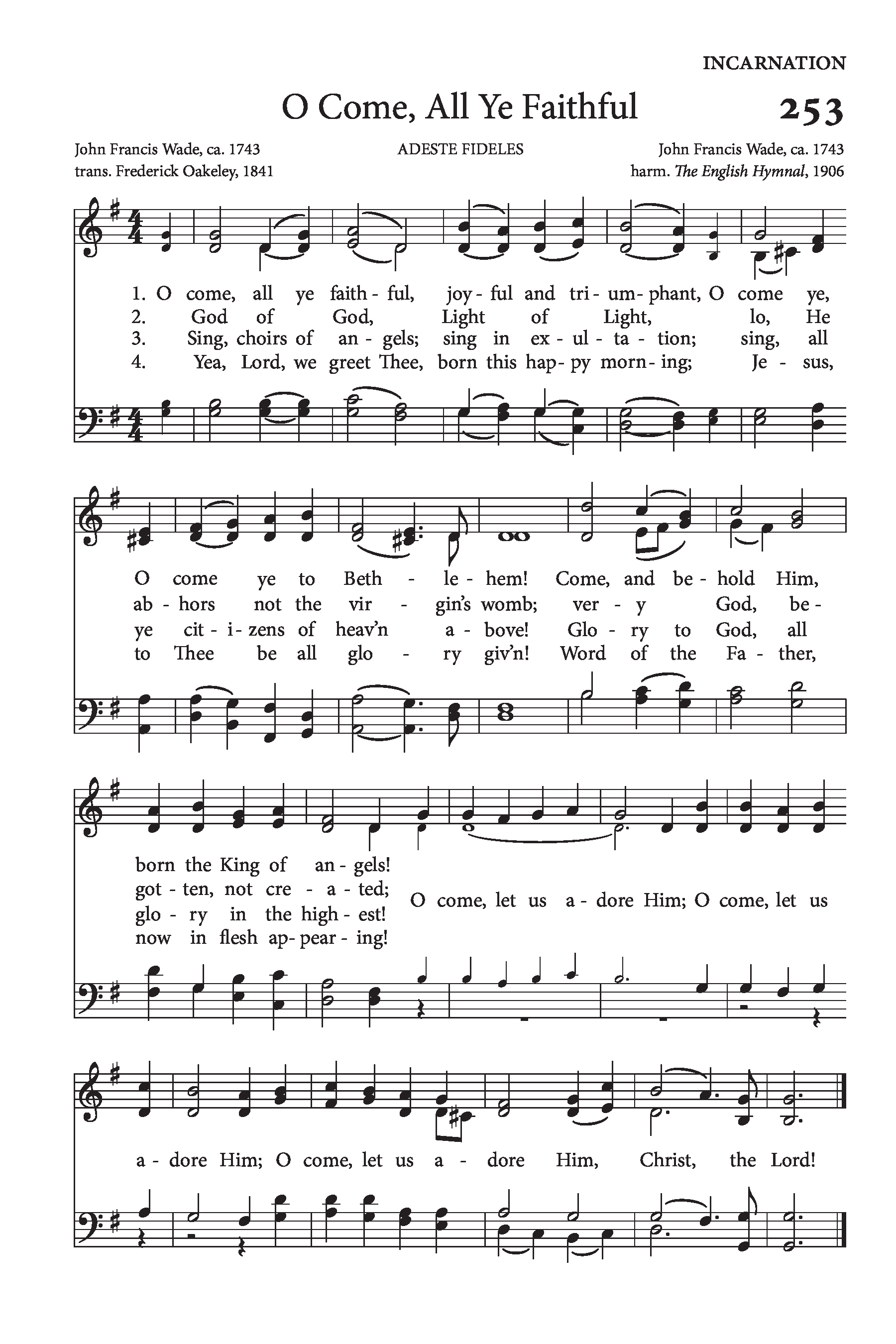

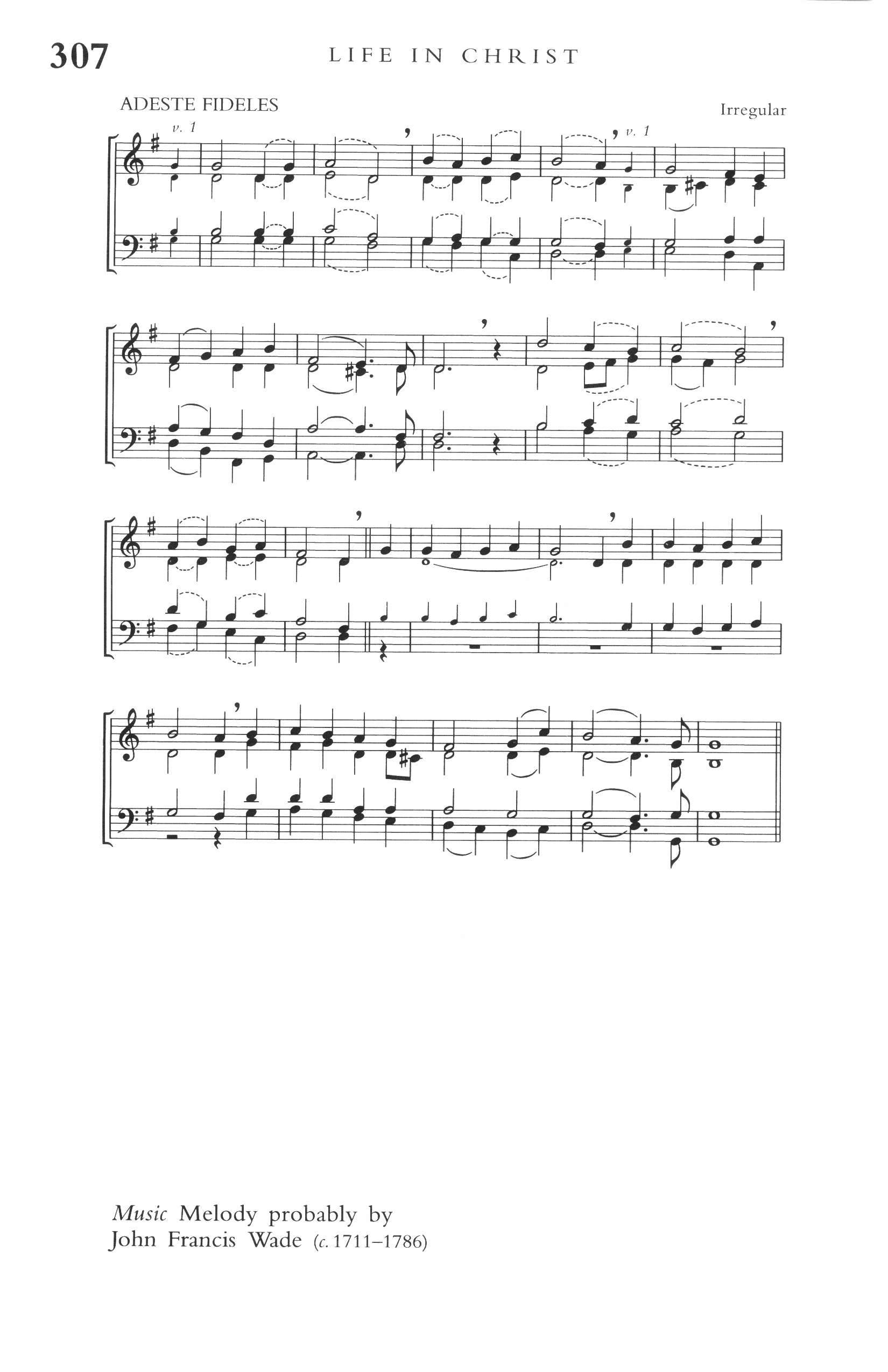



"Adeste fideles laeti triumphantes" is one of the most widely known Christmas hymns in Christian hymnology. While frequently attributed to St. Bonaventura, it appears in no edition of his works. It is most probably a hymn of the seventeenth or eighteenth century, originating from either French or German authorship. Towards the close of the eighteenth century, the hymn was regularly sung in both England and France at Benediction during Christmastide. As early as 1797, it was performed at the Chapel of the Portuguese Embassy in London, where Vincent Novello served as organist. Novello ascribed the popular tune to John Reading, organist of Winchester Cathedral (1675–1681) and Winchester College (until 1692).
The full Latin text consists of eight stanzas, preserved in sources such as the Thesaurus Animae Christianae (Mechlin, where it is designated as a second sequence for Christmas "Ex Graduali Cisterciensi"). Structurally, the text has descended into liturgical use through distinct regional centos:
-
Full Text (8 Stanzas): Stanza I ("Adeste, fideles"), Stanza II ("Deum de Deo"), Stanza III ("En grege relicto"), Stanza IV ("Stella duce, Magi"), Stanza V ("Aeterni Parentis"), Stanza VI ("Pro nobis egenum"), Stanza VII ("Cantet nunc hymnos"), and Stanza VIII ("Ergo Qui natus").
-
English Cento: Consists of stanzas I, II, VII, and VIII.
-
French Cento: Typically consists of stanzas I, III, V, and VI (occasionally including IV). This structure appears in numerous French diocesan books, such as the Office de St. Omer (1822), Paroissien Complet du Diocèse d'Autun (1837), Amiens Paroissien (1844), Rouen Paroissien (1873), and Paroissien Romain (c. 1868).
The Paroissien Complet (Paris, 1827) and a collection published in Washington, D.C. in 1830 both print the hymn in both its English and French textual forms side by side.
English translations of "Adeste fideles" are exceptionally numerous, with sixteen distinct renderings entering common use in English-speaking collections:
-
"Come, faithful all, rejoice and sing": An anonymous 1789 translation in Every Family's Assistant at Compline, Benediction, &c., later altered in G. L. Haydock's Collection of Catholic Hymns (1823) and appearing as "Ye faithful souls, rejoice and sing" in The Vespers: or, Evening Office of the Church (Dublin, 1808).
-
"Ye faithful, approach ye": Rendered by Frederick Oakeley in 1841 for Margaret Street Chapel, London.
-
"O come all ye faithful, joyfully triumphant": The most popular arrangement of Oakeley's translation, first introduced in Murray's Hymnal (1852) and widely adopted across English-speaking countries.
-
"Be present, ye faithful": A rewriting of Oakeley's text included in Chope's Hymnal (1854).
-
"Approach, all ye faithful": A translation by "C." in the Irvingite Hymns for the Use of the Churches (1864, dating from 1845). A separate rendering with the same opening line appeared in the Cooke and Denton Hymnal (1853).
-
"O come, all ye faithful, triumphantly sing": Translated by Edward Caswall in Lyra Catholica (1849).
-
"Come hither, ye faithful": Caswall's translation with alterations, featured in Schaff's Christ in Song (1870) and the Protestant Episcopal Hymnal (1872).
-
"O come, all ye faithful": Translated by William Mercer for his Church Psalter and Hymn Book (1854); ranks second in popularity only to Oakeley's rendering.
-
"Be present, ye faithful": A distinct translation by John Mason Neale, published in the enlarged edition of the Hymnal Noted (1858).
-
"O come, all ye faithful": Two separate renderings by J. A. Johnston in his English Hymnal (1852 and 1856/1861).
-
"Draw nigh, all ye faithful": John Mason Neale's translation rewritten by John Keble for the Salisbury Hymn Book (1857).
-
"O come, all ye faithful": Translated by John Ellerton for Church Hymns (1871).
-
"Draw near, all ye faithful": Translated by R. C. Singleton for the Anglican Hymn Book (1871).
-
"Assemble, ye faithful": Translated by T. Darling in Hymns for the Church of England (1861).
-
"O come, all ye faithful": A compiled cento in the Westminster Abbey Hymn Book (1884).
-
"Hither, ye faithful, haste with songs of triumph": Published in the American Presbyterian Psalms & Hymns (Philadelphia, 1843).
Translators handled the Nicene phrase in stanza II ("Deum de Deo, Lumen de lumine") with varied phrasing, including "God of God, Light of Light" (Oakeley), "True Son of the Father" (Caswall), "God of God eternal, Light from Light proceeding" (Neale), "Very God of Very God" (Chope), "Though true God of true God" (Mercer), and "He, God of God, and Light of Light begotten" (Ellerton).
In addition to those in common use, over twenty historical translations exist in older or specialized collections, including renderings by J. Chandler (1837), F. C. Husenbeth (1840), Jane E. Leeson (1848), J. R. Beste (1849), G. Rorison (1851), R. Campbell (1850), W. J. Blew (1852), F. Trappes (1865), and C. Kent (1884).
Related Hymns
Hymns in the library connected to this dictionary topic.
-
O Come, All Ye Faithful
-
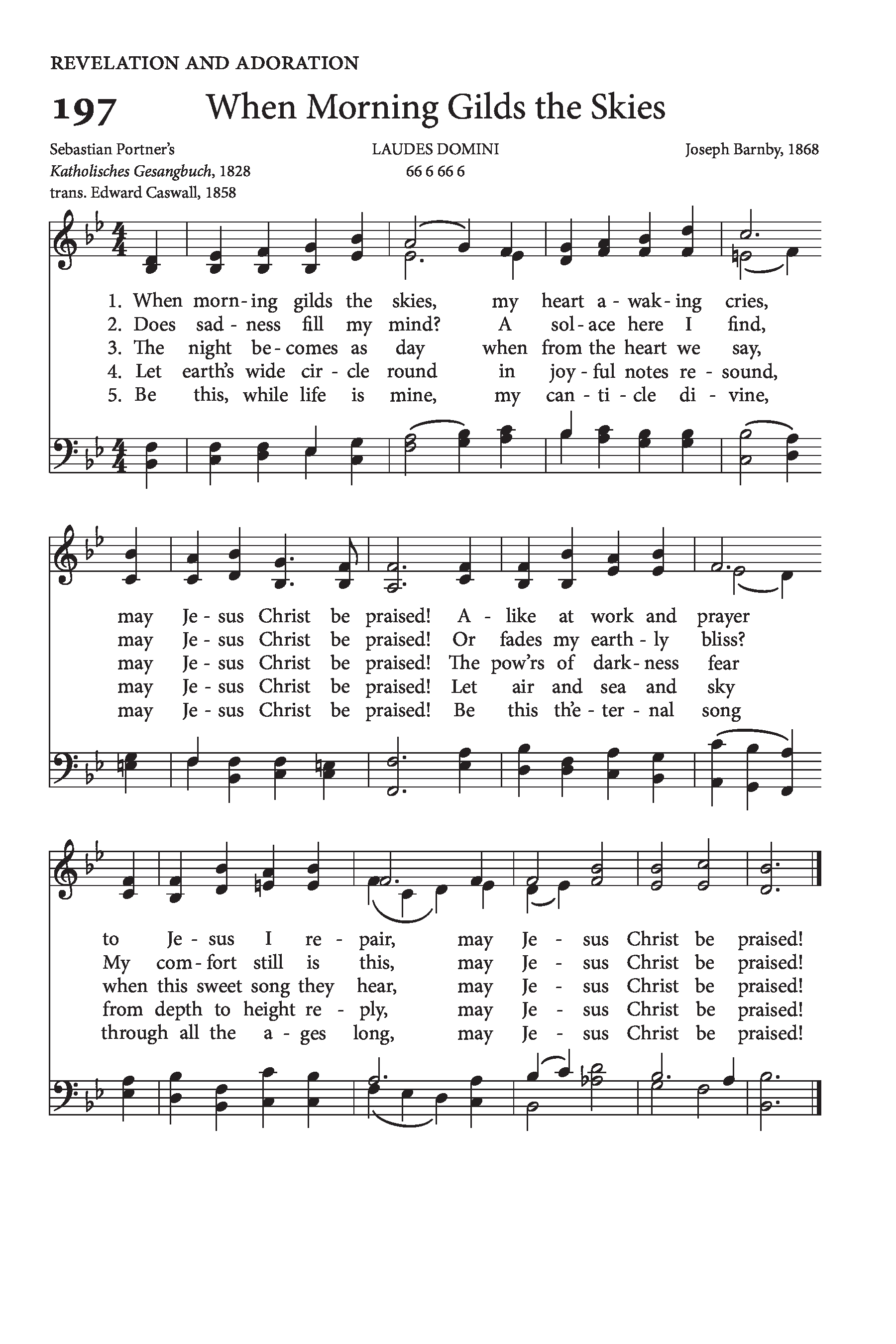
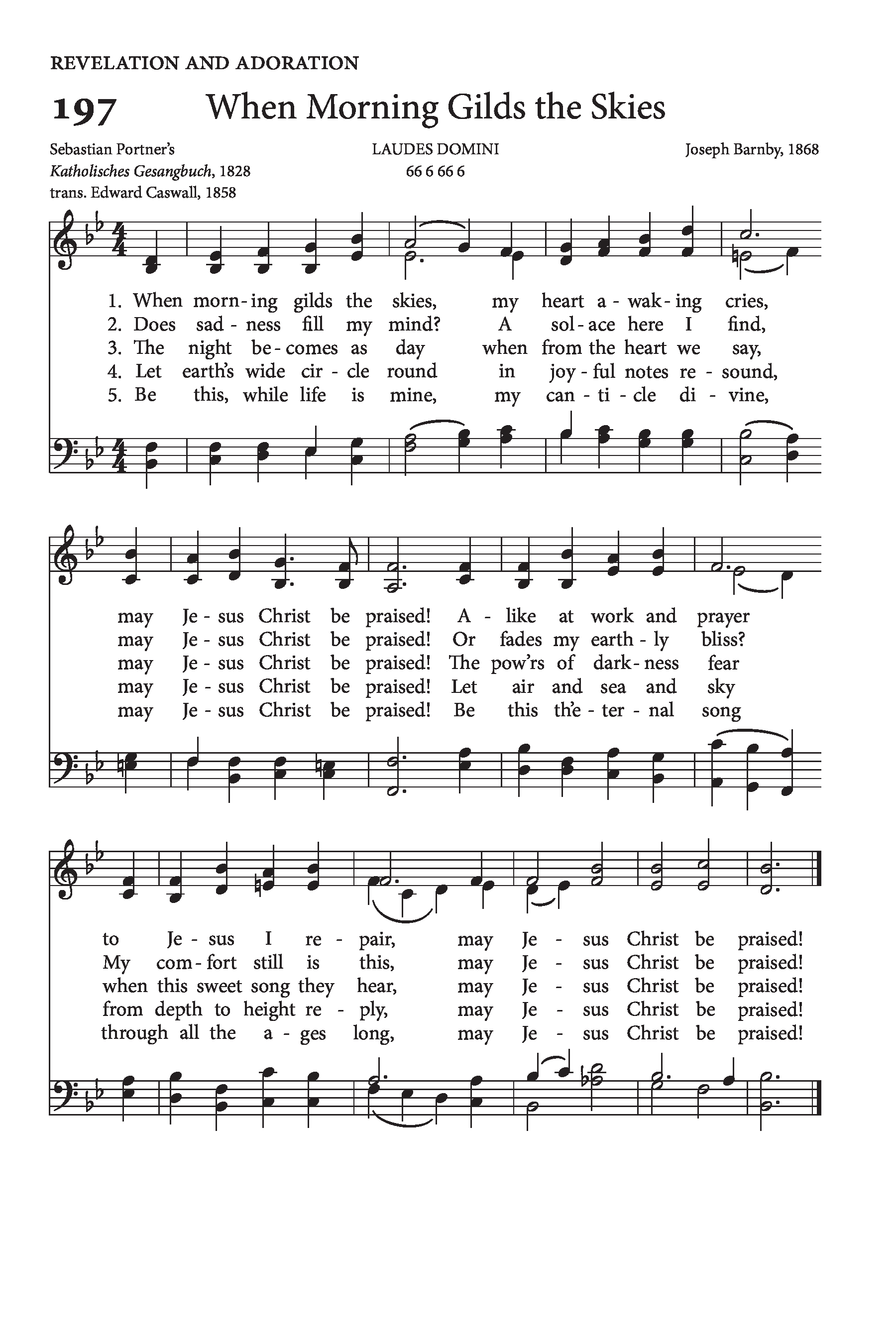
When Morning Gilds the Skies
-
See, amid the Winter's Snow
-
 May Jesus Christ Be Praised
-
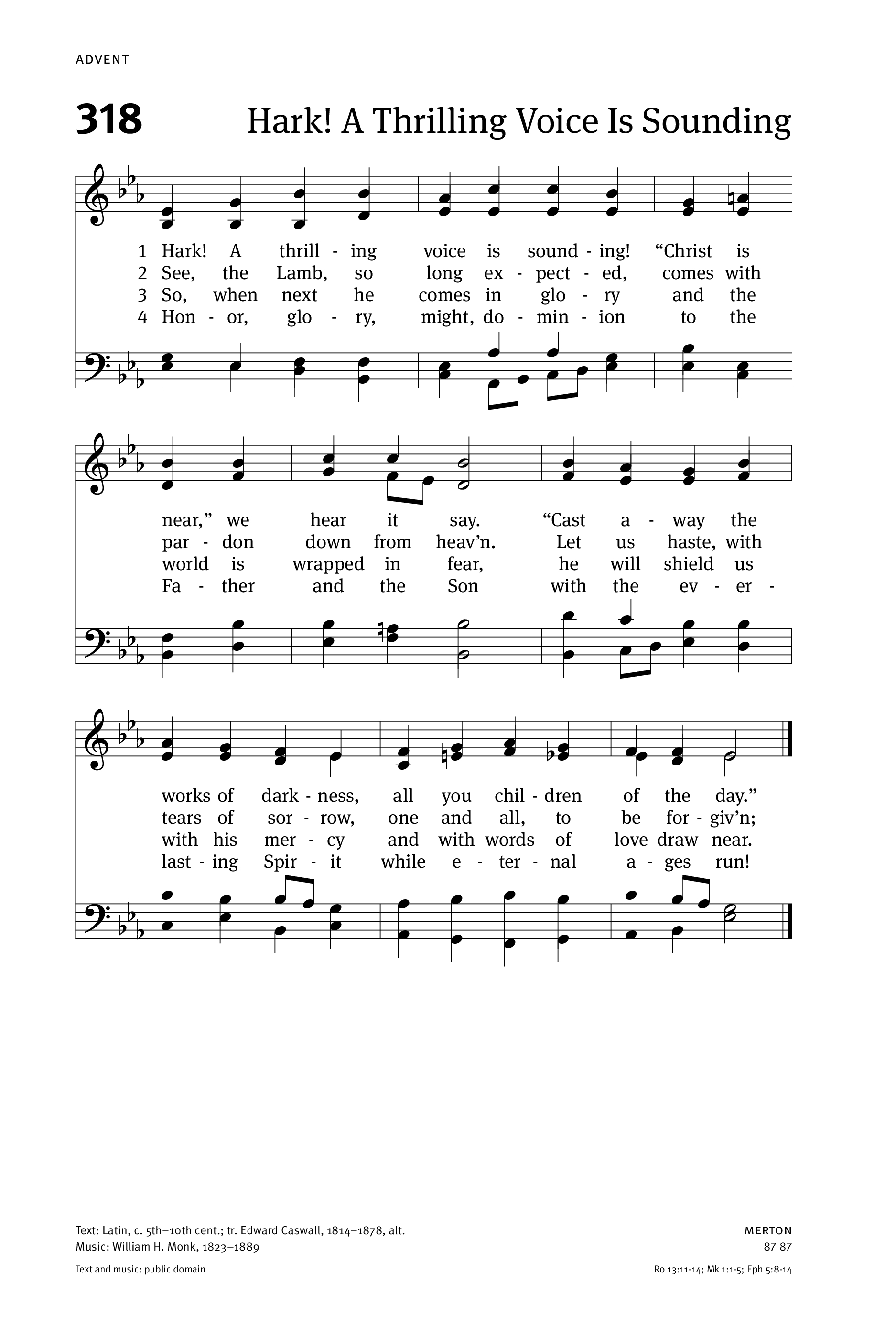
Hark! a Thrilling Voice Is Sounding
-
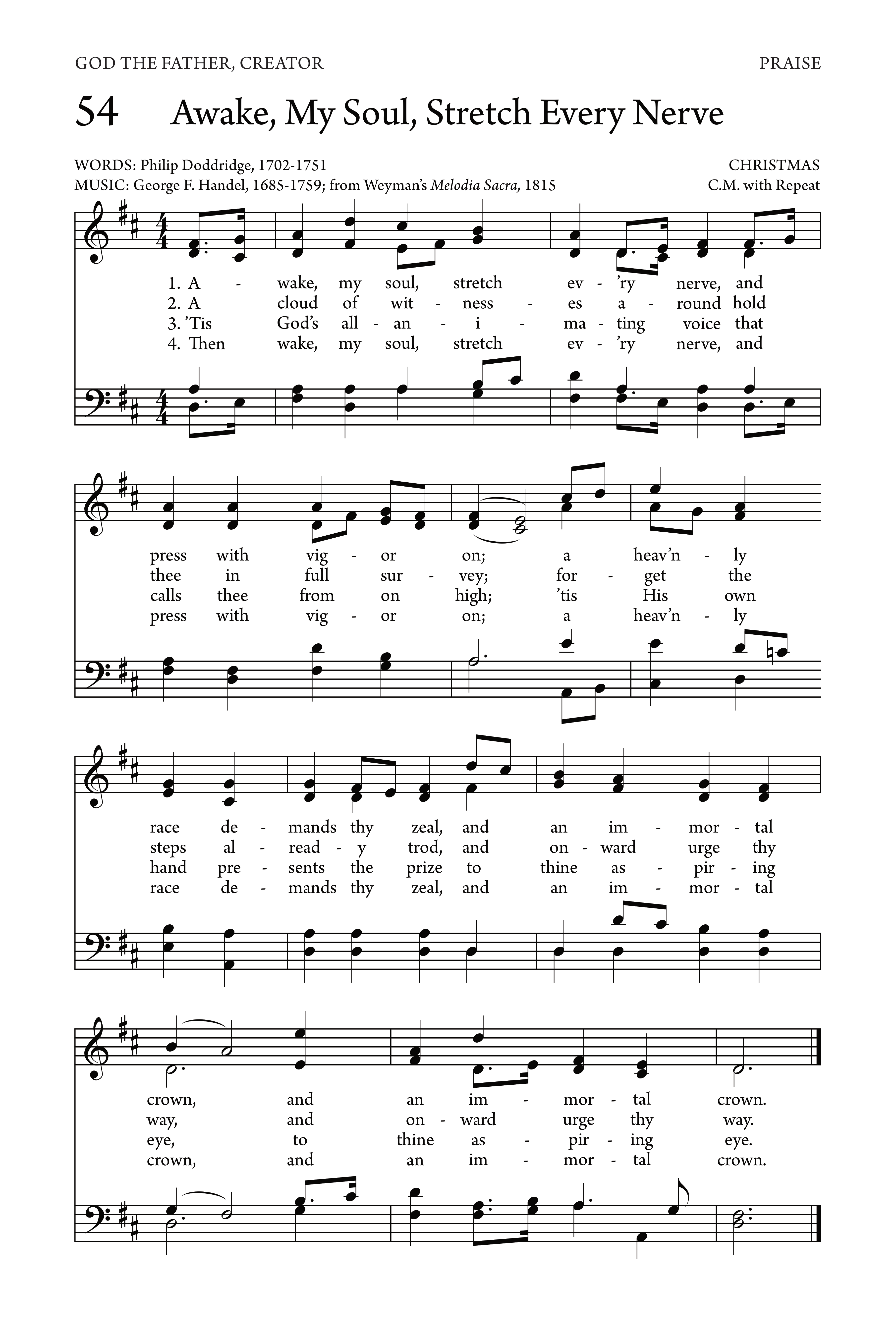
 Awake, My Soul, Stretch Every Nerve
-
 Adeste Fideles
-
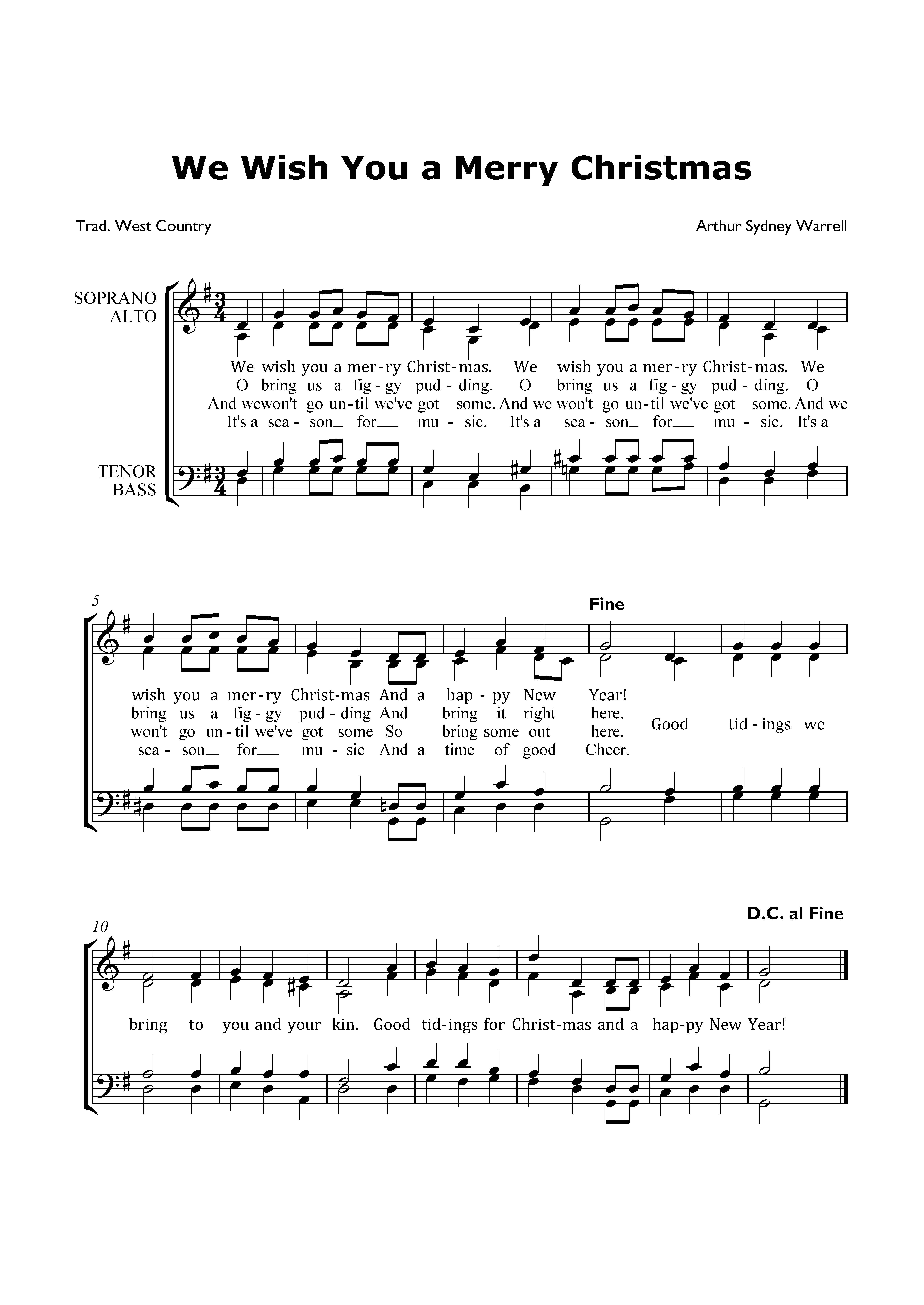
 We Wish You a Merry Christmas
7 more related hymns below in the sheet gallery.
Related Hymn Sheets
3 shown at a time — use the arrows to browse all 15 sheets.
Related Authors
Writers connected to this dictionary topic.
Keywords
Related terms for this dictionary entry.
Recent Dictionary Entries
Newly added terms from the Dictionary of Hymnology.
If you notice any mistake or have suggestions, please contact us on our contact page.