

The legacy of Coelius Sedulius's fifth-century acrostic poem extends far beyond its original Latin text. Through diverse vernacular translations, distinct liturgical divisions, and complex structural composites, the hymn became a cornerstone of both Protestant and Catholic hymnody.
1. English Translations of the Christmas Section
The initial portion of the poem, A solis ortus cardine (stanzas A through G), was translated extensively during the nineteenth-century revival.
In Common Use (C. U.)
-
"From the far-blazing gate of morn" – Translated by Edward Caswall from the revised Roman Breviary text. It first appeared in his Lyra Catholica (1849) and was reprinted in Hymns & Poems (1873). The Hymnary (1872) published an altered version beginning "From lands that see the sun arise," borrowing its opening line from Dr. Neale.
-
"From lands that see the sun arise, To earth's, etc." – Rendered by John Mason Neale from the original older text. It was introduced in the Hymnal Noted (1852) and widely adopted across other collections.
-
"From where the sunshine hath its birth" – Written by Dr. Richard Frederick Littledale from the old text for The People's Hymnal (1867), published under his pseudonym "A. L. P."
-
"From east to west, from shore to shore" – A highly successful 1870 cento by John Ellerton. Composed of four stanzas from Sedulius (i, ii, vi, vii) and one original closing stanza, it was published in Church Hymns (1871) and became the standard version for congregational use.
Not in Common Use
A variety of standalone translations were published but did not achieve broad congregational adoption:
-
"From every part o'er which the sun" (Primer, 1706)
-
"From the faint dayspring's, etc." (Bishop Richard Mant, 1837)
-
"From far sunrise at early morn" (W. J. Copeland, 1848)
-
"From the first dayspring's, etc." (W. J. Blew, 1852)
-
"From climes which see, etc." (John David Chambers, 1857)
-
"From where the rising sun, etc." (F. Trappes, 1865)
-
"Now from the rising of the sun" (J. Wallace, 1874)
2. German and Trans-German Traditions
In Germany, the hymn was famously adapted by Martin Luther into the full eight-stanza vernacular hymn "Christum wir sollen loben schon", first published in the Erfurt Eyn Enchiridion (1524). Luther's version subsequently generated its own lineage of English translations:
-
"Christ, whom the Virgin Mary bore" – An abbreviated translation omitting stanzas iii through v, credited to C. Kinchen or J. Swertner. It appeared in the Moravian Hymn Book (1789) and Pratt's Collection (1829).
-
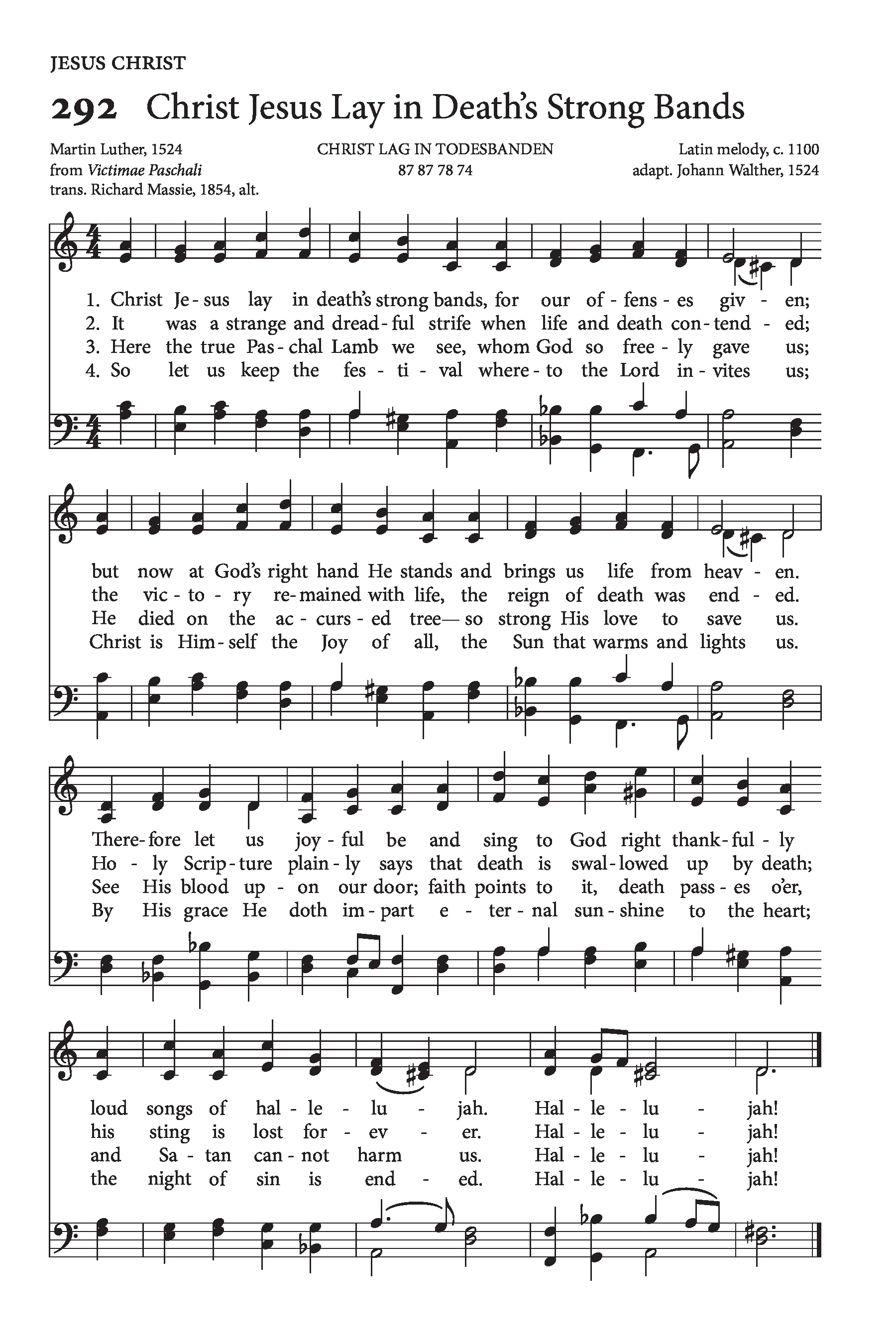
"Now praise we Christ, the Holy One" – Translated by Richard Massie in his Martin Luther's Spiritual Songs (1854) and adopted into the Ohio Lutheran Hymnal (1880).
-
Other German-to-English translations include works by the Moravian church (1748), Miss Fry (1845), Dr. John Hunt (1853), Miss Manington (1864), and George Macdonald in the Sunday Magazine (1867).
3. The Epiphany Section: Hostis Herodes impie
The second major division of Sedulius's original poem consists of lines 29–36, 41–44, and 49–52 (the strophes beginning with h, i, l, n, s). Historically, this text was designated for Matins and Vespers during the Epiphany season across major English centers like York, Sarum, Worcester, Evesham, and St. Albans.
In the Mozarabic Breviary, this text serves as the Lauds hymn for Epiphany. Curiously, strophes k, m, o, and p were extracted in the same rite for the Feast of the Holy Innocents under the solemn title In Allisione Infantium ("On the dashing to pieces of the Infants"), drawing on the imagery of Psalm 137:9.
English Translations (C. U.)
-
"How vain was impious Herod's dread" – By A. T. Russell for his Psalms and Hymns (1851), later altered for Benjamin Hall Kennedy's Hymnologia Christiana (1863).
-
"Why, impious Herod, vainly fear" – Written by John Mason Neale for the Hymnal Noted (1852). It was modified in Hymns Ancient and Modern (1861) as "Why doth that impious Herod fear?" and changed again in 1875 to "How vain the cruel Herod's fear." The Hymnary (1872) rewrote it entirely as "The star proclaims the King is here."
4. The Roman Breviary Revision: Crudelis Herodes Deum
When the Roman Breviary was revised, the text of Hostis Herodes impie was modified primarily in its opening lines and doxology, renaming the piece Crudelis Herodes Deum.
English Translations (C. U.)
-
"Why, Herod, why the Godhead fear!" – By Bishop Richard Mant (1837), also circulating as "In vain doth Herod rage and fear."
-
"Why, ruthless king, this frantic fear!" – By W. J. Copeland (1848), later altered in the Sarum Hymnal (1868) to "Why doth the wicked Herod fear?"
-
"O cruel Herod! why thus fear!" – By Edward Caswall in his Lyra Catholica (1849), establishing itself as the standard translation within nineteenth-century Roman Catholic school and mission collections.
-
"Why, cruel Herod, why in fear!" – A composite translation by J. A. Johnston in The English Hymnal (1852).
-
"Why, cruel Herod, dost thou fear!" – Written by R. C. Singleton for the Anglican Hymn Book (1868), later changed to "Why should the cruel Herod fear?" (1871).
-
"Why doth that cruel Herod fear!" – A cento merging lines from Copeland and Neale, utilized in the St. John's Hymnal of Aberdeen (1865).
5. The Structural Variant: A solis ortus cardine Et usque
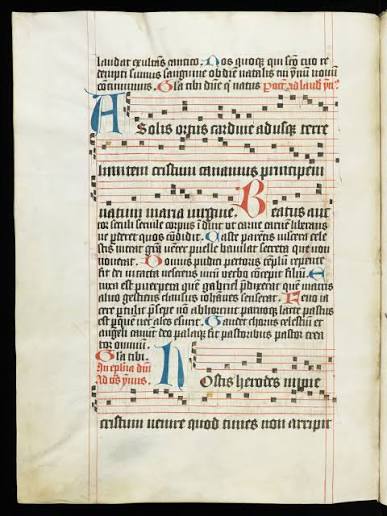
A distinct and highly complex composite hymn exists under the almost identical title A solis ortus cardine Et usque terrae limitem. It is easily distinguished from Sedulius's uniform poem by its second stanza, which opens with the lines: Gaudete quicquid gentium / Judaea, Roma et Graecia.
Hymnologists, including Hermann Adalbert Daniel, note that this version is a patchwork assembled from three completely distinct historical authors:
| Line Numbers | Opening Text | Structural/Historical Source | Ascribed Author |
| Lines 1–4 | A solis ortus cardine... | The opening stanza of the original alphabetical poem. | Coelius Sedulius (5th Century) |
| Lines 5–12 | Gaudete quicquid gentium... | The conclusion of the Epiphany hymn Quicunque Christum quaeritis from the Cathemerinon. | Prudentius (5th Century) |
| Lines 13–24 | Fit porta Christi pervia... | A sequence tracing back to an eleventh-century British Museum manuscript (Harl. 2961) and a Durham manuscript. | St. Ambrose (As defended by Benedictine editors via Paschasius Radbertus) or St. Rabanus Maurus |
In the Mozarabic rite, this composite version was divided for the Feast of the Annunciation, with the standard verses sung at Vespers and the Ambrosian Fit porta strophes introduced at line 21. This variation was translated into English by W. J. Copeland in his Hymns for the Week (1848) under the title "From where the rising sun goes forth," and it was subsequently featured in Philip Schaff's Christ in Song (1869).
Related Hymns
Hymns in the library connected to this dictionary topic.
-
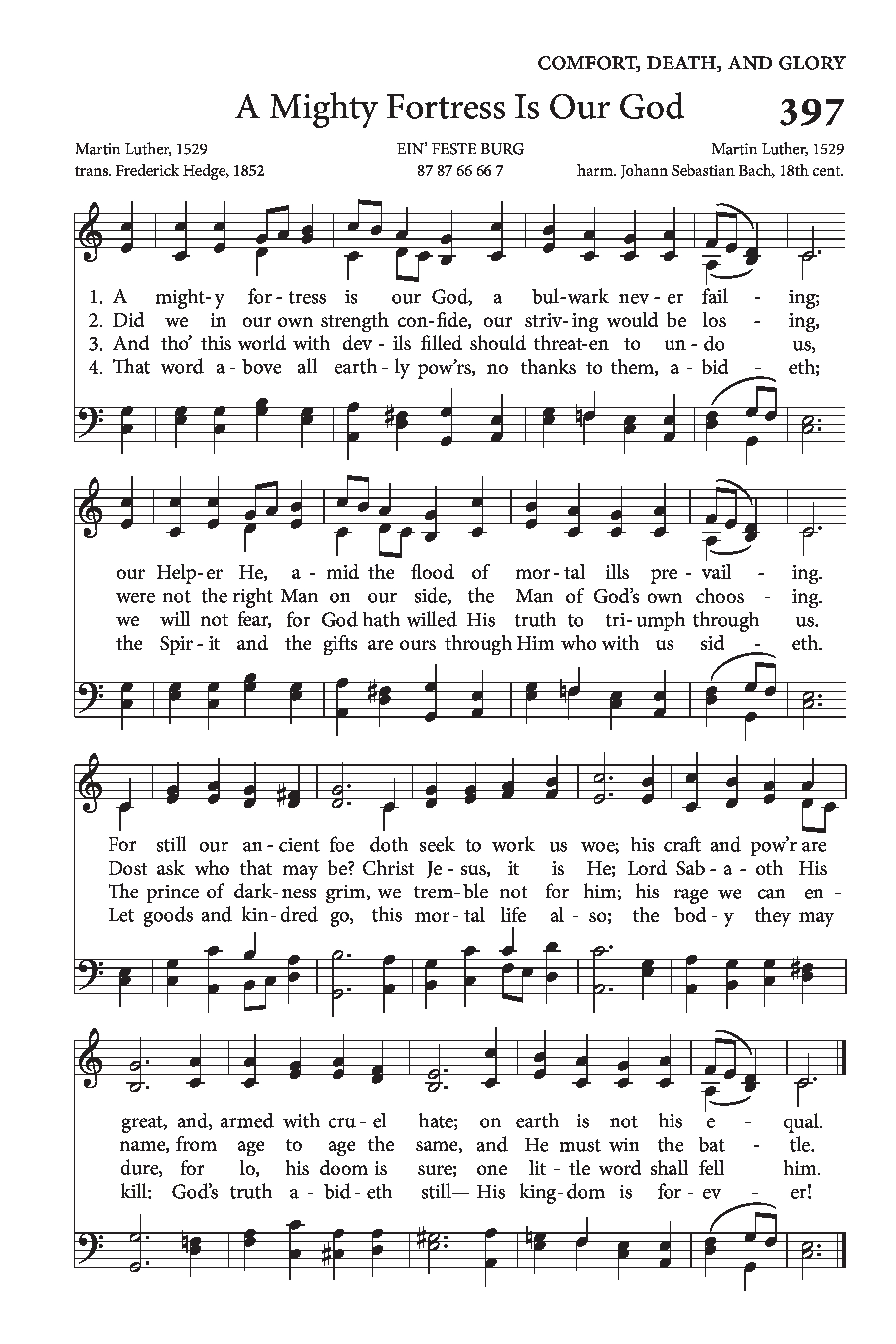
A Mighty Fortress Is Our God
-
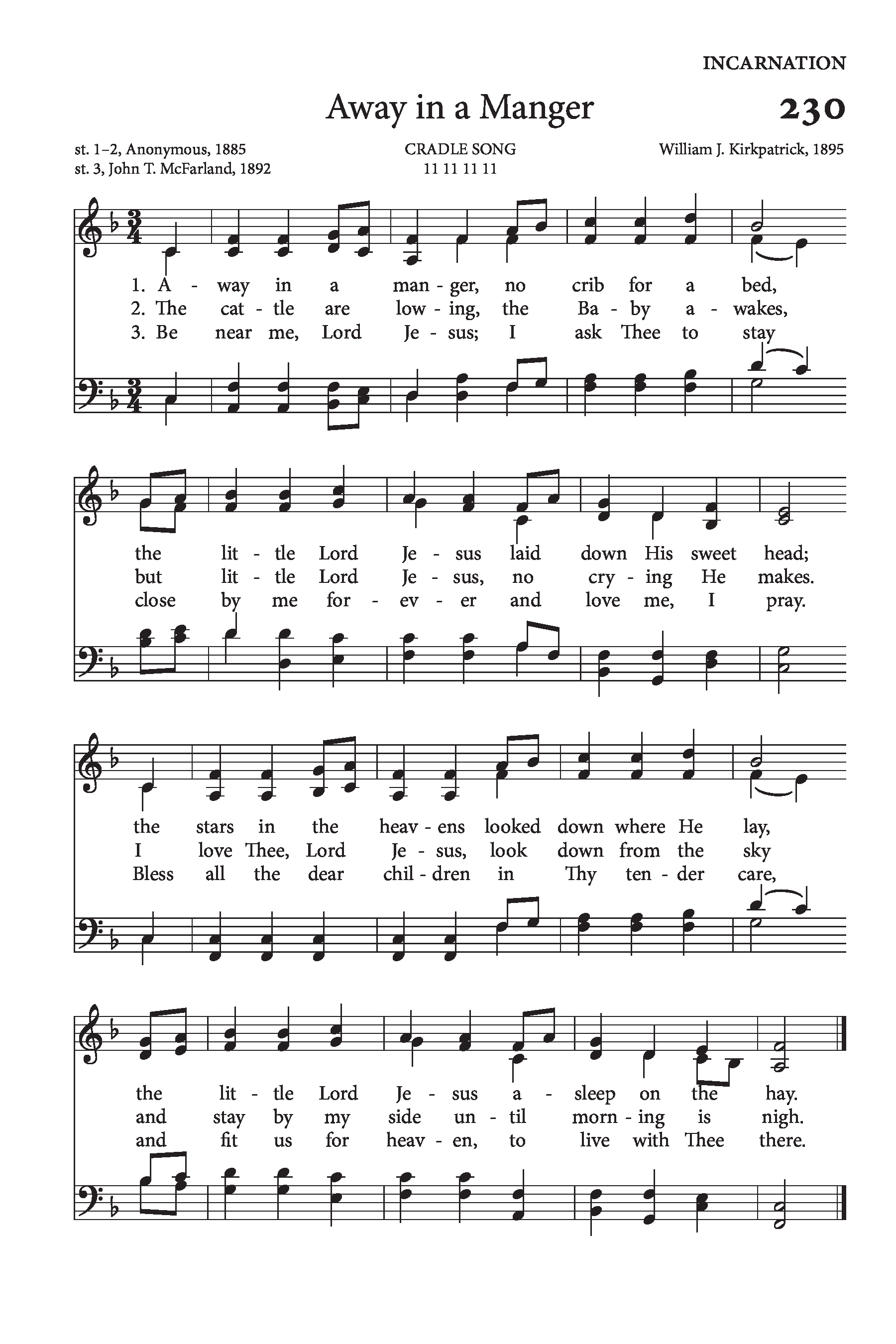
Away in a Manger
-
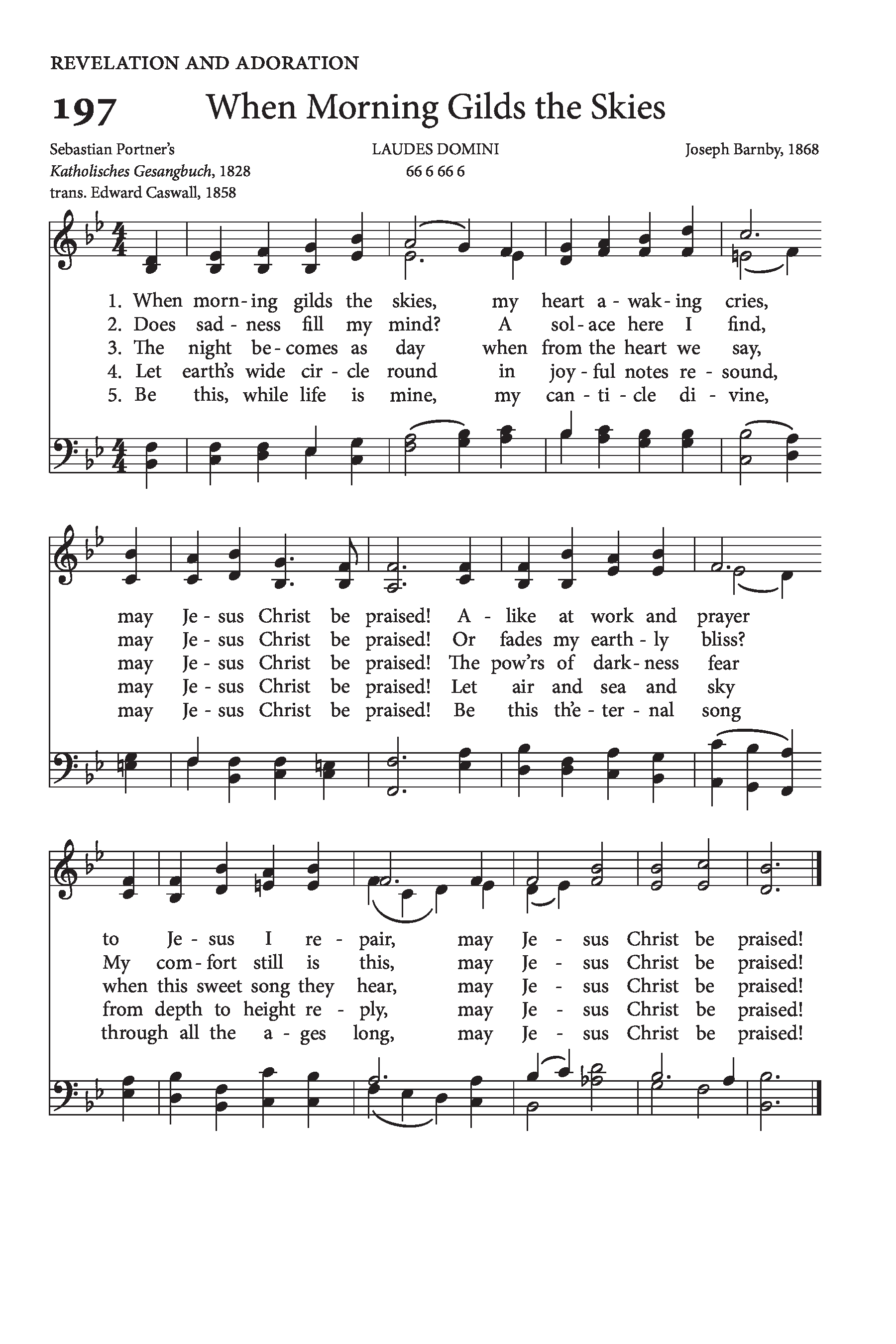
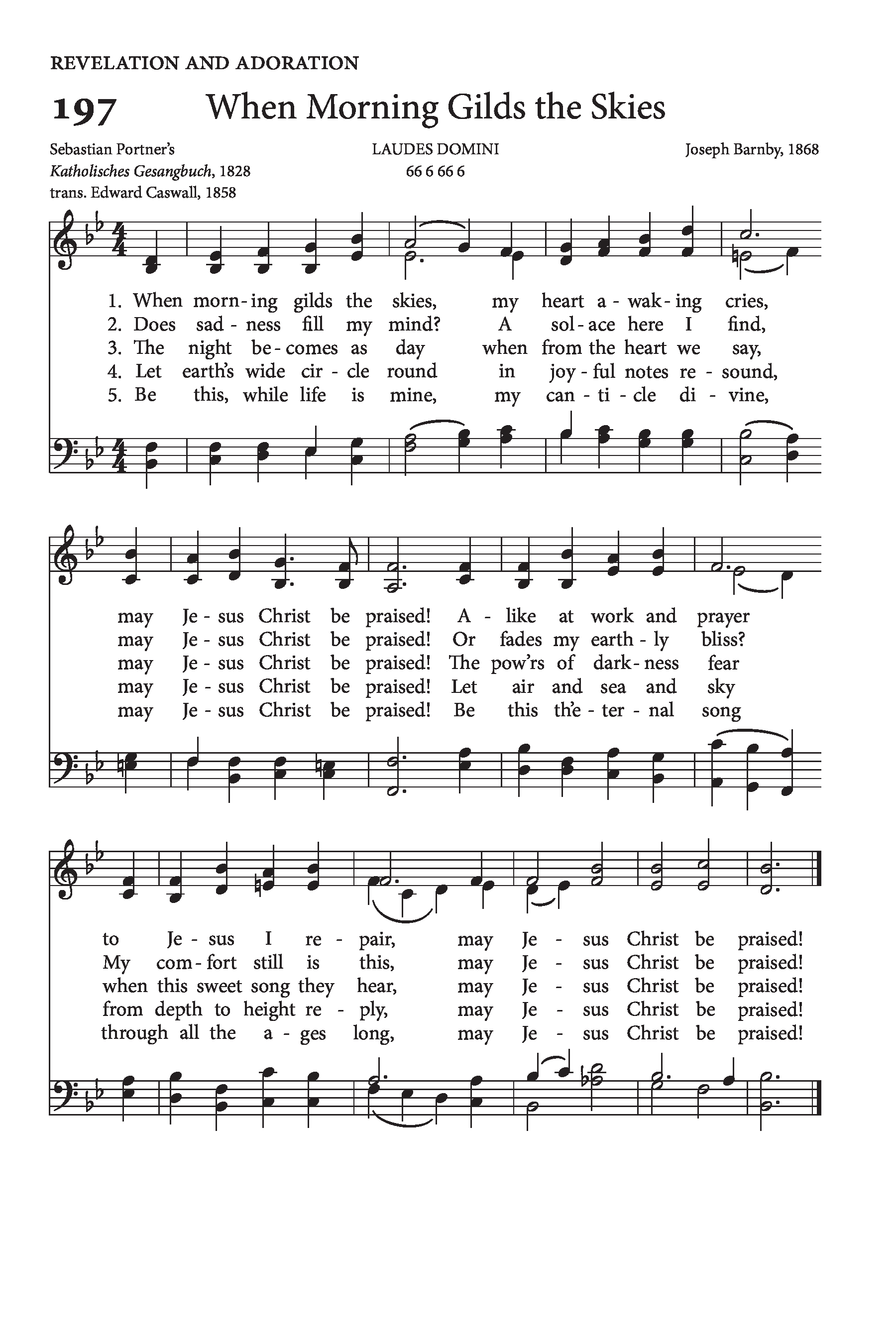
When Morning Gilds the Skies
-
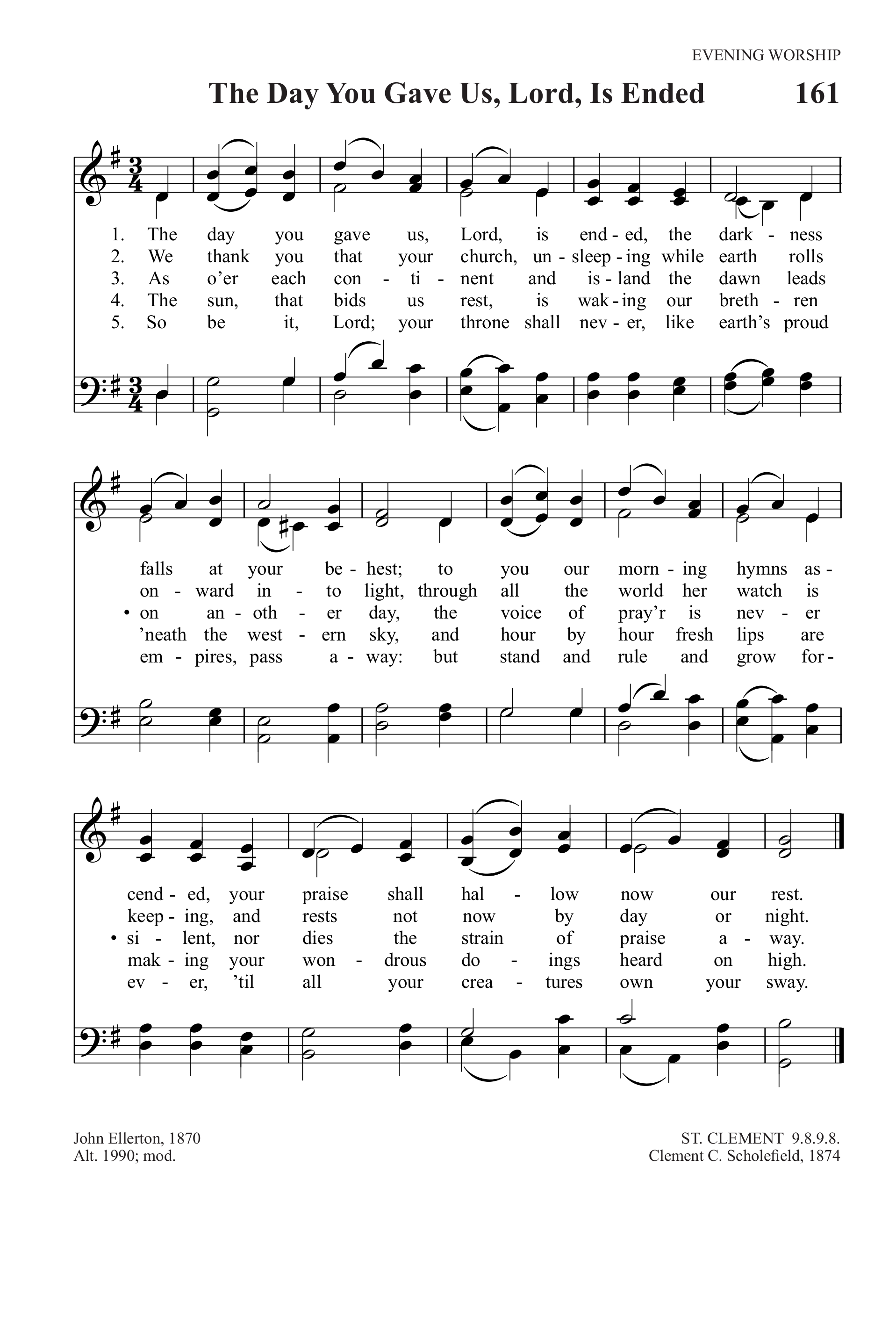
 The Day Thou Gavest, Lord, Is Ended
-
See, amid the Winter's Snow
-
 May Jesus Christ Be Praised
-
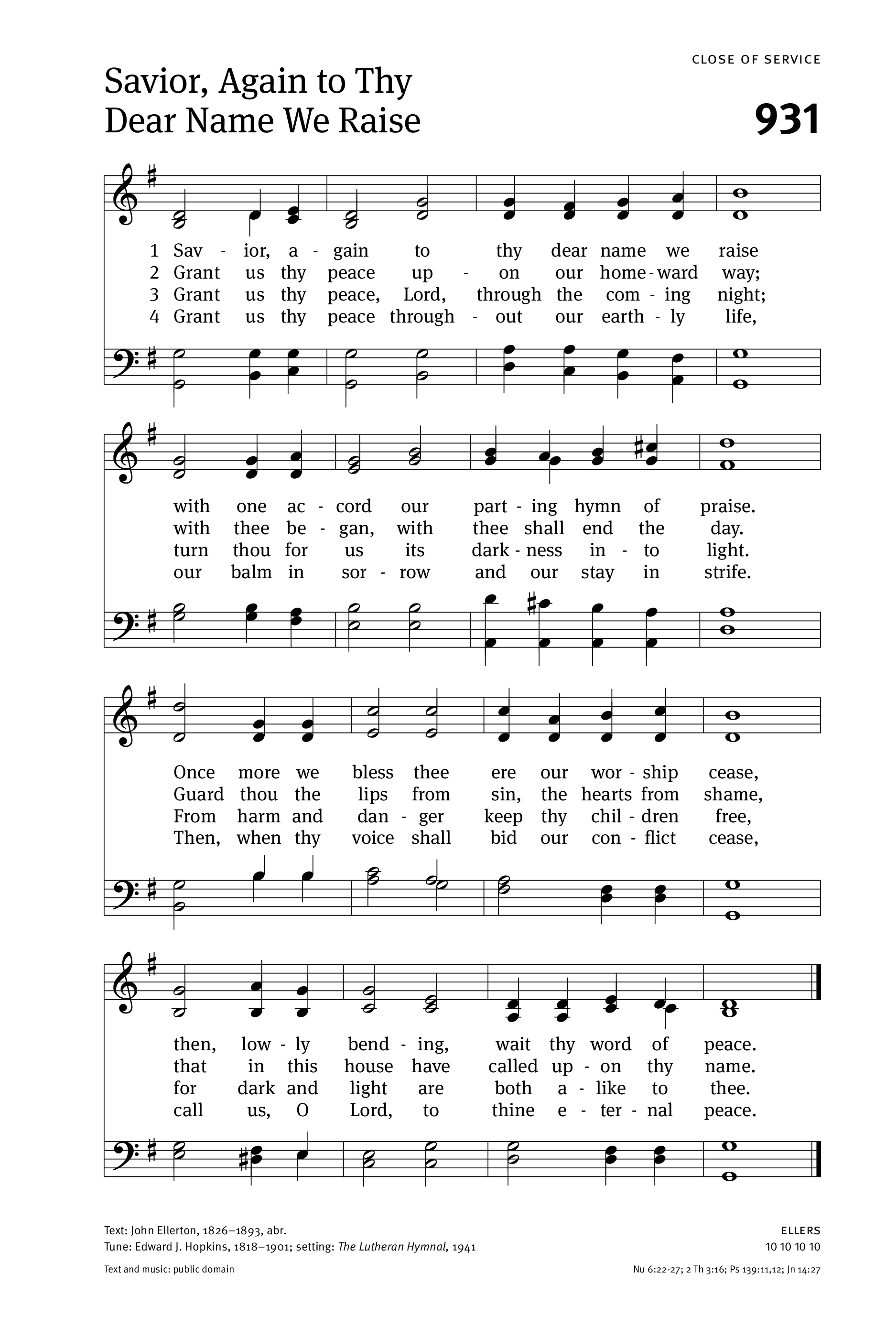
Savior, Again to Thy Dear Name (Parting Hymn)
-
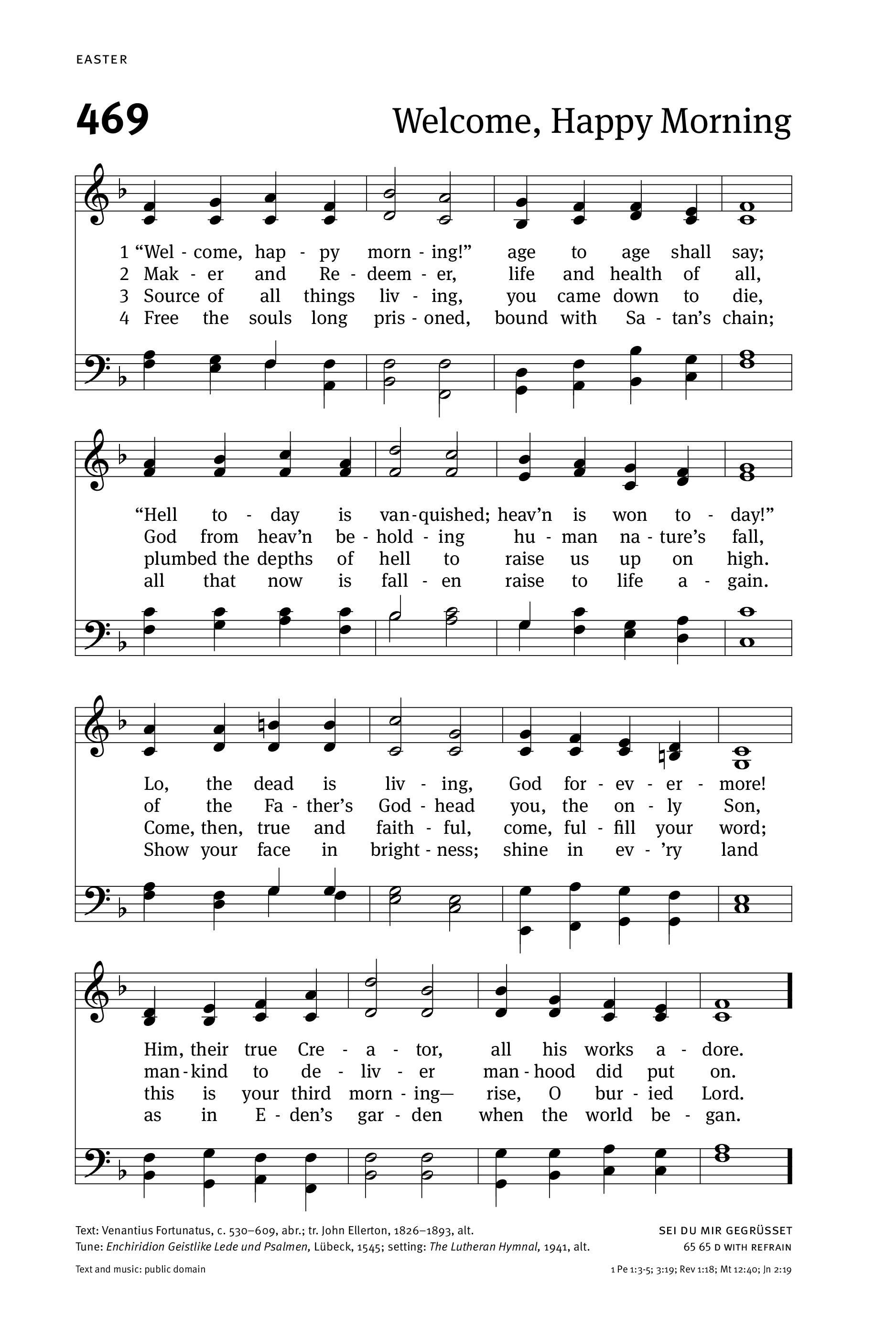
Welcome, Happy Morning!
7 more related hymns below in the sheet gallery.
Related Hymn Sheets
3 shown at a time — use the arrows to browse all 15 sheets.
Related Authors
Writers connected to this dictionary topic.
Keywords
Related terms for this dictionary entry.
Recent Dictionary Entries
Newly added terms from the Dictionary of Hymnology.
If you notice any mistake or have suggestions, please contact us on our contact page.