Martin Luther
Biography
Short Name: Martin Luther
Full Name: Luther, Martin
Birth Year: 1483
Death Year: 1546
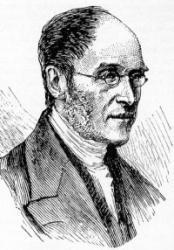
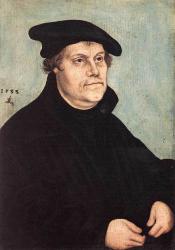
Martin Luther was born on November 10, 1483, in Eisleben, Germany. He studied at the University of Erfurt (B.A. 1502, M.A. 1503) and entered the Augustinian monastery in 1505. Ordained a priest in 1507, he became a professor at the University of Wittenberg in 1508 and received his Doctor of Divinity in 1512. Luther is famously known for publishing the 95 Theses in 1517 and challenging the Catholic Church’s teachings. He burned the Papal Bull condemning him in 1520, attended the Diet of Worms in 1521, and translated the Bible into German (1521–1534). He died in Eisleben on February 18, 1546. Luther’s work as a reformer profoundly influenced German hymnody and the broader Protestant tradition.
Contributions to Hymnody
Luther was not only a reformer but also a prolific hymn writer. His hymns were designed to be sung by the congregation, making theology accessible through music. Some of his key hymn collections include:
-
Ellich cristlich lider Lobgesang un Psalm (Wittenberg, 1524) – 8 German hymns, 4 by Luther
-
Eyn Enchiridion oder Handbuchlein (Erfurt, 1524) – 25 German hymns, 18 by Luther
-
Geystliche Gesangk Buchleyn (Wittenberg, 1524) – 32 German hymns, 24 by Luther
-
Geistliche Lieder auffs new gebessert (Wittenberg, 1529) – ~50 German hymns, 29 by Luther
-
Geistliche Lieder (Wittenberg, 1535) – 52 German hymns, 29 by Luther
-
Geistliche Lieder auffs new gebessert (Leipzig, 1539) – 68 German hymns, 29 by Luther
-
Geistliche Lieder (Wittenberg, 1543) – 61 German hymns, 35 by Luther
-
Geystliche Lieder (Leipzig, 1545) – Final revisions, 35 by Luther
Types of Hymns
Luther’s hymns can be classified as:
-
Translations from Latin Hymns and Antiphons: e.g., Christum wir sollen loben schon, Komm, Gott Schöpfer, heiliger Geist
-
Revised Pre-Reformation Popular Hymns: e.g., Gelobet seist du, Jesus Christ
-
Psalm Versions: e.g., Ein feste Burg ist unser Gott, Aus tiefer Not schrei ich zu dir
-
Paraphrases of Scripture: e.g., Mit Fried und Freud ich fahr dahin, Diess sind die heilgen zehn Gebot
-
Original Hymns: e.g., Christ lag in Todesbanden, Vom Himmel hoch da komm ich her, Ein neues Lied wir heben an
Luther wrote prefaces for several collections, explaining the purpose of congregational singing and the theological content. His hymns remain a cornerstone of Protestant worship, blending doctrine, devotion, and music.
References:
-
John Julian, Dictionary of Hymnology, 1907
Dictionary of Hymnology
Ein' feste Burg ist unser Gott Hymn
Luther’s Psalm 46 battle-hymn, first published in Klug’s Gesangbuch (Wittenberg, 1529), not in 1521 or 1530 as popular stories claim. Carlyle’s and Thring’s English versions lead common use.
ReadEin neues Lied wir heben an Hymn
Luther’s first hymn-like piece (1523), a narrative ballad on the Brussels martyrdom of Voes and Esch. Messenger’s paraphrase “Flung to the heedless winds” is the main English congregational form.
ReadJesus Christus, unser Heiland, Der den Tod überwand / Jesus, exalted far on high Hymn
Luther’s Easter hymn from Eyn Enchiridion (1524), each stanza ending “Kyrieleyson”; and T. Cotterill’s Circumcision hymn “Jesus, exalted far on high” (Uttoxeter, 1805; Selection, 1810).
ReadHymns by Martin Luther
Includes hymns they wrote and hymns where they are credited as co-author, translator, paraphraser, or adapter.
| # | Title | Year | Views | |
|---|---|---|---|---|
| 1 | A Mighty Fortress Is Our God | 1529 | 9648 | View |
| 2 | Away in a Manger | 1892 | 5785 | View |
| 3 | By Grace Alone | 1524 | 1570 | View |
| 4 | Christ Jesus Lay in Death's Strong Bands | 1524 | 1057 | View |
| 5 | From Depths of Woe I Raise to Thee | 1524 | 1127 | View |
| 6 | Out of the depths I cry to Thee | 1524 | 1410 | View |
| 7 | Out of the Depths I Cry to You | 1524 | 1294 | View |
Recently added hymns
Updated hymnals
Suggestions or corrections: contact us.
Leave it in the forum for others to answer — hymn requests, lyrics help, writers, worship planning, and more.