





Should Christians Celebrate Halloween?
3 days, 6 hours ago
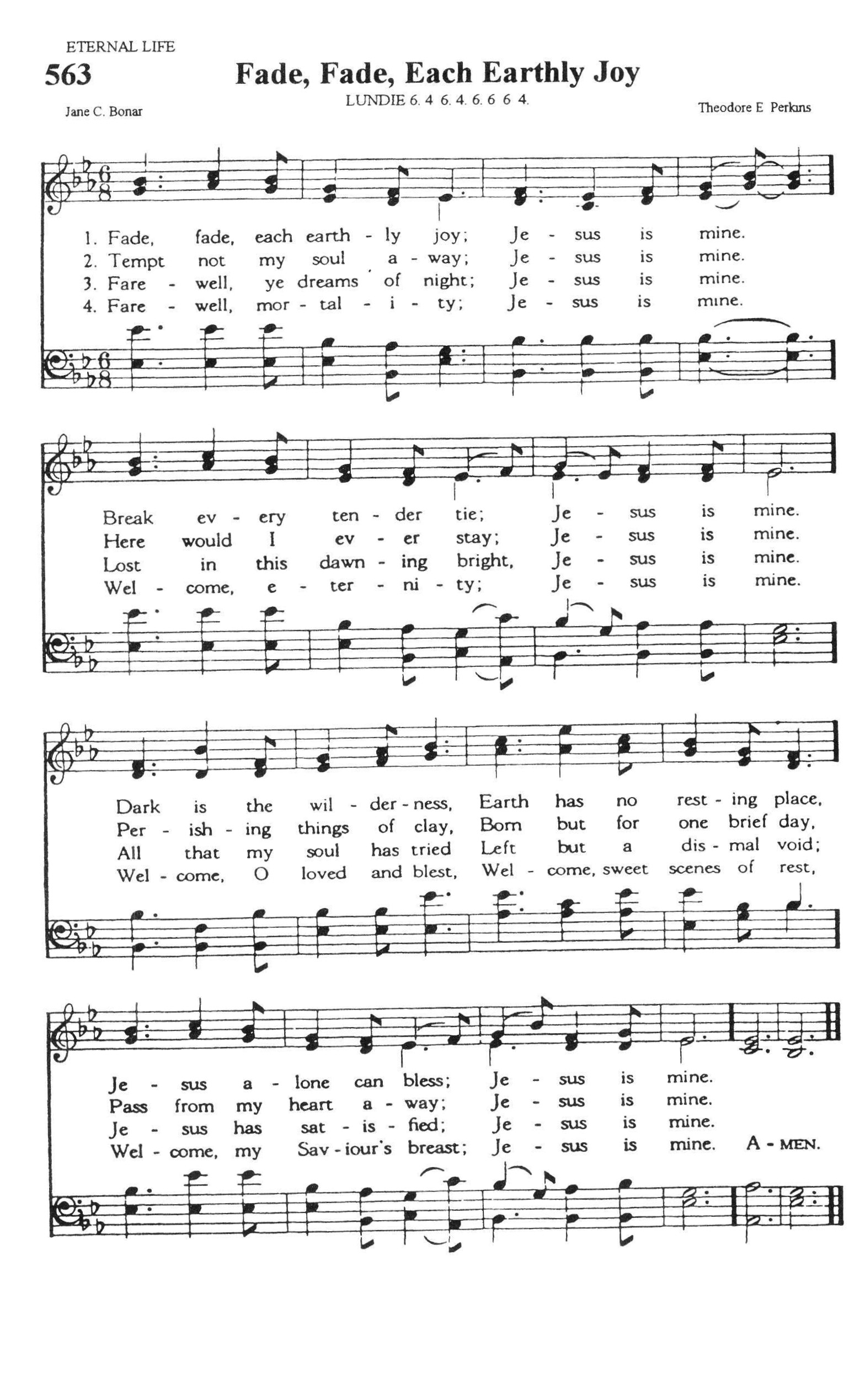
Fade, Fade, Each Earthly Joy
By Jane Catharine Bonar (1844)
Lyrics
1. Fade, fade, each earthly joy,
Jesus is mine!
Break ev'ry tender tie,
Jesus is mine!
Dark is the wilderness,
Earth has no resting place,
Jesus alone can bless,
Jesus is mine!
Jesus is mine!
Break ev'ry tender tie,
Jesus is mine!
Dark is the wilderness,
Earth has no resting place,
Jesus alone can bless,
Jesus is mine!
2. Tempt not my soul away,
Jesus is mine!
Here would I ever stay,
Jesus is mine!
Perishing things of clay,
Born but for one brief day,
Pass from my heart away,
Jesus is mine!
Jesus is mine!
Here would I ever stay,
Jesus is mine!
Perishing things of clay,
Born but for one brief day,
Pass from my heart away,
Jesus is mine!
3. Farewell, ye dreams of night,
Jesus is mine!
Lost in this dawning light,
Jesus is mine!
All that my soul has tried
Left but a dismal void;
Jesus has satisfied,
Jesus is mine!
Jesus is mine!
Lost in this dawning light,
Jesus is mine!
All that my soul has tried
Left but a dismal void;
Jesus has satisfied,
Jesus is mine!
4. Farewell, mortality,
Jesus is mine!
Welcome, eternity,
Jesus is mine!
Welcome, O loved and charmed,
Welcome, sweet rest from harm,
Welcome, my Savior’s arms,
Jesus is mine!
Jesus is mine!
Welcome, eternity,
Jesus is mine!
Welcome, O loved and charmed,
Welcome, sweet rest from harm,
Welcome, my Savior’s arms,
Jesus is mine!
Bible Reference
Philippians 3:7-8; Matthew 16:26; Colossians 3:11; 2 Timothy 1:12; 1 John 5:11-12; Lamentations 3:22-23
Lectionary & readings
Open today’s (or any date’s) assigned scriptures and find related hymns across church calendars. Useful when planning worship around this song’s themes or its Bible reference.
Hymn scripture: Philippians 3:7-8; Matthew 16:26; Colossians 3:11; 2 Timothy 1:12; 1 John 5:11-12; Lamentations 3:22-23
About This Hymn
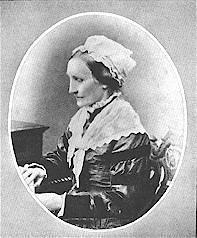
“Fade, Fade, Each Earthly Joy” is a Christian hymn by Jane Catharine Bonar, also known as Mrs. Catherine J. Bonar. She was the wife of the Scottish minister and hymn writer Horatius Bonar. The hymn expresses a deep devotion to Jesus Christ and a conviction that earthly possessions, pleasures, and relationships cannot provide the lasting satisfaction found in Him. Its recurring declaration, “Jesus is mine,” emphasizes the believer's personal relationship with Christ and the assurance that He remains sufficient when other sources of happiness fail.
The original text appeared under the title “Pass away, earthly joy. Jesus, all in all” in Songs for the Wilderness, Second Series, in 1844. It was also included in the Bible Hymn Book in 1845. The familiar wording “Fade, fade, each earthly joy” became established in later hymn collections. The hymn contains four stanzas, each contrasting the temporary nature of earthly things with the enduring possession of Christ. Its message is not that every earthly blessing is evil, but that no created thing should take the place that belongs to the Lord in the believer's heart.
Philippians 3:7-8 provides an important biblical foundation for the hymn's message. The Apostle Paul explains that the things he once counted as gain became loss for Christ's sake, and he considers the knowledge of Christ Jesus his Lord to be of surpassing worth. This is the same spiritual priority expressed throughout Bonar's hymn. The Christian's greatest treasure is not wealth, comfort, reputation, or worldly achievement, but the Saviour who has redeemed the soul. Matthew 16:26 also asks what profit a person gains by obtaining the whole world while losing his own soul.
The hymn's wilderness imagery reflects the difficulties and uncertainties of earthly life. Human circumstances change, loved ones may be separated, health may fail, and familiar sources of comfort may disappear. Yet the believer's confidence rests in Christ rather than in the permanence of earthly circumstances. Second Timothy 1:12 expresses this assurance through Paul's confidence in the One whom he has believed. Such faith does not deny sorrow or discourage affection for family and friends. Instead, it teaches Christians to love earthly blessings rightly while trusting Christ above all else.
The final stanza turns toward mortality and eternity. The prospect of death is met not merely with resignation, but with hope in the eternal life promised through Jesus Christ. First John 5:11-12 teaches that God has given eternal life and that this life is in His Son. The hymn therefore directs the worshipper beyond temporary pleasures and present troubles toward the lasting joy of belonging to Christ.
The text is commonly sung to LUNDIE, a tune composed by Theodore E. Perkins and published in The New Shining Star in 1864. The tune's name recalls Bonar's maiden surname. Its meter, 6.4.6.4.6.6.6.4, accommodates the hymn's distinctive eight-line stanzas and recurring confession of faith. Through its themes of contentment, devotion, assurance, and eternal hope, “Fade, Fade, Each Earthly Joy” encourages believers to treasure Christ above the changing things of this world.
From the Dictionary of Hymnology
Related terms and concepts automatically matched to this hymn.
Bonar, Jane Catharine Biography
Wife of Horatius Bonar, née Lundie (1821–1884); remembered for “Pass away, earthly joy” (“Jesus is mine!”), often altered to “Fade, fade, each earthly joy.”
Read moreStaff Visualizer
Open in MIDI StudioPowered by HTML MIDI PLAYER, MIDI FILE Made by Hymnal Library. · Study chords & lyrics in MIDI Studio
Want weekly hymns and devotionals?
⭐ Recommend This Hymn
Share this beautiful hymn with others
This hymn also appears in these hymnals
Click a spine to pull out the hymnal, then open it.
You might also like
Hymns with the same subject
More hymns about Christian Love, Consecration, Faith, Heaven, Joy
- Come, All Christians, Be Committed - Eva Brown Lloyd
- Because He Lives - Bill & Gloria Gaither
- Salvation Has Been Brought Down - Albert E. Brumley
- The Longer I Serve Him - William J. (Bill) Gaither
- Heaven Came Down and Glory Filled my Soul - John W. Peterson
- O Come, O Come, Emmanuel - J. M. Neale
- Wonderful Story of Love - J. M. Driver
- Jesus Is Calling - Fanny Crosby
More hymn subjects
Latest Updated Hymnals
-
Open
 Book of Common Praise (BoCP1915)Updated 2 days, 20 hours ago · 1915
-
Open
 The New Apostolic Church HymnalUpdated 1 week, 1 day ago · 2008
-
Open
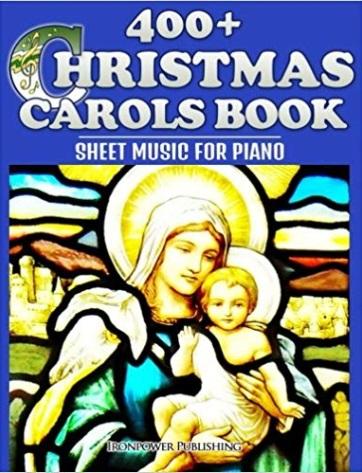 400+ Christmas Carols Book: Sheet Music for PianoUpdated 1 week, 2 days ago · 2014
-
Open
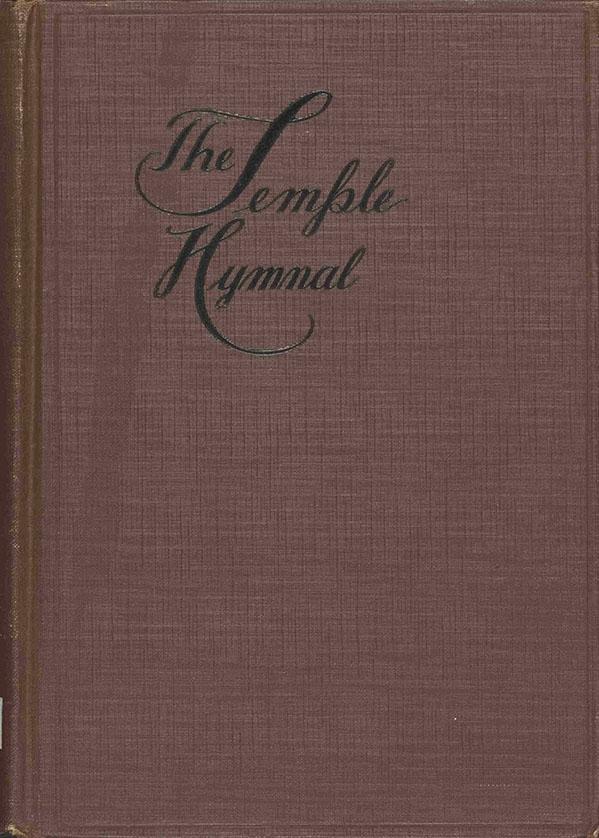 The Temple HymnalUpdated 1 week, 2 days ago · 1918
-
Open
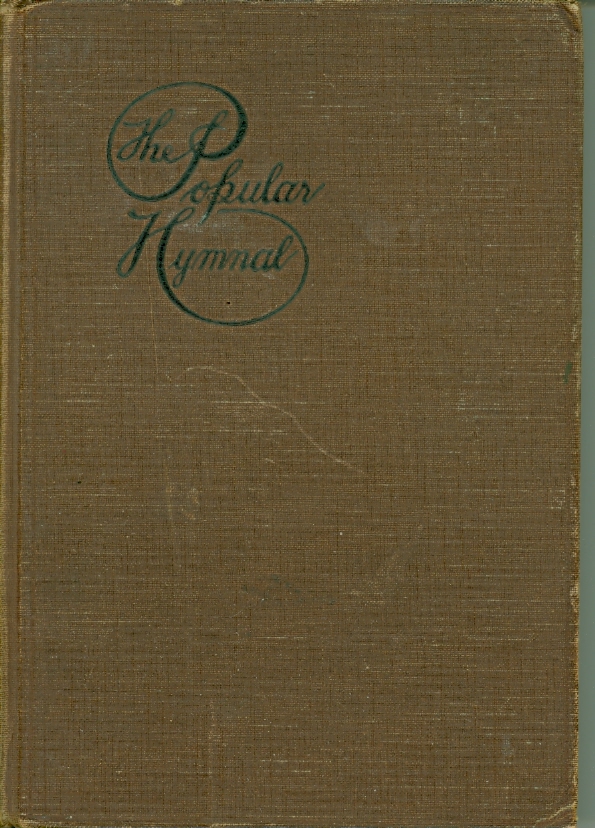 The Popular HymnalUpdated 1 week, 2 days ago · 1918
Hymn Information
Click a linked name to open their biography.
MIDI File
Popular Hymns
Recent Blog Posts


Popular Blog Posts
-
 Lessons from the Book of Haggai: Putting God…5 months ago
-
 Easter vs Passover: How a Biblical Feast Bec…7 months ago
-
 The Full Story of the Birth of Jesus Christ:…10 months, 3 weeks ago
-
 The 30 Most Famous Christmas Hymns and Carols1 year, 2 months ago
-
 The Story Behind the Hymn “Amazing Grace”10 months, 2 weeks ago
Visit Us on Social Media
Latest from X (Twitter)
Tweets by HymnalLibraryLatest from Facebook
Latest on YouTube
Loading latest video...
Daily Bible Verse
Disclaimer
The hymns, sheet music, MIDI files, and related content on this website are provided for educational and research purposes only.
- Public Domain: Many of the hymns featured here are in the public domain and may be freely used.
- Copyrighted Works: Some hymns may still be under copyright protection. Where applicable, permission has either been requested from the copyright owner, or the content is shared under the principles of fair use for educational purposes.
⚠️ Important Notice: If you wish to reproduce, distribute, or use any copyrighted hymn beyond personal study or educational use, you must obtain permission directly from the copyright holder. This website does not grant any rights for commercial use yet.
If there is any other question please address it to us in our Contact Page, for further assistance. Thank you for using the site. May God Bless You.
Recently Added · Dictionary of Hymnology
Browse dictionary →
Can’t find a hymn or lyric?
Leave your question in the forum for others to answer — requests, missing lines, writers, and worship ideas welcome.