Lessons from the Book of Haggai: Putting God First in a Distracted World
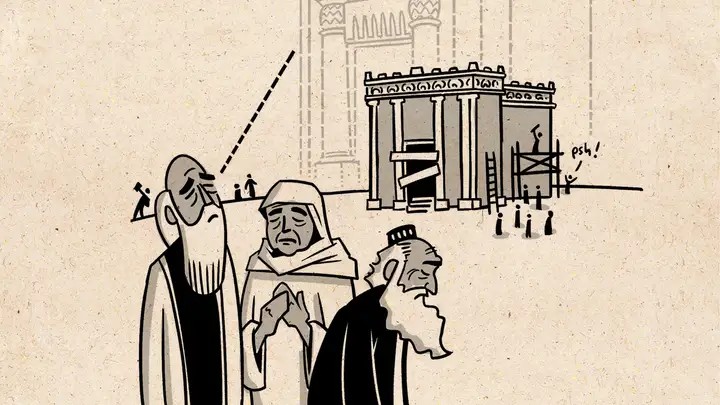
The Book of Haggai is one of the shortest books in the Bible, yet its message is among the most practical and challenging for believers. Written after the Jewish exiles returned from Babylon, Haggai's prophecy addresses a people who had begun well but had lost focus. They had returned to Jerusalem with enthusiasm and a desire to rebuild the temple of God, but opposition, discouragement, and concern for their own affairs caused the work to stop. For about sixteen years, the temple remained unfinished while the people concentrated on building comfortable homes and establishing their own lives. Through the prophet Haggai, God called His people to examine their priorities and return to the work He had given them. The lessons found in this small book remain highly relevant for Christians today.
One of the greatest lessons in Haggai is the importance of putting God first. The people of Judah had become preoccupied with their personal interests while God's house lay in ruins. God confronted them with a searching question: "Is it time for you, O ye, to dwell in your cieled houses, and this house lie waste?" (Haggai 1:4, KJV). Their problem was not that they owned houses or cared for their families. Rather, they had allowed their own concerns to take priority over God's work. This temptation is common in every generation. Careers, financial goals, family responsibilities, and personal ambitions can easily occupy so much of our attention that our relationship with God becomes secondary. Haggai reminds believers that God deserves first place in every area of life. The principle later taught by Jesus, "seek ye first the kingdom of God" (Matthew 6:33), is vividly illustrated in the message of Haggai.
Another major lesson is the need for self-examination. Twice in the first chapter God tells the people, "Consider your ways" (Haggai 1:5, 7). The people were working hard but experiencing little satisfaction. They sowed much but harvested little. They earned wages only to find their resources disappearing. Their efforts seemed unproductive despite their constant labor. God wanted them to stop and evaluate why this was happening. The reason was not economic or political but spiritual. They had neglected God's priorities. This lesson is especially important in a world where busyness is often mistaken for productivity. Many people spend their lives rushing from one responsibility to another without ever considering whether they are pursuing God's will. Haggai teaches that believers should regularly pause and examine their spiritual condition, their priorities, and the direction of their lives.
The book also teaches that obedience brings the pleasure and presence of God. When Haggai delivered God's message, the people responded positively. Instead of making excuses or resisting correction, they obeyed the Lord and resumed the work of rebuilding the temple. Their response demonstrates genuine repentance. As soon as they obeyed, God gave them a powerful promise: "I am with you, saith the LORD" (Haggai 1:13, KJV). This assurance reveals an important spiritual truth. God's presence is closely connected to obedience. While God loves His people unconditionally, believers experience the joy of His fellowship most fully when they walk in submission to His will. The people did not earn God's favor through their work, but their obedience positioned them to enjoy His blessing and encouragement.
Haggai also teaches believers not to despise small beginnings. Some of the older Jews remembered the glory of Solomon's temple before it was destroyed by the Babylonians. Compared to that magnificent structure, the new temple appeared unimpressive and insignificant. This comparison discouraged many of the workers. God responded by encouraging them to be strong and continue their work because His presence was with them. The value of their labor was not determined by the size or beauty of the building but by the fact that they were obeying God. Many Christians face similar discouragement today. Churches may seem small, ministries may appear insignificant, and personal efforts may not receive public recognition. Yet God often accomplishes His greatest purposes through humble beginnings and faithful servants. The lesson is clear: success is measured not by human standards but by faithfulness to God's calling.
A remarkable truth found in Haggai is that God's glory is greater than human glory. In chapter two, God declared that the glory of the latter temple would exceed that of the former. At first this seemed impossible because Solomon's temple had been extraordinarily magnificent. However, God's perspective was different from man's. The second temple would eventually be honored by the presence of Jesus Christ Himself. The Messiah would walk within its courts, giving it a glory that surpassed all the gold and splendor of Solomon's day. This teaches believers that true glory is found in God's presence rather than in outward appearance. The world often values wealth, size, popularity, and influence, but God values His presence, His truth, and His purposes. A small congregation that honors Christ possesses a greater glory than a magnificent building where God is not truly worshiped.
Another important lesson concerns holiness and spiritual integrity. Through a series of questions directed to the priests, God taught that holiness cannot be transferred simply through association, while impurity spreads easily. The people may have assumed that participating in religious activities made them acceptable before God, but God reminded them that outward rituals are meaningless without inward obedience. This principle remains vital today. Church attendance, religious traditions, and Christian culture cannot replace a genuine relationship with God. Every believer must personally pursue holiness through faith, obedience, and dependence upon the Lord. Spiritual vitality cannot be borrowed from parents, pastors, churches, or friends. Each person must walk with God individually.
The Book of Haggai also highlights the faithfulness of God to bless those who obey Him. After the people responded to God's call and resumed the work of rebuilding, the Lord promised future blessing. "From this day will I bless you" (Haggai 2:19, KJV). This promise did not mean that every difficulty would immediately disappear, but it assured the people that God had taken notice of their obedience. Christians today often become discouraged when they do not see immediate results from faithful service. Haggai reminds believers that God sees every act of obedience and works according to His perfect timing. Faithfulness may not always produce immediate visible rewards, but God never forgets the labor of those who serve Him.
The book concludes with promises concerning future events and God's control over earthly kingdoms. At a time when powerful empires dominated the world, God reminded His people that He remained in complete control. Kings, governments, and nations rise and fall according to His sovereign plan. This truth provides comfort for believers living in uncertain times. Political changes, economic challenges, and global crises may create anxiety, but God continues to rule over all things. The same God who guided Israel's history is directing the course of human events today.
This small prophetic book, believers are challenged to examine their lives, put God first, obey His voice, remain faithful despite discouragement, and trust His promises. Haggai reminds us that God is not merely interested in rebuilding temples or accomplishing projects. His greater concern is rebuilding hearts that are fully devoted to Him. When God's people place Him at the center of their lives, they discover His presence, experience His blessing, and participate in His eternal purposes.

















No comments yet. Be the first to share your thoughts!