

12 Ways to Deepen Your Relationship with God
1 week, 1 day ago
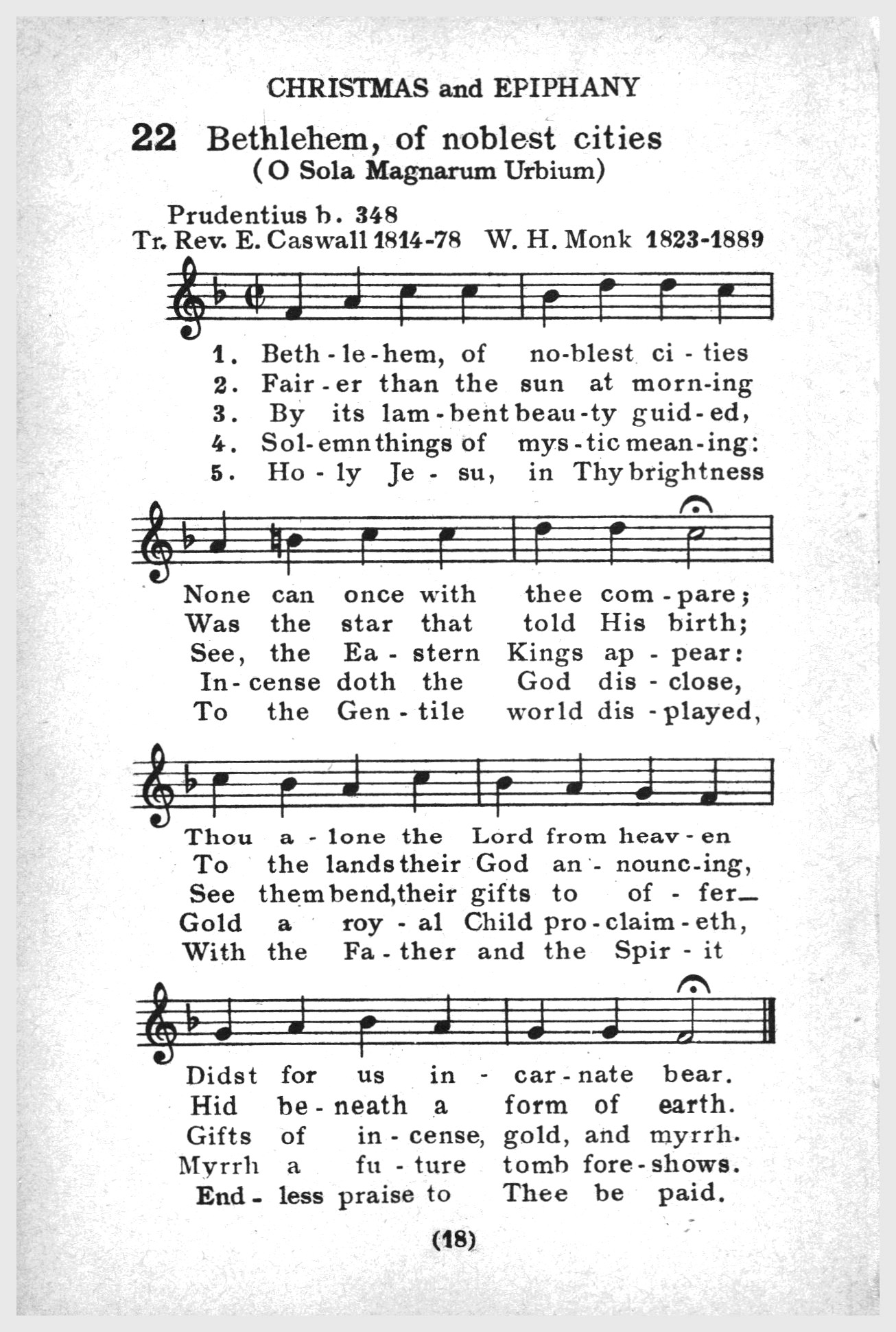
Bethlehem, of Noblest Cities
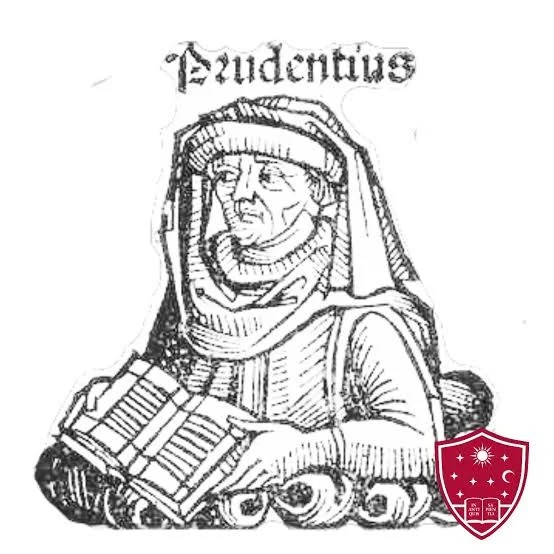
By Aurelius Clemens Prudentius (405)
Mark it for others looking for a hymn like this.
New
Lyrics
1. Bethlehem, a noble city,
has been blessed beyond compare,
for the gracious God of heaven
once became incarnate there.
2. Fairer than the sun at morning
was the star that told his birth,
to the world its God announcing,
seen in human form on earth.
3. From the east came men of wisdom
bringing treasures prized of old,
tributes to a greater wisdom,
gifts of incense, myrrh, and gold.
4. Sacred gifts of mystic meaning:
incense shows that God has come,
gold proclaims him king of nations,
myrrh foretells his saving tomb.
5. Holy Jesus, in your brightness
to the gentile world displayed,
with the Father and the Spirit
endless praise to you be paid.
Bible Reference
Micah 5:2; Matthew 2:1-11; Luke 2:1-20; John 1:14; Revelation 21:2-3
Lectionary & readings
Open today’s (or any date’s) assigned scriptures and find related hymns across church calendars. Useful when planning worship around this song’s themes or its Bible reference.
Hymn scripture: Micah 5:2; Matthew 2:1-11; Luke 2:1-20; John 1:14; Revelation 21:2-3
About This Hymn
"Bethlehem, of Noblest Cities" is one of the most beloved ancient Epiphany hymns of the Christian Church. The text originated with the Spanish Christian poet Aurelius Clemens Prudentius, whose Latin hymn Salvete, flores Martyrum was written around the beginning of the fifth century, circa 405. The English hymn commonly sung today is an adaptation of portions of Prudentius's original poem, translated and paraphrased by several later writers, most notably Edward Caswall in the nineteenth century. The hymn celebrates the birth of Christ in Bethlehem and the visit of the wise men, making it especially associated with the season of Epiphany.
The hymn opens with a joyful acclamation of Bethlehem as the most honored among cities because it was chosen by God as the birthplace of the Messiah. This theme reflects the prophecy of Micah 5:2, which foretold that from Bethlehem would come the ruler of Israel whose origins are from everlasting. Though Bethlehem was small and seemingly insignificant among the towns of Judah, God's sovereign purpose elevated it to everlasting renown as the place where the eternal Son of God entered human history.
A major emphasis of the hymn is the revelation of Christ to the nations. The appearance of the star guiding the Magi to the Christ Child symbolizes the manifestation of Jesus not only to Israel but to the whole world. The wise men bring their gifts of gold, frankincense, and myrrh, acknowledging Christ as King, God, and sacrificial Savior. Through this imagery, the hymn proclaims Jesus as the universal Redeemer who draws people from every nation to worship Him.
Prudentius also emphasizes the mystery of the Incarnation. The eternal Word, who existed before all ages, humbly took on human flesh and was born in a manger. This profound union of deity and humanity stands at the heart of Christian faith. The hymn invites believers to join the Magi in adoration, offering not material treasures alone, but the devotion of their hearts and lives to Christ.
For more than fifteen centuries, "Bethlehem, of Noblest Cities" has occupied an important place in Christian worship during Christmas and Epiphany. Its combination of biblical imagery, theological depth, and reverent praise continues to inspire worshipers to celebrate the coming of Christ, the Light of the world, and to worship Him as the promised King and Savior.
From the Dictionary of Hymnology
Related terms and concepts automatically matched to this hymn.
Hiller, Friedrich Biography
Friedrich Hiller (1662–1726), Stuttgart court advocate. Heaven hymn “O Jerusalem du schöne” (1711), long favoured in Württemberg; Massie and Burns translations.
Read moreAndrea, Johann Valentin Biography
Johann Valentin Andrea (1586–1654), German pastor and church reformer, Prelate of Adelberg. He wrote few hymns; the only one translated into English is “Edele Lieb, wo bist so gar,” rendered by Miss Winkworth in 1869.
Read moreGerok, Karl Biography
Karl von Gerok, D.D. (b. 1815), Stuttgart court preacher and sacred poet. Palmblätter (1857) reached dozens of editions; English versions exist, but none of his pieces entered congregational common use as hymns.
Read moreStaff Visualizer
Open in MIDI StudioPowered by HTML MIDI PLAYER, MIDI FILE Made by Hymnal Library. · Study chords & lyrics in MIDI Studio
Want weekly hymns and devotionals?
This hymn also appears in these hymnals
Click a spine to pull out the hymnal, then open it.
Hymns with the same subject
More hymns about Adoration, Incarnation, Nation
- O Come, O Come, Emmanuel - J. M. Neale
- Amen, Amen - Laura B. Davis
- Come, Thou Almighty King - Anonymous
- Love Came Down at Christmas - Christina Georgina Rossetti
- All Hail To Thee, Immanuel - D. R. Van Sickle
- O Word of God Incarnate - William Walsham How
- Christ Triumphant, Ever Reigning - Michael Saward
- I Cannot Tell Why - W. Y. Fullerton
More hymn subjects
Recently Added Hymns
-
 Holy Father, We Adore TheeE. F. Stewart circa. 1870s
-
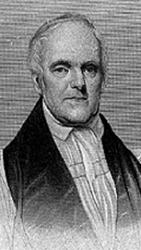 Holy Father, Great CreatorAlexander Viets Griswold 1837
-
Holy Father, cheer our way (Light at Evening Time)Richard H. Robinson 1869
-
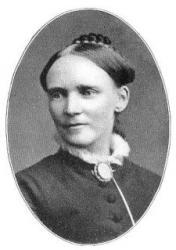 I Could Not Do Without Thee, O Savior of the LostFrances R. Havergal 1873
-
I Bow My Forehead to the DustJohn Greenleaf Whittier 1865
Latest Updated Hymnals
-
Open
 Book of Common Praise (BoCP1915)Updated 1 week, 2 days ago · 1915
-
Open
 400+ Christmas Carols Book: Sheet Music for PianoUpdated 2 weeks, 1 day ago · 2014
-
Open
 Psalms of GraceUpdated 2 weeks, 2 days ago · 2022
-
Open
 Spurgeon's Own Hymn BookUpdated 2 weeks, 2 days ago · 1866
-
Open
 The New Apostolic Church HymnalUpdated 1 month, 1 week ago · 2008
Hymn Information
Click a linked name to open their biography.
MIDI File
Popular Hymns
Recent Blog Posts



Popular Blog Posts
-
 Lessons from the Book of Haggai: Putting God…6 months ago
-
 Easter vs Passover: How a Biblical Feast Bec…8 months ago
-
 The Full Story of the Birth of Jesus Christ:…11 months, 3 weeks ago
-
 The 30 Most Famous Christmas Hymns and Carols1 year, 3 months ago
-
 The Story Behind the Hymn “Amazing Grace”11 months, 2 weeks ago
Visit Us on Social Media
Latest from X (Twitter)
Tweets by HymnalLibraryLatest from Facebook
Latest on YouTube
Loading latest video...
Daily Bible Verse
Disclaimer
The hymns, sheet music, MIDI files, and related content on this website are provided for educational and research purposes only.
- Public Domain: Many of the hymns featured here are in the public domain and may be freely used.
- Copyrighted Works: Some hymns may still be under copyright protection. Where applicable, permission has either been requested from the copyright owner, or the content is shared under the principles of fair use for educational purposes.
⚠️ Important Notice: If you wish to reproduce, distribute, or use any copyrighted hymn beyond personal study or educational use, you must obtain permission directly from the copyright holder. This website does not grant any rights for commercial use yet.
If there is any other question please address it to us in our Contact Page, for further assistance. Thank you for using the site. May God Bless You.
Recently Added · Dictionary of Hymnology
Browse dictionary →- Index of Authors and Translators (H–Z) 6 days ago · History 1
- Index of First Lines (We–Z) / Index of Authors (A–Hincks) 6 days ago · History 2
- Work while it is to-day / Yet there is room / Yonge, Charlotte M. / Zyma vetus 6 days ago · Hymn 1
- Wordsworth, Elizabeth 6 days ago · Biography 0
- Wilton, Richard / Winks, William Edward / Wiseman, Card. Nicholas / Woodward, G. R. / Wordsworth, Bp. C. 6 days ago · Biography 1
Can’t find a hymn or lyric?
Leave your question in the forum for others to answer — requests, missing lines, writers, and worship ideas welcome.