
Is Singing a Command in the Bible?
Is singing a command in the Bible, or is it simply a personal expression of worship? Some Christians consider singing a matter of personal preference. Others participate in congregational singing only when they feel emotionally moved or when they particularly enjoy the song being sung. However, a careful examination of Scripture reveals that singing is much more than a musical activity or an optional part of a church service. God commands His people to sing. Throughout both the Old and New Testaments, singing is presented as an important expression of worship, thanksgiving, praise, and spiritual instruction.
The Bible does not merely record instances of people singing to God. It repeatedly instructs God's people to sing. Understanding this biblical responsibility helps us appreciate why congregational singing should never be treated as an insignificant part of Christian worship.
1. God Explicitly Commands His People to Sing
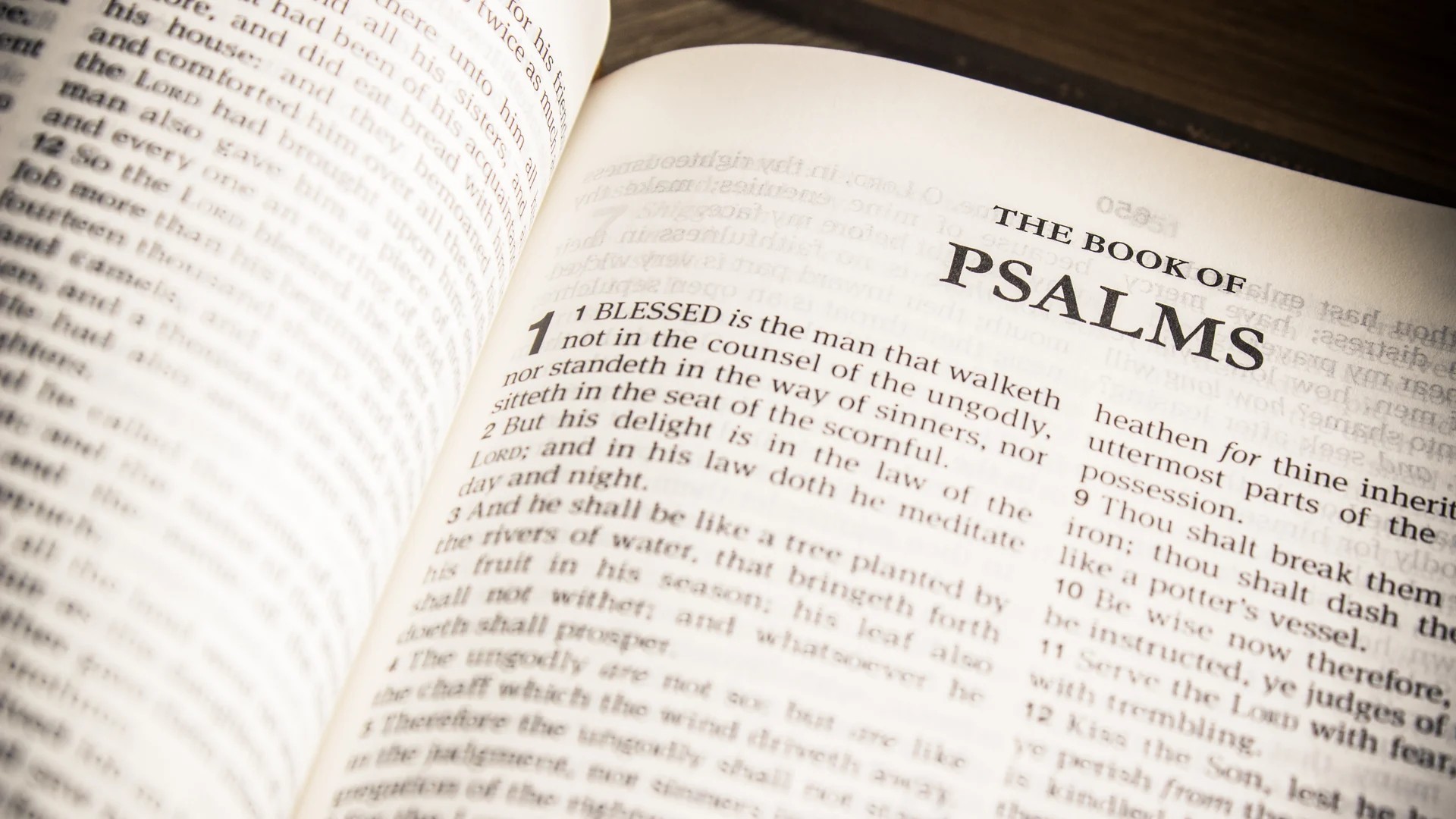
One of the clearest passages concerning singing is Psalm 100:1–2, which declares, "Make a joyful noise unto the LORD, all ye lands. Serve the LORD with gladness: come before his presence with singing."
Notice that singing is not presented merely as a suggestion for those who enjoy music. It is an instruction to God's people. Psalm 96:1 similarly declares, "O sing unto the LORD a new song: sing unto the LORD, all the earth." Psalm 149:1 says, "Praise ye the LORD. Sing unto the LORD a new song, and his praise in the congregation of saints."
These passages demonstrate that singing is an established biblical expression of worship. God expects His people to praise Him, and singing is one of the means He has appointed for expressing that praise.
This command is not limited to the Old Testament. The New Testament also gives direct instructions concerning Christian singing. Ephesians 5:19 commands believers to speak to one another "in psalms and hymns and spiritual songs, singing and making melody in your heart to the Lord." Colossians 3:16 likewise instructs Christians to teach and admonish one another through psalms, hymns, and spiritual songs.
Therefore, singing is not simply a tradition inherited from previous generations or a musical preference developed by particular churches. It is a biblical instruction that remains relevant to Christian worship.
2. Singing Is Part of Being Filled with the Spirit
Ephesians 5:18–19 connects spiritual fullness with singing:
"And be not drunk with wine, wherein is excess; but be filled with the Spirit; Speaking to yourselves in psalms and hymns and spiritual songs, singing and making melody in your heart to the Lord."
The context is important. Paul contrasts being controlled by wine with being filled with the Holy Spirit. He then describes several expressions associated with Spirit-filled living, including speaking, singing, giving thanks, and submitting to one another.
Singing is therefore not presented as an isolated musical activity. It is connected with the spiritual life of a believer. A Christian who is walking in the fullness of the Spirit should have a heart that expresses itself in praise and thanksgiving to God.
This does not mean that every Spirit-filled Christian must possess a beautiful singing voice, musical ability, or professional understanding of music. The command concerns the heart and the willingness to praise God. The emphasis is not on musical performance but on spiritual expression.
A person may have an excellent voice and sing beautifully without genuine devotion to God. Conversely, someone with very little musical ability can offer sincere praise that pleases the Lord. God is concerned with the heart behind the singing.
3. Singing Is a Means of Teaching and Encouraging Other Believers
Colossians 3:16 provides another important reason why Christians are commanded to sing:
"Let the word of Christ dwell in you richly in all wisdom; teaching and admonishing one another in psalms and hymns and spiritual songs, singing with grace in your hearts to the Lord."
This passage reveals that Christian singing has a teaching function. Hymns are not merely musical compositions intended to create an emotional atmosphere. They communicate biblical truth, remind believers of God's promises, teach sound doctrine, and encourage spiritual growth.
Consider how many Christians have learned important biblical truths through hymns. Songs about the deity of Christ, the atonement, salvation by grace, the resurrection, the second coming, and the faithfulness of God have helped generations understand and remember Scripture.
When a congregation sings a doctrinally sound hymn, believers are not simply making music together. They are proclaiming truth to one another.
This is why the content of Christian songs matters. A song may have a beautiful melody, but if its message is doctrinally confused, emotionally manipulative, or contrary to Scripture, its musical appeal does not make it spiritually beneficial.
Christian singing should be governed by the Word of Christ. The lyrics should communicate biblical truth and direct the hearts of believers toward God.
4. Singing Is Not Dependent on Our Feelings or Circumstances
One common misunderstanding is that Christians should sing only when they feel happy, encouraged, or emotionally prepared. However, Scripture presents singing as an expression of faith that can continue even during difficult circumstances.
Consider Paul and Silas in Acts 16:22–25. They had been beaten, imprisoned, and placed in stocks. Their circumstances were painful, their freedom had been taken away, and there was no immediate indication that their situation would improve. Yet verse 25 records that "at midnight Paul and Silas prayed, and sang praises unto God: and the prisoners heard them."
Their singing was not the result of comfortable circumstances. It was an expression of confidence in God despite suffering.
Similarly, James 5:13 asks, "Is any among you afflicted? let him pray. Is any merry? let him sing psalms." The passage encourages believers to turn to God in every circumstance, whether experiencing affliction or gladness.
This teaches us that singing should not be controlled entirely by our emotions. There are times when singing comes naturally because our hearts are full of joy. At other times, singing becomes an act of faith and obedience when circumstances are difficult.
We do not sing only because life is good. We sing because God is good.
5. Singing Is a Responsibility of the Congregation, Not Merely the Choir
Another important biblical principle is that singing belongs to the entire congregation. While churches may appoint choirs, song leaders, and musicians to assist in worship, congregational singing is not meant to become a performance conducted by a few people while everyone else watches.
Ephesians 5:19 and Colossians 3:16 address believers collectively. Christians are instructed to sing and to teach and admonish one another through spiritual songs.
Psalm 149:1 specifically speaks of praising God "in the congregation of saints." The biblical picture is one of God's people joining together in praise.
A choir can be a blessing when it serves the congregation and encourages worship. Musicians can help maintain order, provide accompaniment, and lead others in singing. However, their participation should never replace the responsibility of the congregation to sing.
Every believer has a part in congregational praise. Singing is not reserved for those who have good voices, understand musical notation, or possess special musical gifts.
The church should encourage every member to participate sincerely, remembering that the purpose is not to impress an audience but to honour God.
6. Singing Must Be Done with Understanding and Truth
Although singing is commanded, the Bible does not teach that every kind of singing is acceptable worship. God is concerned not only with the act of singing but also with its content, spirit, and purpose.
Jesus declared in John 4:23–24 that true worshippers must worship the Father in spirit and in truth. This principle applies to Christian singing as well.
First Corinthians 14:15 provides an important balance: "I will sing with the spirit, and I will sing with the understanding also." Singing should involve both spiritual sincerity and an understanding of what is being communicated.
It is possible to sing words without considering their meaning. People can repeat lyrics out of habit while their minds are occupied with something entirely different. Biblical singing should involve the heart and the understanding.
This is another reason why Scripture places importance on psalms, hymns, and spiritual songs. The words we sing should be consistent with biblical doctrine. We should know what we are singing, understand what it teaches, and mean what we say.
Christian music should never become an exercise in empty repetition or emotional excitement without biblical substance.
7. Singing Is an Appropriate Response to God's Goodness
Throughout Scripture, God's people sing in response to His mighty works. After the Lord delivered Israel from Egypt and destroyed Pharaoh's army in the Red Sea, Moses and the children of Israel sang a song of praise (Exodus 15:1–2).
When David considered the greatness, mercy, and faithfulness of God, he frequently expressed his praise through songs recorded in the Psalms.
In the New Testament, Mary praised God in what is commonly called the Magnificat (Luke 1:46–55). Paul and Silas sang while imprisoned. The book of Revelation also describes heavenly worshippers singing praises to God and to the Lamb (Revelation 5:9–13).
Singing is therefore not a temporary religious practice or a cultural invention. It is an appropriate response to the greatness of God, His salvation, His mercy, and His mighty works.
When we consider who God is and what He has done for us through Jesus Christ, we have abundant reasons to sing.
Christians Are Called to Be a Singing People
Is singing a command in the Bible? The answer is clearly yes. Scripture repeatedly instructs God's people to sing, praise Him, and encourage one another through psalms, hymns, and spiritual songs.
Singing is not merely a way to fill time during a church service, create an emotional atmosphere, or entertain a congregation. It is an important part of Christian worship and spiritual life. Through singing, we express gratitude to God, proclaim biblical truth, encourage fellow believers, and remind ourselves of the promises of Scripture.
We should therefore take congregational singing seriously. We should sing with understanding, sincerity, reverence, and joy. We should not allow a lack of musical ability, personal preferences, or temporary circumstances to become excuses for neglecting this biblical responsibility.
The question is not whether we have a beautiful voice, but whether we have a heart willing to praise the Lord. God deserves our worship, and His Word calls us to express that worship through singing.
Singing is not merely an optional activity for Christians who enjoy music. It is a biblical command and an important expression of worship, spiritual growth, and fellowship. God calls His people to sing with their hearts, understanding, and voices, declaring His goodness and truth to the world.















No comments yet. Be the first to share your thoughts!