




Should Christians Celebrate Halloween?
1 day, 13 hours ago
For a New-Year's Day
By Philip Doddridge (1736)
Lyrics
1. Eternal Source of every joy,
Well may Thy praise our lips employ,
While in Thy temple we appear,
Whose goodness crowns the circling year.
Well may Thy praise our lips employ,
While in Thy temple we appear,
Whose goodness crowns the circling year.
2. Seasons, and months, and weeks, and days,
Demand successive songs of praise;
Still be the cheerful homage paid
With opening light and evening shade.
Demand successive songs of praise;
Still be the cheerful homage paid
With opening light and evening shade.
3. Here in Thy house shall incense rise,
And circling Sabbaths bless our eyes.
Still will we make Thy mercies known
Around Thy board, and round our own.
And circling Sabbaths bless our eyes.
Still will we make Thy mercies known
Around Thy board, and round our own.
4. O may our more harmonious tongue
In worlds unknown pursue the song.
And in those brighter courts adore,
Where days and years revolve no more!
In worlds unknown pursue the song.
And in those brighter courts adore,
Where days and years revolve no more!
Bible Reference
Psalm 33:12; Psalm 65:11; Psalm 90:12; Psalm 104:27-28; Psalm 118:24; James 1:17
Lectionary & readings
Open today’s (or any date’s) assigned scriptures and find related hymns across church calendars. Useful when planning worship around this song’s themes or its Bible reference.
Hymn scripture: Psalm 33:12; Psalm 65:11; Psalm 90:12; Psalm 104:27-28; Psalm 118:24; James 1:17
About This Hymn
“For a New-Year's Day,” also known by its opening line, “Eternal Source of Every Joy,” is a hymn by Philip Doddridge celebrating God's goodness and calling His people to praise Him throughout the changing seasons of life. Doddridge dated the hymn January 1, 1736. It was published after his death in 1755 in the collection of his hymns edited by Job Orton. Its original title in Doddridge's manuscripts was “God crowning the Year with His goodness,” while the posthumous collection gave it the title “The Year crowned with the divine goodness.” The familiar title, “For a New-Year's Day,” identifies the occasion for which it was written.
The hymn's central theme is gratitude for God's continuing care. The beginning of a new year offers an opportunity to look back upon the Lord's provision and look forward with trust in His faithfulness. The passage of seasons, months, weeks, and days reminds worshippers that time itself is a gift from God. Psalm 65:11 declares that the Lord crowns the year with His goodness, a biblical image that closely reflects the hymn's theme. Psalm 104:27-28 also describes all living creatures as looking to God for their food and receiving what He provides. These passages encourage believers to recognize the Lord as the source of every blessing.
The hymn also emphasizes the importance of public and private worship. It pictures God's people gathering in His house, observing the Sabbath, and making His mercies known both in the congregation and in their homes. Thanksgiving is therefore not limited to a special service at the beginning of the year. It should shape the ordinary life of the Christian, influencing family relationships, daily decisions, and the way believers speak about God's goodness. The hymn encourages a pattern of worship that continues from morning until evening and from one year to the next.
Another theme is the hope of eternal worship. The closing stanza looks beyond earthly time toward the world to come, where God's people will continue to praise Him in a realm where earthly days and years no longer govern their existence. This outlook connects present thanksgiving with the Christian hope of everlasting life. The believer's worship in this world is a foretaste of the praise that will continue in God's presence.
The hymn is written in Long Meter, consisting of four lines of eight syllables each. It has been paired with several tunes, including WAREHAM by William Knapp, GERMANY by William Gardiner, and CREATION by Franz Joseph Haydn. These settings have helped the text serve congregations with different musical traditions. Its enduring message is simple and practical: every new year should begin with gratitude, continue in worship, and be entrusted to the faithful care of God.
From the Dictionary of Hymnology
Related terms and concepts automatically matched to this hymn.
Eternal Source of every joy Hymn
Philip Doddridge’s New Year hymn, dated 1 January 1736 in the D. MSS; first published by Job Orton in Hymns (1755). More used in America than in Britain; texts usually follow 1755.
Read moreBehold with pleasing ecstasy Hymn
P. Doddridge’s mission hymn dated 30 Oct. 1737 (“A Nation born in a day,” Is. lxvi. 8); original rare in use, but stanzas iv.–v. as “Awake, all conquering arm, awake” are sung.
Read moreAnd is salvation brought so near? Hymn
Philip Doddridge's four-stanza hymn on Romans 10:6–10, first published by John Orton in 1755 and repeated in Humphreys's 1839 edition.
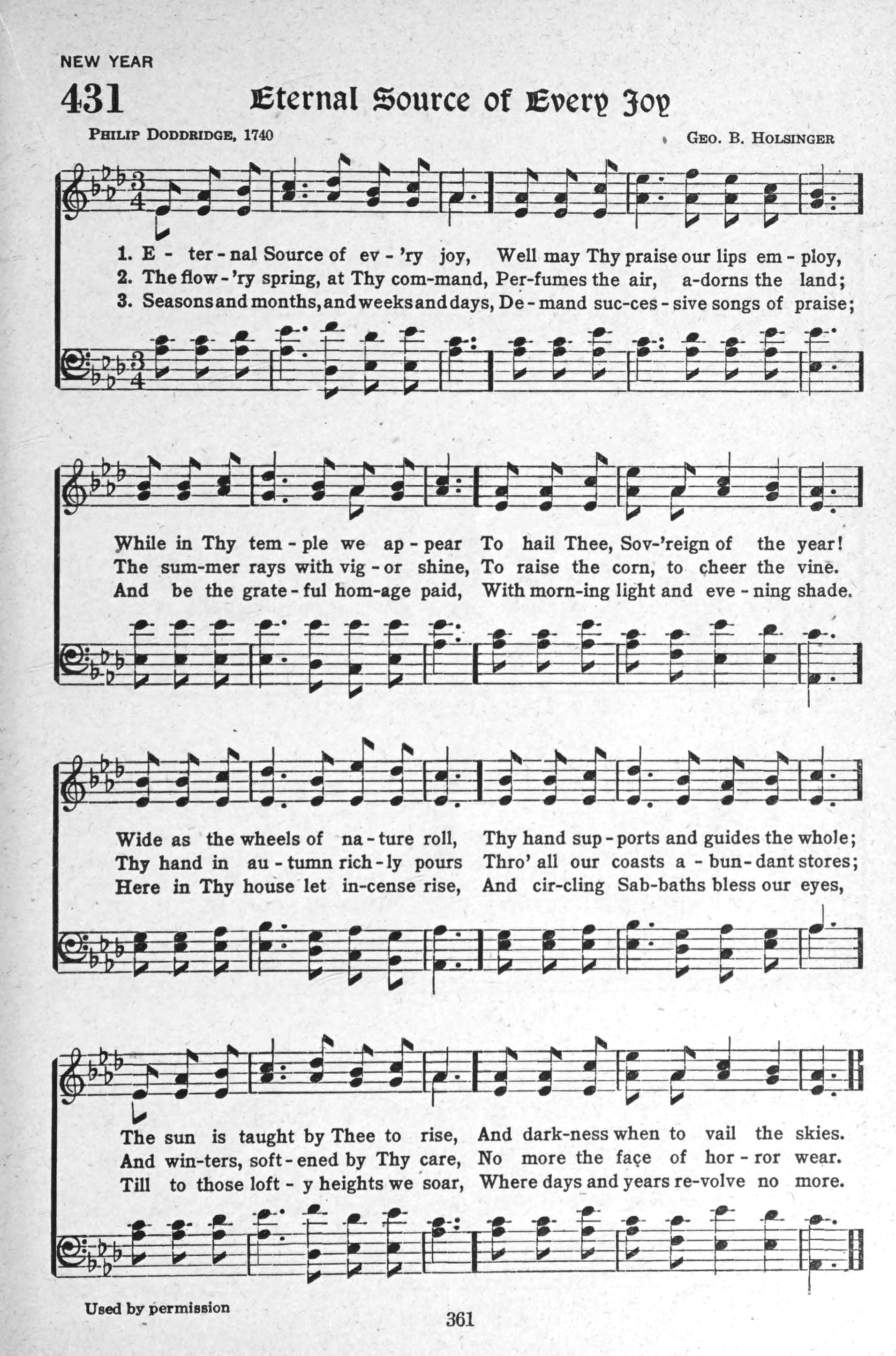
Read moreStaff Visualizer
Open in MIDI StudioPowered by HTML MIDI PLAYER, MIDI FILE Made by Hymnal Library. · Study chords & lyrics in MIDI Studio
Want weekly hymns and devotionals?
⭐ Recommend This Hymn
Share this beautiful hymn with others
This hymn also appears in these hymnals
Click a spine to pull out the hymnal, then open it.
Hymns with the same subject
More hymns about Creation, Eternal Life, Faithfulness of God, Gratitude, Hope, New Year, Praise, Prayer, Providence, Thanksgiving, Worship
- 10,000 Reasons (Bless the Lord) - Matt Redman and Jonas Myrin
- I Just Want to Thank You Lord - Robert Deel
- Creator of the World, to Thee - Charles Coffin
- Earth Below is Teeming - John S. B. Monsell
- Let All Things Now Living - Katherine Davis
- Heavenly Father, Hear Our Prayer - Barbara E. Adam
- O Praise Ye the Lord - H. W. Baker
- Sing Praise to the Lord - H. W. Baker
More hymn subjects
Explore other themes across the library.
Hymns about The Holy Trinity
Hymns about Marriage
Hymns about Protection
Hymns about Lent
Hymns about Nation
Hymns about Courage
Hymns about Judgment
Hymns about Morning
Browse all subjects →
Latest Updated Hymnals
-
Open
 Book of Common Praise (BoCP1915)Updated 1 day, 3 hours ago · 1915
-
Open
 The New Apostolic Church HymnalUpdated 6 days, 17 hours ago · 2008
-
Open
 400+ Christmas Carols Book: Sheet Music for PianoUpdated 1 week ago · 2014
-
Open
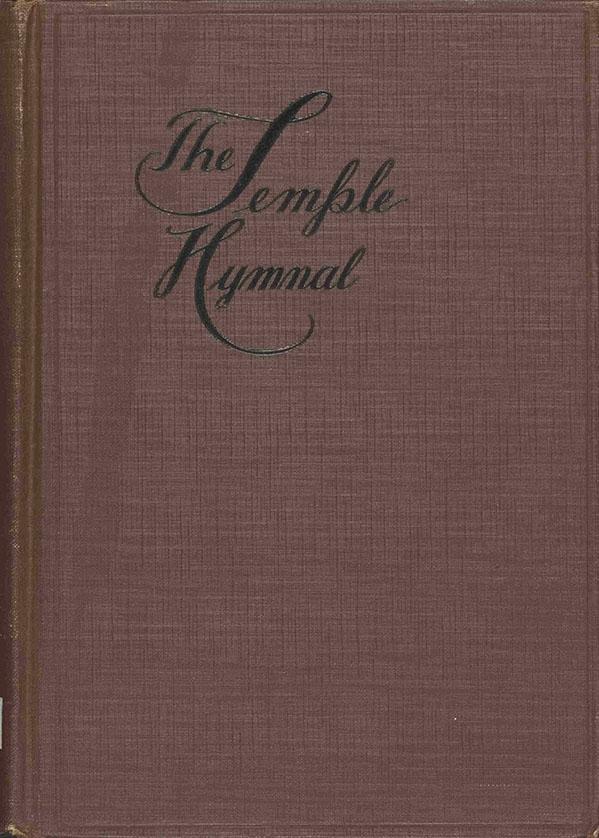 The Temple HymnalUpdated 1 week, 1 day ago · 1918
-
Open
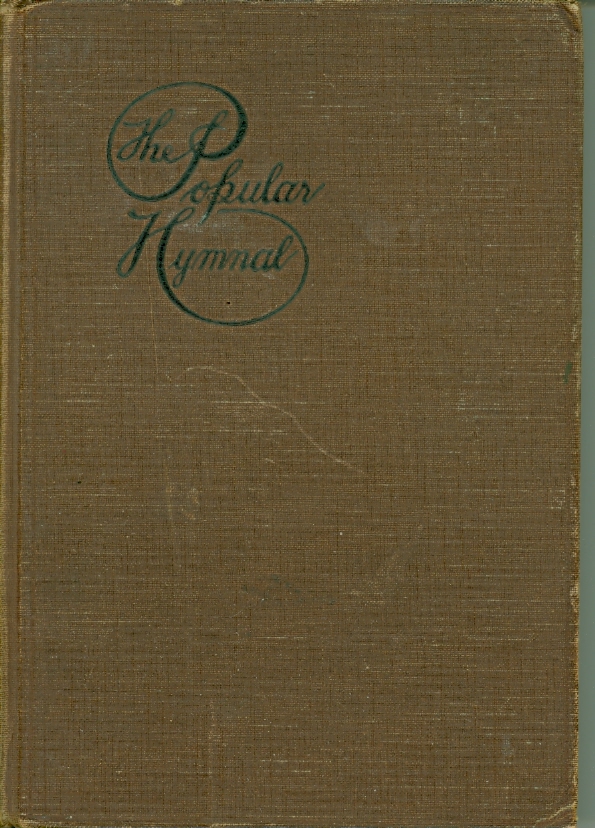 The Popular HymnalUpdated 1 week, 1 day ago · 1918
Hymn Information
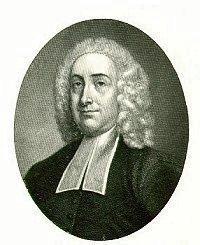
Click a linked name to open their biography.
MIDI File
Popular Hymns
Recent Blog Posts

Popular Blog Posts
-
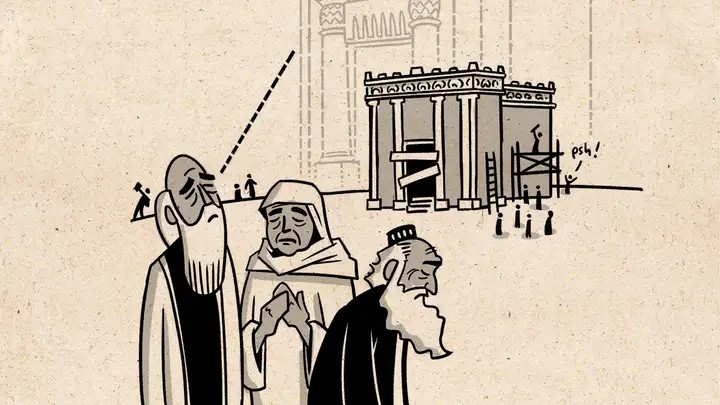 Lessons from the Book of Haggai: Putting God…5 months ago
-
 Easter vs Passover: How a Biblical Feast Bec…7 months ago
-
 The Full Story of the Birth of Jesus Christ:…10 months, 3 weeks ago
-
 The 30 Most Famous Christmas Hymns and Carols1 year, 2 months ago
-
 The Story Behind the Hymn “Amazing Grace”10 months, 2 weeks ago
Visit Us on Social Media
Latest from X (Twitter)
Tweets by HymnalLibraryLatest from Facebook
Latest on YouTube
Loading latest video...
Daily Bible Verse
Disclaimer
The hymns, sheet music, MIDI files, and related content on this website are provided for educational and research purposes only.
- Public Domain: Many of the hymns featured here are in the public domain and may be freely used.
- Copyrighted Works: Some hymns may still be under copyright protection. Where applicable, permission has either been requested from the copyright owner, or the content is shared under the principles of fair use for educational purposes.
⚠️ Important Notice: If you wish to reproduce, distribute, or use any copyrighted hymn beyond personal study or educational use, you must obtain permission directly from the copyright holder. This website does not grant any rights for commercial use yet.
If there is any other question please address it to us in our Contact Page, for further assistance. Thank you for using the site. May God Bless You.
Recently Added · Dictionary of Hymnology
Browse dictionary →
Can’t find a hymn or lyric?
Leave your question in the forum for others to answer — requests, missing lines, writers, and worship ideas welcome.