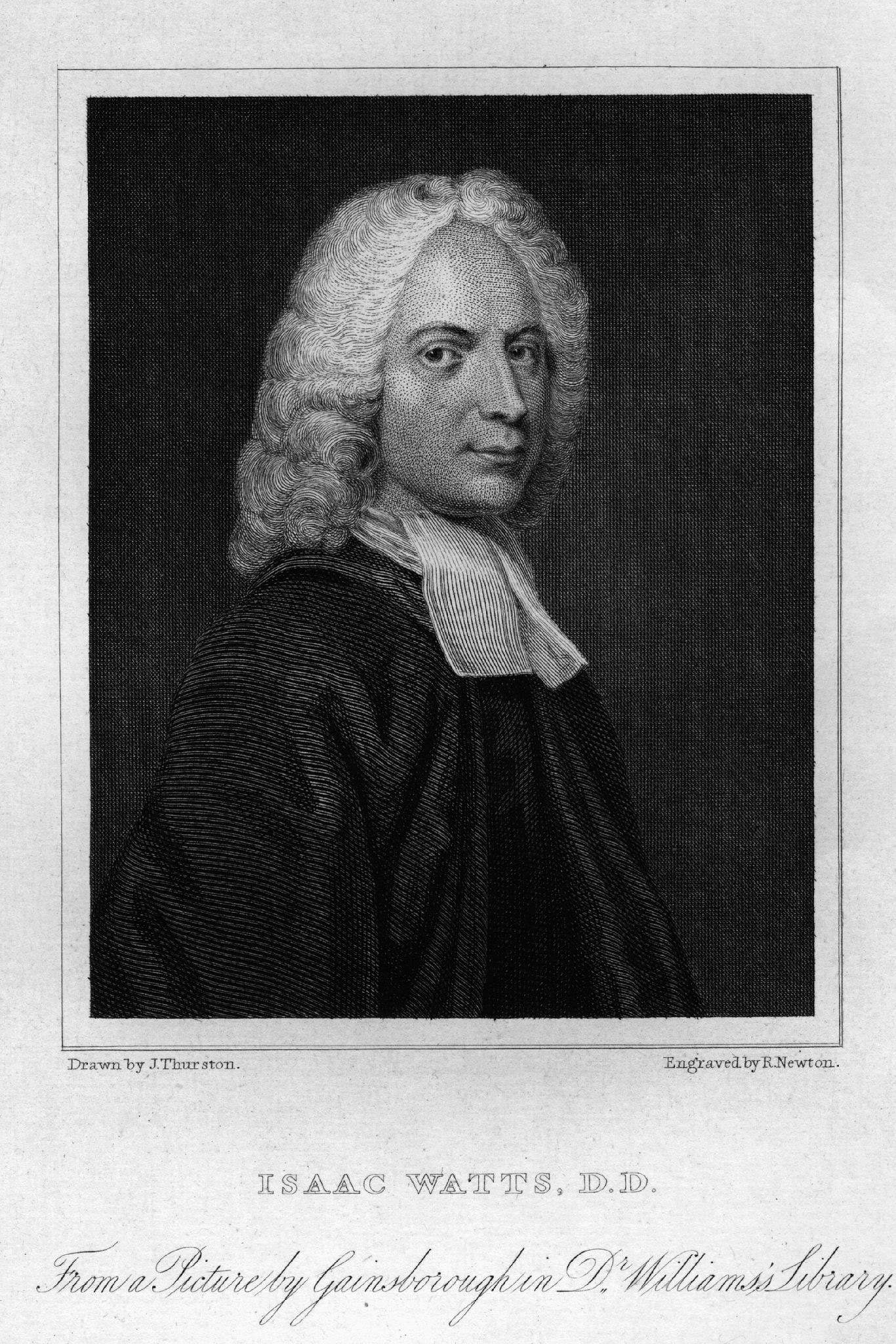
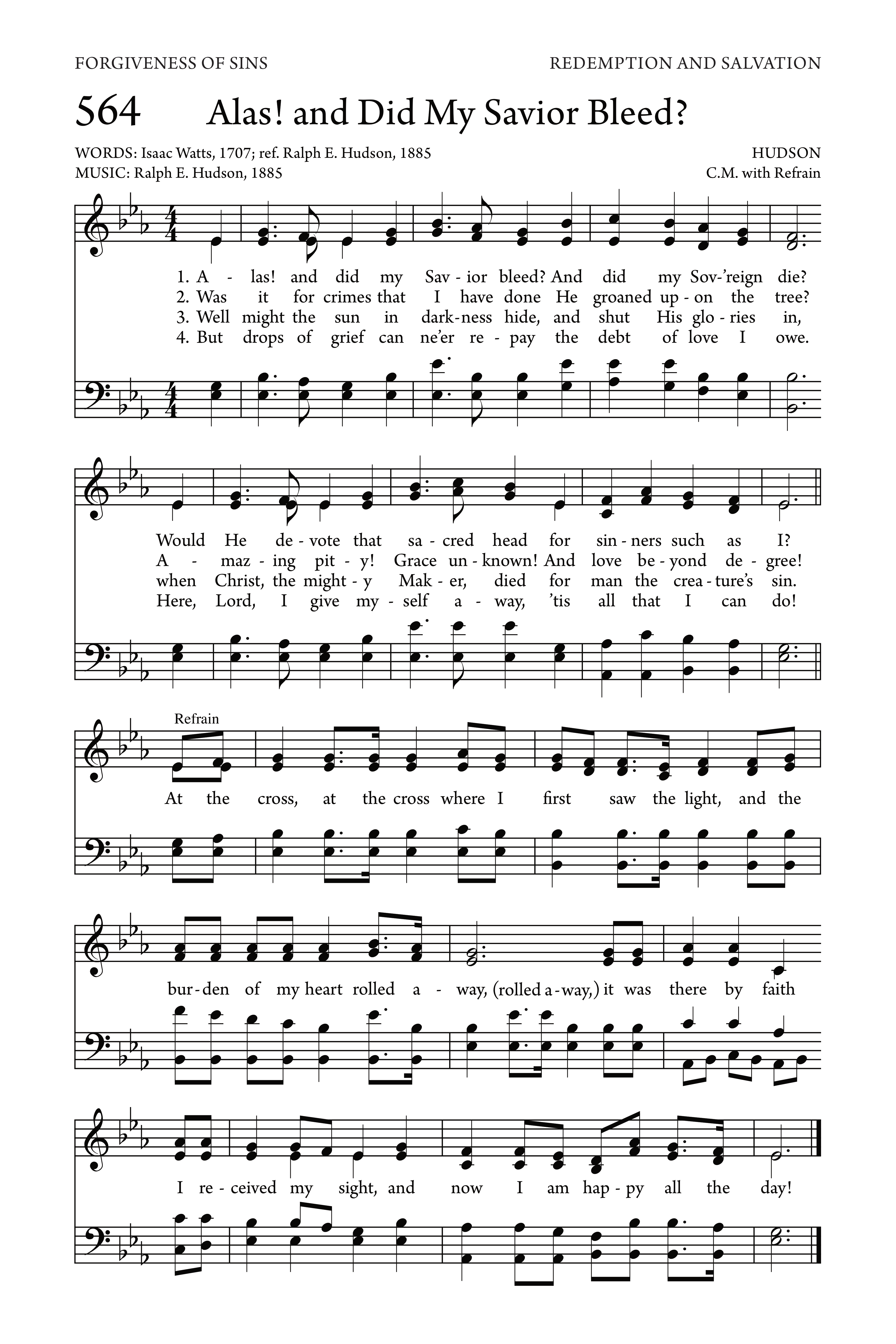




"Alas! and did my Saviour bleed" stands as one of the most influential devotional texts in English hymnody. Written by Isaac Watts and published in his landmark 1707 collection Hymns and Spiritual Songs (Book II, No. 9) under the heading "Godly sorrow arising from the Sufferings of Christ," the six-stanza hymn marked a revolutionary departure from the strict, formal psalm-singing that dominated early eighteenth-century worship. Watts introduced a deeply personal, emotional engagement with the suffering of Jesus, inviting the singer to stand at the foot of the cross in personal awe and repentance.
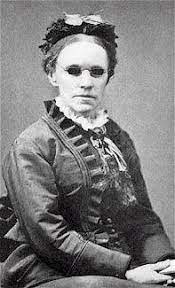
The hymn played a monumental role in American church history, most notably serving as the catalyst for the spiritual conversion of the prolific hymnwriter Fanny Crosby. On November 20, 1850, during a revival meeting at the Broadway Tabernacle in New York City, Crosby listened as the congregation sang Watts's final stanza: "Here, Lord, I give myself away, 'Tis all that I can do." Moved to tears by the absolute surrender expressed in those lines, she experienced a profound spiritual awakening that transformed her life and launched her own prolific hymnwriting career.
In 1885, American musician Ralph E. Hudson adapted Watts's text for camp-meeting revivals by adding a refrain and a new tune, creating the popular gospel hymn known worldwide as "At the Cross." Hudson's arrangement, beginning with the chorus "At the cross, at the cross where I first saw the light," propelled Watts's original verses to even greater global fame across evangelical denominations.
While traditional British and North American collections often omitted the second stanza in accordance with Watts's original optional note, the remaining verses retained their place in hundreds of hymnals across multiple continents. In 1871, the Reverend Richard Bingham translated a five-stanza adaptation into Latin verse titled "Anne fundens sanguinem" for his Hymnologia Christiana Latina, demonstrating the text's enduring theological appeal across liturgical traditions.
Related Hymns
Hymns in the library connected to this dictionary topic.
-
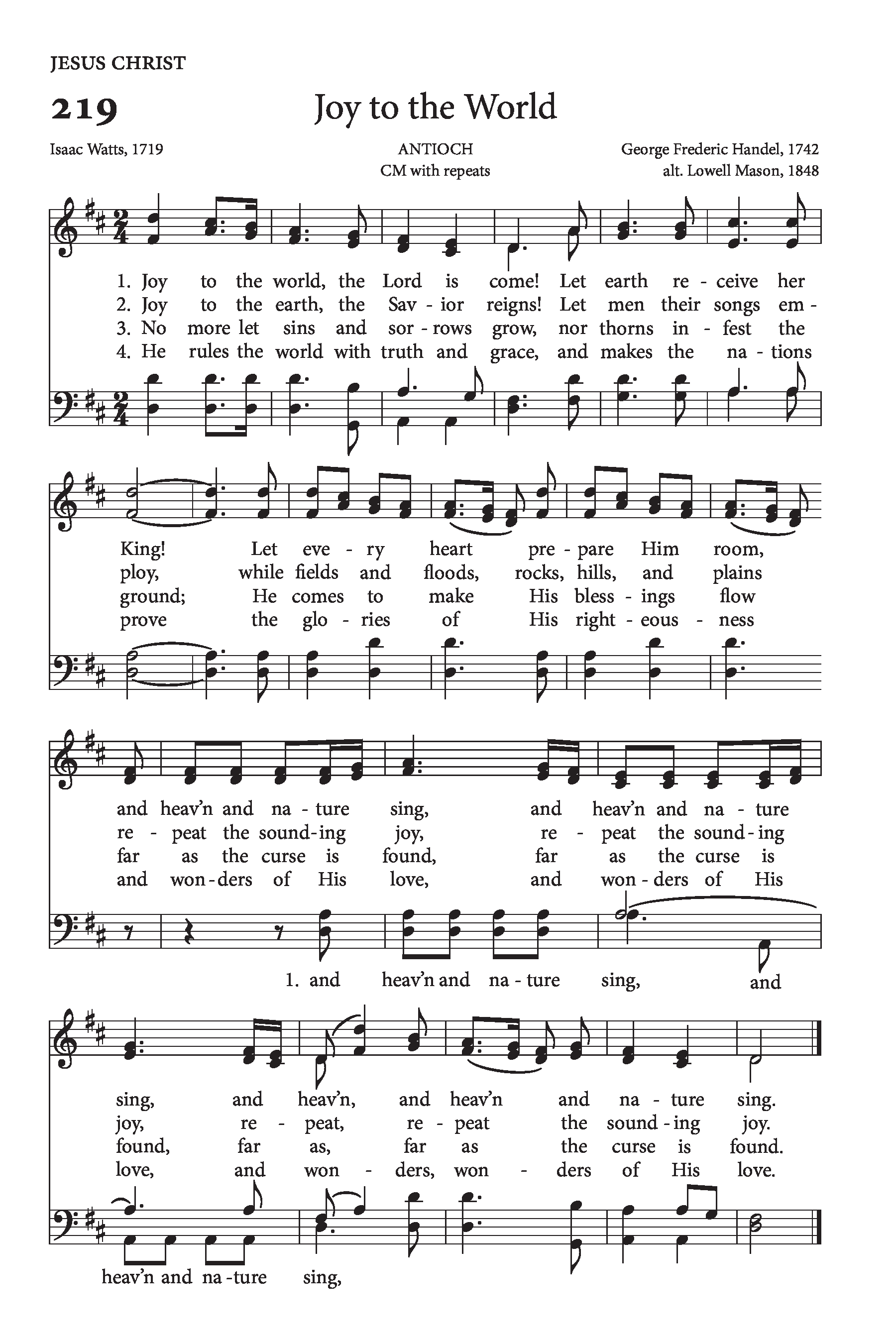
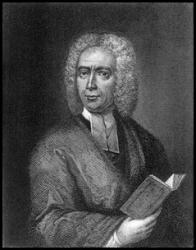 Joy to the World
-
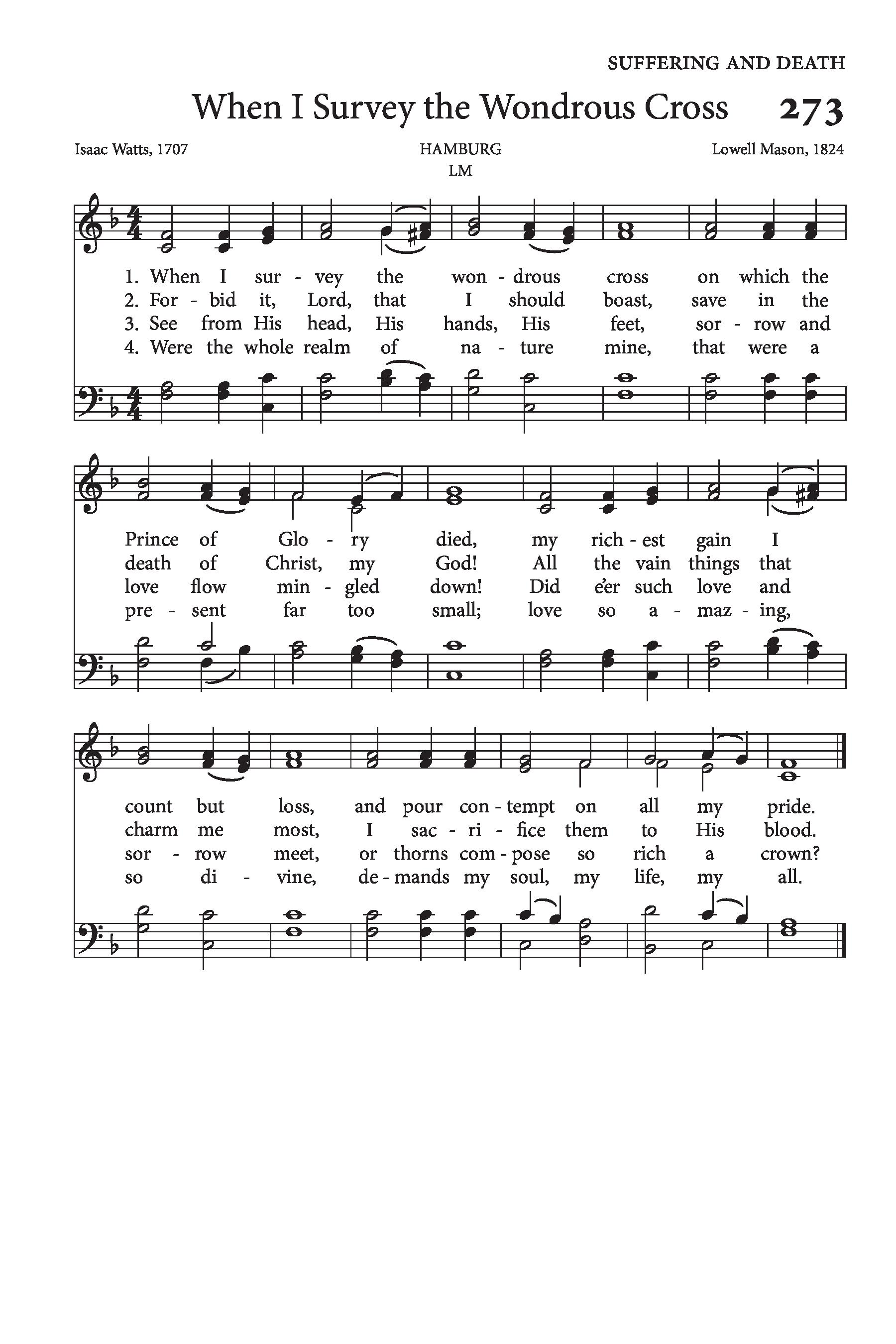
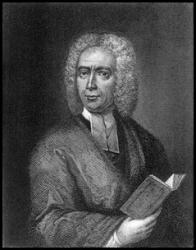 When I Survey the Wondrous Cross
-
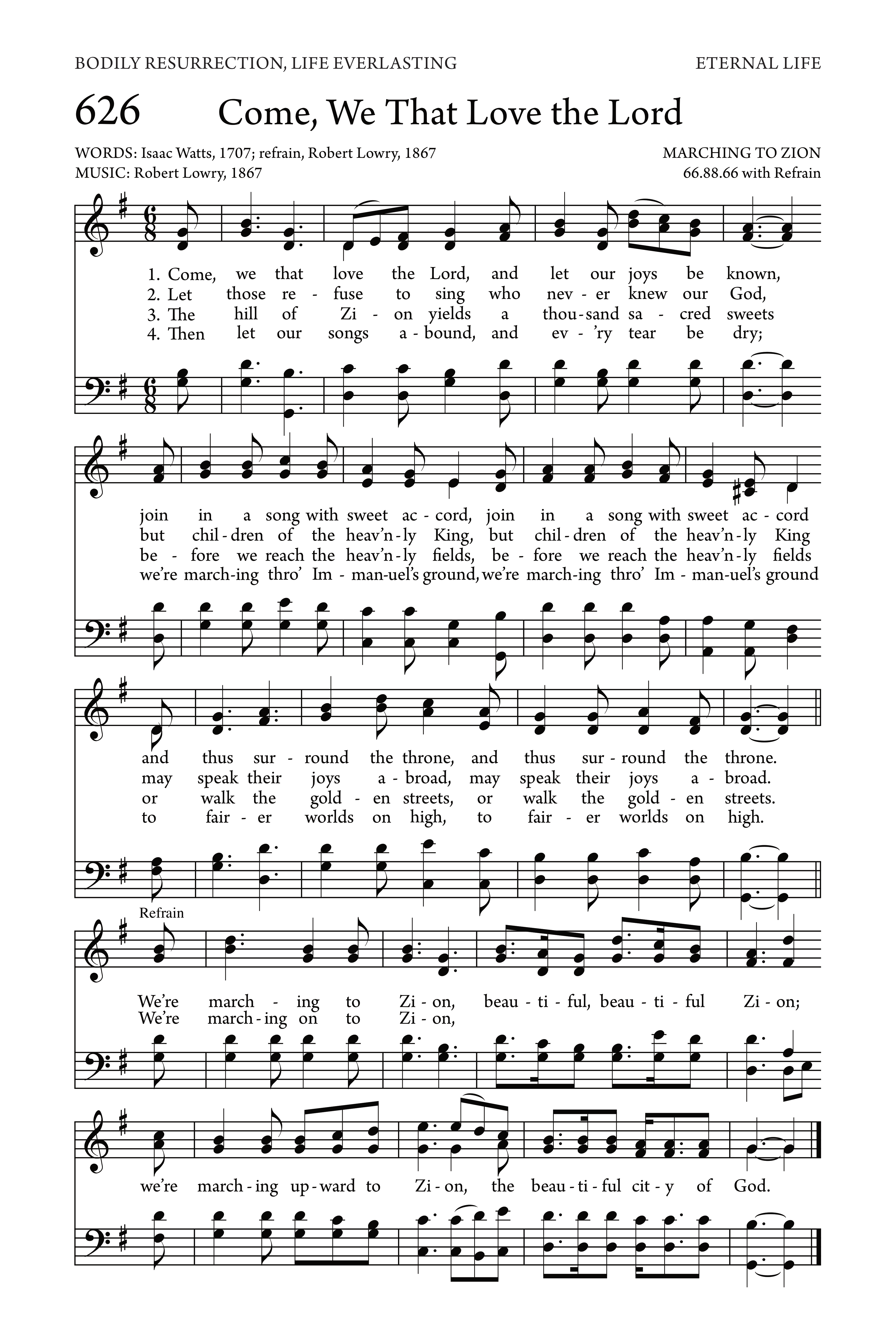
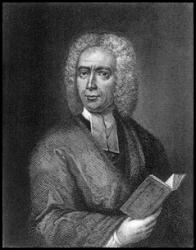 We're Marching To Zion
-
Alas! and Did My Savior Bleed
-
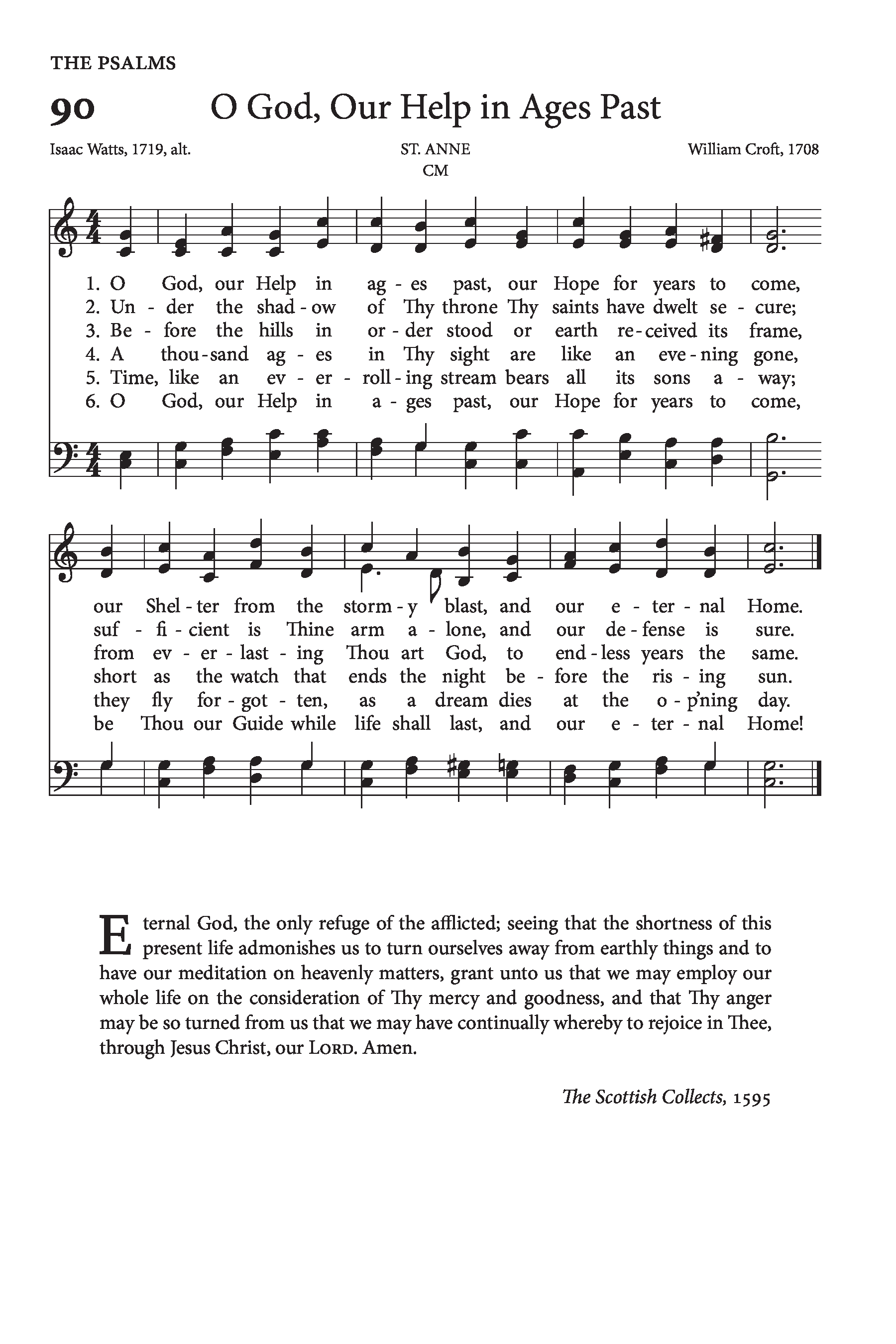
O God, Our Help in Ages Past
-
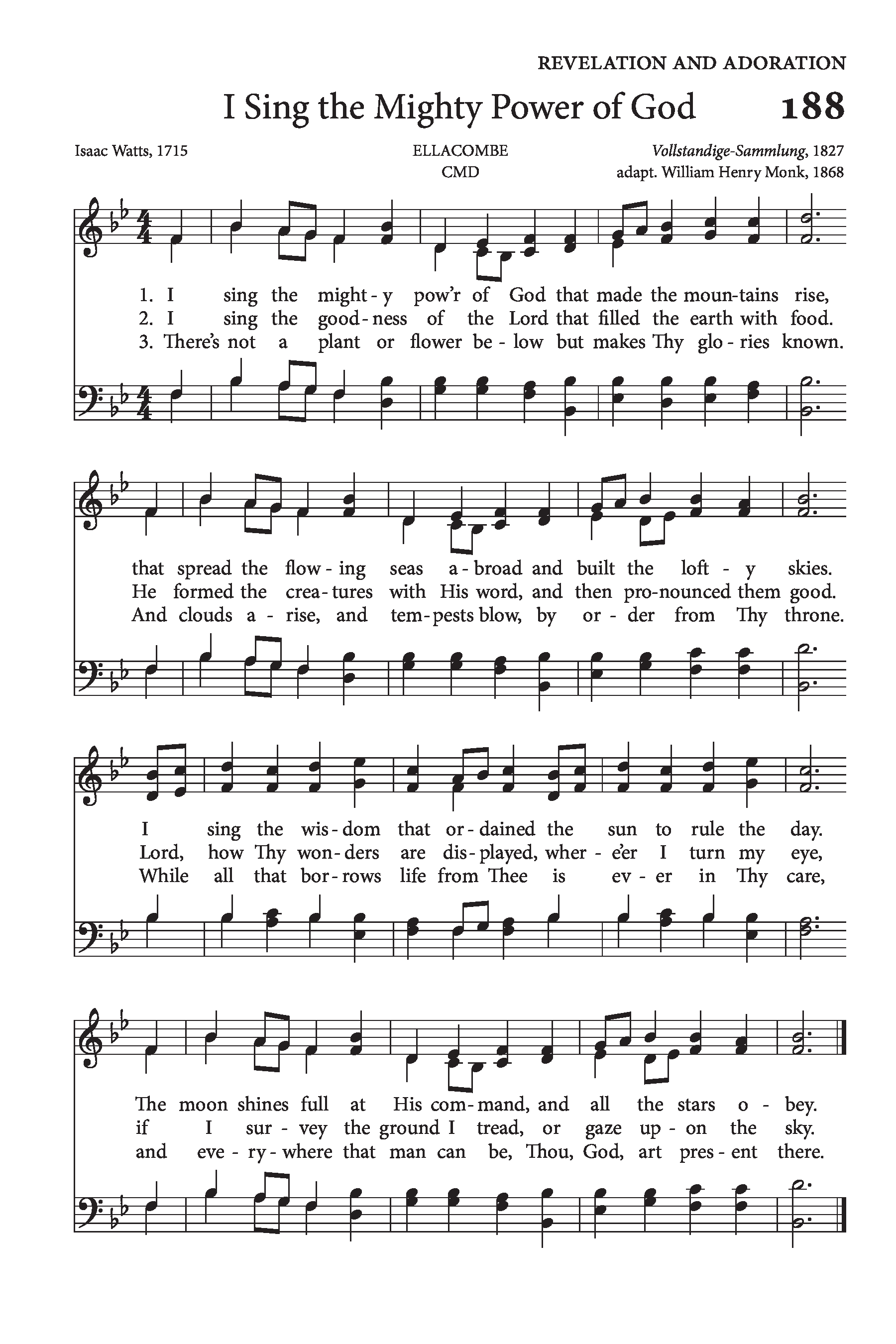
I Sing the Mighty Power of God
-
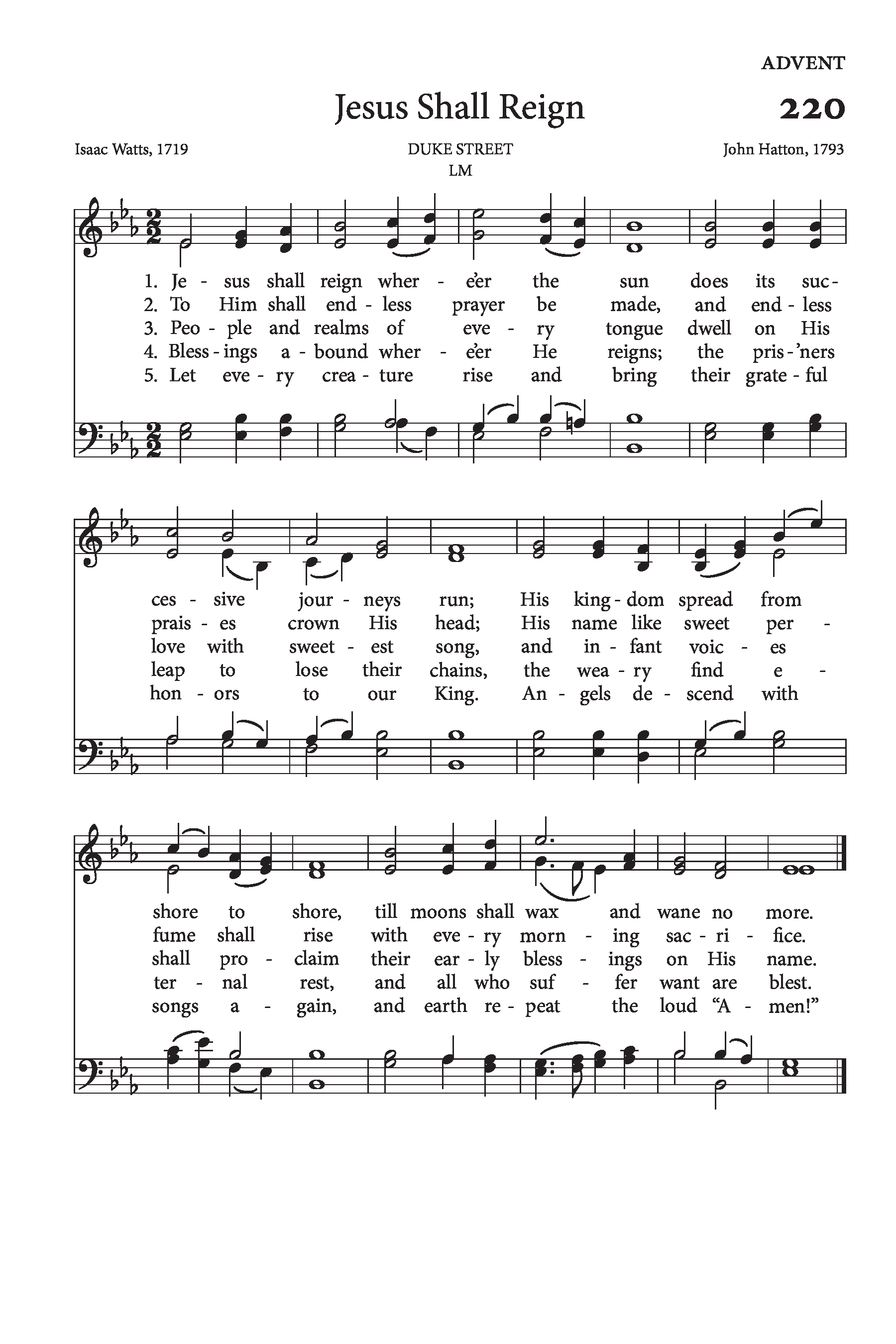
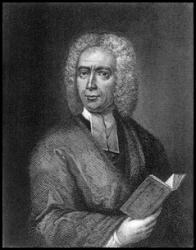 Jesus Shall Reign Where'er the Sun
-
My Shepherd Will Supply My Need
16 more related hymns below in the sheet gallery.
Related Hymn Sheets
3 shown at a time — use the arrows to browse all 24 sheets.
Related Authors
Writers connected to this dictionary topic.
Keywords
Related terms for this dictionary entry.
Recent Dictionary Entries
Newly added terms from the Dictionary of Hymnology.
If you notice any mistake or have suggestions, please contact us on our contact page.