


What Does It Mean to Be Overly Righteous? Un…
1 day, 6 hours ago
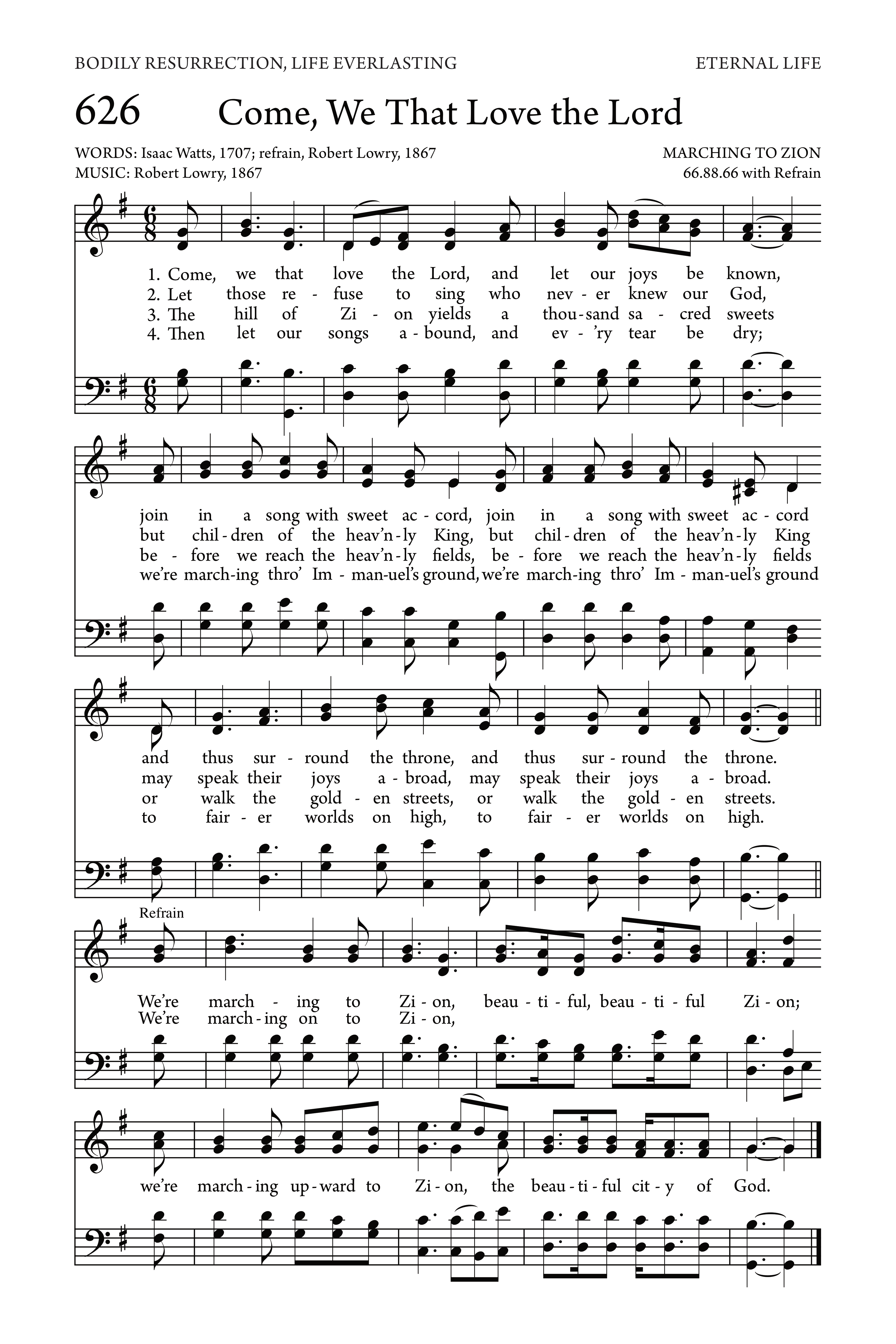
We're Marching To Zion
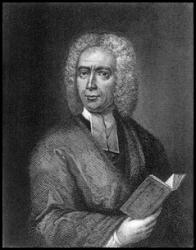
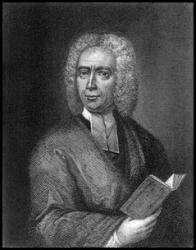
By Isaac Watts (1707)
Mark it for others looking for a hymn like this.
New
Lyrics
1. Come, we that love the Lord,
and let our joys be known;
join in a song with sweet accord,
and thus surround the throne.
and let our joys be known;
join in a song with sweet accord,
and thus surround the throne.
Refrain:
We’re marching to Zion,
Beautiful, beautiful, Zion:
We’re marching upward to Zion,
The beautiful city of God.
We’re marching to Zion,
Beautiful, beautiful, Zion:
We’re marching upward to Zion,
The beautiful city of God.
2. Let those refuse to sing
who never knew our God;
but children of the heav'nly King
may speak their joys abroad.
who never knew our God;
but children of the heav'nly King
may speak their joys abroad.
3. The hill of Zion yields
a thousand sacred sweets
before we reach the heav'nly fields,
or walk the golden streets.
a thousand sacred sweets
before we reach the heav'nly fields,
or walk the golden streets.
4. Then let our songs abound,
and every tear be dry;
we're marching through Emmanuel's ground
to fairer worlds on high.
and every tear be dry;
we're marching through Emmanuel's ground
to fairer worlds on high.
Bible Reference
Psalm 122:1
Lectionary & readings
Open today’s (or any date’s) assigned scriptures and find related hymns across church calendars. Useful when planning worship around this song’s themes or its Bible reference.
Hymn scripture: Psalm 122:1
About This Hymn
“Come, we that love the Lord, and let our joys be known,” begins this hymn by Isaac Watts, often called the “Father of English Hymnody.” The text is a call for believers to unite in joyful worship and walk together toward the heavenly Zion. It encourages Christians to join in singing, praising, and lifting their hearts, not only in anticipation of heaven but also in present fellowship with one another. The hymn emphasizes the unity and gladness of God’s people as they journey together, strengthened by love and faith.
The hymn’s common meter (8.6.8.6) makes it highly adaptable to a variety of tunes, the most famous pairing being with the melody “St. Thomas” and later with the lively American gospel tune “Marching to Zion” by Robert Lowry. This musical setting gave the hymn a distinct place in church history, becoming one of the most recognized processional and revival hymns.
Its enduring popularity lies in its combination of simple language, rich biblical imagery, and a triumphant refrain (in later musical settings) that celebrates the joy of Christian fellowship. Through its call to worship and reminder of the hope of heaven, “Come, We That Love the Lord” continues to inspire congregations to lift their voices in glad praise.
From the Dictionary of Hymnology
Related terms and concepts automatically matched to this hymn.
Come, we that love the Lord Hymn
Isaac Watts’s “Heavenly Joy on Earth” (1707/1709), ten stanzas. Wesley’s Charlestown form (1736–7) and Cotterill’s “Come ye who love the Lord” (1819) head the many altered texts in later books.
Read moreCome, let us join our cheerful songs Hymn
One of Watts’s best-known hymns (1707/1709) on Revelation 5 usually appears in four stanzas omitting “Let all that dwell above the sky”; Bingham supplies a Latin version.
Read moreAll ye that [who] love the Lord, rejoice Hymn
Isaac Watts’s paraphrase of Psalm cxlix., from his Psalms of David, 1719, titled “Praise God, all His saints; or, The Saints judging the World.” Most collections omit its final stanzas.
Read moreStaff Visualizer
Open in MIDI StudioPowered by HTML MIDI PLAYER, MIDI FILE Made by Hymnal Library. · Study chords & lyrics in MIDI Studio
Want weekly hymns and devotionals?
This hymn also appears in these hymnals
Click a spine to pull out the hymnal, then open it.
Hymns with the same subject
More hymns about Incarnation, Presence of God
- O Come, O Come, Emmanuel - J. M. Neale
- Hark! The Herald Angels Sing - Charles Wesley
- There Is a Fountain Filled with Blood - William Cowper
- O Little Town of Bethlehem - Phillips Brooks
- Gabriel's Message - S. Baring-Gould
- All Hail To Thee, Immanuel - D. R. Van Sickle
- The Sands of Time Are Sinking - A. R. Cousin
- 'tis Midnight; And On Olive's Brow - William B. Tappan
More hymn subjects
Latest Updated Hymnals
-
Open
 Book of Common Praise (BoCP1915)Updated 2 days, 23 hours ago · 1915
-
Open
 400+ Christmas Carols Book: Sheet Music for PianoUpdated 2 days, 23 hours ago · 2014
-
Open
 Psalms of GraceUpdated 4 days, 7 hours ago · 2022
-
Open
 Spurgeon's Own Hymn BookUpdated 4 days, 9 hours ago · 1866
-
Open
 The New Apostolic Church HymnalUpdated 3 weeks, 4 days ago · 2008
Hymn Information
Click a linked name to open their biography.
MIDI File
Popular Hymns
Recent Blog Posts


Popular Blog Posts
-
 Lessons from the Book of Haggai: Putting God…5 months, 3 weeks ago
-
 Easter vs Passover: How a Biblical Feast Bec…7 months, 2 weeks ago
-
 The Full Story of the Birth of Jesus Christ:…11 months, 1 week ago
-
 The 30 Most Famous Christmas Hymns and Carols1 year, 2 months ago
-
 The Story Behind the Hymn “Amazing Grace”11 months, 1 week ago
Visit Us on Social Media
Latest from X (Twitter)
Tweets by HymnalLibraryLatest from Facebook
Latest on YouTube
Loading latest video...
Daily Bible Verse
Disclaimer
The hymns, sheet music, MIDI files, and related content on this website are provided for educational and research purposes only.
- Public Domain: Many of the hymns featured here are in the public domain and may be freely used.
- Copyrighted Works: Some hymns may still be under copyright protection. Where applicable, permission has either been requested from the copyright owner, or the content is shared under the principles of fair use for educational purposes.
⚠️ Important Notice: If you wish to reproduce, distribute, or use any copyrighted hymn beyond personal study or educational use, you must obtain permission directly from the copyright holder. This website does not grant any rights for commercial use yet.
If there is any other question please address it to us in our Contact Page, for further assistance. Thank you for using the site. May God Bless You.
Can’t find a hymn or lyric?
Leave your question in the forum for others to answer — requests, missing lines, writers, and worship ideas welcome.