
Thanksgiving: What Is It, Where Did It Come From, and How Should Christians Celebrate It?
Thanksgiving originated as harvest festivals long practised by Native peoples and European settlers, but the familiar “Pilgrim and Indian” story is a late 19th‑century myth. The 1621 Plymouth event – described in Pilgrim Edward Winslow’s account – was a multi-day harvest feast with Wampanoag guests, not an annual sacred holiday. Over the 18th and 19th centuries, various American communities held days of thanksgiving (Washington proclaimed one in 1789), and in 1863 Lincoln, urged by Sarah Josepha Hale, fixed the last Thursday of November as a national Thanksgiving “Day of Thanksgiving and Praise”. Indigenous voices were largely absent from this narrative. Today, many Native Americans instead observe a National Day of Mourning to protest how Thanksgiving has glossed over land theft and genocide.
|
|

The origins of Thanksgiving trace back to seasonal harvest festivals in many cultures. In New England, early Plymouth colonists (and earlier Jamestown settlers) held days of prayer and feast whenever crops succeeded, or calamity passed. Pilgrim leaders – devout Separatists who had fled to Holland and then America to worship freely – believed God’s providence led them, so they gave thanks after surviving the first harsh winter. Edward Winslow’s 1621 letter describes how, once they gathered their harvest, Governor Bradford sent men “on fowling,” and the colonists “rejoyced together” for days. Native Wampanoag guests led by Chief Massasoit brought deer and joined the feasting. But as modern scholarship emphasizes, this was a one‑time harvest celebration, not an instituted church holiday. The event was described in glowing terms (“we are so farre from want, that we often wish you partakers of our plentie”), yet contemporaries did not establish an annual civic festival. Bradford’s own Of Plymouth Plantation and Winslow’s account make clear this was essentially a communal thanksgiving meal. Importantly, long before Europeans arrived, Indigenous nations such as the Wampanoag had rich thanksgiving traditions tied to seasonal ceremonies. Their alliance in 1621 was as much a political treaty (“to protect their own tribe”) as a friendly visit, and bloodshed and dispossession followed as colonists multiplied.
In the 19th century, Thanksgiving evolved gradually into a national holiday. The Revolutionary-era Congress decreed occasional national thanksgivings; George Washington proclaimed Oct. 3, 1789, a day to “thank and beseech the favor of almighty God” for the new Constitution. But each state then chose its own date. In the 1840s-50s, Sarah Josepha Hale (editor of Godey’s Lady’s Book) campaigned for a unified date, publishing articles and letters for 17 years. In 1863, with the Civil War grinding on, Hale wrote Lincoln, urging a “fixed Union Festival” of thanksgiving. Lincoln responded with the famous Proclamation of Oct. 3, 1863, inviting citizens to set apart “the last Thursday of November… as a day of Thanksgiving and Praise to our beneficent Father”. He praised “blessings of fruitful fields and healthful skies” while the war raged, calling for a humble penitence and prayers for war sufferers. This proclamation institutionalized a nationwide observance (though during FDR’s era the date shifted briefly). Finally, in 1941 Congress fixed Thanksgiving as the fourth Thursday of November, cementing it as a federal holiday. Thus, from sporadic New England harvest feasts (like 1621) to the Civil War “thanksgiving and praise”, the holiday grew through patriots, politicians, and popular tradition.
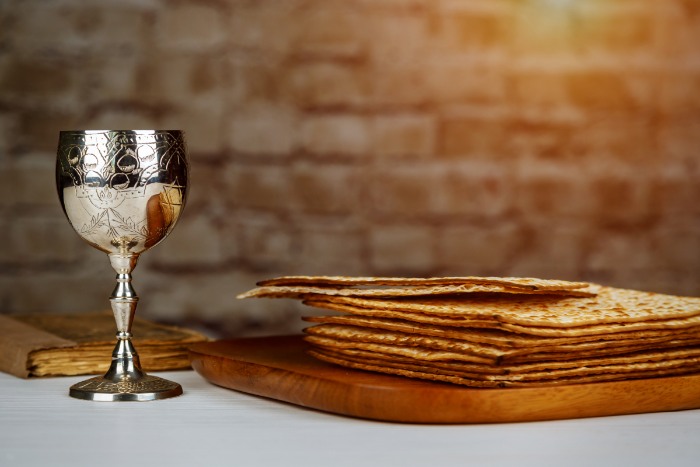
While Thanksgiving as a federal holiday has secular and patriotic trappings, many Christians today ask how to see it theologically. The Bible never commands a national “Thanksgiving Day,” but it is rich in giving thanks to God. Verses like “Enter his gates with thanksgiving, and his courts with praise” (Psalm 100:4) and “In everything give thanks” (1 Thessalonians 5:18) show that gratitude is a core attitude of faith. Scripture recalls God’s providential gifts (James 1:17) and encourages generosity in return (Deut. 8:18, 2 Cor 9:11). Even in lament, the Israelites praise God for rescue (e.g., Hannah’s psalm, Habakkuk’s prayer). In Christian theology, thanksgiving is linked to remembering God’s salvation story. Some writers note that Jewish todah offerings (thanksgiving sacrifices) and the Passover’s sacrificial themes foreshadow how the Eucharist is a “thanksgiving” for deliverance. As Fr. Dwight Longenecker observes, the pilgrim journey can be seen as a kind of Exodus narrative of deliverance, so Thanksgiving’s “theology is the theology of Passover”, not just counting blessings, but celebrating rescue and grace. In short, gratitude in Scripture is not just for good crops or peace, but ultimately for God’s covenant faithfulness and the gospel itself. Believers are to thank God in all circumstances (Philippians 4:6, Colossians 3:17, etc.), recognizing that even hardship is used by God for spiritual good (Romans 8:28).
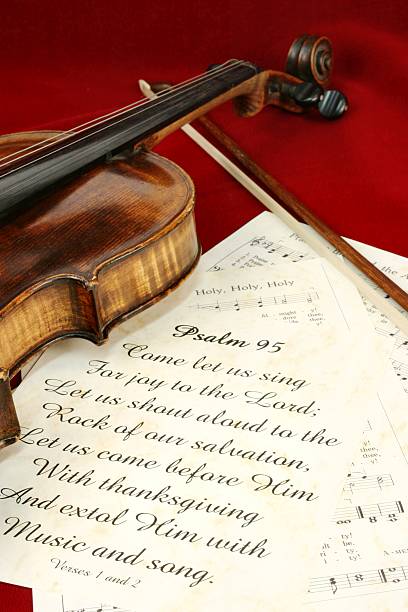
Practically, Christians celebrating Thanksgiving can centre their observance on worship and generosity. Many churches hold a special service of thanksgiving, using Psalms like 65 or 95 and prayers that enumerate God’s gifts. For example, some traditions offer a litany: “Mighty God of mercy, we thank you… especially for the beauty of your creation, the new creation in Christ, the sustaining love of family and friends, and the fellowship of your church”. Another prayer reminds us that “all that we are, and all that we have, is a trust from you… and so in gratitude for all your gifts, we offer you ourselves, and all that we have”. Families might begin the Thanksgiving meal with prayer, each person naming a specific blessing from the past year. Children can learn to join in giving thanks, perhaps writing notes of gratitude or reading Scripture verses of thanks (e.g., Psalm 107:1 “O give thanks to the LORD, for he is good…”). Sharing testimony is also fitting: elders can recount how God provided in difficulty, and parents can point young children to Jesus as the greatest gift. Importantly, biblically grounded thanksgiving looks beyond personal enjoyment to outward generosity. Families might invite a lonely neighbor or set aside part of their feast for someone in need. Thanksgiving can be marked by giving – donating food, funding a mission, or otherwise caring for the poor – in the spirit of Proverbs 22:9 (“Whoever has a bountiful eye will be blessed, for he shares his bread with the poor”). In short, Christians should let Thanksgiving inspire worship (prayers, Scripture, praise) and turn gratitude into service.
Christians should also be cautious about conflating Thanksgiving with unreflective patriotism or consumerism. The holiday’s national story can slip into nationalist myth. Theologian Miroslav Volf warns that when faith aligns with an “exclusive nationalism,” even God can become a tribal idol rather than “the creator and lover of all people”. In practice, believers should distinguish gratitude for God’s providence in their nation from idolatrous pride in country. Likewise, the frantic shopping after Thanksgiving (Black Friday) can drown out thankfulness. Christians are urged to keep thanksgiving a heart posture, not a seasonal fad. The very next day’s consumerism should be engaged in a worshipful way (e.g., “Thank God for provision,” pray over purchases, remember the needy) rather than a greed-filled frenzy. In these ways, believers maintain an “everyday Thanksgiving” mentality, fulfilling Paul’s instruction to “rejoice always, pray without ceasing, [and] give thanks in everything” (1 Thess. 5:16–18).
Finally, different Christian communities approach Thanksgiving with varied emphasis. Most Protestant congregations are happy to celebrate a Harvest Festival or a Thanksgiving service with hymns, prayers, and perhaps a food drive. Catholic and Orthodox traditions do not have a fixed national holiday, but they often adopt the day for morning prayers and charity work. Some strictly pietist or secular-minded Christians might downplay the holiday, focusing instead on ongoing gratitude. But broadly, pastoral guidance is to treat Thanksgiving as an opportunity, not a duty: to lead families in Christ-centred reflection, humility (acknowledging sin and God’s mercy as Lincoln did), and joy. Some Protestant pastors give sermons on gratitude’s theology; others might incorporate Eucharistic prayers of thanks, reflecting that the word “Eucharist” means thanksgiving. Liturgy writers have compiled prayers for the occasion – for example, the Presbyterian Book of Common Worship includes a “Thanksgiving for Provision” prayer thanking God for earth’s bounty. Quiet retreats or days of fasting before the feast can refocus hearts on spiritual communion rather than feast preparation. In any case, the pastoral goal is to point thanksgiving beyond the turkey: toward acknowledging Christ, the Giver of all grace (1 Pet. 5:10).
Christians can celebrate Thanksgiving by intentionally honouring God’s goodness. Historical study shows honesty about the past – remembering the Wampanoag ally Massasoit, who briefly shared 1621’s harvest, while not romanticising a relationship that led to colonisation. Indigenous scholars like Linda Coombs remind us, “Thanksgiving is celebrated at the expense of Native Peoples”, and Native observances (like the National Day of Mourning) encourage empathetic remembrance. We honour that burden by praying for justice and peace, including with those whom history has wronged. We also rejoice that the deepest thanksgiving transcends nation or time: thanking God for salvation in Christ and for every merciful providence. A Thanksgiving meal is brief, but the Bible teaches a thankful heart is meant to endure forever. If Christians ensure our celebrations are woven with Scripture, prayer, hospitality, and generosity, then our Thanksgiving traditions, even the national holiday, can truly become opportunities to praise “the LORD for he is good, and his mercy endures forever” (Psalm 107:1).









No comments yet. Be the first to share your thoughts!