10 Famous Hymns That Were Published Posthumo…
6 days, 5 hours ago
Praise to God for His Goodness and Truth
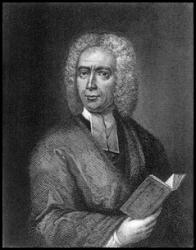
By Isaac Watts (1719)
Lyrics
1. I’ll praise my Maker with my breath,
and when my voice is lost in death,
praise shall employ my noblest pow'rs;
my days of praise shall ne'er be past,
while life, and thought, and being last,
or immortality endures.
and when my voice is lost in death,
praise shall employ my noblest pow'rs;
my days of praise shall ne'er be past,
while life, and thought, and being last,
or immortality endures.
2. Why should I make a man my trust?
Princes must die and turn to dust;
vain is the help of flesh and blood:
their breath departs, their pomp and pow'r,
and thoughts all vanish in an hour,
nor can they make their promise good.
Princes must die and turn to dust;
vain is the help of flesh and blood:
their breath departs, their pomp and pow'r,
and thoughts all vanish in an hour,
nor can they make their promise good.
3. Happy the man whose hopes rely
on Israel's God; He made the sky,
and earth and seas, with all their train;
His truth for ever stands secure;
He saves th'oppressed, He feeds the poor,
and none shall find His promise vain.
on Israel's God; He made the sky,
and earth and seas, with all their train;
His truth for ever stands secure;
He saves th'oppressed, He feeds the poor,
and none shall find His promise vain.
4. The LORD hath eyes to give the blind;
the LORD supports the sinking mind;
He sends the lab'ring conscience peace,
He helps the stranger in distress,
the widow and the fatherless,
and grants the pris'ner glad release.
the LORD supports the sinking mind;
He sends the lab'ring conscience peace,
He helps the stranger in distress,
the widow and the fatherless,
and grants the pris'ner glad release.
5. He loves His saints, He knows them well,
but turns the wicked down to hell;
thy God, O Zion, ever reigns;
let every tongue, let every age,
in this exalted work engage;
praise Him in everlasting strains.
but turns the wicked down to hell;
thy God, O Zion, ever reigns;
let every tongue, let every age,
in this exalted work engage;
praise Him in everlasting strains.
6. I’ll praise Him while He lends me breath;
and when my voice is lost in death,
praise shall employ my noblest pow'rs;
my days of praise shall ne'er be past,
while life and thought and being last,
or immortality endures.
and when my voice is lost in death,
praise shall employ my noblest pow'rs;
my days of praise shall ne'er be past,
while life and thought and being last,
or immortality endures.
Bible Reference
Psalm 100:5; Psalm 117:2; Psalm 136:1; Psalm 89:1-2
Lectionary & readings
Open today’s (or any date’s) assigned scriptures and find related hymns across church calendars. Useful when planning worship around this song’s themes or its Bible reference.
Hymn scripture: Psalm 100:5; Psalm 117:2; Psalm 136:1; Psalm 89:1-2
About This Hymn
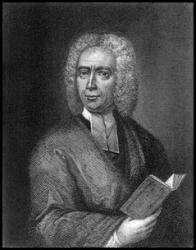
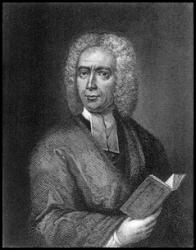
“Praise to God for His Goodness and Truth” is a hymn by Isaac Watts, one of the most influential hymn writers in the English-speaking church. This hymn is based on the Psalms and reflects Watts’ desire to bring the language of Scripture into clear and expressive Christian worship. His work often paraphrased and expanded biblical texts so that congregations could sing them with understanding and devotion.
The central theme of this hymn is the enduring goodness and truth of God. Psalm 100:5 declares, “For the Lord is good; his mercy is everlasting; and his truth endureth to all generations” (KJV). Watts builds upon this truth, calling believers to praise God not only for His kindness but also for His faithfulness. God’s goodness is seen in His care and provision, while His truth assures that His promises never fail.
Psalm 117:2 emphasizes that the truth of the Lord endures forever. This eternal faithfulness is a source of comfort and confidence for believers. Watts highlights that God’s character does not change, and therefore His people can trust Him in every generation. The hymn invites worshippers to respond with gratitude and praise because of this unchanging nature.
Another key aspect of the hymn is thanksgiving. Psalm 136:1 calls believers to give thanks unto the Lord, for He is good, for His mercy endureth forever. Watts echoes this repeated refrain of Scripture by emphasizing the continual nature of God’s mercy. His lovingkindness is not temporary or uncertain but constant and reliable.
Psalm 89:1-2 speaks of singing of the mercies of the Lord forever and making known His faithfulness to all generations. This idea is reflected in the hymn’s purpose, which is to proclaim God’s goodness and truth both in worship and in testimony. Praise is not only an inward expression but also a declaration to others of who God is.
“Praise to God for His Goodness and Truth” exemplifies Isaac Watts’ contribution to hymnody, combining strong biblical foundations with clear and accessible language. The hymn encourages believers to reflect on the character of God and to respond with joyful praise. Through its focus on divine goodness, enduring truth, and faithful mercy, it leads the church to worship God with confidence, knowing that His promises stand firm forever.
From the Dictionary of Hymnology
Related terms and concepts automatically matched to this hymn.
All ye that [who] love the Lord, rejoice Hymn
Isaac Watts’s paraphrase of Psalm cxlix., from his Psalms of David, 1719, titled “Praise God, all His saints; or, The Saints judging the World.” Most collections omit its final stanzas.
Read moreCome, let us join our cheerful songs Hymn
One of Watts’s best-known hymns (1707/1709) on Revelation 5 usually appears in four stanzas omitting “Let all that dwell above the sky”; Bingham supplies a Latin version.
Read moreCome, we that love the Lord Hymn
Isaac Watts’s “Heavenly Joy on Earth” (1707/1709), ten stanzas. Wesley’s Charlestown form (1736–7) and Cotterill’s “Come ye who love the Lord” (1819) head the many altered texts in later books.
Read moreStaff Visualizer
Open in MIDI StudioPowered by HTML MIDI PLAYER, MIDI FILE Made by Hymnal Library. · Study chords & lyrics in MIDI Studio

Want weekly hymns and devotionals?
⭐ Recommend This Hymn
Share this beautiful hymn with others
This hymn also appears in these hymnals
Click a spine to pull out the hymnal, then open it.
Hymns with the same subject
More hymns about Adoration, Incarnation, Praise
- Thou Who Wast Rich beyond All Splendor - Frank Houghton
- Praise to the Holiest in the height - John Henry Newman
- Praise We the Lord this Day - Anonymous
- Pange, Lingua Gloriosi - Thomas Aquinas
- How Great Thou Art - Carl Boberg
- Doxology (Praise God From Whom All Blessings Flow) - Thomas Ken
- O Come, O Come, Emmanuel - J. M. Neale
- 10,000 Reasons (Bless the Lord) - Matt Redman and Jonas Myrin
More hymn subjects
Explore other themes across the library.
Hymns about Harvest
Hymns about Fellowship
Hymns about Comfort
Hymns about Sanctification
Hymns about Atonement
Hymns about Lord's Day
Hymns about Witnessing
Hymns about Prayer
Browse all subjects →
Recently Added Hymns
-
 Joy Fills Our Inmost Hearts TodayW. Chatterton Dix 1865
-
 Bright Angel Hosts Are Heard on HighRichard Robert Chope circa. 1870s
-
 In the Early Morning, Early (Christmas Morning)Frederick George Lee circa. 1880s
-
 A Boy Is Born In BethlehemAnonymous circa. 1400s
-
 A Shepherd Band Their Flocks Are Keepingunknown circa. 1860s
Latest Updated Hymnals
-
Open
 The New Apostolic Church HymnalUpdated 4 days, 10 hours ago · 2008
-
Open
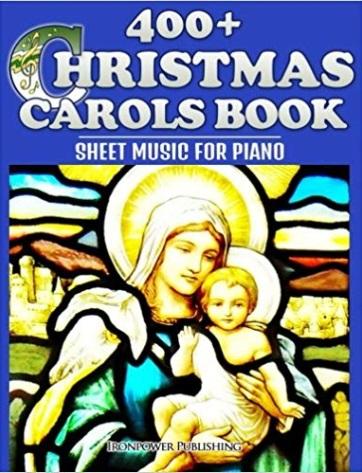 400+ Christmas Carols Book: Sheet Music for PianoUpdated 5 days, 12 hours ago · 2014
-
Open
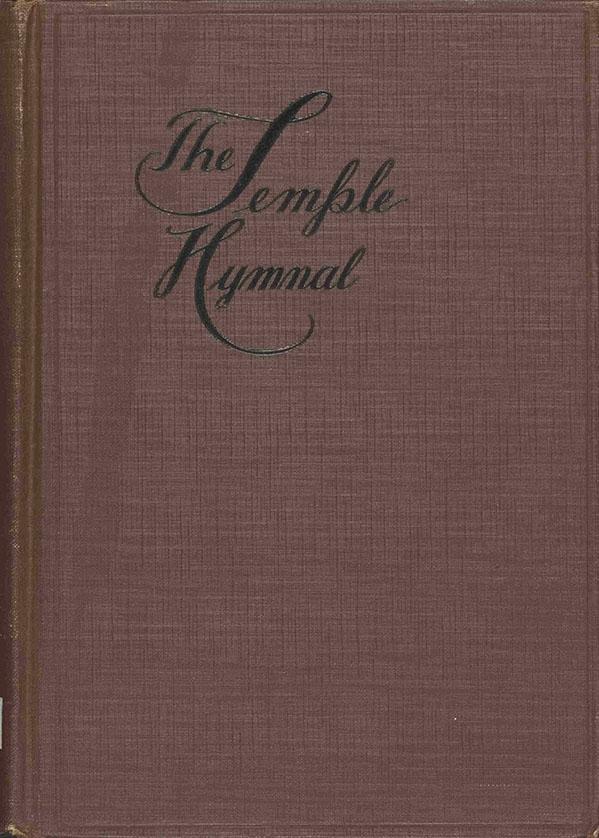 The Temple HymnalUpdated 5 days, 20 hours ago · 1918
-
Open
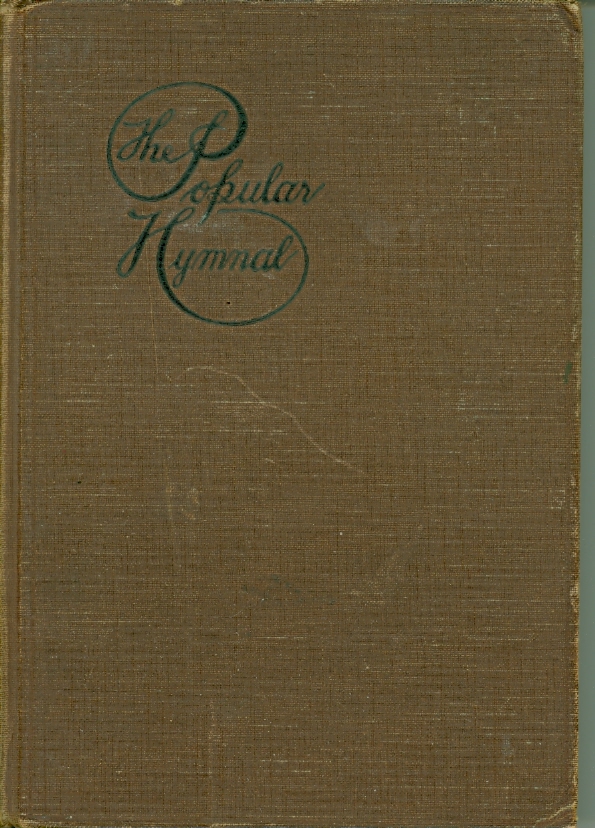 The Popular HymnalUpdated 5 days, 20 hours ago · 1918
-
Open
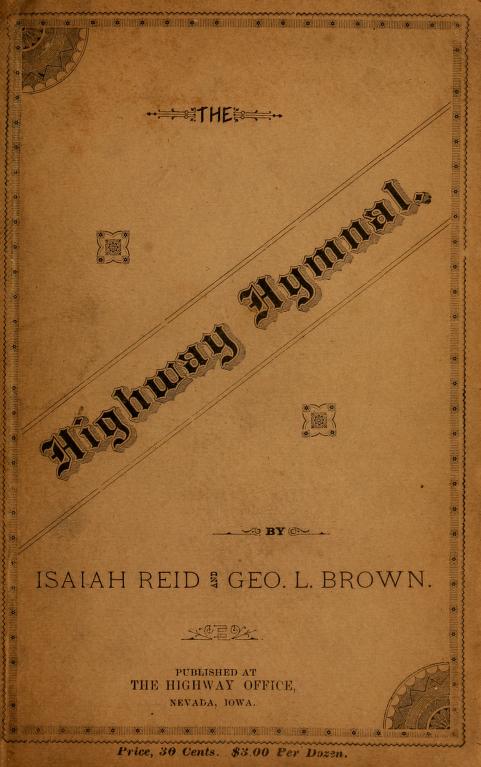 The Highway HymnalUpdated 5 days, 21 hours ago · 1886
Hymn Information
Click a linked name to open their biography.
MIDI File
Popular Hymns
Recent Blog Posts




Popular Blog Posts
-
 Lessons from the Book of Haggai: Putting God…4 months, 4 weeks ago
-
 Easter vs Passover: How a Biblical Feast Bec…6 months, 4 weeks ago
-
 The Full Story of the Birth of Jesus Christ:…10 months, 2 weeks ago
-
 The 30 Most Famous Christmas Hymns and Carols1 year, 2 months ago
-
 The Story Behind the Hymn “Amazing Grace”10 months, 2 weeks ago
Visit Us on Social Media
Latest from X (Twitter)
Tweets by HymnalLibraryLatest from Facebook
Latest on YouTube
Loading latest video...
Daily Bible Verse
Disclaimer
The hymns, sheet music, MIDI files, and related content on this website are provided for educational and research purposes only.
- Public Domain: Many of the hymns featured here are in the public domain and may be freely used.
- Copyrighted Works: Some hymns may still be under copyright protection. Where applicable, permission has either been requested from the copyright owner, or the content is shared under the principles of fair use for educational purposes.
⚠️ Important Notice: If you wish to reproduce, distribute, or use any copyrighted hymn beyond personal study or educational use, you must obtain permission directly from the copyright holder. This website does not grant any rights for commercial use yet.
If there is any other question please address it to us in our Contact Page, for further assistance. Thank you for using the site. May God Bless You.
Recently Added · Dictionary of Hymnology
Browse dictionary →
Can’t find a hymn or lyric?
Leave your question in the forum for others to answer — requests, missing lines, writers, and worship ideas welcome.