

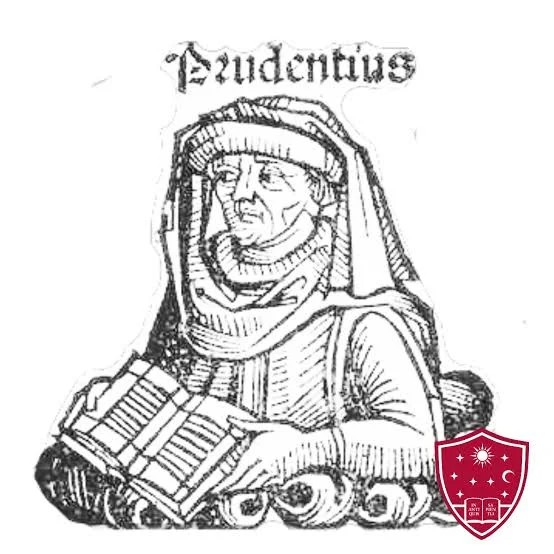

"Ades Pater supreme" is an early Christian evening hymn written by the 4th- and 5th-century Latin poet Aurelius Prudentius Clemens. Contributed as the sixth hymn (No. VI) of his Cathemerinon, the full Latin text extends to 152 lines. It is included in all standard editions of Prudentius's works, including the Aurelii Prudentii Clementis V. C. Opera Omnia (Vol. I, pp. 97–105, London, Valpy, 1824). While no complete translation of the full 152-line poem exists in English, three distinct centos (selected excerpted sections) have entered liturgical use and translation.
The primary cento under the title "Ades Pater supreme" comprises lines 1–12, 125–128, and 141–152, typically concluded with an added doxology. John Mason Neale rendered this into English as "Be present, Holy Father," publishing it in the enlarged edition of the Hymnal Noted in 1854. Neale's translation was subsequently included in The People's Hymnal (1867) and revised for The Hymnary (1872), where additional stanzas were inserted from lines 129–132 and 137–140. This version is traditionally assigned for Sunday evening use. A free translation based on stanzas three through seven of Neale's text, beginning "The toil of day is over" ("Fluxit labor diei"), was produced by J. A. Johnston and added to his English Hymnal in 1861.
A second widely recognized section of the poem, "Cultor Dei memento," consists of lines 125–152 with a doxology. Historically, this text was featured in Herman Adalbert Daniel's Thresaurus Hymnologicus, Cardinal John Henry Newman's Hymni Ecclesiae (1838 and 1865), and Philipp Wackernagel's collections. Liturgically, it served at Compline from Passion Sunday daily to Maundy Thursday in the Sarum Breviary, and was also utilized in the Mozarabic Breviary, the Mozarabic Hymnarium, and an 11th-century manuscript preserved in the British Museum (Harl. 2961, f. 238). The primary translation in common use, "Servant of God, remember," was rendered from the Sarum text by William John Blew in seven four-line stanzas, printed first as a broadsheet and later in The Church Hymn and Tune Book (1852; 2nd ed. 1855), before being included in Rice's Hymns in 1870.
Additional historical translations of the "Cultor Dei memento" section not found in common usage include renderings by Isaac Williams (Hymns Translated from the Parisian Breviary, 1839/1844) as "Remember, thou who lov'st the Lord," William John Copeland (1848) as "Christian, ever keep in mind," and John David Chambers (1857) as "Child of God! remember thou." An earlier translation of the opening lines, "Come, Great Father, Mighty Lord," was made by Francis Turner, Bishop of Ely, and published posthumously in Dodd's Christian's Magazine in September 1761.
Related Hymns
Hymns in the library connected to this dictionary topic.
-
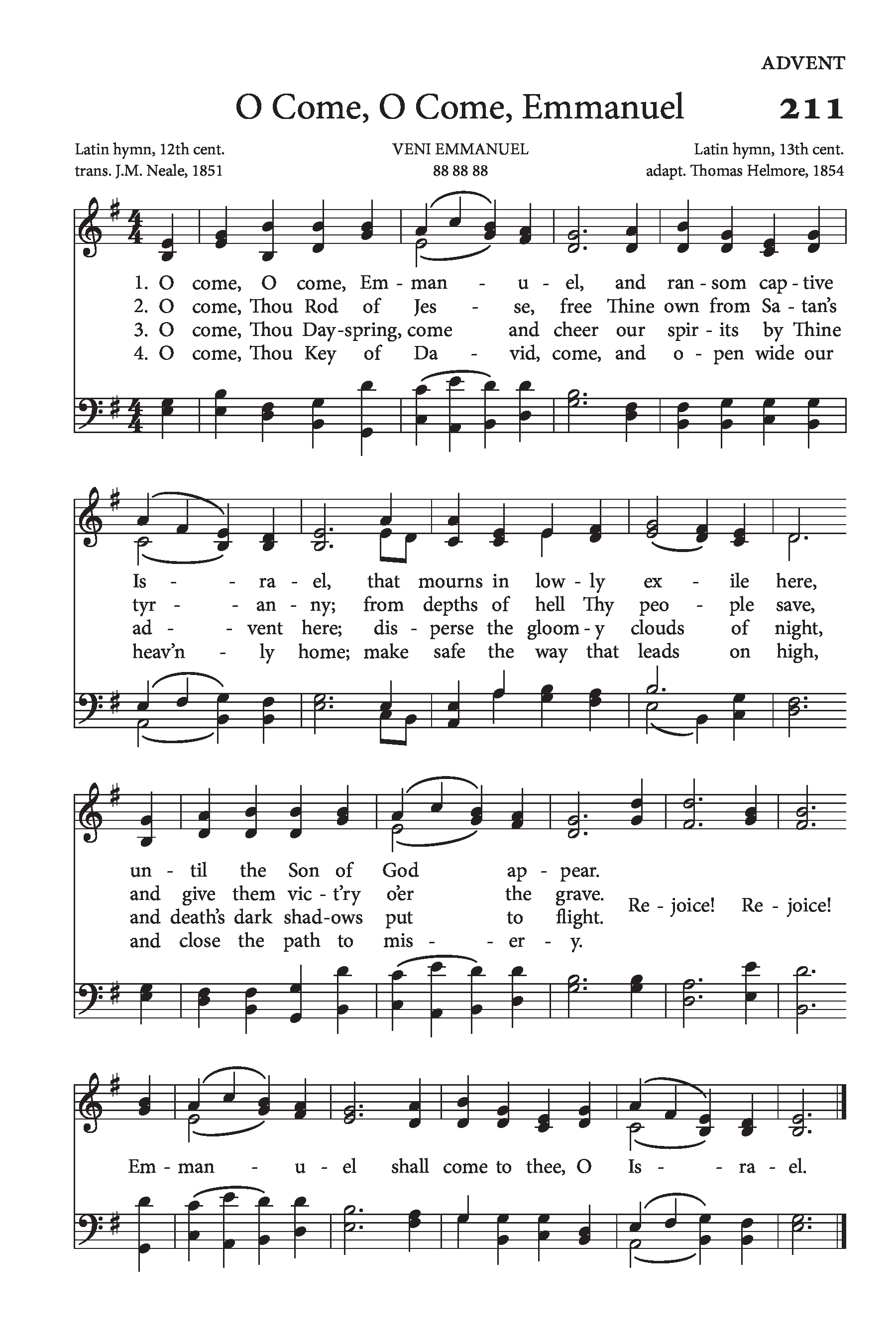
O Come, O Come, Emmanuel
-
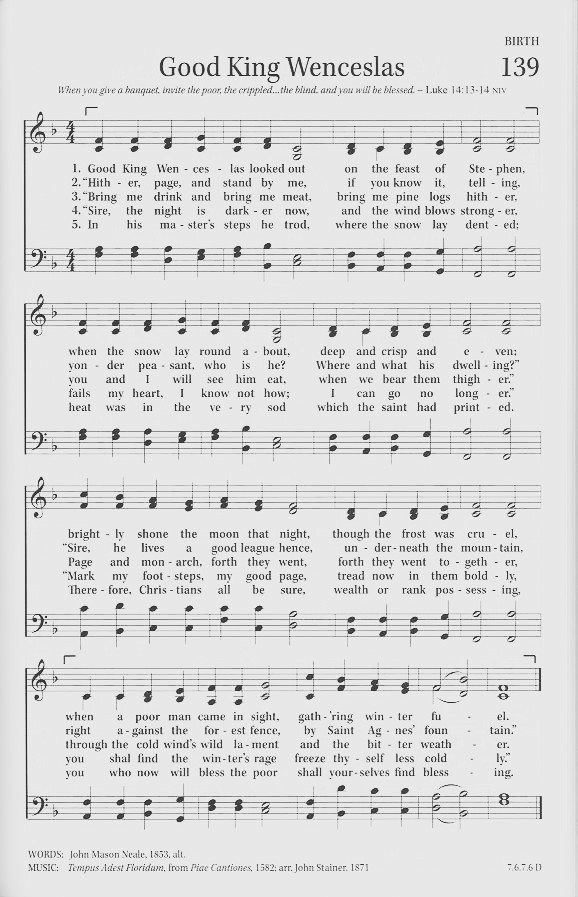
Good King Wenceslas
-
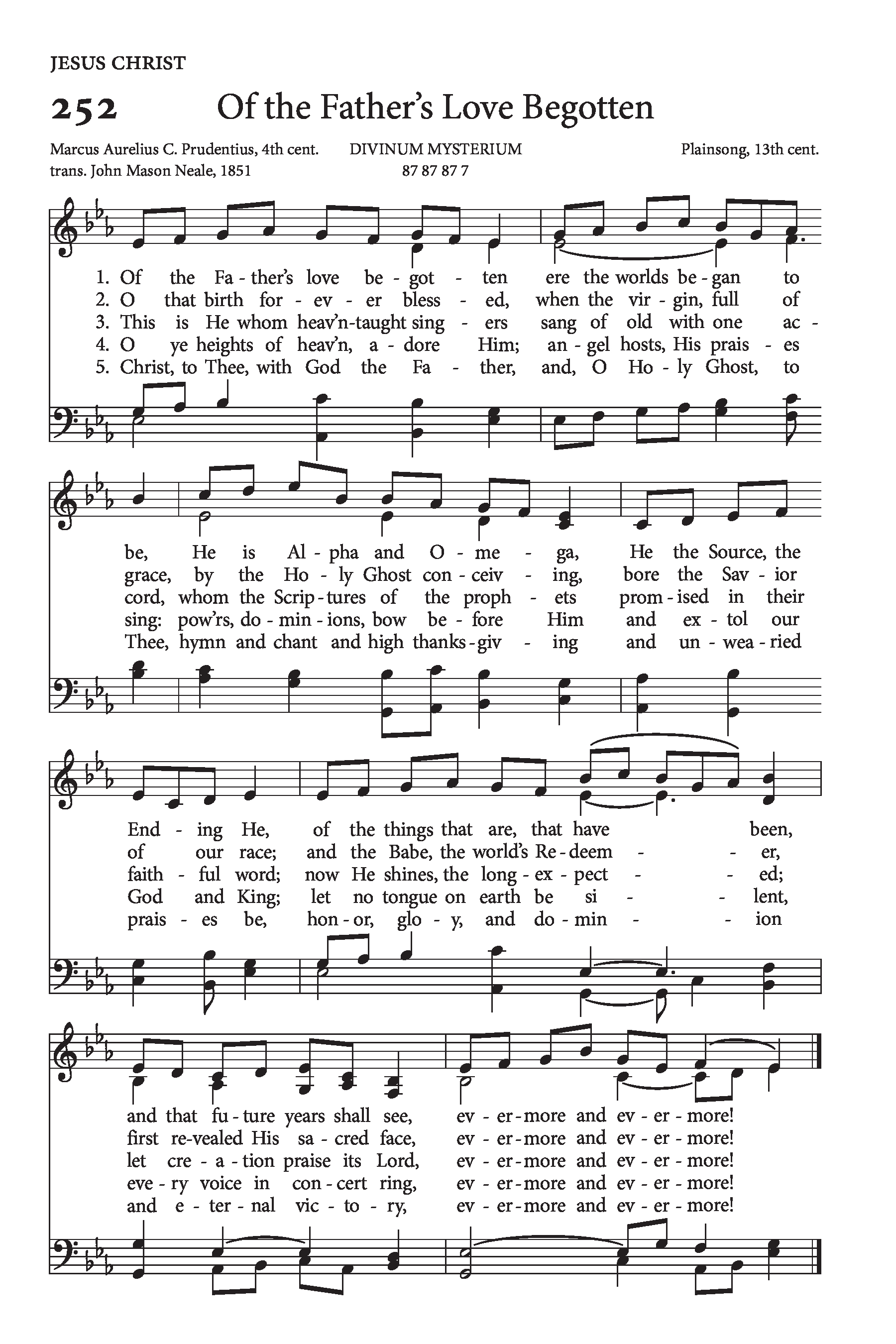
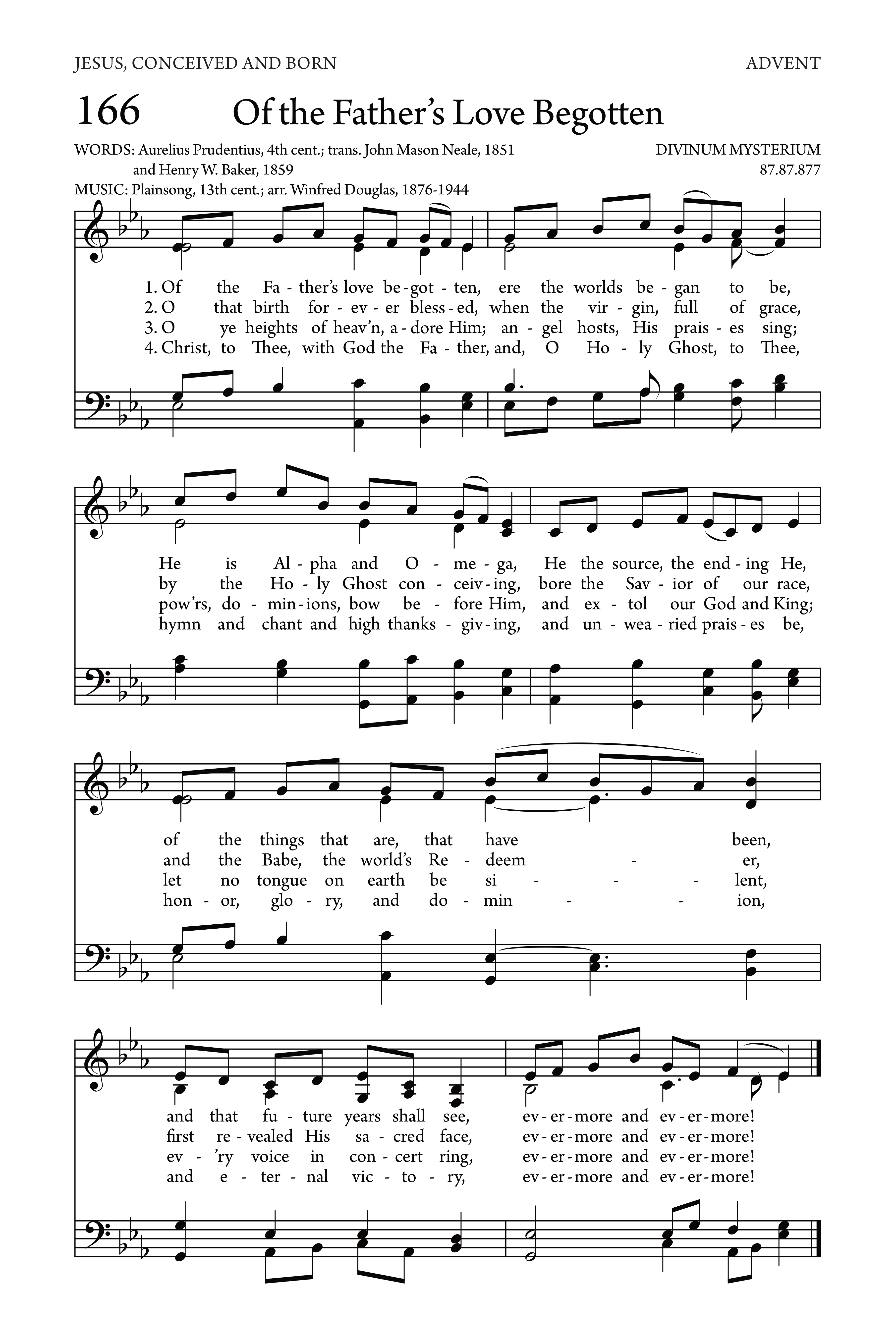
Of the Father's Love Begotten
-
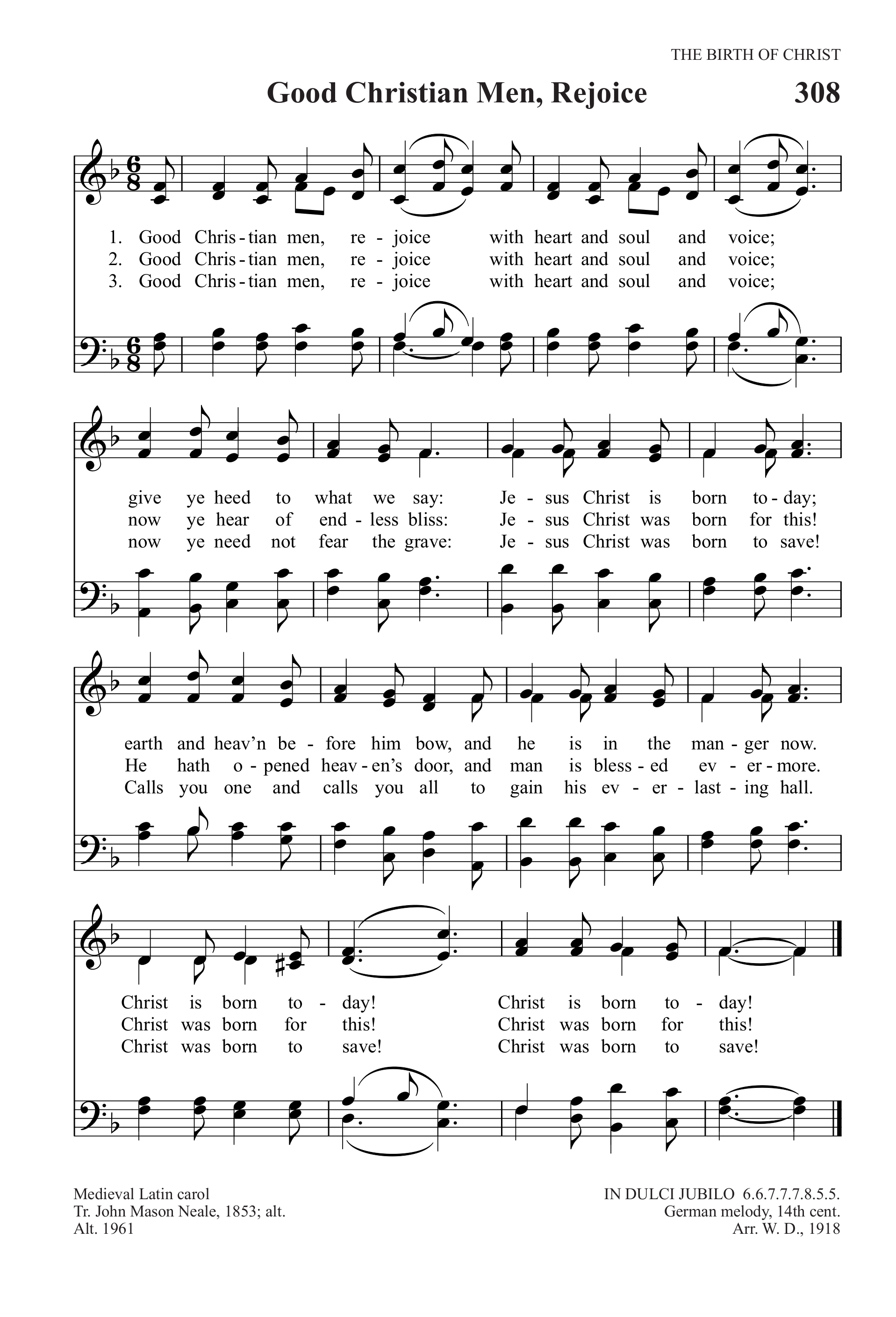
Good Christian Men, Rejoice
-
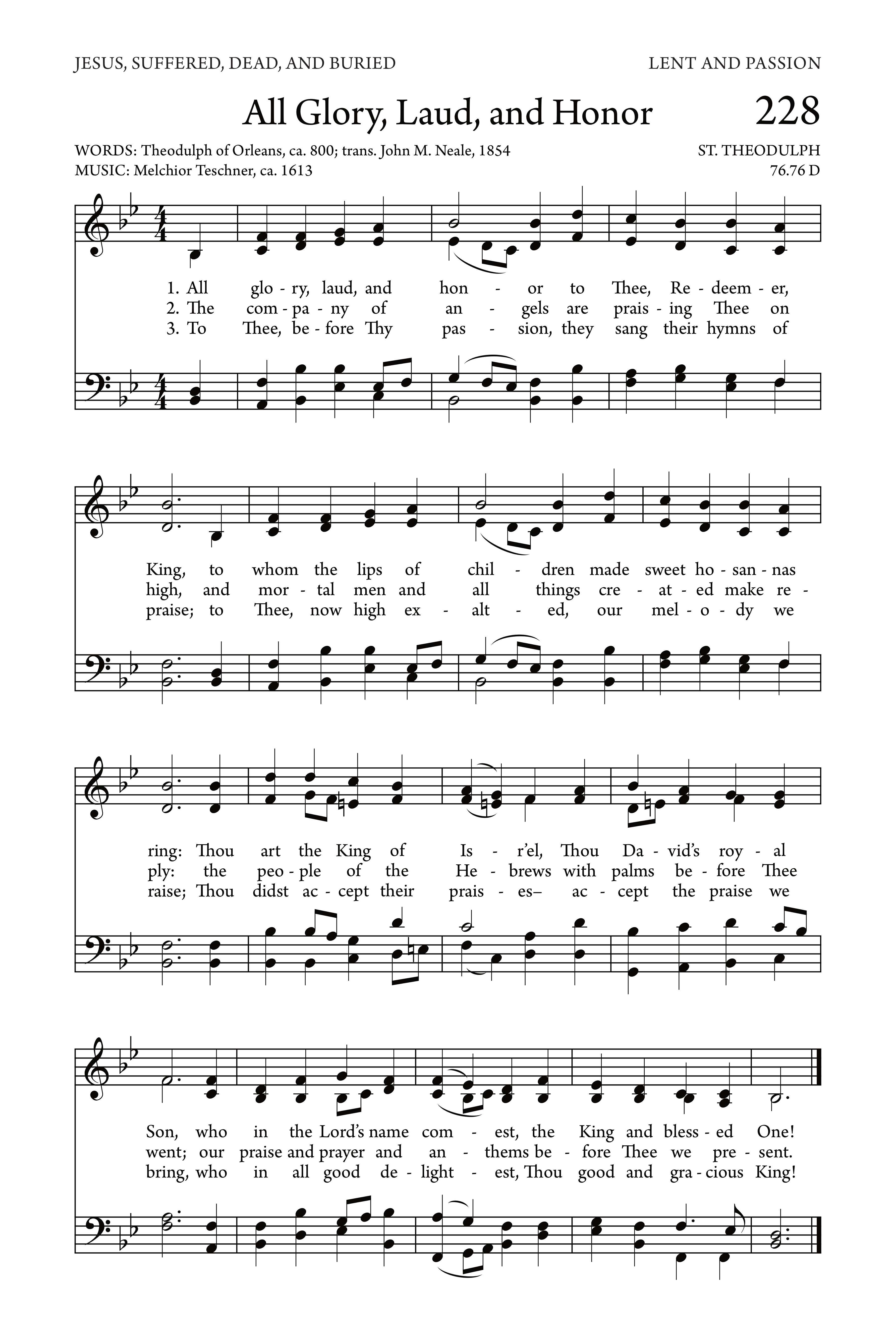
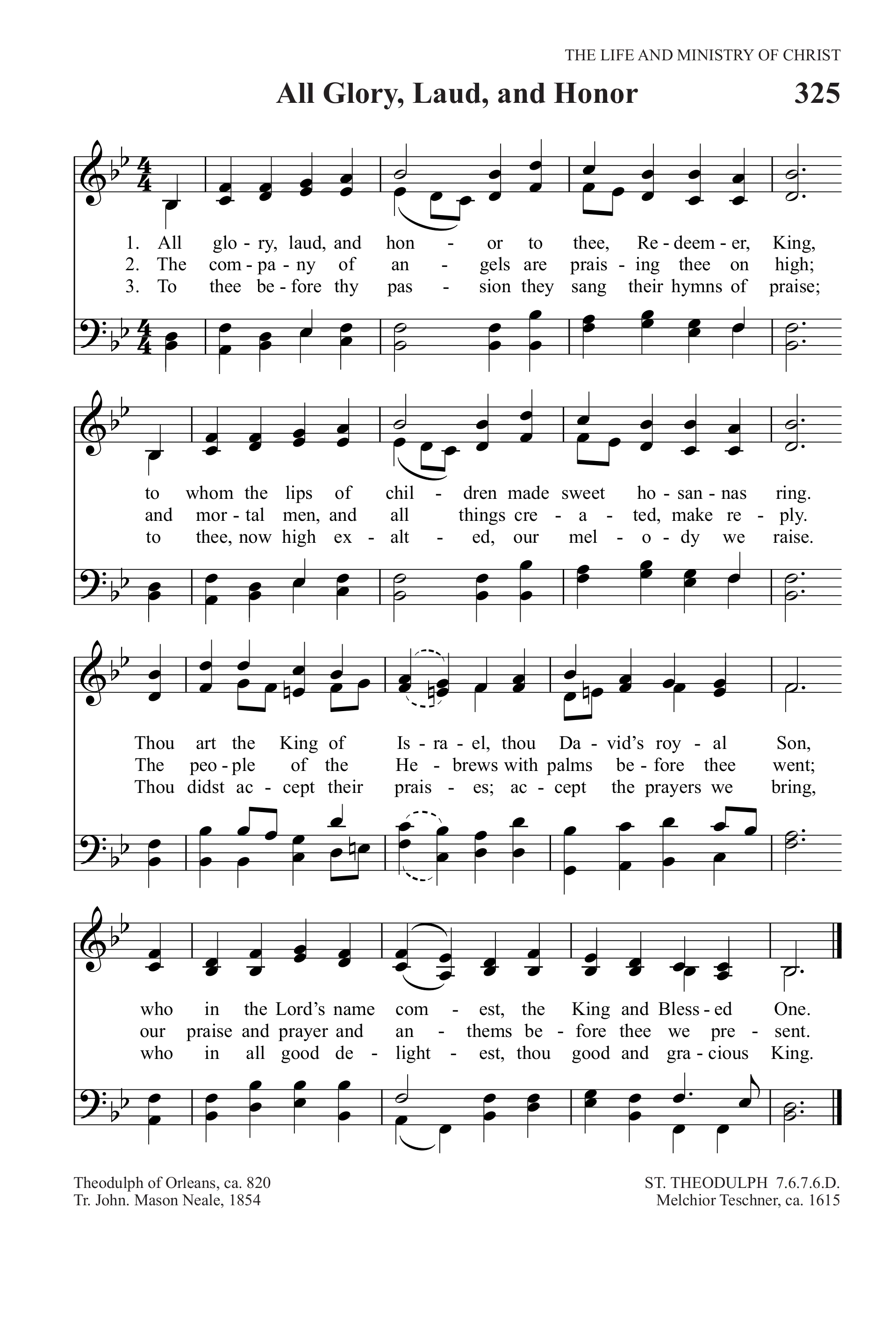
All Glory, Laud, And Honour
-
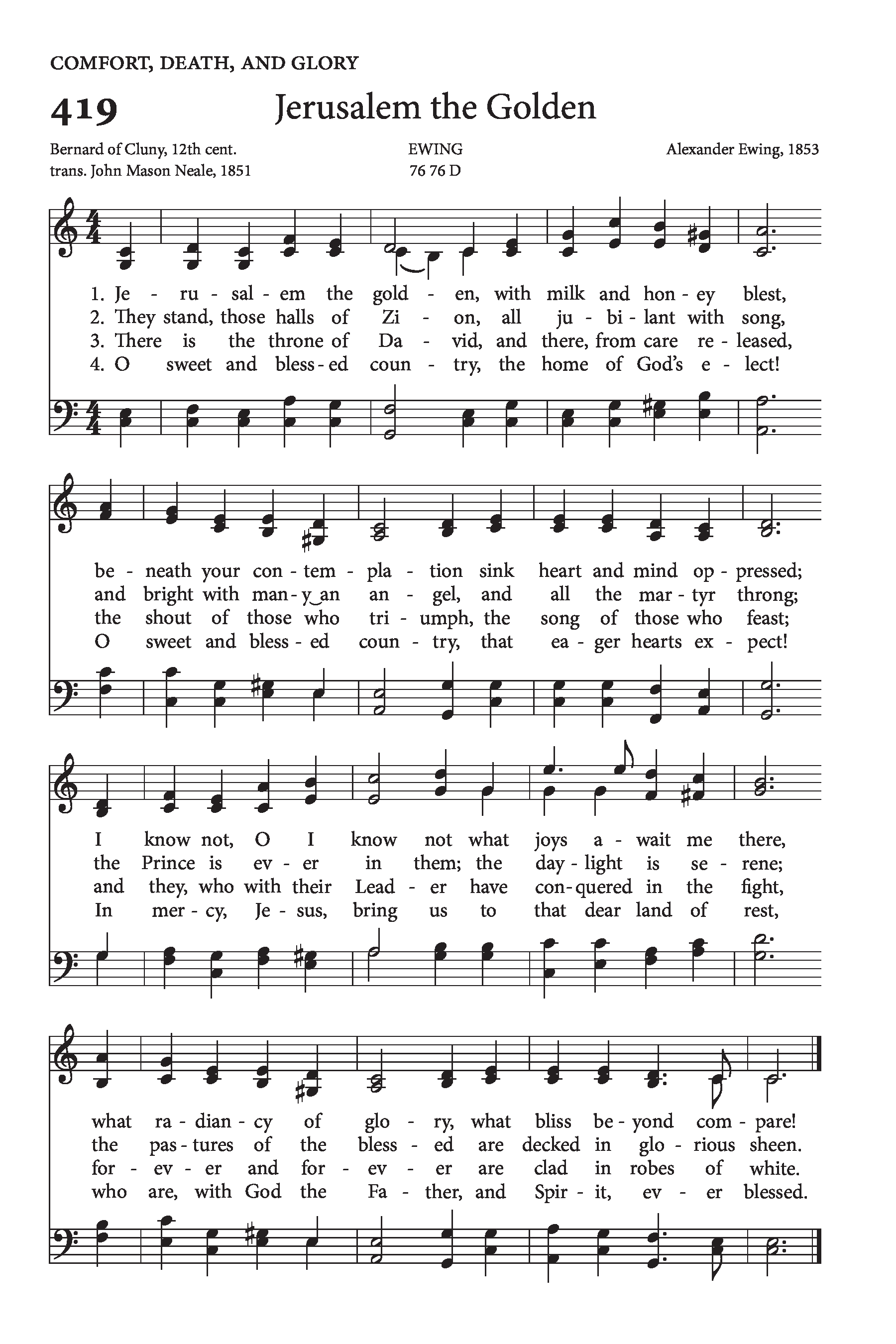
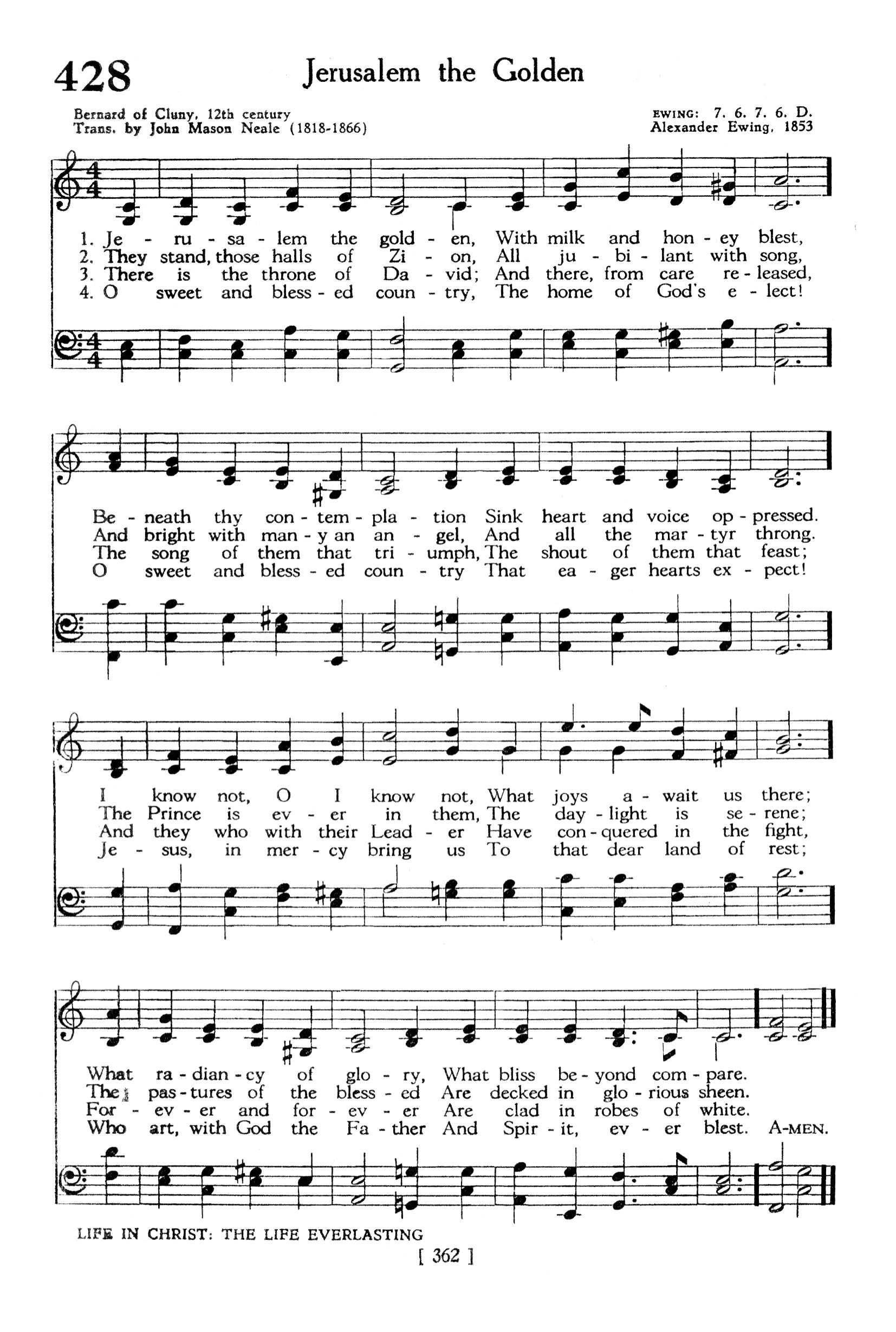
Jerusalem The Golden
-
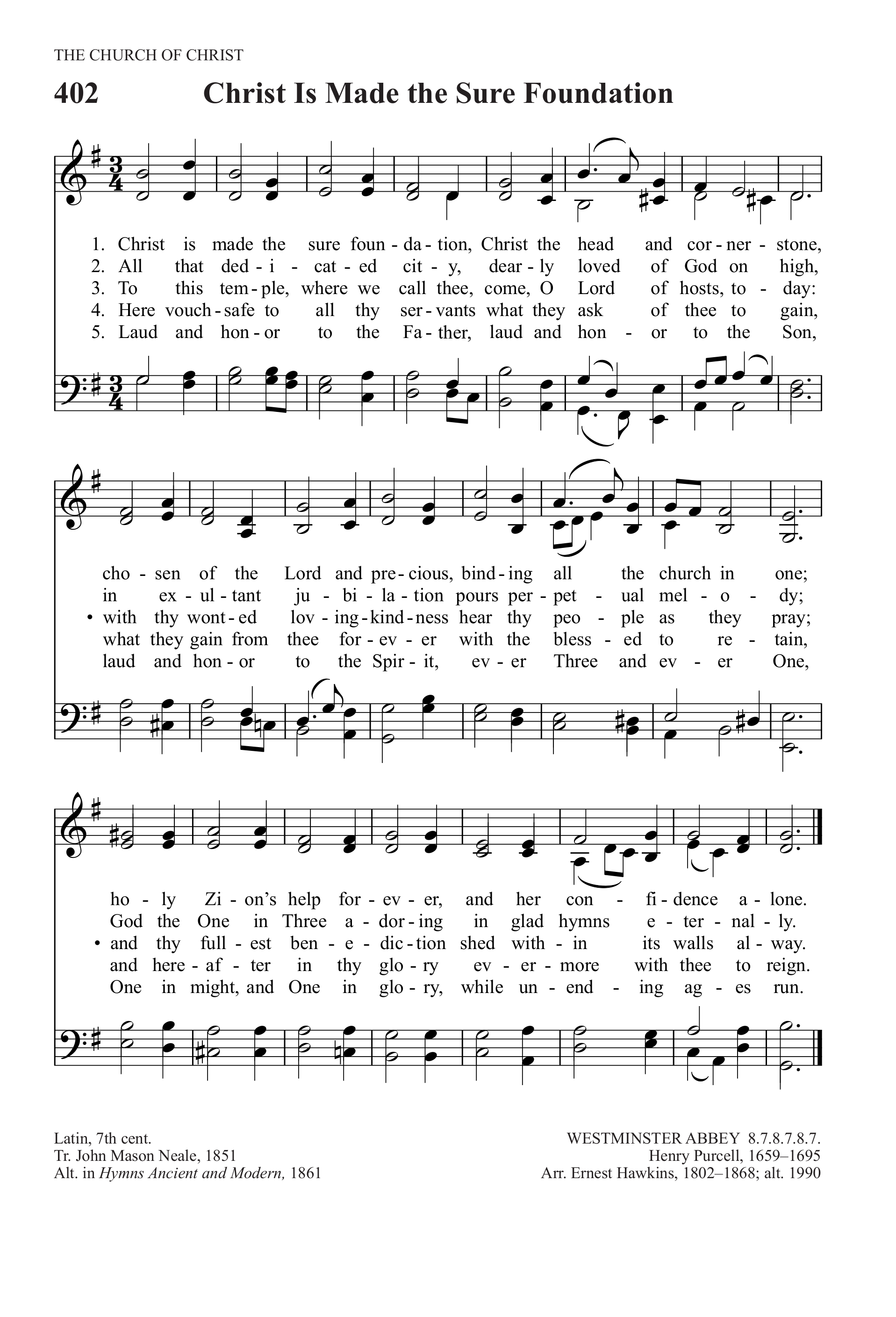
Christ Is Made The Sure Foundation
-
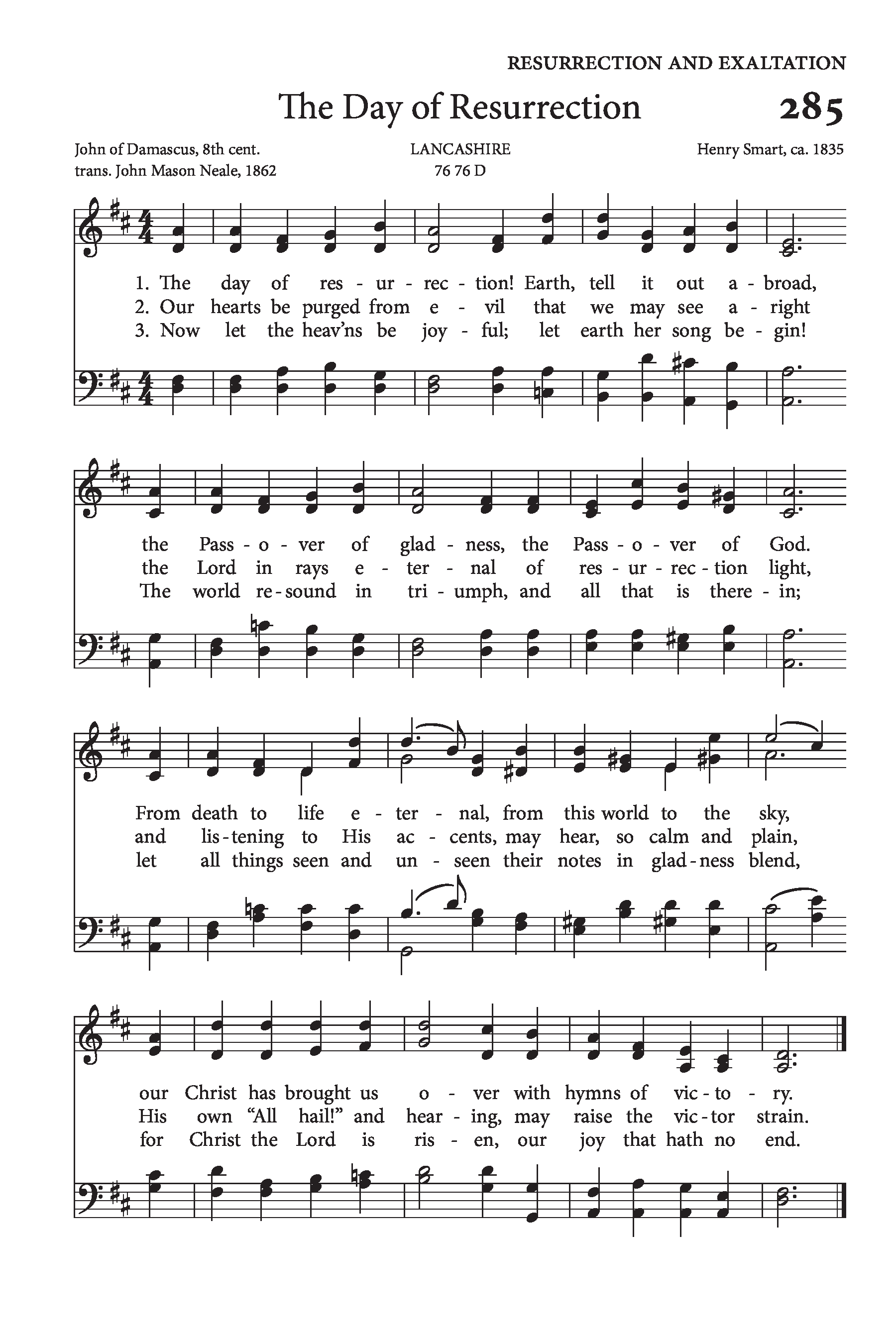
The Day of Resurrection
13 more related hymns below in the sheet gallery.
Related Hymn Sheets
3 shown at a time — use the arrows to browse all 21 sheets.
Related Authors
Writers connected to this dictionary topic.
Keywords
Related terms for this dictionary entry.
Recent Dictionary Entries
Newly added terms from the Dictionary of Hymnology.
If you notice any mistake or have suggestions, please contact us on our contact page.