
What Is Godliness?
1 day, 7 hours ago
Art Thou Weary, Art Thou Languid?
By J. M. Neale
Lyrics
1. Art thou weary, art thou languid,
art thou sore distrest?
'Come to me,' saith One, 'and coming,
be at rest!"
art thou sore distrest?
'Come to me,' saith One, 'and coming,
be at rest!"
2. Hath he marks to lead me to him,
if he be my guide?
In his feet and hands are wound-prints,
and his side.
if he be my guide?
In his feet and hands are wound-prints,
and his side.
3. Hath he diadem as monarch
that his brow adorns?
Yea, a crown, in very surety,
but of thorns.
that his brow adorns?
Yea, a crown, in very surety,
but of thorns.
4. If I find him, if I follow,
what his guerdon here?
Many a sorrow, many a labour,
many a tear.
what his guerdon here?
Many a sorrow, many a labour,
many a tear.
5. If I still hold closely to him,
what has he at last?
Sorrow vanquished, labour ended,
Jordan past.
what has he at last?
Sorrow vanquished, labour ended,
Jordan past.
6. If I ask him to receive me,
will he say me nay?
Not till earth, and not till heaven
pass away.
will he say me nay?
Not till earth, and not till heaven
pass away.
7. Finding, following, keeping, struggling,
is he sure to bless?
Angels, martyrs, prophets, virgins,
answer, yes!
is he sure to bless?
Angels, martyrs, prophets, virgins,
answer, yes!
Bible Reference
Matthew 11:28
About This Hymn
Original Author: St. Stephen of Mar Saba (Stephen the Sabaite), translated by John M. Neale
Art Thou Weary, Art Thou Languid? is a deeply contemplative hymn that speaks to the soul of the spiritual seeker who is worn out, discouraged, or unsure of where to find lasting rest. Originally written in Greek by St. Stephen the Sabaite, a monk who lived in the monastic community of Mar Saba near Jerusalem in the 8th century, the hymn was later translated into English by Anglican clergyman John Mason Neale. The result is a timeless devotional poem that retains its ancient tenderness and gentle invitation.
The hymn is structured as a dialogue between the weary soul and Christ, filled with questions and reassuring answers. It opens with a series of introspective queries: “Art thou weary, art thou languid, art thou sore distressed?” These questions mirror the human condition in times of spiritual exhaustion and trial. The invitation that follows is tender and personal: “Come to Me,” Christ says, echoing the call found in Matthew 11:28. The Savior is presented not as distant or indifferent, but as the compassionate One who understands suffering and offers true rest.
Each verse continues this conversational pattern, portraying the Savior as accessible, kind, and worth every cost of discipleship. The soul, hesitant and questioning, asks whether the path to Christ is hard or whether the Savior is far away. Christ answers through the hymn with promises of nearness, healing, and eternal companionship. “He is found in hearts contrite,” one verse declares, affirming that God draws near to the humble and repentant.
The language used by Neale in the translation is gentle, poetic, and reverent. He preserves the Eastern Christian devotional style, which emphasizes humility, mystery, and the beauty of surrender. The hymn avoids grand declarations in favor of quiet invitation and comfort. It is especially suited for those who are struggling, doubting, or experiencing spiritual fatigue, offering the assurance that Christ receives all who come to Him in sincerity.
The closing verses shift from question to resolution. When the soul asks, “If I still hold closely to Him, what has He at last?” the answer resounds with eternal hope: “Sorrow vanquished, labor ended, Jordan passed.” These final lines are not just poetic—they carry deep theological truth about the reward of faithful trust in Christ. The soul is reminded that the end of the journey is not weariness, but rest and joy with the Lord.
Often sung to the tune “Stephanos” or “Horbury,” the hymn’s melody matches the introspective tone of the text, inviting personal reflection and prayer. Art Thou Weary, Art Thou Languid? continues to be a hymn of quiet consolation for believers facing trials, doubt, or spiritual dryness, gently pointing them to Christ as the unchanging source of rest and peace.
From the Dictionary of Hymnology
Related terms and concepts automatically matched to this hymn.
A day, a day of glory Hymn
John Mason Neale's joyful 1860 Christmas carol, written expressly for Edmund Sedding's Antient Christmas Carols and later featured in the People's Hymnal.
Read moreAdesto sancta Trinitas History
Historical entry for the anonymous medieval hymn "Adesto sancta Trinitas," examining its manuscript sources, breviary uses, and English translations.
Read moreAdes Pater supreme History
Historical and liturgical entry for Prudentius's 5th-century evening hymn "Ades Pater supreme," detailing its structure, centos, and English translations.
Read more

📬 Subscribe to Our Devotional Updates
Receive weekly hymns, devotionals, and website features directly in your inbox.
✅ Thank you! You'll start receiving our updates soon.
⭐ Recommend This Hymn
Share this beautiful hymn with others
This hymn is found in these hymnals
Open the hymnal that contains this hymn:
More hymn subjects
Recently Added Hymns
-
 Let All Together Praise Our GodNikolaus Herman 1560
 -
 Holy, Holy, Holy, Lord, God of hosts, Eternal KingChristopher Wordsworth 1862
 -
 Hail, Redeemer, King DivinePatrick Brennan 1856
 -
 Father, We Thank Thee, Who Hast PlantedBland Tucker 1939
 -
 Father, See Thy Children Bending at Thy ThroneWilliam B. Trevelyan 1906
Latest Updated Hymnals
-
Open
 The People's HymnalUpdated 6 days, 1 hour ago · 1961
 -
Open
 Book of Common Praise (BoCP1915)Updated 2 months, 1 week ago · 1915
 -
Open
 Our Great Redeemer's PraiseUpdated 4 months ago · 2022
 -
Open
 The Parish Hymnal (1873)Updated 4 months, 1 week ago · 1873
 -
Open
 Book of Common Praise (BCP1998)Updated 4 months, 3 weeks ago · 1998
Hymn Information
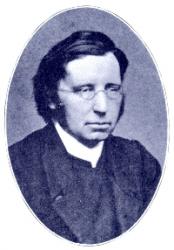
To view the author's biography, click their name above.
MIDI File
Ready to load
Download MIDI
Popular Hymns
Recent Blog Posts



Popular Blog Posts
-
 Lessons from the Book of Haggai: Putting God…3 months, 3 weeks ago
 -
 Easter vs Passover: How a Biblical Feast Bec…5 months, 3 weeks ago
 -
 The Full Story of the Birth of Jesus Christ:…9 months, 1 week ago
 -
 The 30 Most Famous Christmas Hymns and Carols1 year ago
 -
 The Story Behind the Hymn “Amazing Grace”9 months, 1 week ago
Visit Us on Social Media
Latest from X (Twitter)
Tweets by HymnalLibraryLatest from Facebook
Latest on YouTube
Loading latest video...
Daily Bible Verse
Disclaimer
The hymns, sheet music, MIDI files, and related content on this website are provided for educational and research purposes only.
- Public Domain: Many of the hymns featured here are in the public domain and may be freely used.
- Copyrighted Works: Some hymns may still be under copyright protection. Where applicable, permission has either been requested from the copyright owner, or the content is shared under the principles of fair use for educational purposes.
⚠️ Important Notice: If you wish to reproduce, distribute, or use any copyrighted hymn beyond personal study or educational use, you must obtain permission directly from the copyright holder. This website does not grant any rights for commercial use yet.
If there is any other question please address it to us in our Contact Page, for further assistance. Thank you for using the site. May God Bless You.
Recently Added · Dictionary of Hymnology
Browse dictionary →- Jonathan Bush Atchinson 3 days, 5 hours ago · Biography 38
- At Thy transfiguration, Lord 3 days, 5 hours ago · Hymnology 37
- At Thy Feet, our God and Father 3 days, 5 hours ago · Hymnology 43
- At Thy feet, O Christ, we lay 3 days, 5 hours ago · Hymnology 37
- At Thy command, our dearest Lord 3 days, 5 hours ago · Hymnology 35