




"Adesto sancta Trinitas" is an anonymous medieval Latin hymn addressed to the Holy Trinity. The earliest recorded text of the hymn is preserved in an eleventh-century manuscript held in the British Museum (Vesp. D. xii. f. 115b), which was published in The Latin Hymns of the Anglo-Saxon Church (Surtees Society, 1851, p. 161).
The hymn saw extensive liturgical adoption across medieval Europe, appearing in the Sarum, York, and Hereford Breviaries in England, as well as the continental Breviaries of Mainz and Basel. It was additionally incorporated into the breviaries of various religious orders, including the Carmelites, Dominicans, and Fratres Humiliati, though with textual variations across traditions.
The hymn's text has been analyzed in several key hymnological collections. Franz Joseph Mone published the text alongside extensive manuscript notes in his Lateinische Hymnen des Mittelalters (Vol. I, p. 10), citing manuscripts dating back to the fourteenth century and noting two refrains occasionally associated with the hymn. Hermann Adalbert Daniel initially printed only the first four lines in his Thesaurus Hymnologicus (Vol. I, No. 304) with a citation from George Cassander, before publishing the complete text and manuscript references in a later volume (Vol. IV, p. 234). The text is also included in John Mason Neale's Hymni Ecclesiae (1851, p. 157), the Hymnarium Sarisburiense (1851, p. 115), and the Dominican Hymn Book.
Four English translations entered common usage during the nineteenth century:
-
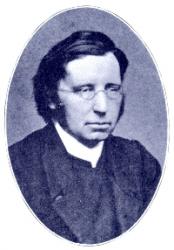
"Be present, Holy Trinity; Like Splendour, &c.": Translated by John Mason Neale in five four-line stanzas for the Hymnal Noted (1852, No. 35). This rendering was reprinted unaltered in The People's Hymnal (1867) and The Hymnary (1872).
-
"Be with us, Holy Trinity": Translated by J. A. Johnston and published in the second edition of his English Hymnal (1856, No. 148) in five five-line stanzas. It was included with minor alterations, particularly in the doxology, in Benjamin Hall Kennedy's collection (1863).
-
"Be present, Holy Trinity; Co-equal light, &c.": Translated by John David Chambers for his Lauda Syon (Part I, 1857, p. 215) in five four-line stanzas. An arrangement by John Keble for the Salisbury Hymn Book (1857, No. 123) and Sarum Hymnal (1868, No. 179) drew primarily from Neale's version while borrowing its opening two lines from Chambers.
-
"O Holy Trinity! be present": Translated by Francis Pott and included in his Hymns Fitted to the Order of Common Prayer (1861, No. 107) in five four-line stanzas.
Related Hymns
Hymns in the library connected to this dictionary topic.
-
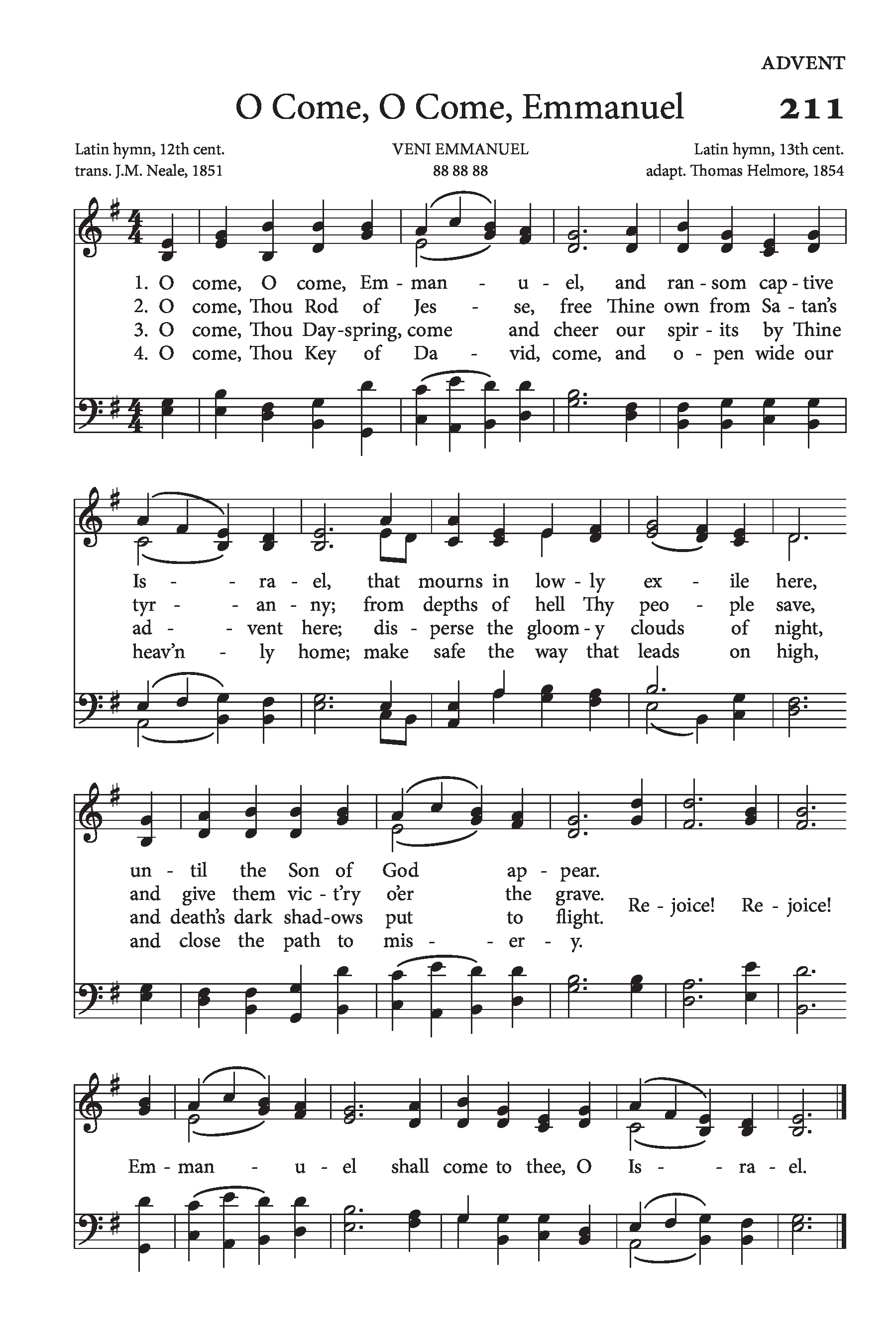
O Come, O Come, Emmanuel
-
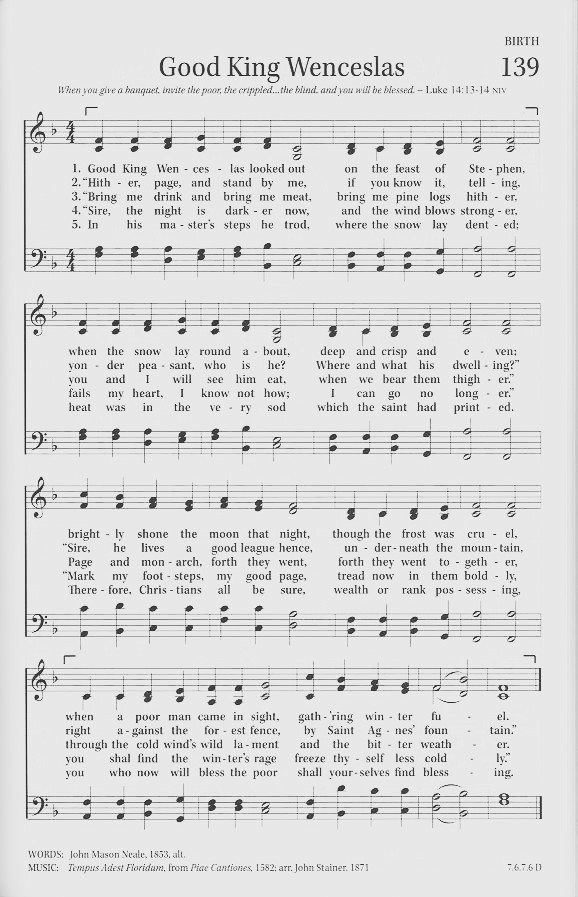
Good King Wenceslas
-
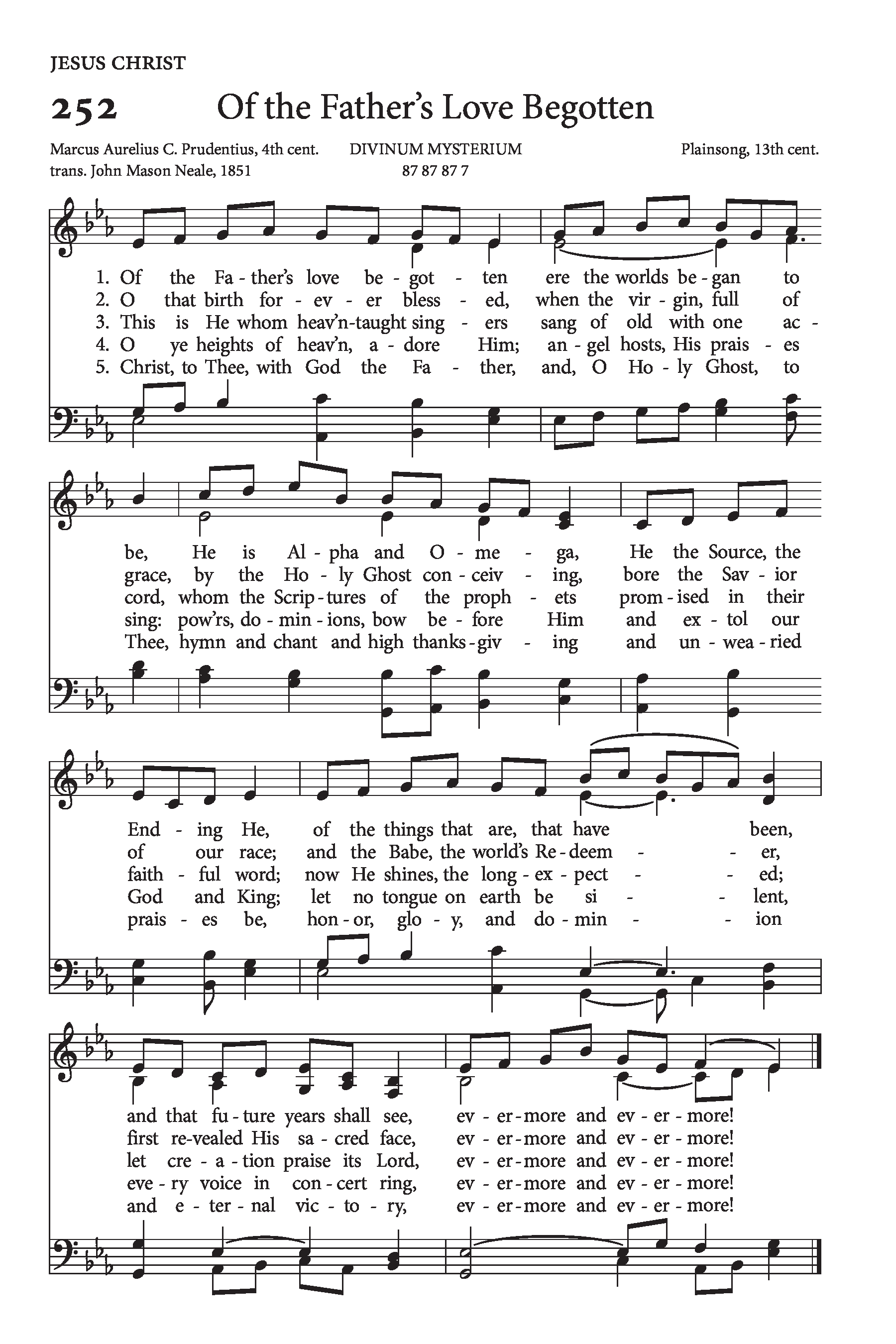
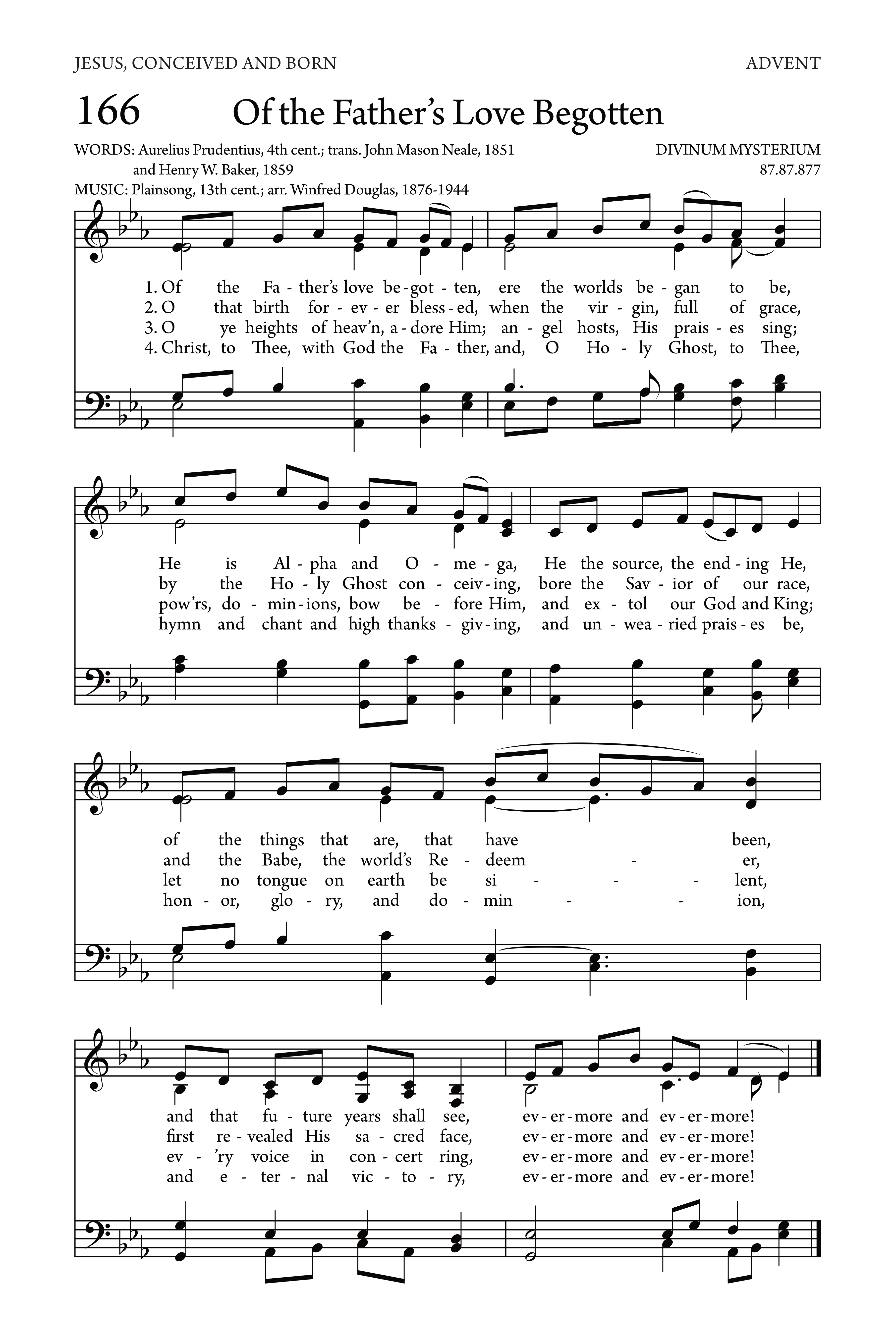
Of the Father's Love Begotten
-
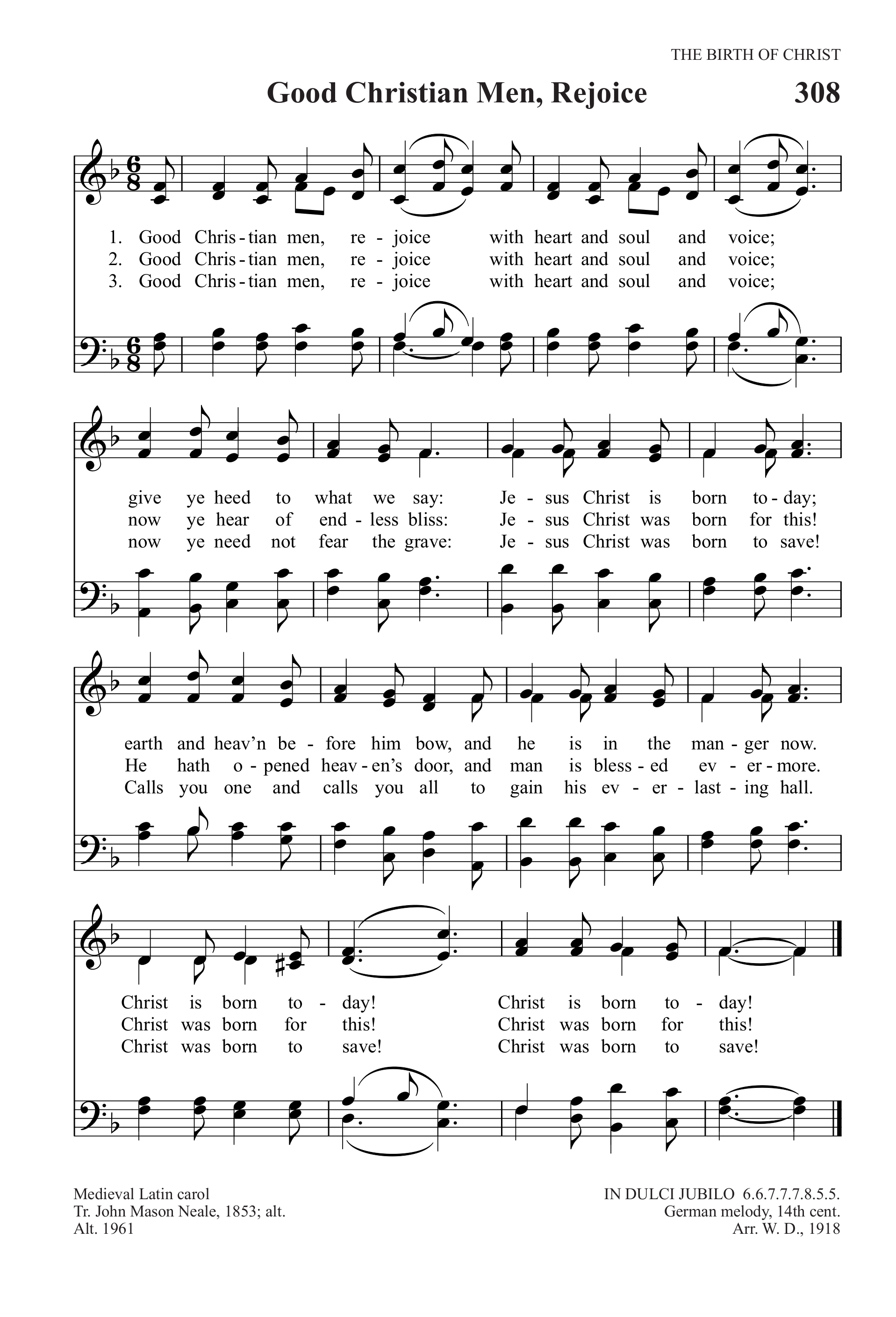
Good Christian Men, Rejoice
-
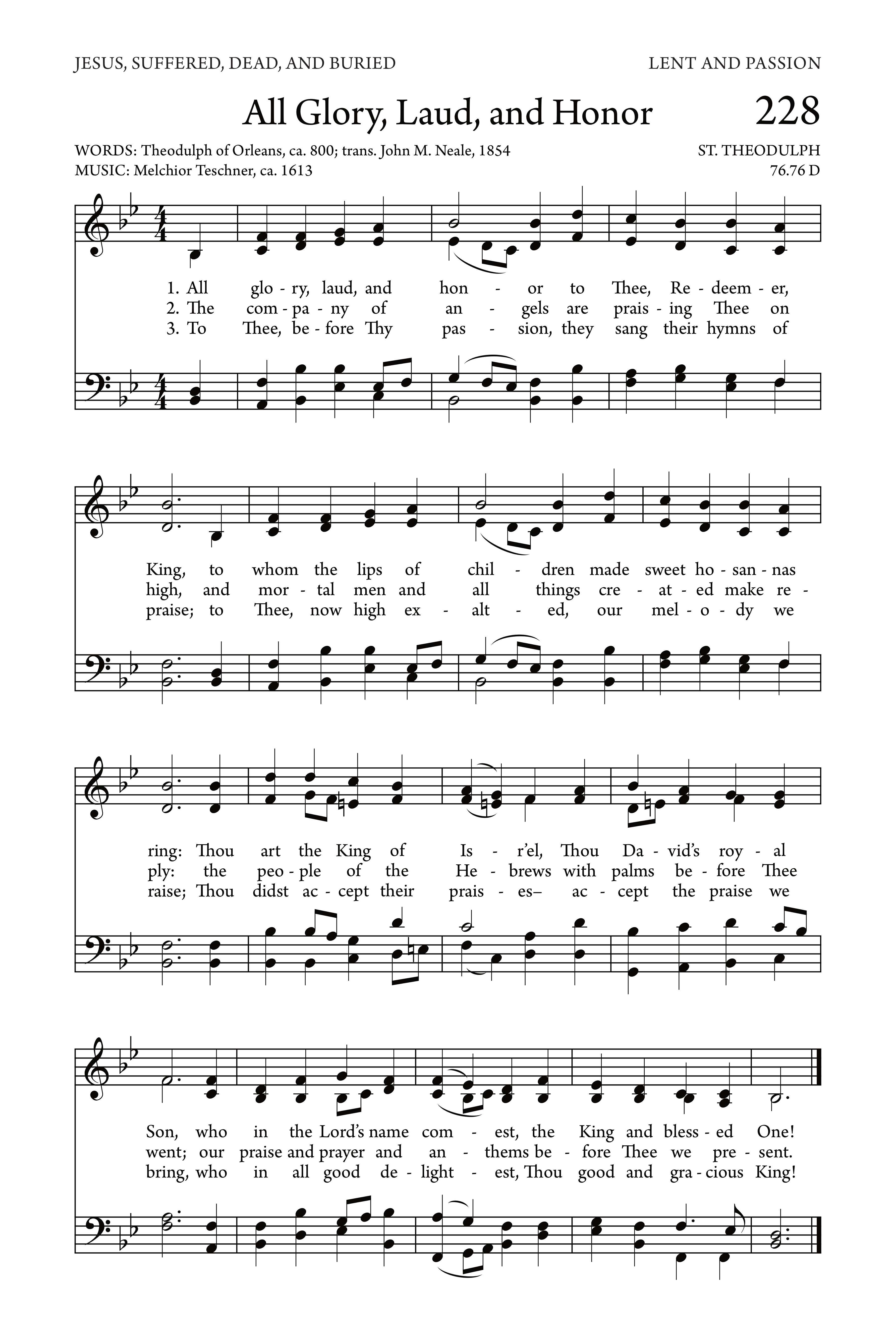
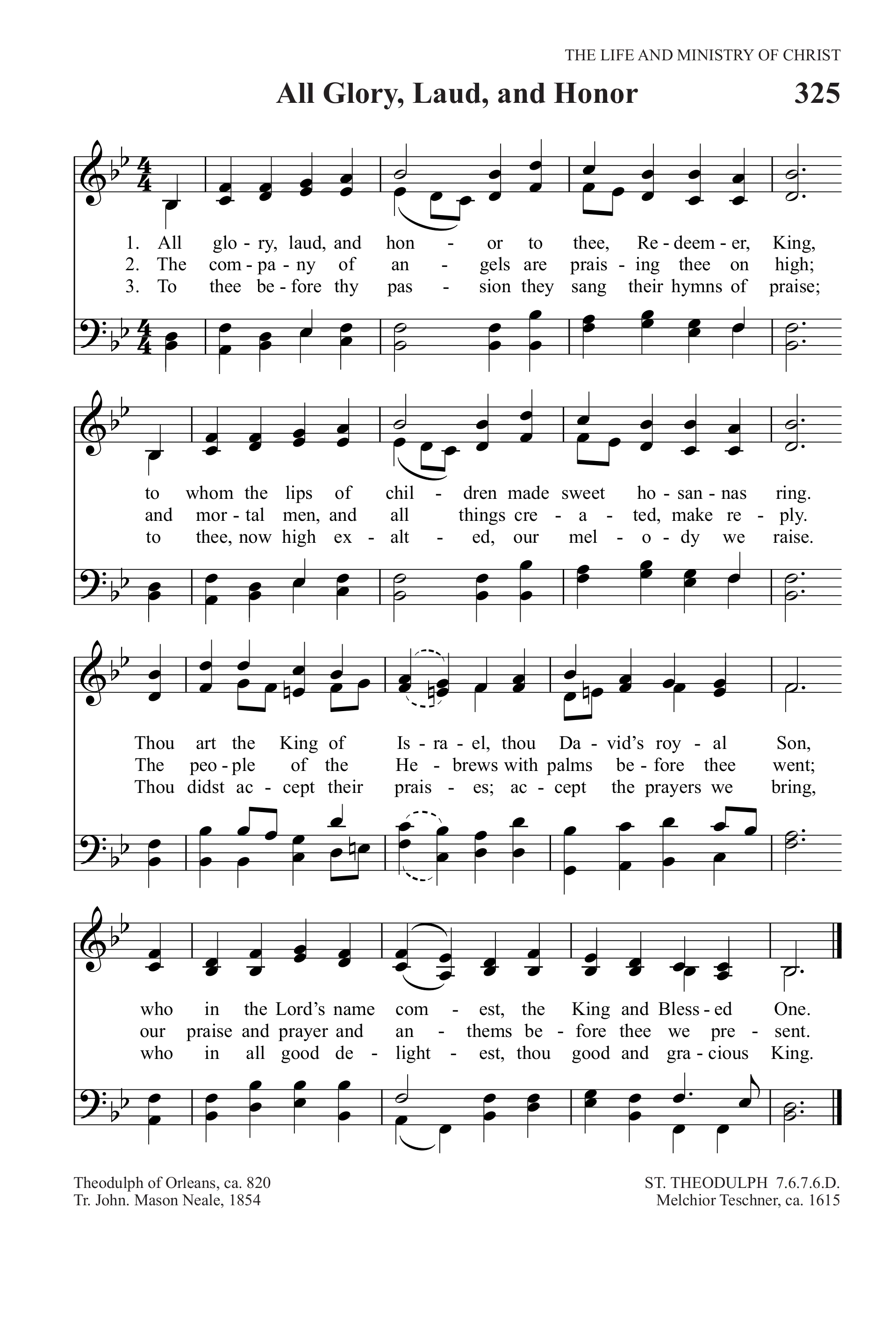
All Glory, Laud, And Honour
-
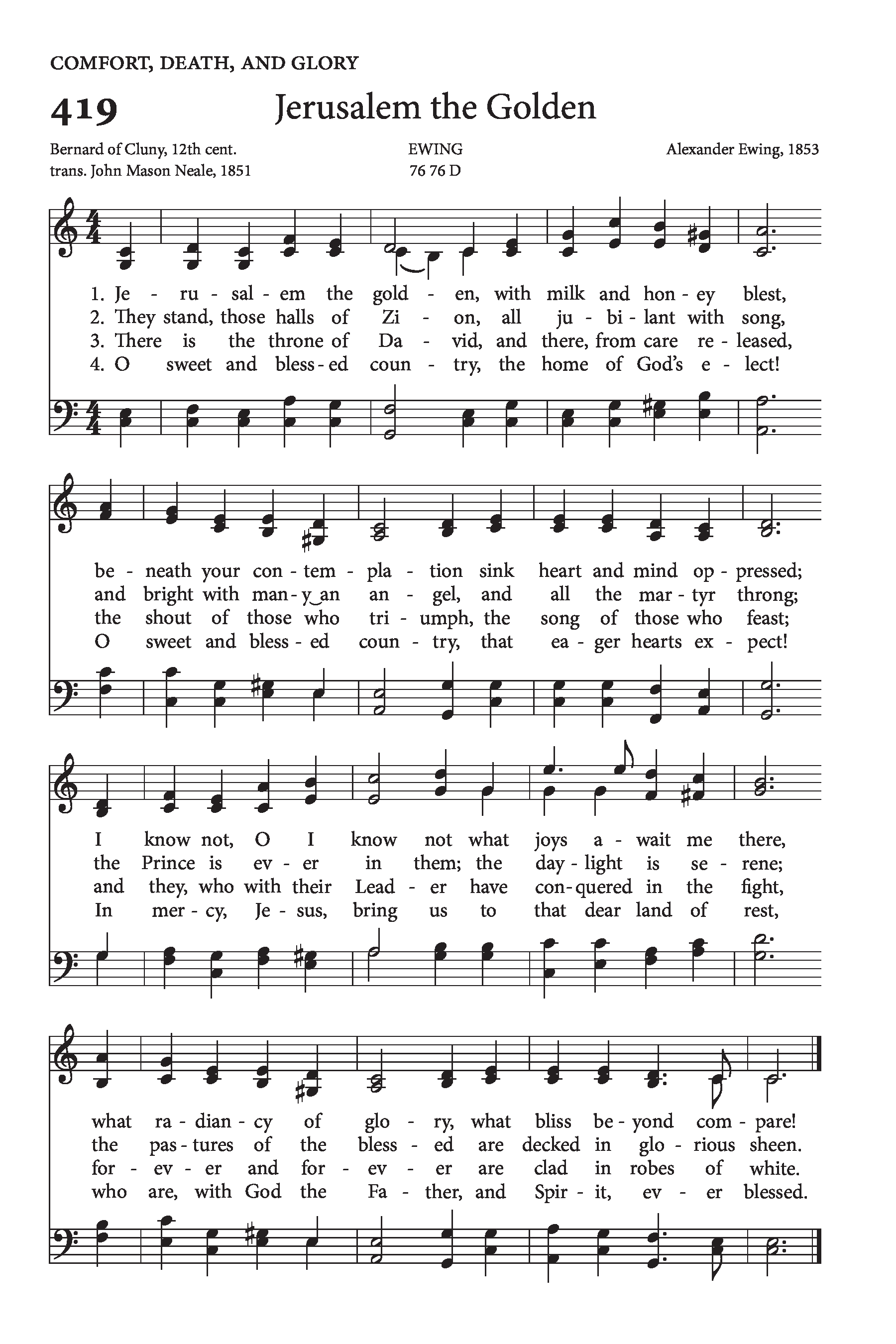
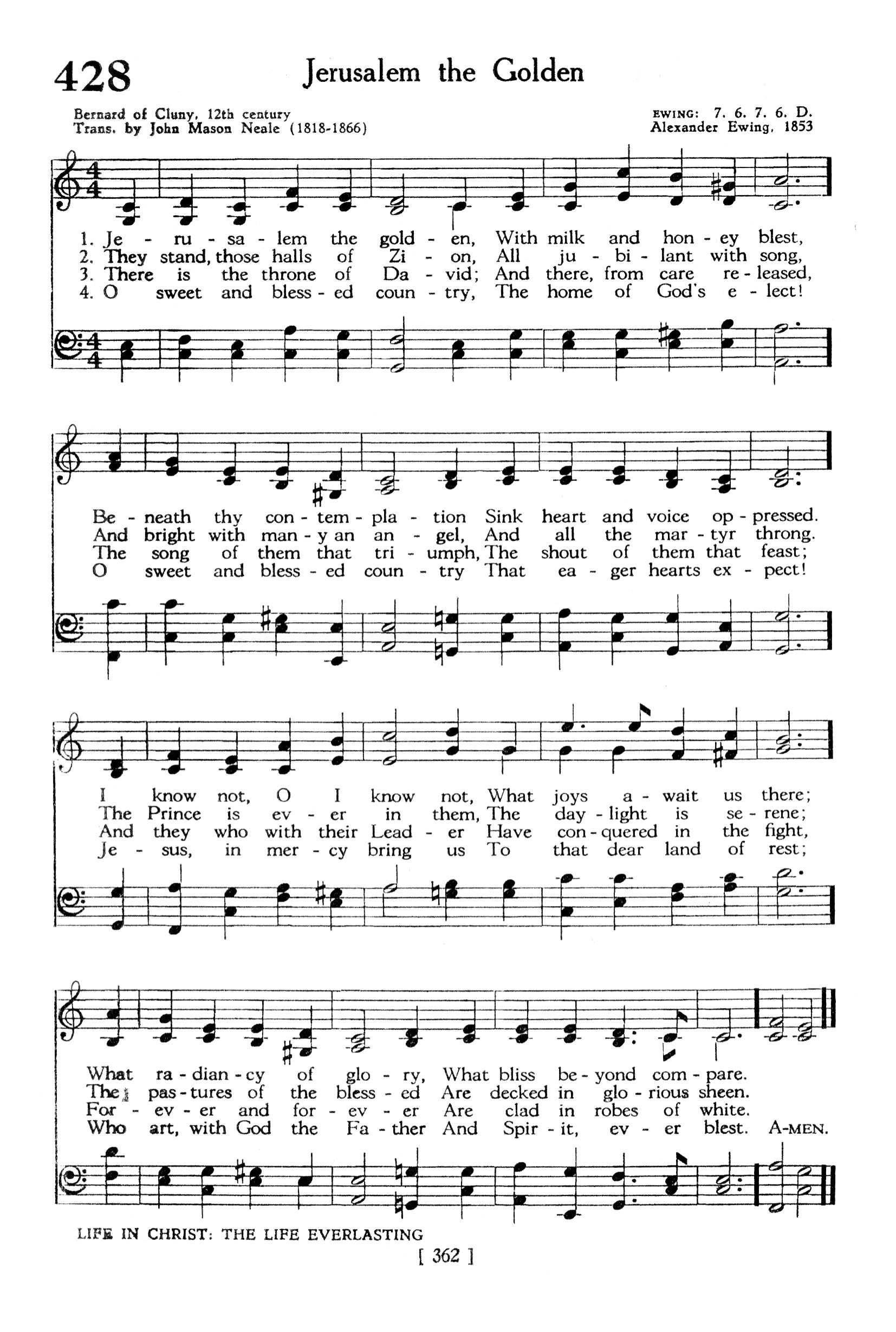
Jerusalem The Golden
-
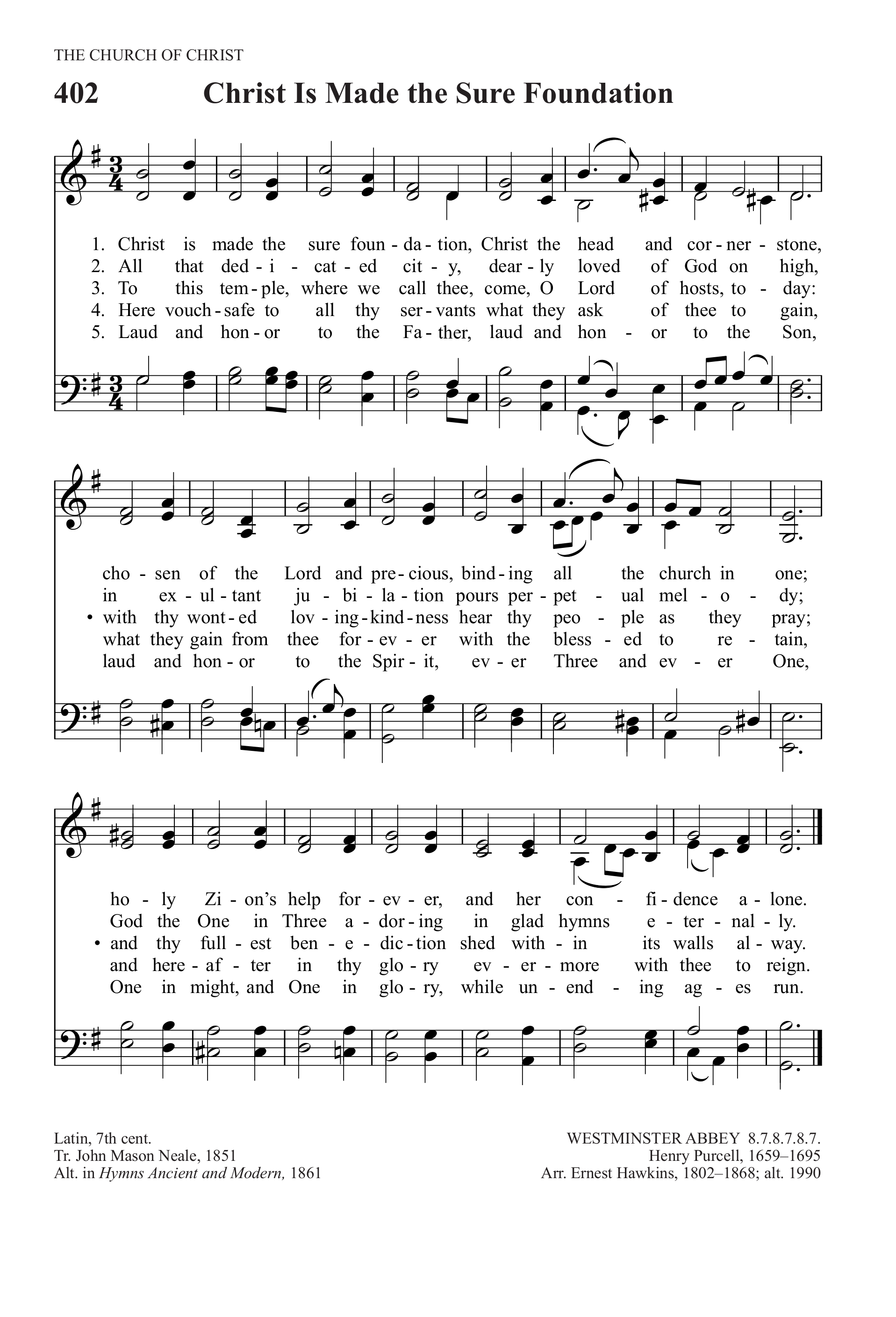
Christ Is Made The Sure Foundation
-
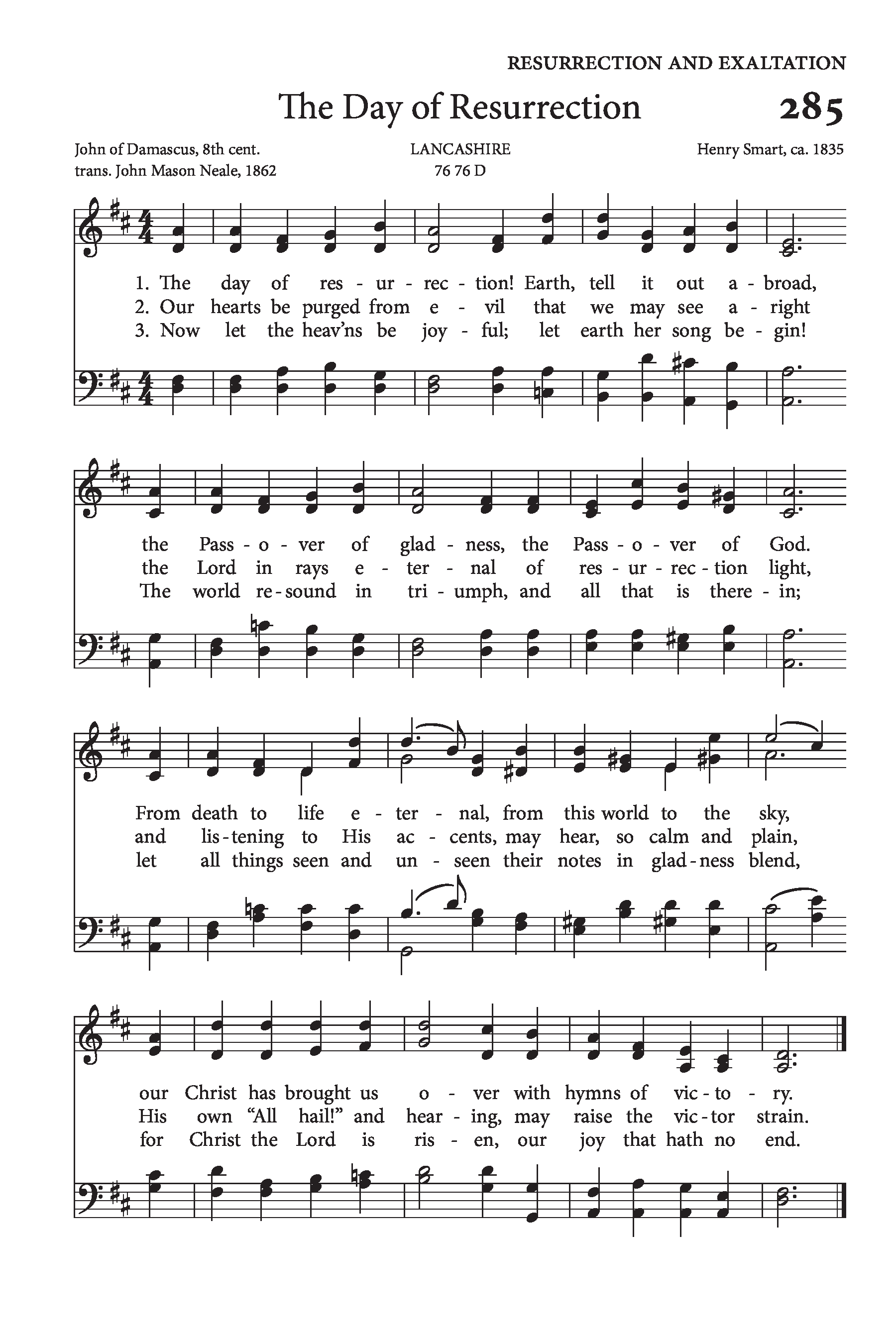
The Day of Resurrection
12 more related hymns below in the sheet gallery.
Related Hymn Sheets
3 shown at a time — use the arrows to browse all 20 sheets.
Related Authors
Writers connected to this dictionary topic.
Keywords
Related terms for this dictionary entry.
Recent Dictionary Entries
Newly added terms from the Dictionary of Hymnology.
If you notice any mistake or have suggestions, please contact us on our contact page.