


Aurora lucis rutilat. [Easter] This hymn is ascribed to St. Ambrose, but was not received among his undoubted works by the Benedictine editors (See Migne's Patrol., tom. 17; the 4th vol. of the works of St. Ambrose). It may be his, but is not specially referred to as such by any early writer. The text is in Daniel, i., No. 79 (the revised Roman Breviary version being given side by side with the original), who says it may be found everywhere in old Breviaries, but for the most part mutilated. It is No. 19 of the Junius MS. of the 8th cent., and Mone, No. 141, has it from a MS. of the Abbey of Reichenau of the beginning of the 9th cent., and from later MSS. at Karlsruhe, etc. Amongst the British Museum MSS. it is in two of the 11th cent. (Vesp. D. xii., f. 70; Jul. A. vi., f. 49); and in the Latin Hys. of the Anglo-Saxon Ch., 1851, p. 84, it is printed from an 11th cent. MS. at Durham.
It will be found in the Hymn. Saris. Lond., 1851, pp. 94, 95; headed "Ad Matutinas, Quotidie usque ad Ascen. Dom.," "At Matins, daily, to the Ascension of the Lord" (i.e. commencing on Low Sunday, the Octave of Easter). This part ends at line 20. Then follows, at Lauds, "Sermone blando Angelus" (to end). So the York use. At Canterbury, St. Alban's, St. Andrew de Bromholm (Norfolk), it would appear that Aurora lucis was said at Lauds entire. Worcester says "Sermone blando Angelus dicitur cum Aurora"; the two hymns are said one with the other: one, it may be, at Matins, the other at Lauds. In the Mozarabic Breviary (Toledo, 1502, f. 297) it is given as the Hymn in the "Ordo Primi" in Easter-tide.
The revised version of this hymn, made for the Roman Breviary, 1632, begins "Aurora coelum purpurat", and is therein divided as follows:
(1) Lines 1-16 of the original became in a revised form the hymn for the Ferial Office at Lauds from Low Sunday to (exclusively) the Ascension.
(2) Lines 17-32 of the entire hymn, "Tristes erant Apostoli" (with doxology of eight lines) are assigned to the Common of Apostles and Evangelists in Easter-tide (Tempore Paschali) at 1st and 2nd Vespers and at Matins.
(3) Lines 32 to end, "Paschale mundo gaudium" (in the original "Claro Paschali gaudio"), to Lauds of the same Common of Apostles and Evangelists. This division of the latter part, for the Common of Apostles and Evangelists, was made by Pope Pius V. (Gavanti, Thes. Sacrorum Rituum.)
Translations of this hymn fall into two main divisions: (I) Translations of the Original Text, and (II) Translations from the Roman Breviary text.
I. Translations of the Original Text:
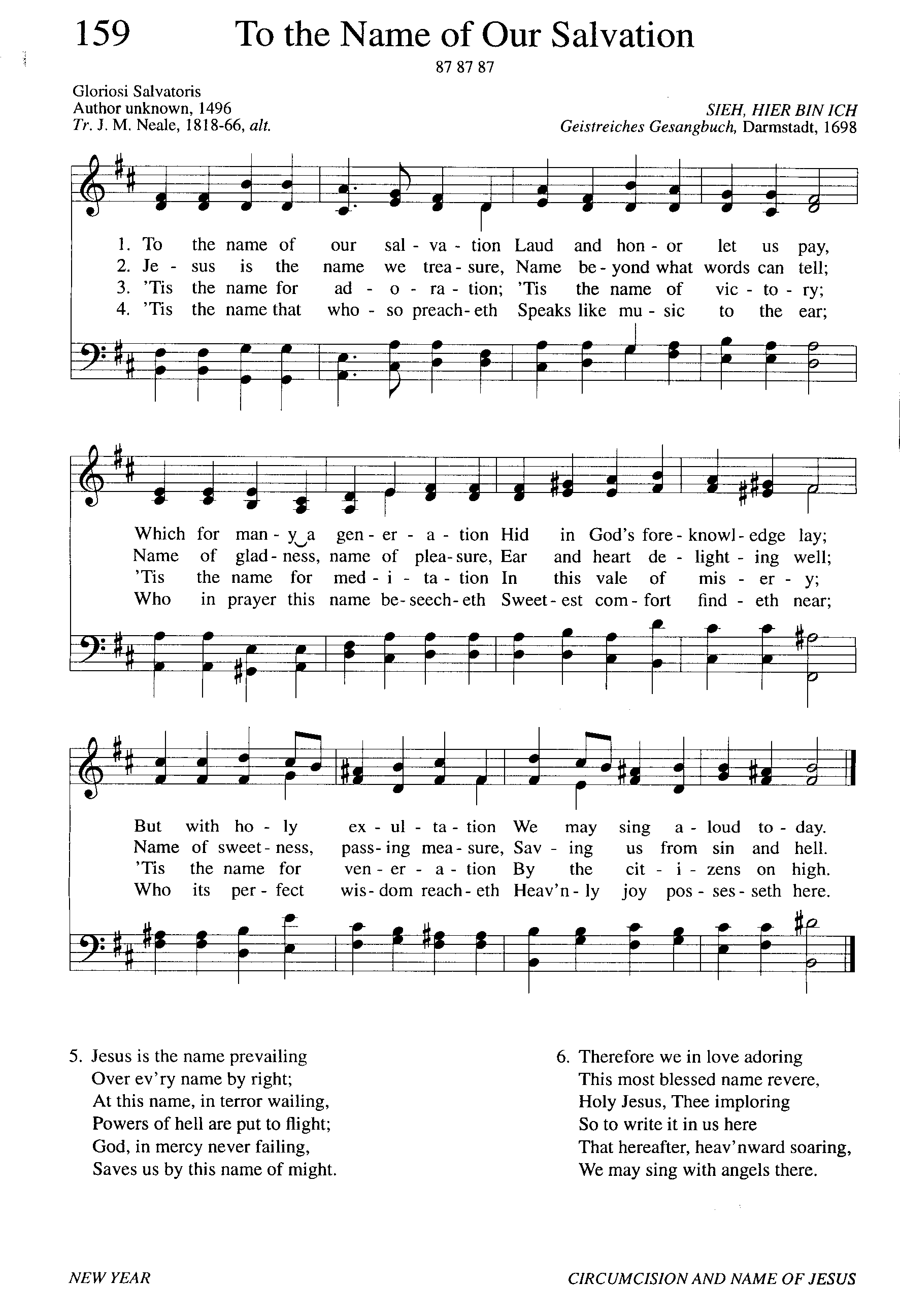
Aurora lucis rutilat ("Light's glittering morn bedecks the sky") / Sermone blando Angelus ("With gentle voice the angel gave"). Translated by Dr. Neale, in two parts, in the Hymnal Noted (1852). Revised for Hymns Ancient & Modern (1861) into three parts:
(i) Aurora lucis rutilat: "Light's glittering morn bedecks the sky"
(ii) Tristes erant Apostoli: "The Apostles' hearts were full of pain"
(iii) Claro Paschali gaudio: "That Eastertide with joy was bright"
Added stanzas: Quaesumus, Auctor omnium ("O Lord of all, with us abide") and Gloria Tibi Domine ("All praise be Thine, O risen Lord").
Light's very morn its beams displays / In accents soft the Angel said. By J. D. Chambers in Lauda Syon (1857).
With gentle voice the Angel gave. Lines 21-44 in the Salisbury Hymn Book (1857, No. 103), altered from Neale, probably by J. Keble.
Now dawning glows the day of days. By Prof. F. J. A. Hort (1858), in J. Ellerton's Hymns for Schools & Bible Classes (1859).
The dawn of light breaks o'er the sky. Altered form of Neale's translation by Rev. F. Pott (1861).
Translations not in Common Use:
(1) The ruddy dawn is breaking / With gentle speech the Angel. Rev. W. J. Blew (1852).
(2) The day-spring fair of light. A. J. B. Hope (1844).
(3) Heaven with rosy morn. Bp. John Williams (1845).
II. Translations of the Roman Breviary Text (Aurora coelum purpurat):
Aurora coelum purpurat:
This holy morn, so fair and bright (later altered to "Bright sunbeams deck the joyful sky"). J. Chandler (1837, 1841).
Morning spreads her crimson rays. Bp. Mant (1837).
The dawn is purpling o'er the sky. W. J. Copeland (1848).
The dawn was purpling o'er the sky. E. Caswall (1849).
With sparkling rays morn decks the sky (later "Morn's glittering light bedecks the sky"). J. A. Johnston (1852, 1856).
The morning purples all the sky. A. R. Thompson (1870).
Not in C. U.: Now morning purples all the skies. Macgill (1876).
Tristes erant apostoli:
Th' Apostles wept with hearts forlorn. W. J. Copeland (1848).
When Christ, by His own servants slain. E. Caswall (1849).
In sorrow steep'd, with hearts forlorn. J. A. Johnston (1852, 1856).
As mourns a widowed bride. Archbishop Benson (1863).
Paschale mundo gaudium:
A fairer sun is risen on earth. W. J. Copeland (1848).
Now daily shines the sun more fair. E. Caswall (1849).
Now shines the sun with brighter ray (later "Bright rose the sun that Easter-day"). J. A. Johnston (1852, 1856).
III. Centos:
G. Rorison's Hymns and Anthems (1851, No. 85): "The Apostles wept with hearts forlorn" (st. i.-iii., Copeland; st. iv.-vi., Rorison).
The People's Hymnal (1867):
(1) "In accents bland the Angel blest"
(2) "The Apostles' hearts with grief were filled"
(3) "In this our bright and Paschal day"
Related Hymns
Hymns in the library connected to this dictionary topic.
-
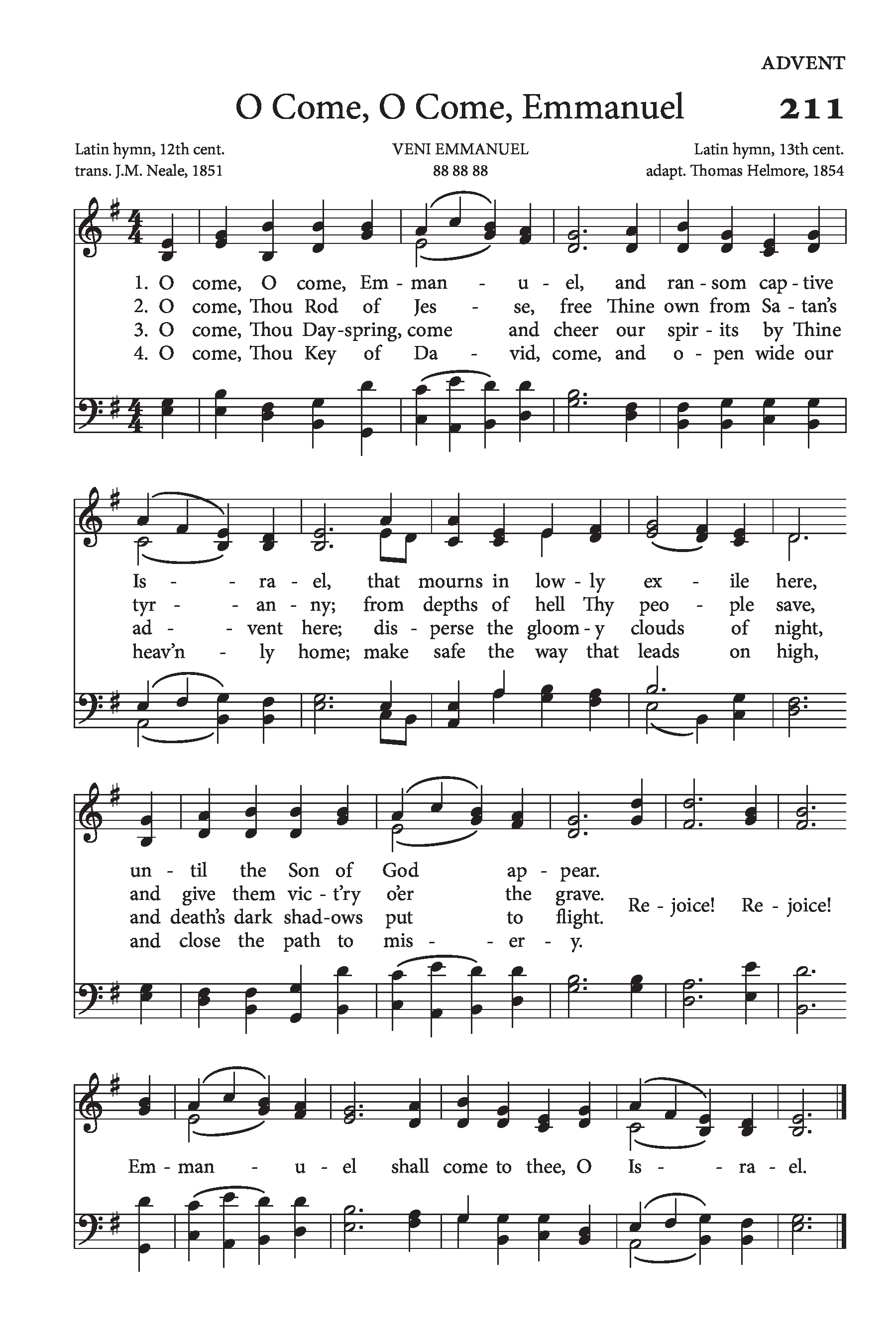
 O Come, O Come, Emmanuel
-
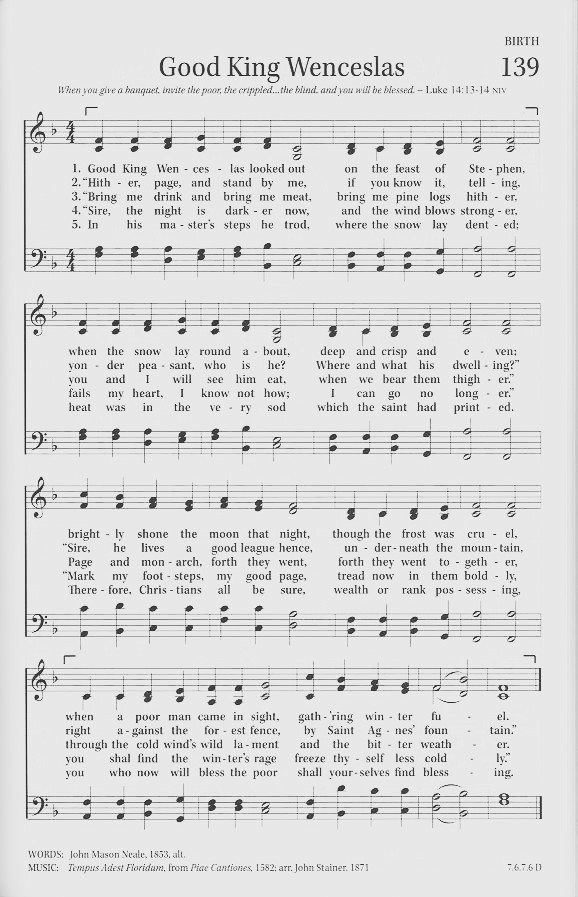
Good King Wenceslas
-
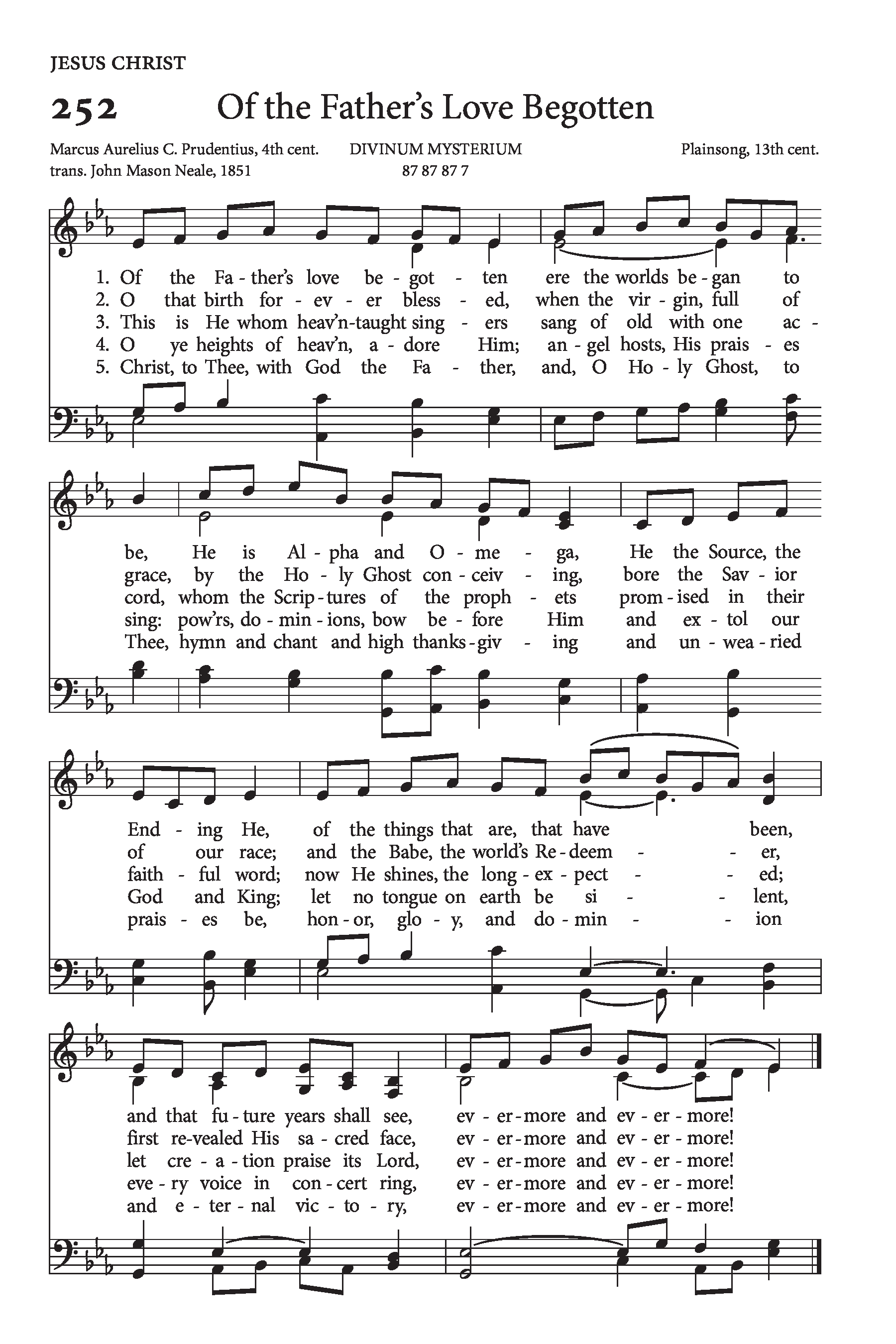
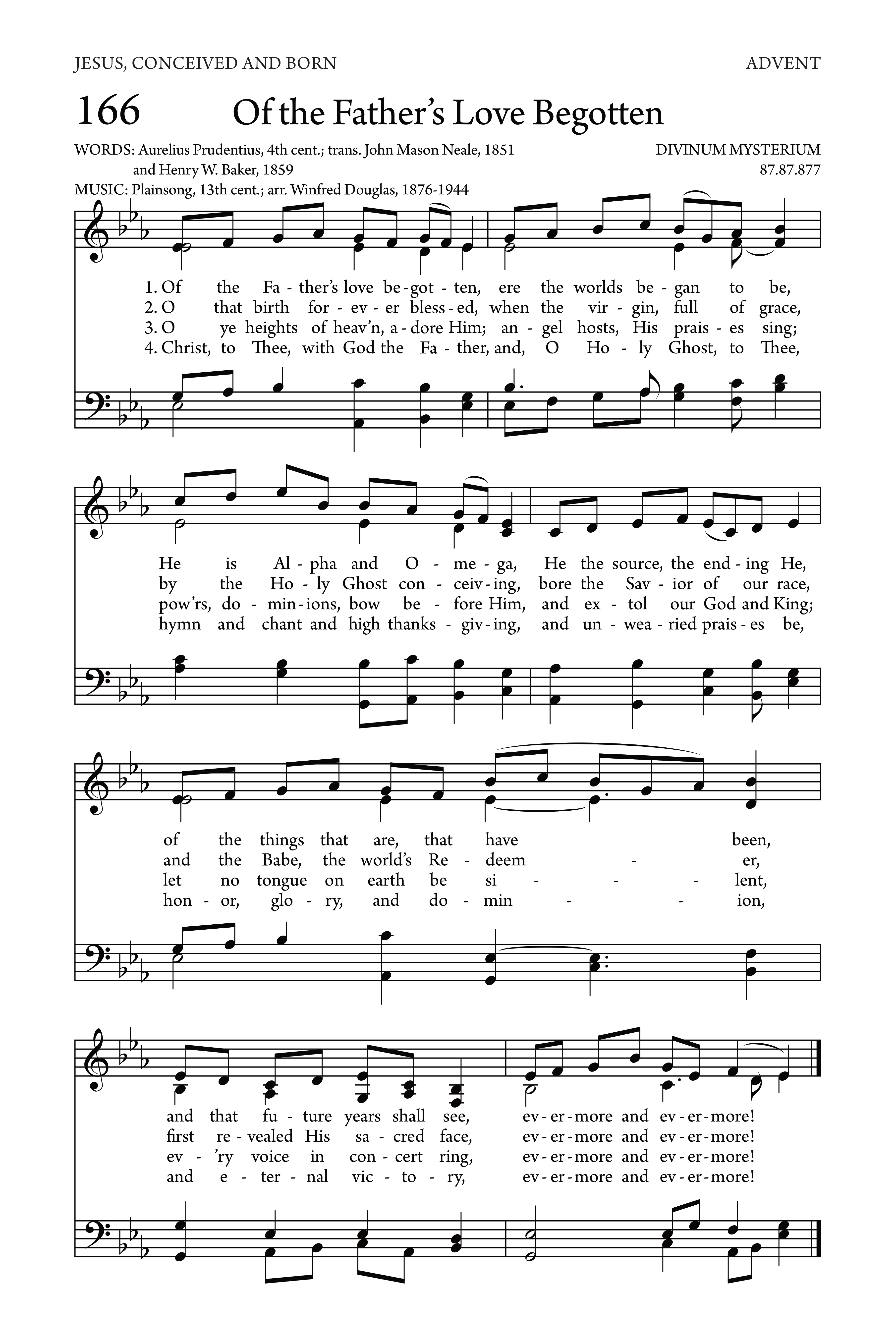
Of the Father's Love Begotten
-
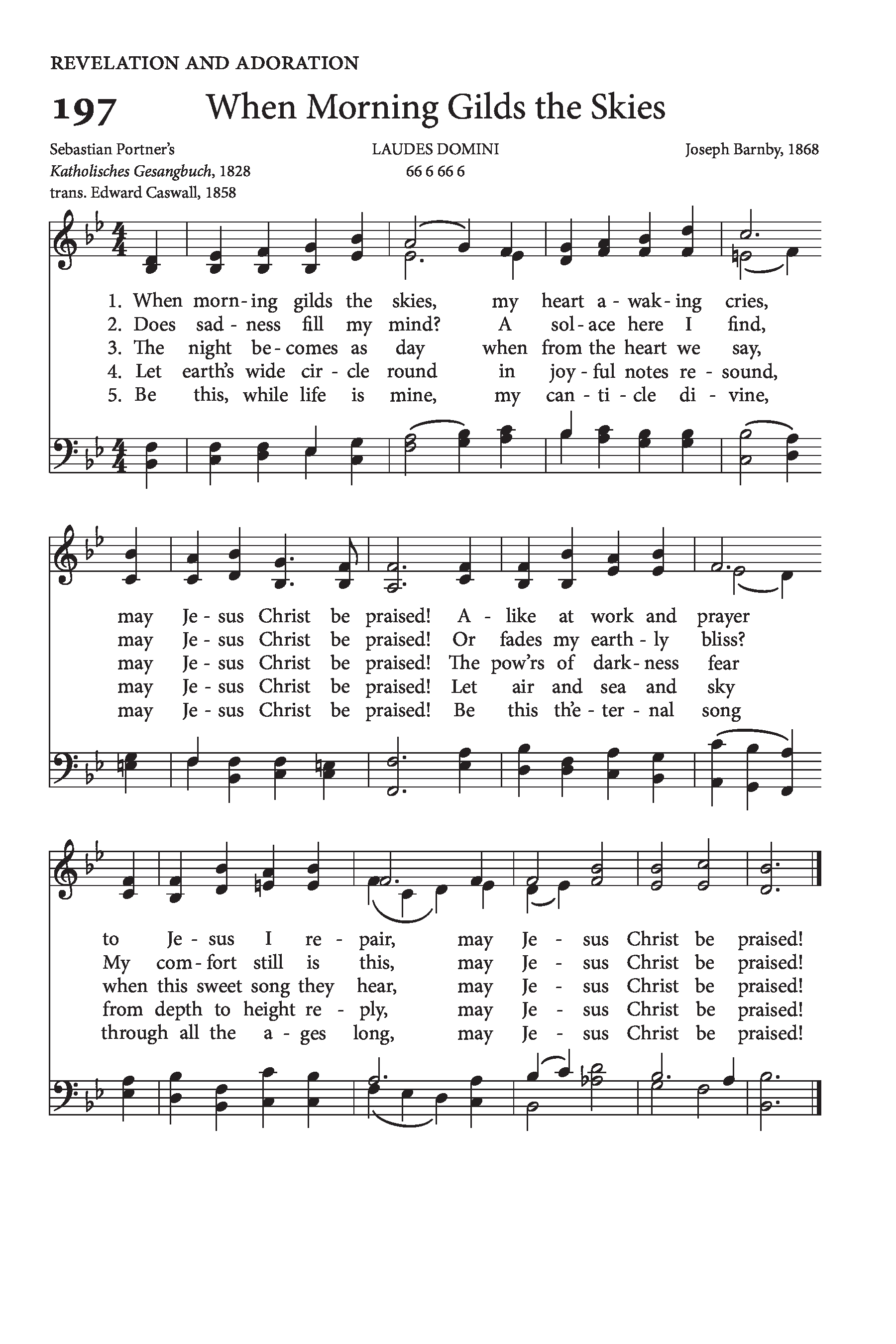
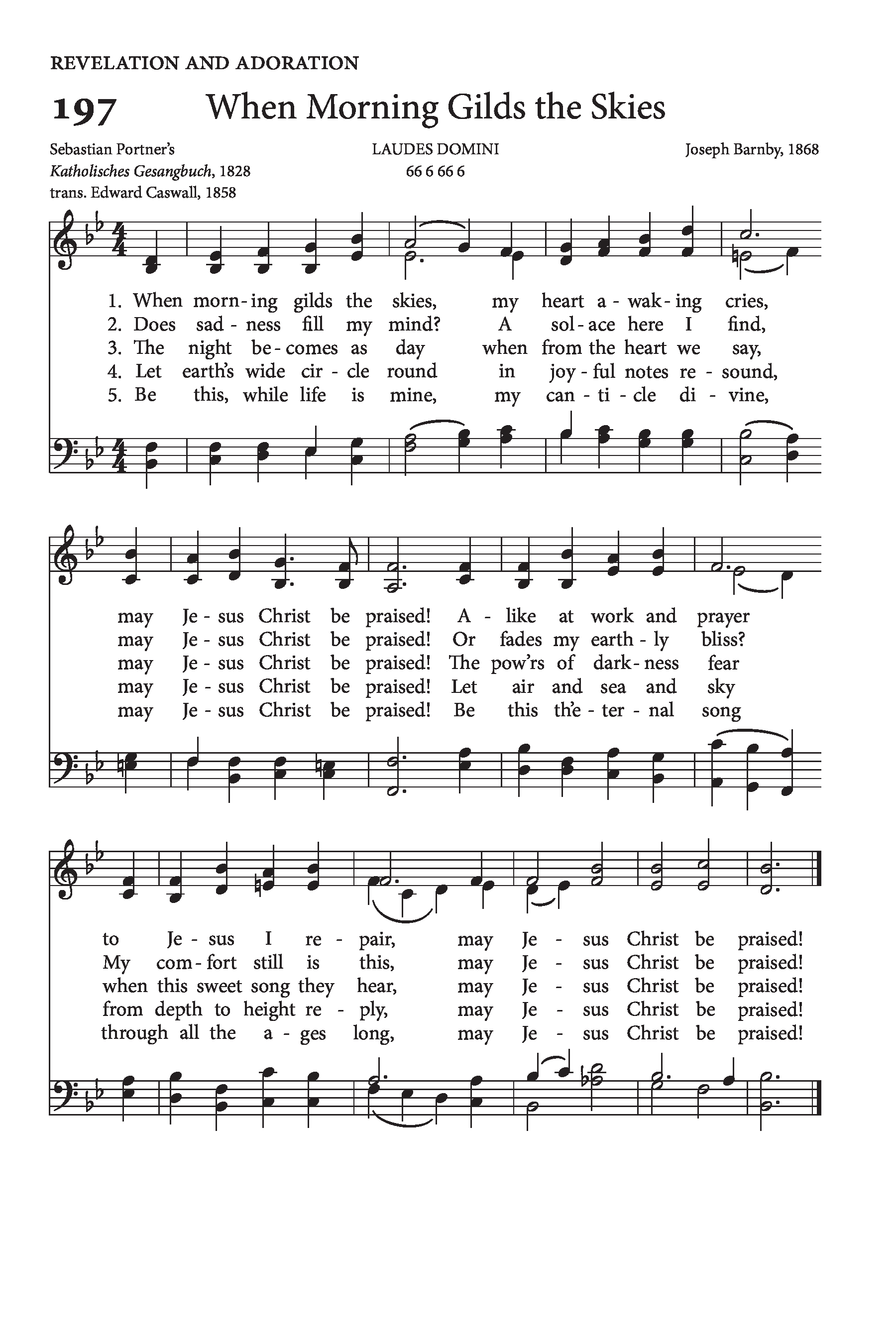
 When Morning Gilds the Skies
-
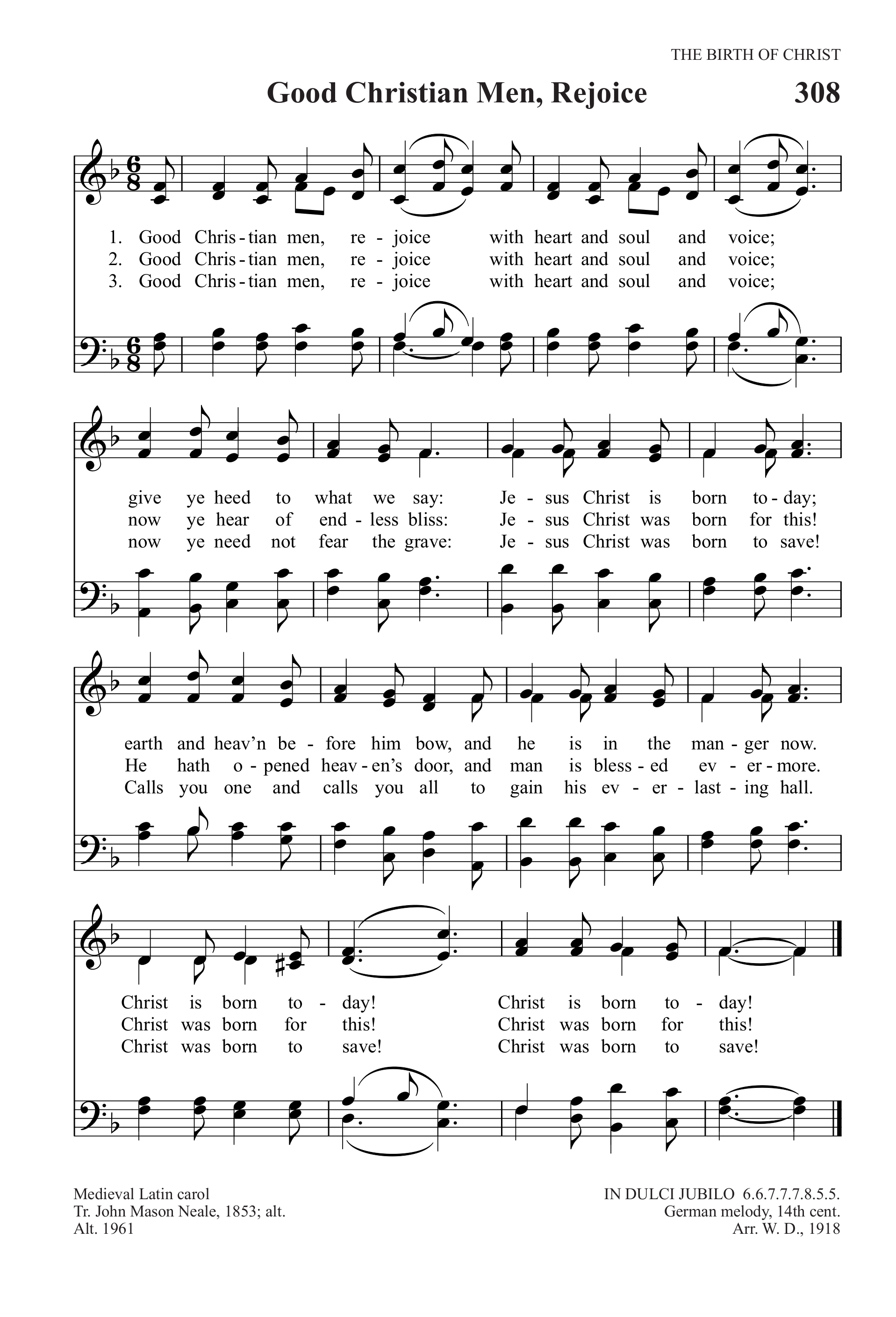
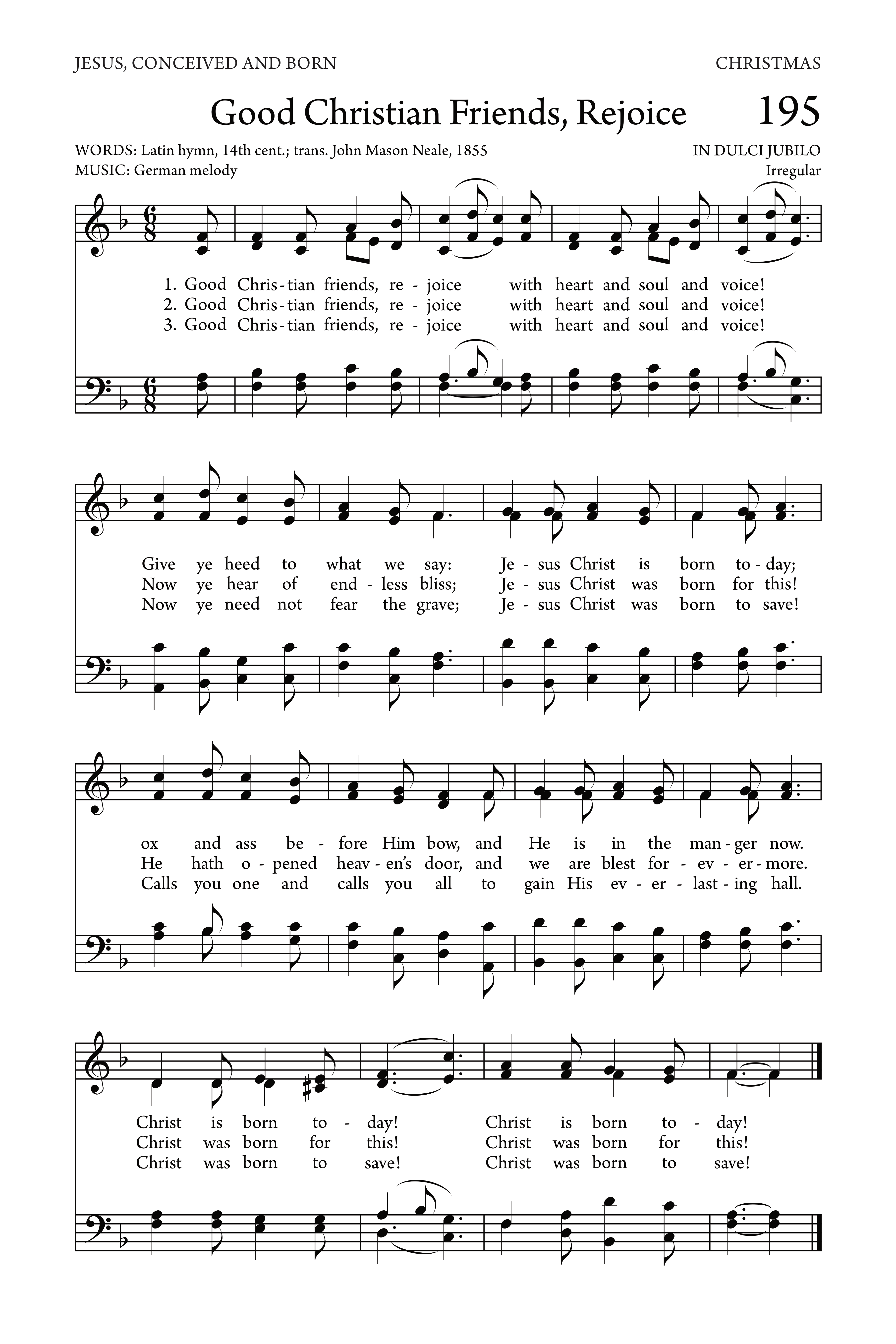
Good Christian Men, Rejoice
-
See, amid the Winter's Snow
-
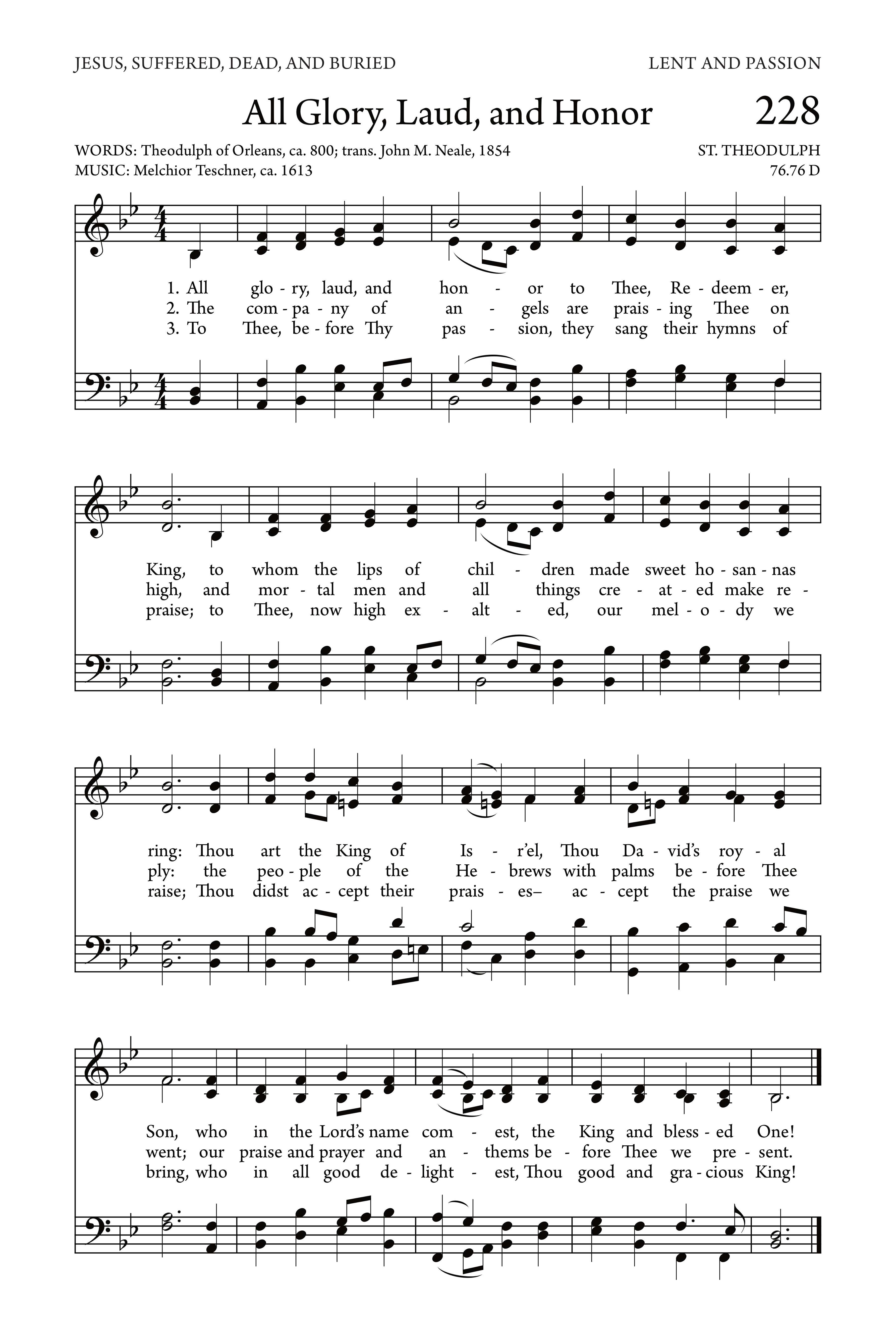
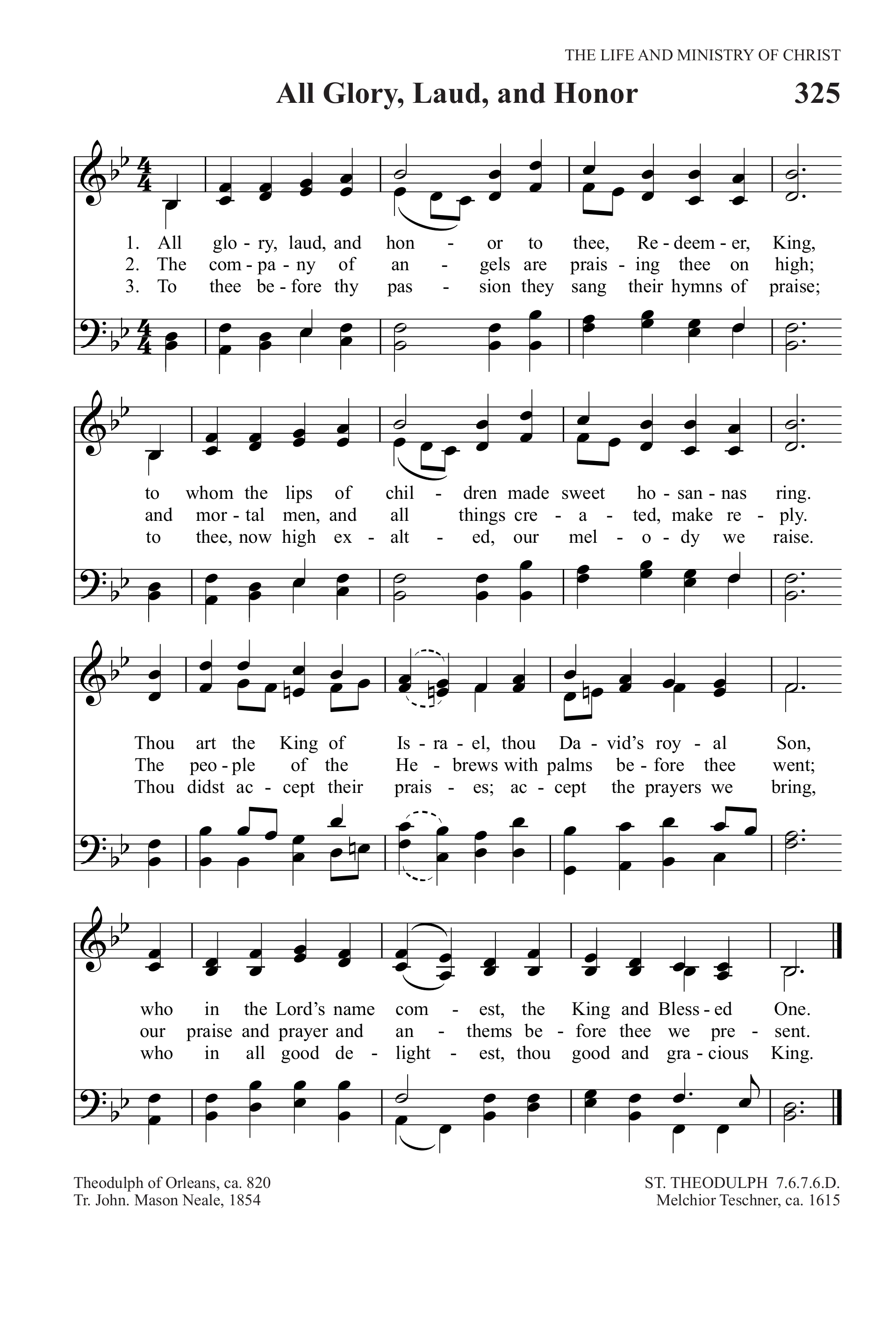
All Glory, Laud, And Honour
-
 May Jesus Christ Be Praised
16 more related hymns below in the sheet gallery.
Related Hymn Sheets
3 shown at a time — use the arrows to browse all 24 sheets.
Related Authors
Writers connected to this dictionary topic.
Keywords
Related terms for this dictionary entry.
Recent Dictionary Entries
Newly added terms from the Dictionary of Hymnology.
If you notice any mistake or have suggestions, please contact us on our contact page.