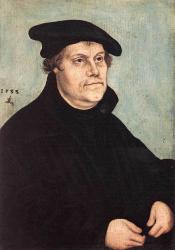
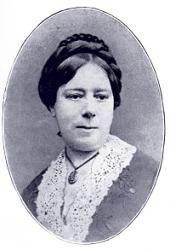
Johannes Agricola (originally named Sneider) was a sixteenth-century Protestant reformer, theologian, and preacher. Born on April 20, 1492, at Eisleben, where his father worked as a tailor, Agricola pursued his university studies at Wittenberg. During his course of study, Martin Luther took a deep personal interest in him, entertaining him at his own table, bringing him to the Leipzig Disputation with Dr. Johann Eck in 1519, and securing for him in 1525 the dual position of Rector of St. Andrew's School and preacher at St. Nicholas's Church in Eisleben.
Agricola remained in Eisleben until 1536, working closely with Luther to advance the Reformation. However, after returning to Wittenberg in 1536 as a university lecturer, he developed distinct Antinomian views. In 1537, he published a series of theological theses that Luther vigorously answered across six disputations between 1538 and 1540. Upon his appointment as Court Preacher at Berlin in 1540, Agricola formally renounced these opinions and declared his adherence to Wittenberg orthodoxy. Nevertheless, after his subsequent appointment as General Superintendent of the Mark, he sought royal favor and joined with two Roman Catholic representatives to draft the controversial Augburg Interim, a formula of religious union presented to the Imperial Diet on May 15, 1548. This compromise alienated fellow Lutherans and brought significant discredit upon his career. He died at Berlin on September 22, 1566. Recognized as one of the finest preachers of his era, Agricola was also a pioneering compiler of German proverbs, publishing an early collection at Zwickau in 1529.
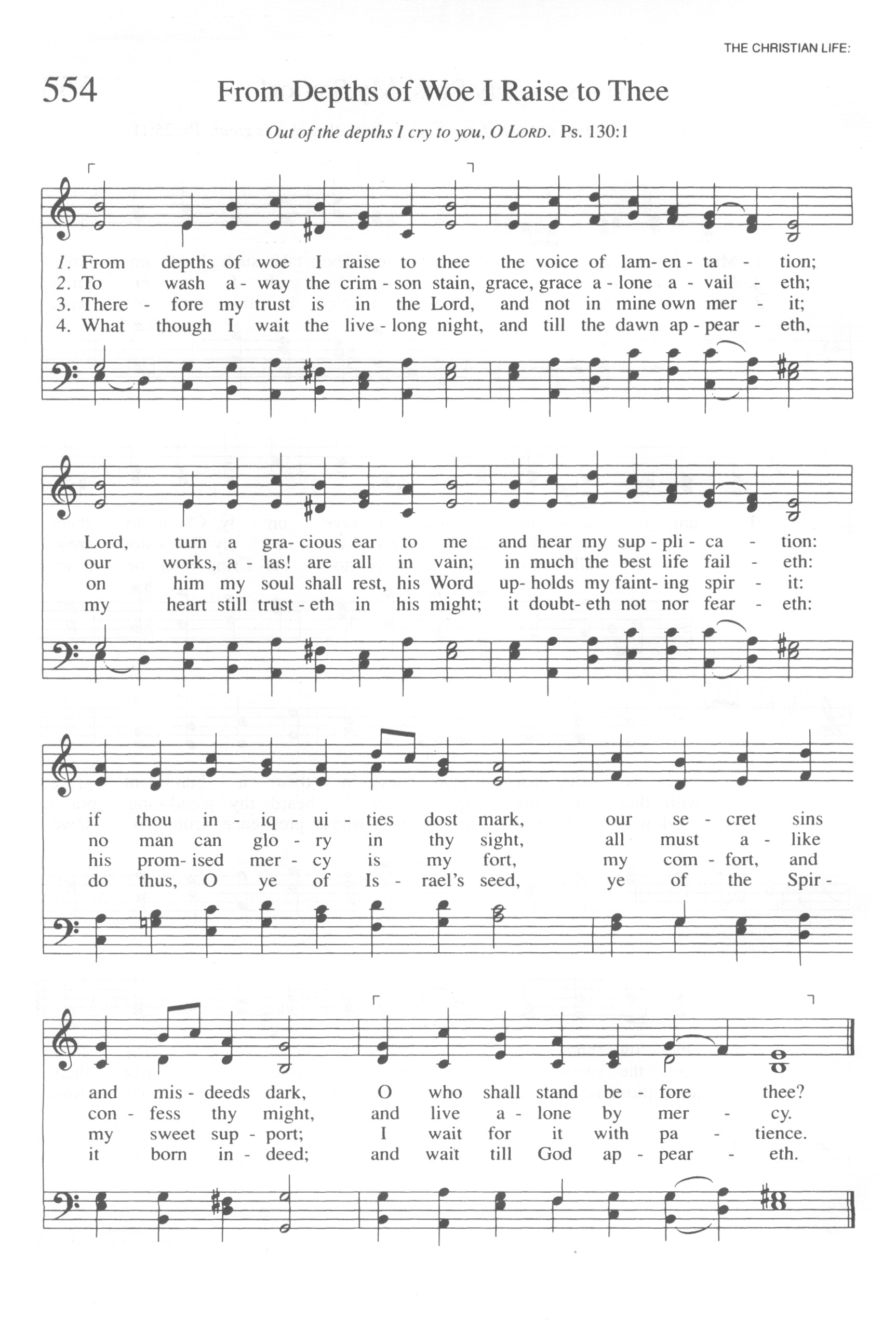
Four hymns composed by Agricola appeared in early Lutheran hymnbooks, two of which were retained by Luther in Valentin Babst's Gesangbuch (Leipzig, 1545). His most enduring hymn is "Ich ruf zu dir, Herr Jesu Christ," a supplication for faith, love, and hope. Printed in five nine-line stanzas, the text appeared on early broadsheets around 1526 and in Joseph Klug's Geistliche Lieder (1529), eventually entering standard Lutheran collections such as the Unverfälschter Liedersegen (1851, No. 379). Hymnologists note that the suppression of Agricola's name in later hymnals was largely due to the disfavor following his Antinomian controversy. The hymn was a favorite of Valerius Herberger and Philip Jakob Spener, the latter requesting it to be sung at his deathbed.
The hymn was translated into English by several prominent figures, entering common hymnal use through two notable renderings:
-
"Lord Jesu Christ, I cry to Thee": Translated by Arthur Tozer Russell (omitting stanza IV) for his Psalms and Hymns (1851, No. 200).
-
"Lord, hear the voice of my complaint": A complete translation by Catherine Winkworth, published in The Chorale Book for England (1863, No. 116).
Additional historical translations include Miles Coverdale's "I call on the, Lorde Jesu Christ" (Goostly Psalmes and Spiritual Songes, 1539), John Christian Jacobi's "I cry to Thee, my dearest Lord" (Psalmodia Germanica, 1722), and Nathaniel Langdon Frothingham's "I cry to Thee, O Christ our Lord!" (Metrical Pieces, 1870).
Related Hymns
Hymns in the library connected to this dictionary topic.
-
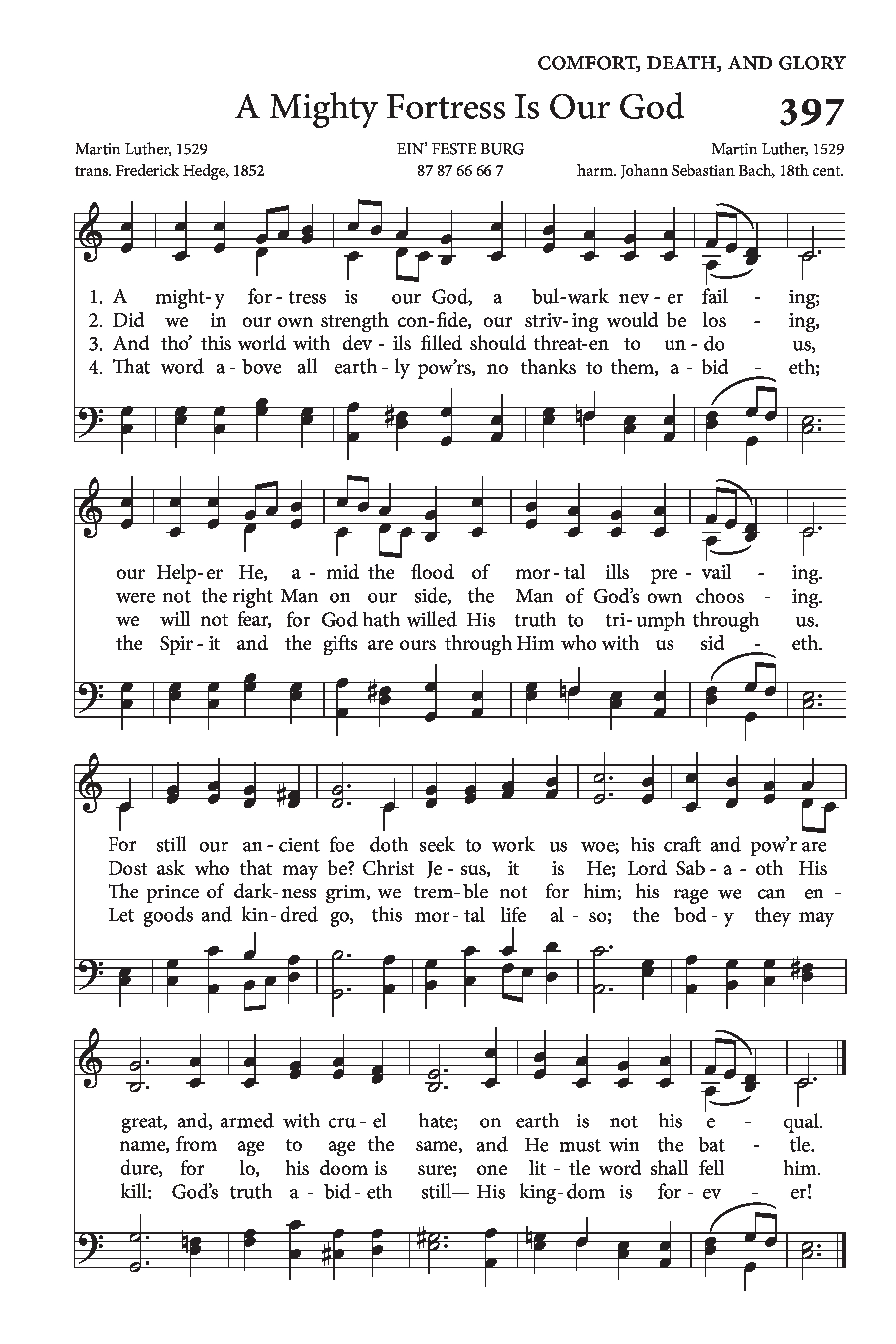
A Mighty Fortress Is Our God
-
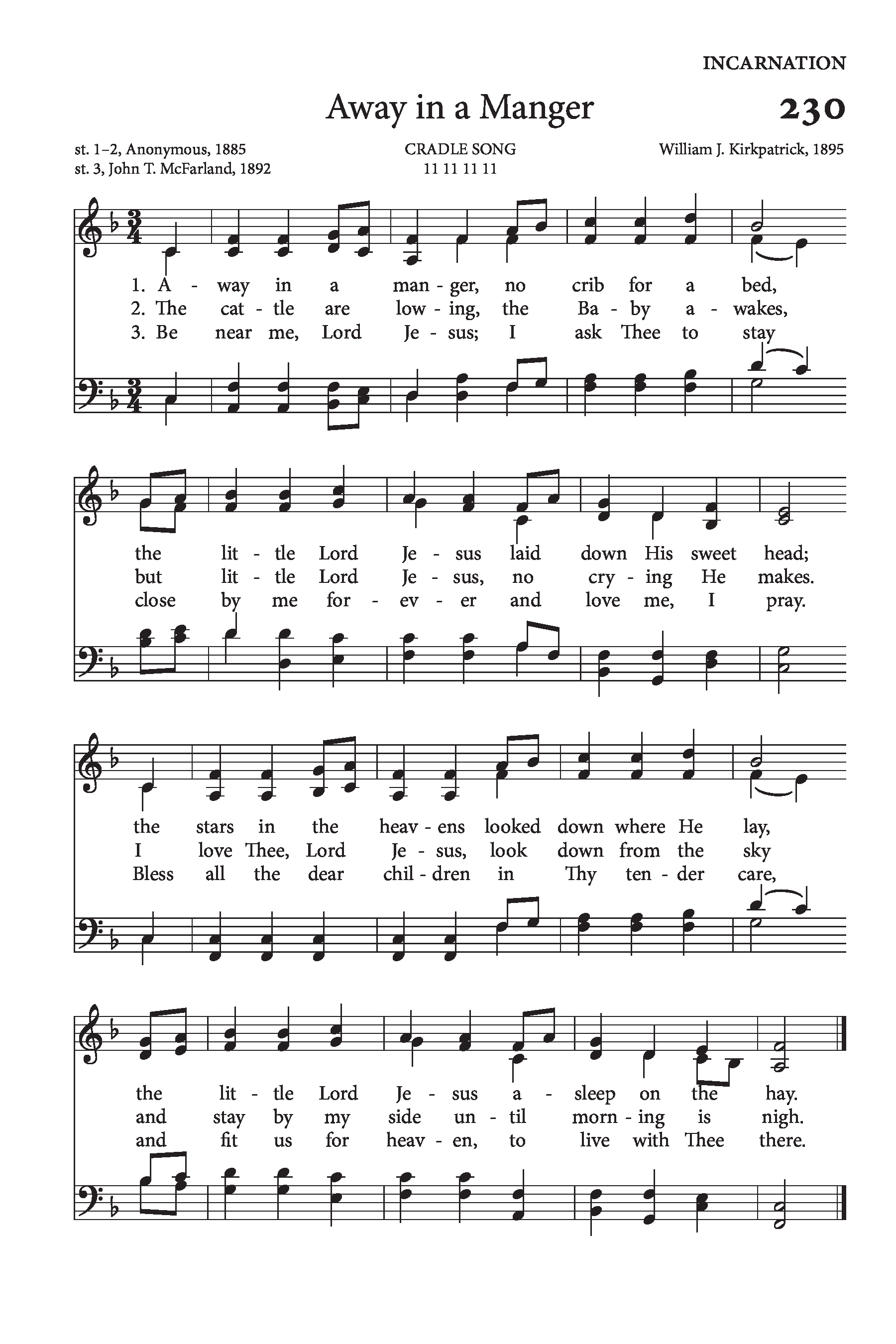
Away in a Manger
-
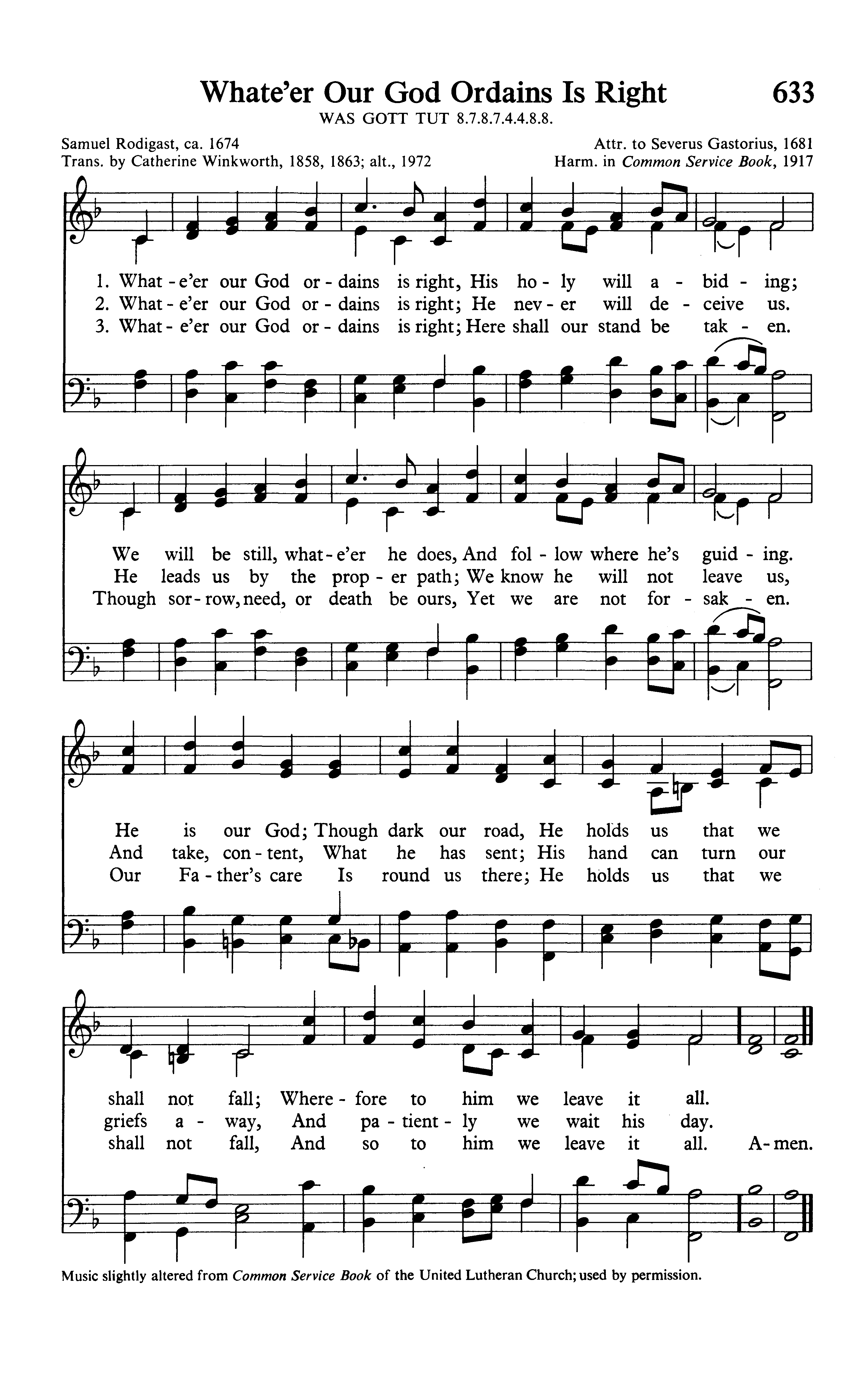
Whate’er My God Ordains Is Right
-
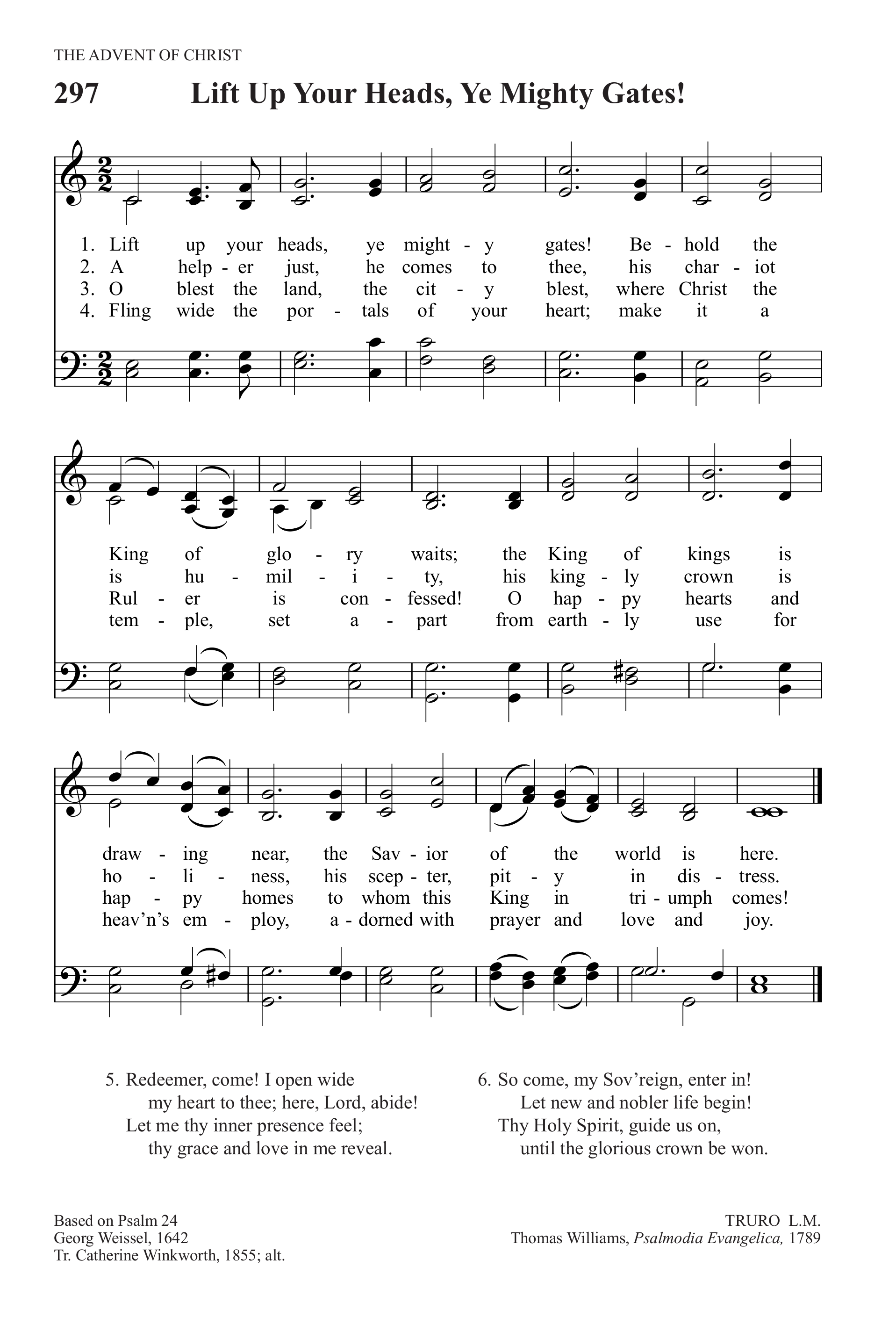
Lift Up Your Heads, Ye Mighty Gates
-
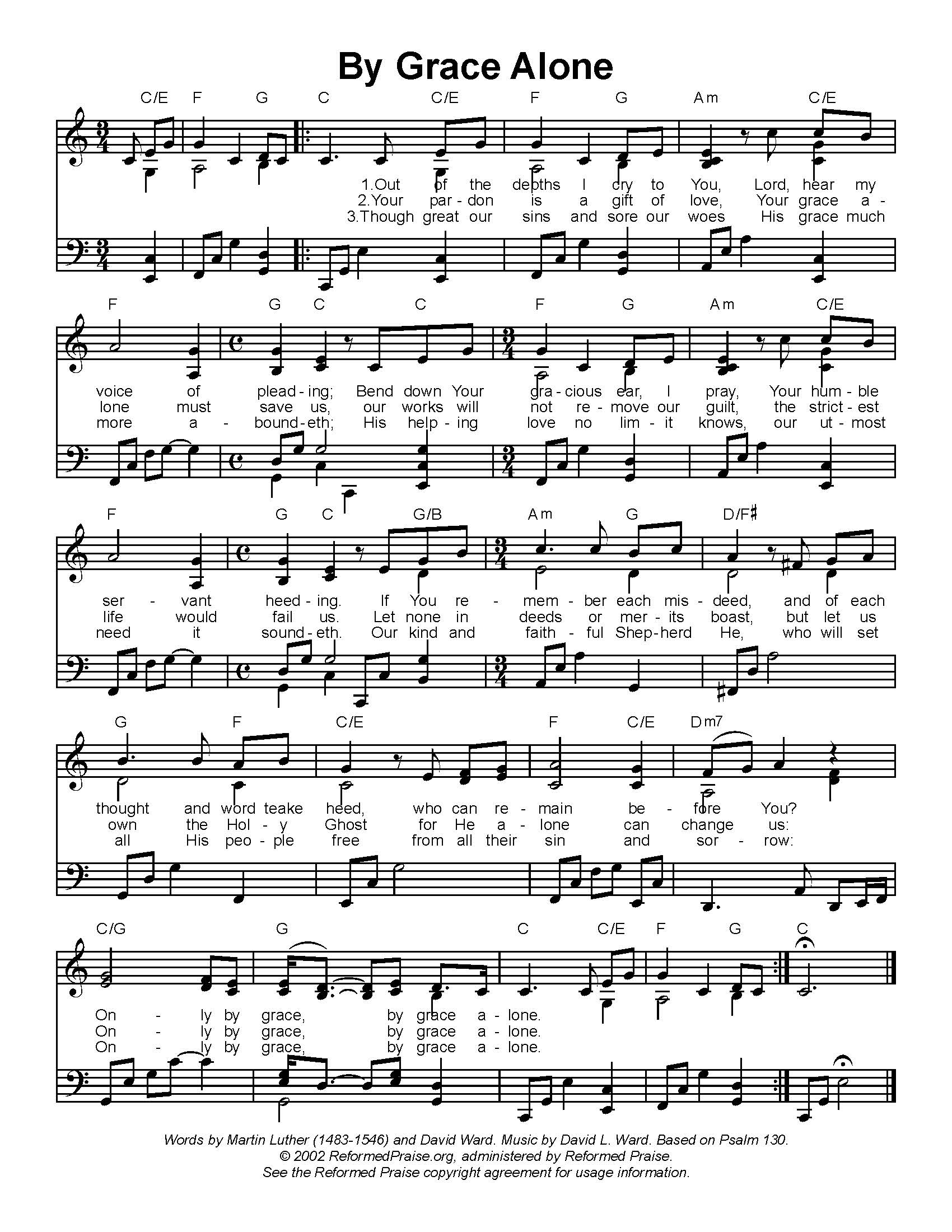
By Grace Alone
-
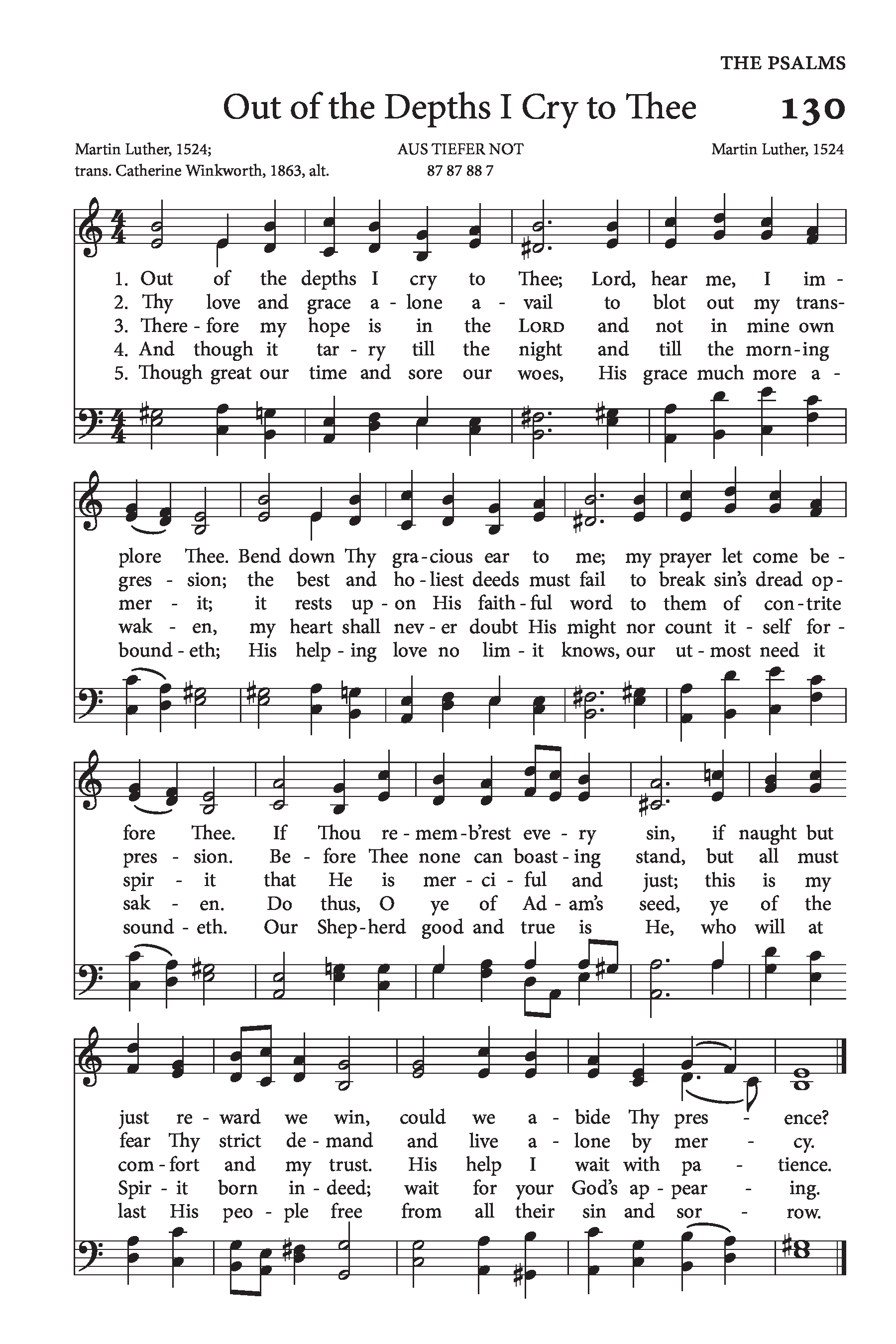
Out of the depths I cry to Thee
-
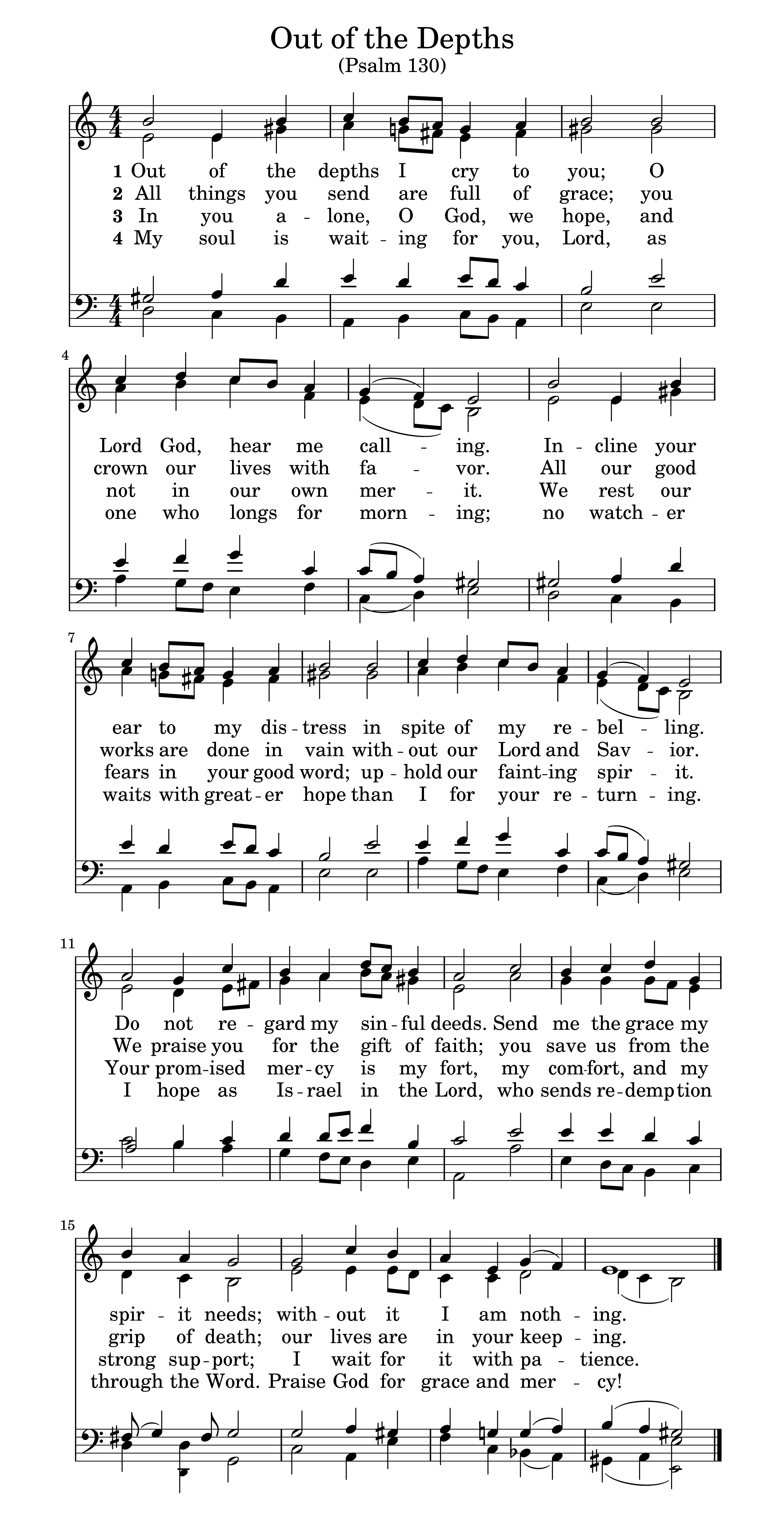
Out of the Depths I Cry to You
-
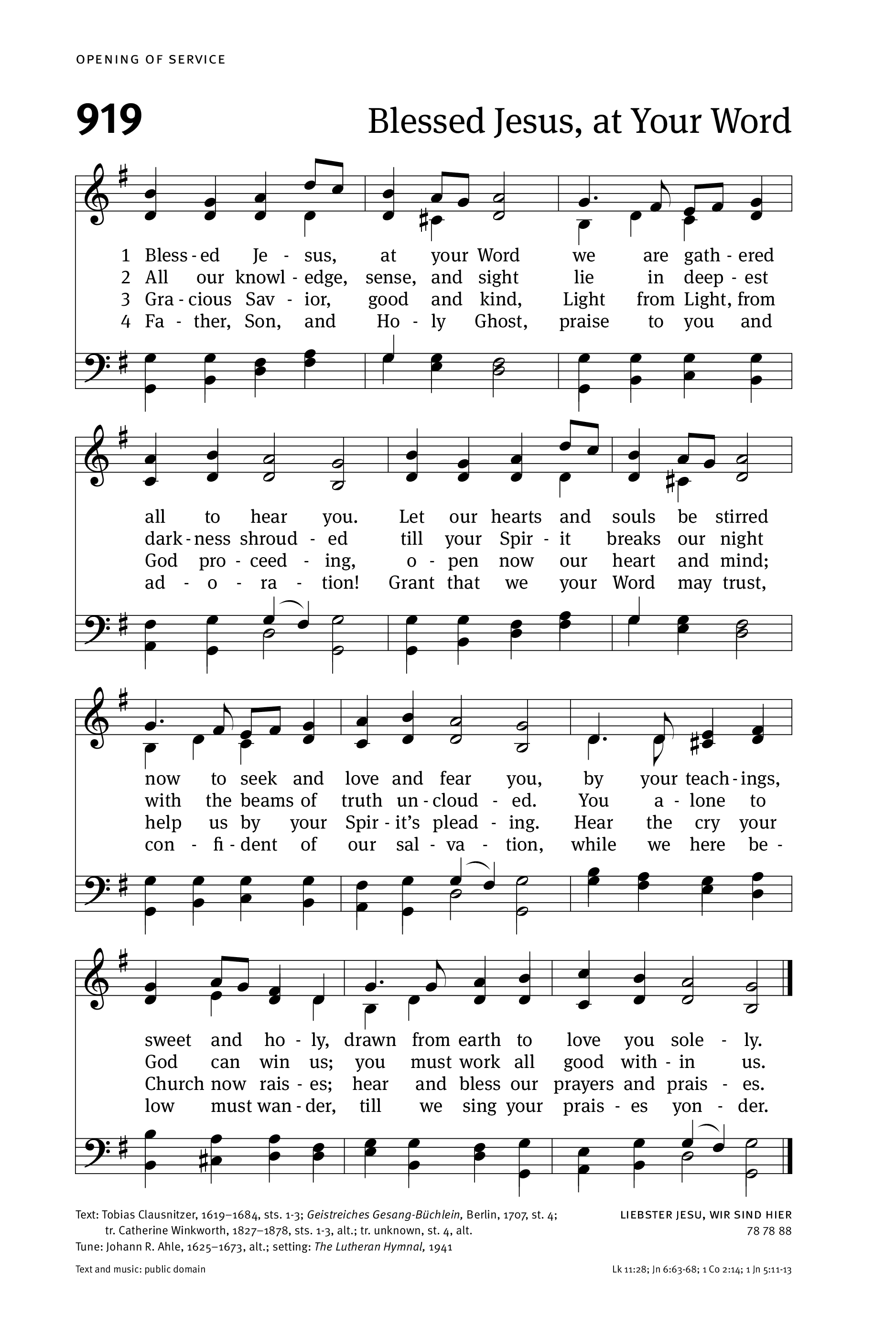
Blessed Jesus, at Thy word
3 more related hymns below in the sheet gallery.
Related Hymn Sheets
3 shown at a time — use the arrows to browse all 11 sheets.
Related Authors
Writers connected to this dictionary topic.
Keywords
Related terms for this dictionary entry.
Recent Dictionary Entries
Newly added terms from the Dictionary of Hymnology.
If you notice any mistake or have suggestions, please contact us on our contact page.