




The study of English Unitarian hymnody requires an understanding of the historical background of the English Presbyterians and associated non-subscribing congregations.
Historical Development and Doctrinal Evolution
The English Presbyterians, after maintaining close fellowship with the Independents during the early decades of the eighteenth century, gradually moved into a separate position. Although forced by circumstances to adopt a congregational system of church government, their stance was solidified following the Salters' Hall controversy of 1719. They established a firm principle of non-subscription to formulated creeds, holding the Bible as their sole standard of authority in matters of doctrine.
While the Independents maintained a consistent Calvinistic stance throughout the eighteenth century, the Presbyterians underwent significant doctrinal shifts. Their original Calvinism yielded to Arminianism, and through the influence of figures such as John Locke and Samuel Clarke, they gradually adopted Arian views. Toward the close of the eighteenth century, influenced by Joseph Priestley and his contemporaries, Arianism shifted toward Unitarianism.
A parallel movement occurred among General Baptist churches, particularly in southern England. These non-subscribing groups were joined by new congregations, including the Unitarian society organized at Essex Street Chapel in London by Theophilus Lindsey in 1774 after he left the Church of England. Additional congregations joined through internal doctrinal development, such as Methodist societies under Joseph Cooke or Joseph Barker, and through missionary efforts. Related non-subscribing groups holding Unitarian doctrines also developed in Wales and Ireland.
Characteristics of Unitarian Hymn Books
Individualism has long characterized these non-subscribing churches and their hymnody. From the mid-eighteenth century onward, numerous collections were published without a single official hymnal recognized by the entire body.
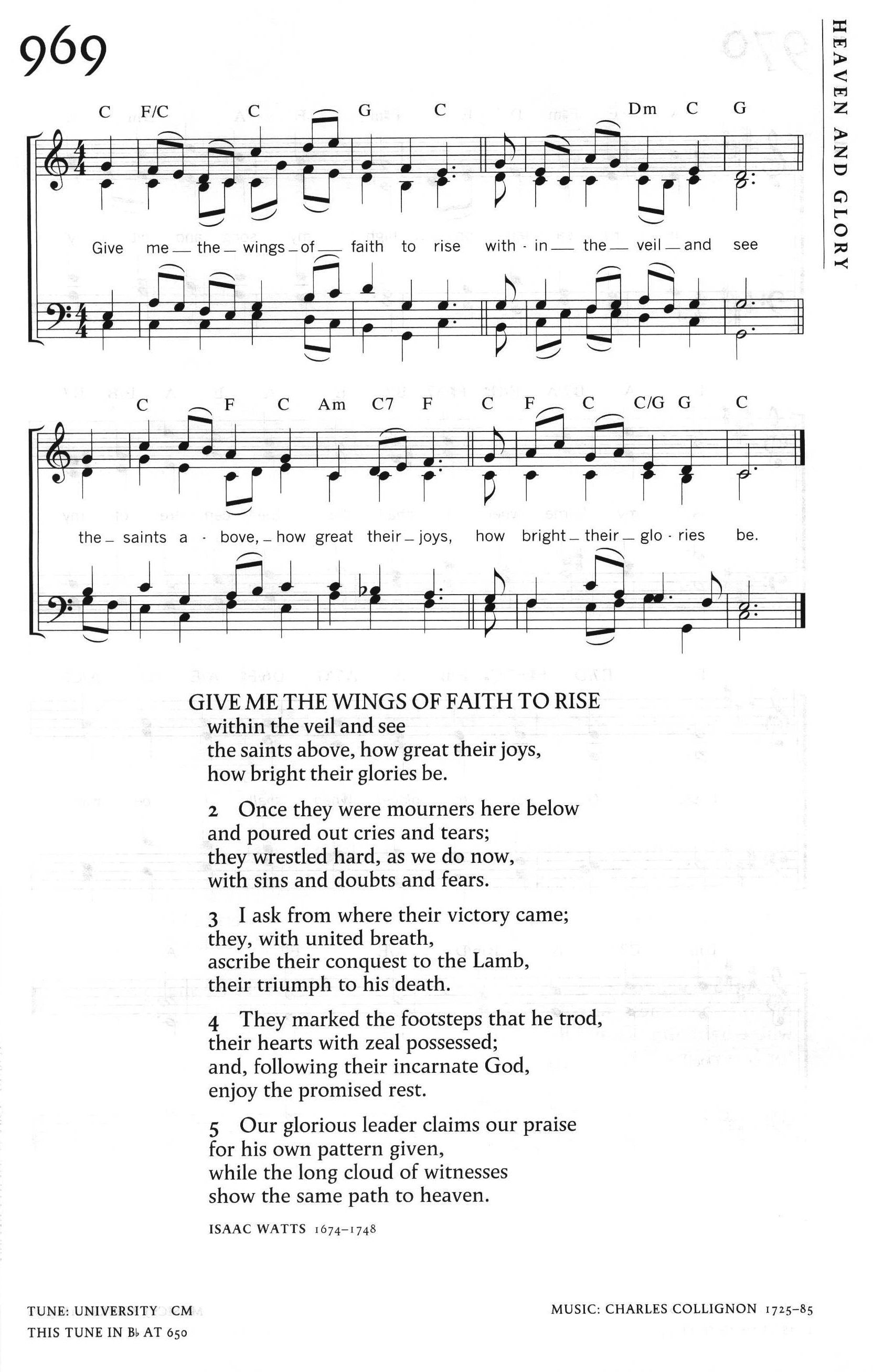
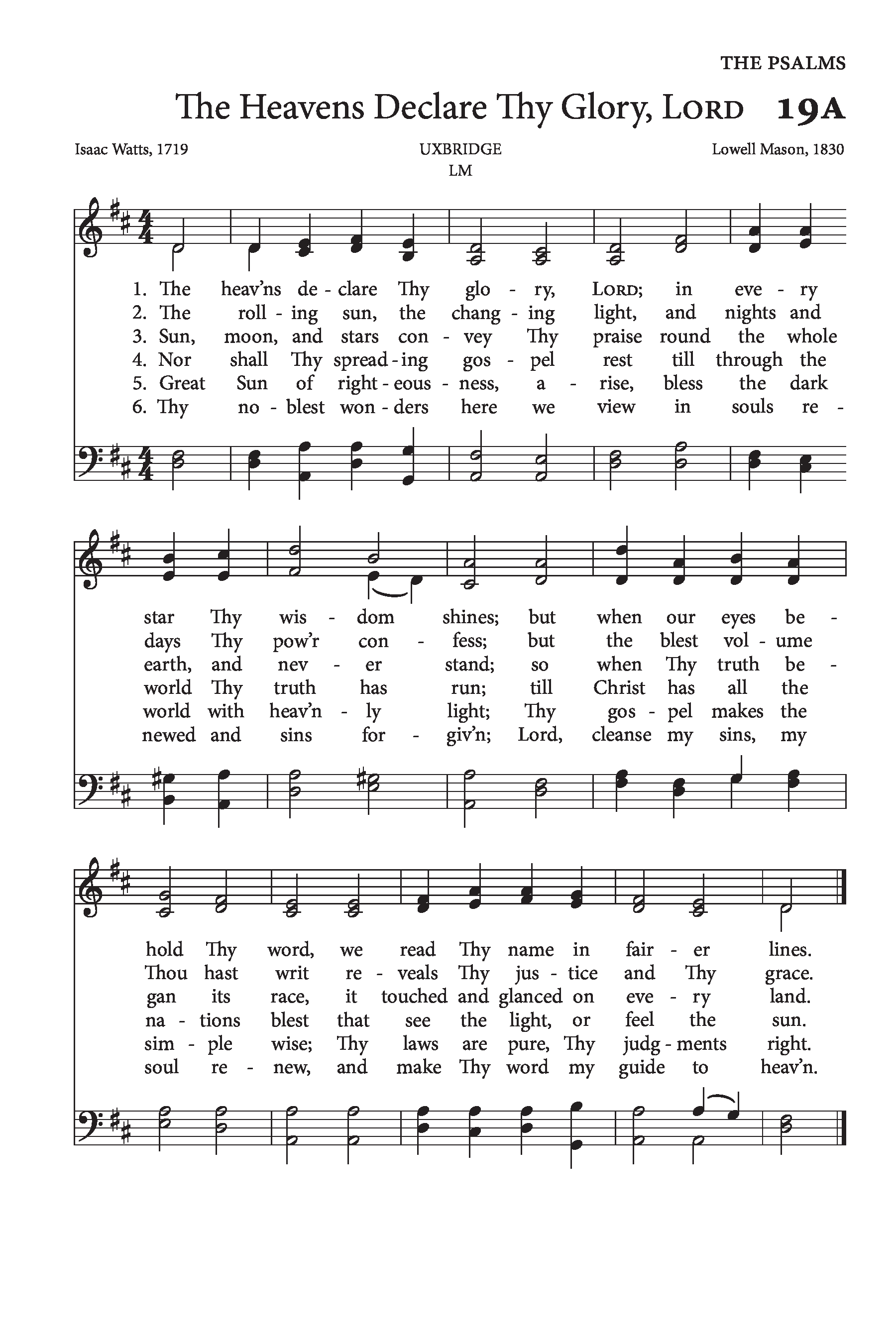
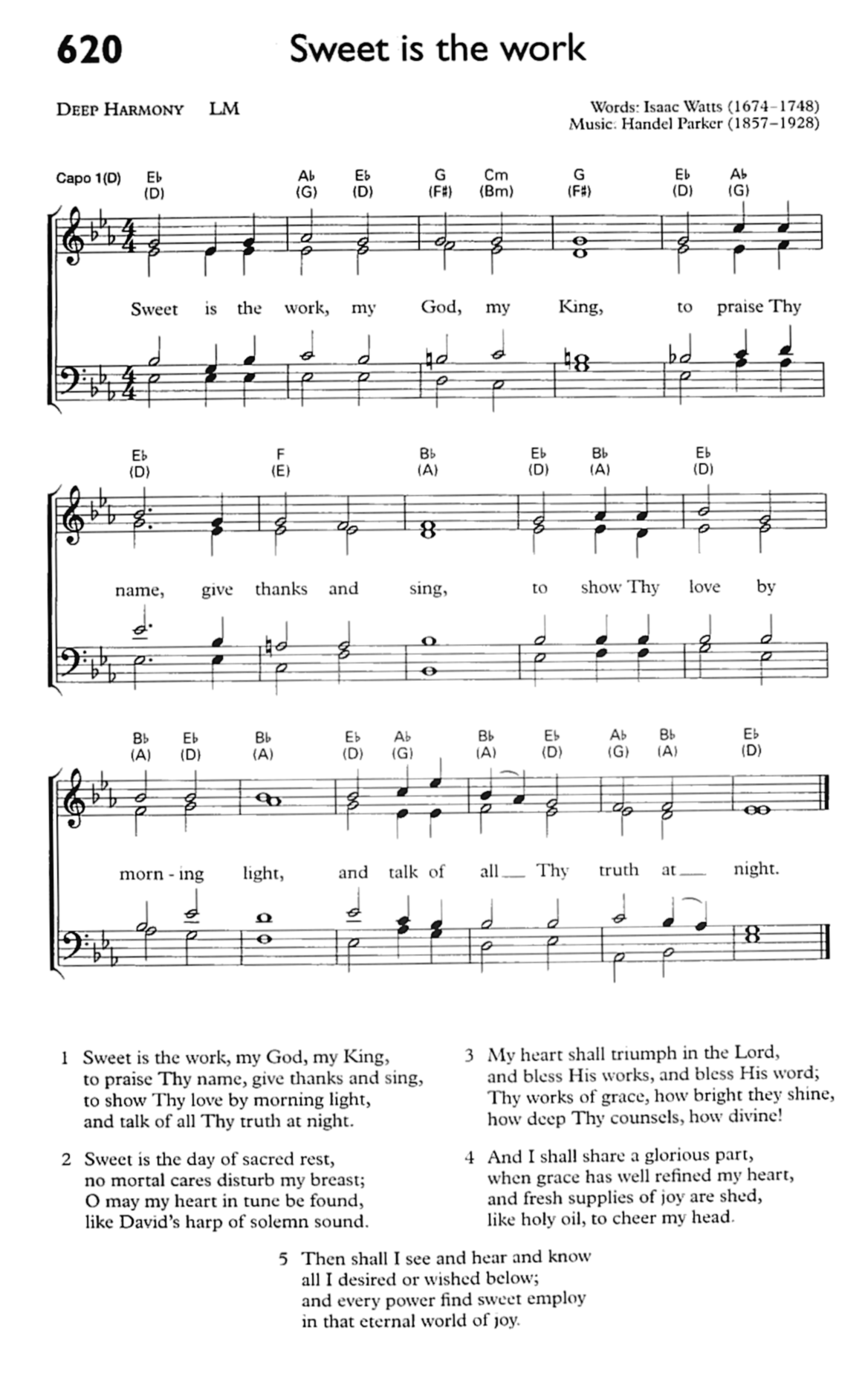
Initially, Isaac Watts's Psalms and Hymns held widespread popularity among Presbyterians. His metrical psalms quickly superseded earlier volumes and remained in use in many congregations into the late eighteenth century. However, as Arian views spread, Presbyterian ministers began compiling new collections or adapting existing works to align with their evolving theological perspectives.
                  [ Evolution of Unitarian Hymnody ]
                                   │
         ┌─────────────────────────┼─────────────────────────┐
         ▼                         ▼                         ▼
[ Early Arian Compilations ]   [ The Kippis Era (1795) ]   [ The Martineau Era (1840) ]
• Towgood's Exeter (1757)      • Kippis & Rees Coll.       • Shift to devotional experience
• Pope's Collection (1760)     • Widespread adopt.         • Inclusion of global writers
• Enfield's Collections        • Objective piety           • Broad Christian scope
Chronology of Important Hymn Collections
1. Early Arian and Presbyterian Collections (1757–1790)
-
1757 — Exeter Collection: A Collection of Psalms and Hymns for Divine Worship, published by J. Noon (London) and Aaron Tozer (Exeter), edited by Micaiah Towgood. It contained 218 pieces by Watts, Addison, Tate & Brady, Browne, and Doddridge. A second edition featuring 345 entries appeared in 1779.
-
1760 — Pope's Collection: Psalms and Hymns for Divine Worship, compiled by Michael Pope for the Leather Lane Meeting, London. It featured 229 psalms and 203 hymns, introducing original compositions by Presbyterian ministers such as Kippis, Flexman, Browne, and Grove.
-
1764 — Liverpool Collection: A New Collection of Psalms proper for Christian Worship, edited by John Breckell and William Enfield for Key Street and Benn's Garden chapels. Later expanded in 1787 to include hymns by Anna Laetitia Barbauld and Thomas Scott.
-
1772 — Warrington Collection: Hymns for Public Worship, edited by William Enfield as a supplement to Watts, prominently featuring Doddridge, Barbauld, and Scott.
-
1774 — Essex Street Collection: A Collection of Hymns and Psalms for Public Worship, compiled by Theophilus Lindsey for the Essex Street Chapel in London, initially featuring 127 hymns.
-
1778 — Salisbury Collection: A Collection of Hymns for Public Worship: on the general Principles of Natural and Revealed Religion, edited in part by Benjamin Williams. It introduced varied metres and adaptations of Wesleyan hymns.
-
1786 — York Collection: A Selection of Psalms for Social Worship, compiled by Newcome Cappe, focusing on non-sectarian language for common worship.
-
1790 — Birmingham New Meeting Collection: Edited by William Hawkes and Joseph Priestley, introducing revisions to Watts's text to reflect Unitarian views.
2. Irish Presbyterian Collections (1787–1818)
-
1787 — Lisburn Collection: Hymns for the use of the Presbyterian Congregation in Lisburn, containing 100 entries.
-
1788 — Londonderry Collection: A Collection of Psalms and Hymns proper for Christian Worship, later discarded by the congregation as non-orthodox.
-
1801 / 1818 — Belfast Collections: Psalms, Hymns and Spiritual Songs (1801), replaced in 1818 by the Selection of Psalms and Hymns for the Presbytery of Antrim and Strand Street, Dublin.
3. Nineteenth-Century Major Collections
-
1795 — Kippis Collection: A Collection of Hymns and Psalms for Public and Private Worship, edited by Andrew Kippis, Abraham Rees, Thomas Jervis, and Thomas Morgan. Containing 690 hymns, it became the standard Unitarian collection across England for several decades.
-
1810 — Aspland's Collection: A Selection of Psalms and Hymns for Unitarian Worship, compiled by Robert Aspland of Hackney. This volume was among the first to use the term Unitarian on its title page.
-
1812 — Exeter Collection: A Collection of Psalms and Hymns for Social and Private Worship, edited primarily by Lant Carpenter.
-
1830 — Howse's Collection: A Selection of Hymns and Psalms for Christian Worship, compiled by H. E. Howse Jr., which saw nine editions and gained wide use among General Baptist Unitarian congregations.
-
1837 — Beard's Collection: A Collection of Hymns for Public and Private Worship, edited by John R. Beard, featuring strictly Unitarian authors.
-
1840 — Martineau's First Collection: Hymns for the Christian Church and Home, compiled by James Martineau. Containing 650 entries (with Sarah Flower Adams's "Nearer, my God, to Thee" added as No. 651 in 1853), it marked a shift toward personal religious feeling over objective dogma.
-
1873 — Martineau's Second Collection: Hymns of Praise and Prayer, featuring 797 entries focused on the inner spiritual life and drawing from authors across diverse Christian traditions.
Notable Authors and Contributors
Unitarian collections drew heavily from broader Christian authors, but several notable Unitarian writers contributed original hymns to these volumes:
Early and Arian Era
-
Henry Grove (1684–1738)
-
Thomas Scott (1705–1775)
-
Roger Flexman (1708–1795)
-
John Breckell (1696–1769)
-
Benjamin Williams (1725–1795)
-
Henry Moore (1732–1802)
Late Eighteenth and Early Nineteenth Centuries
-
Anna Laetitia Barbauld (1743–1825)
-
John Aikin (1747–1822)
-
William Roscoe (1753–1831)
-
Helen Maria Williams (1762–1827)
-
William Hamilton Drummond (1778–1865)
-
William Johnson Fox (1786–1864)
-
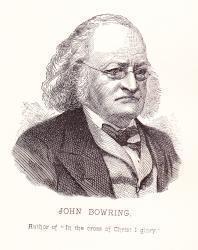
Sir John Bowring (1792–1872)
Nineteenth Century
-
Sarah Flower Adams (1805–1848)
-
James Martineau (1805–1900)
-
John Johns (1801–1847)
-
John Reynell Wreford (1800–1881)
-
William Gaskell (1805–1884)
-
Samuel Greg (1804–1876)
-
John Page Hopps (1834–1911)
Biographical Profiles of Selected Writers
John Aikin was born in 1747 and educated as a physician, practicing at Warrington and Yarmouth before settling at Stoke Newington in 1798. The brother of Anna Laetitia Barbauld, he co-authored Evenings at Home, edited the General Biographical Dictionary, and directed the Monthly Magazine. His wartime hymn, "While sounds of war are heard around," saw wide adoption in Unitarian compilations. He died in 1822.
Robert Aspland was born in 1782 and served as minister at Hackney. He established and edited the Monthly Repository and the Christian Reformer. In 1810, he issued Psalms and Hymns for Unitarian Worship, contributing three original hymns under the initial "A." He passed away in 1845.
Francis Dukinfield Astley was born in 1782 and lived as a layman in Dukinfield. He published a volume of poetry and contributed two original entries, including "Blest is the man whose pitying eye," to the 1822 Dukinfield Collection. He died in 1825.
Hugh Atkins was born in 1838 and worked as a manufacturer in Hinckley. He composed several hymns, including "Jesus, on the Mount of Olives," which appeared in J. P. Hopps's 1877 collection and the 1880 Leicester Collection compiled by J. G. Lunn.
Sarah Bache was born in 1771 and operated a school in Birmingham for many years. She contributed the hymn "See how he loved, exclaimed the Jews" to the 1812 Exeter Collection, which was subsequently included in James Martineau's 1840 collection. She died in 1844.
Goodwin Barmby was born in 1820 and served as a minister in Wakefield. He published The Return of the Swallows and Other Poems in 1864, and his hymn on following Christ, "Beside the shore of Galilee," was included in Hopps's 1877 collection. He died in 1881.
Thomas Barnes was born at Warrington in 1747 and educated at the Warrington Academy. He served as pastor at Cockey Moor and Cross Street Chapel, Manchester, before becoming the first principal of Manchester Academy in 1786. Two of his hymns on Christian hope were published in the 1822 Dukinfield Collection. He died in 1810.
John Breckell was born in 1696 and served as minister of Key Street Chapel, Liverpool. Co-editor of the 1764 Liverpool Collection, he authored "O Lord of hosts, Almighty King!" for Fast Days, alongside a metrical rendering of Psalm 19. He died in 1769.
Henry Arthur Bright was born in 1830 and worked as a merchant and literary author in Liverpool. A associate of Nathaniel Hawthorne and contributor to the Athenaeum, he wrote the hymn "To the Father through the Son," published in John Hamilton Thorn's 1858 Renshaw Street Collection. He passed away in 1884.
Lant Carpenter was born in 1781 and served as minister in Exeter and Bristol. He compiled the 1812 Exeter Collection and the 1831 Bristol Collection, contributing original hymns including "Father of Jesus, God of Love." He passed away in 1840.
Related Hymns
Hymns in the library connected to this dictionary topic.
-
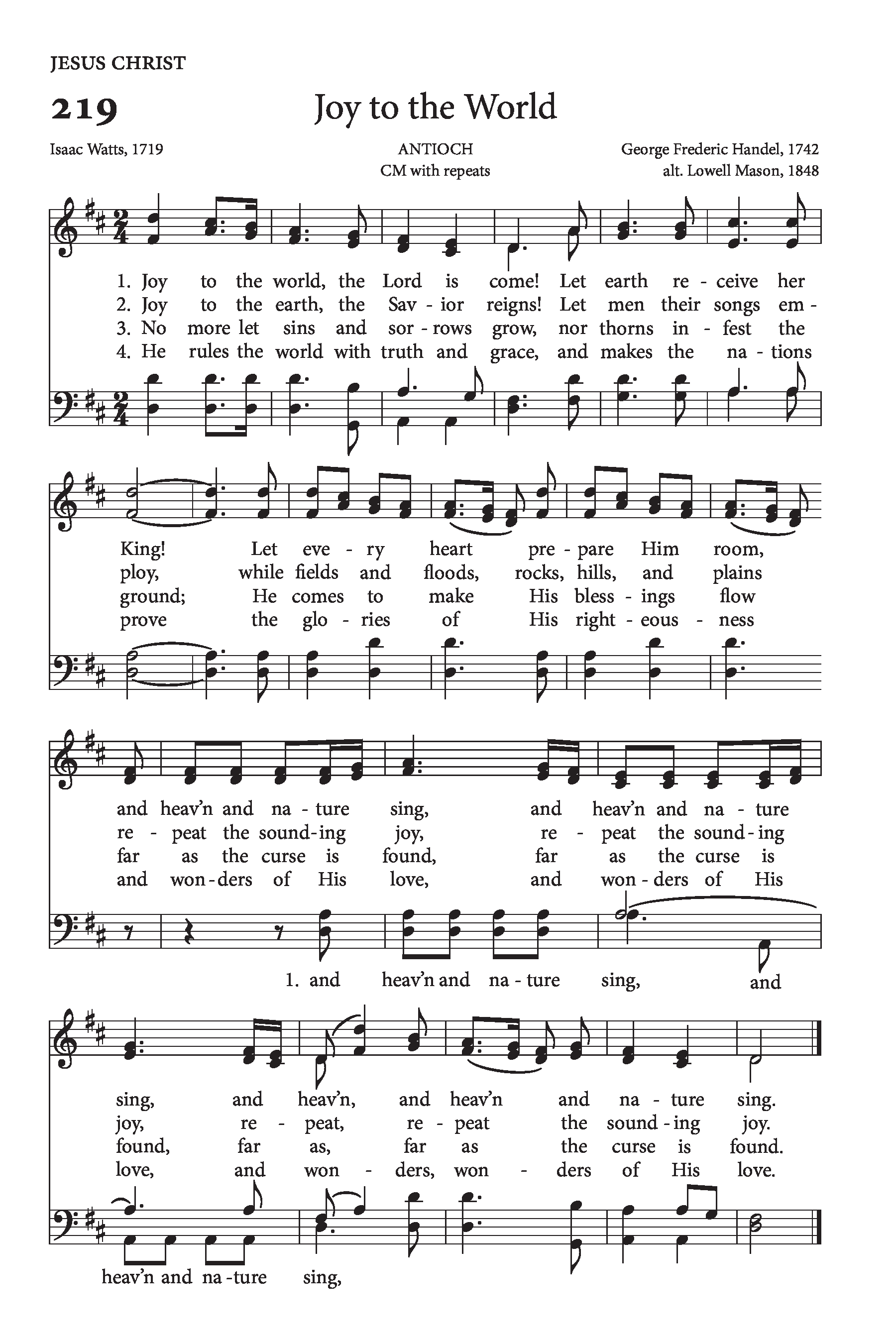
 Joy to the World
-
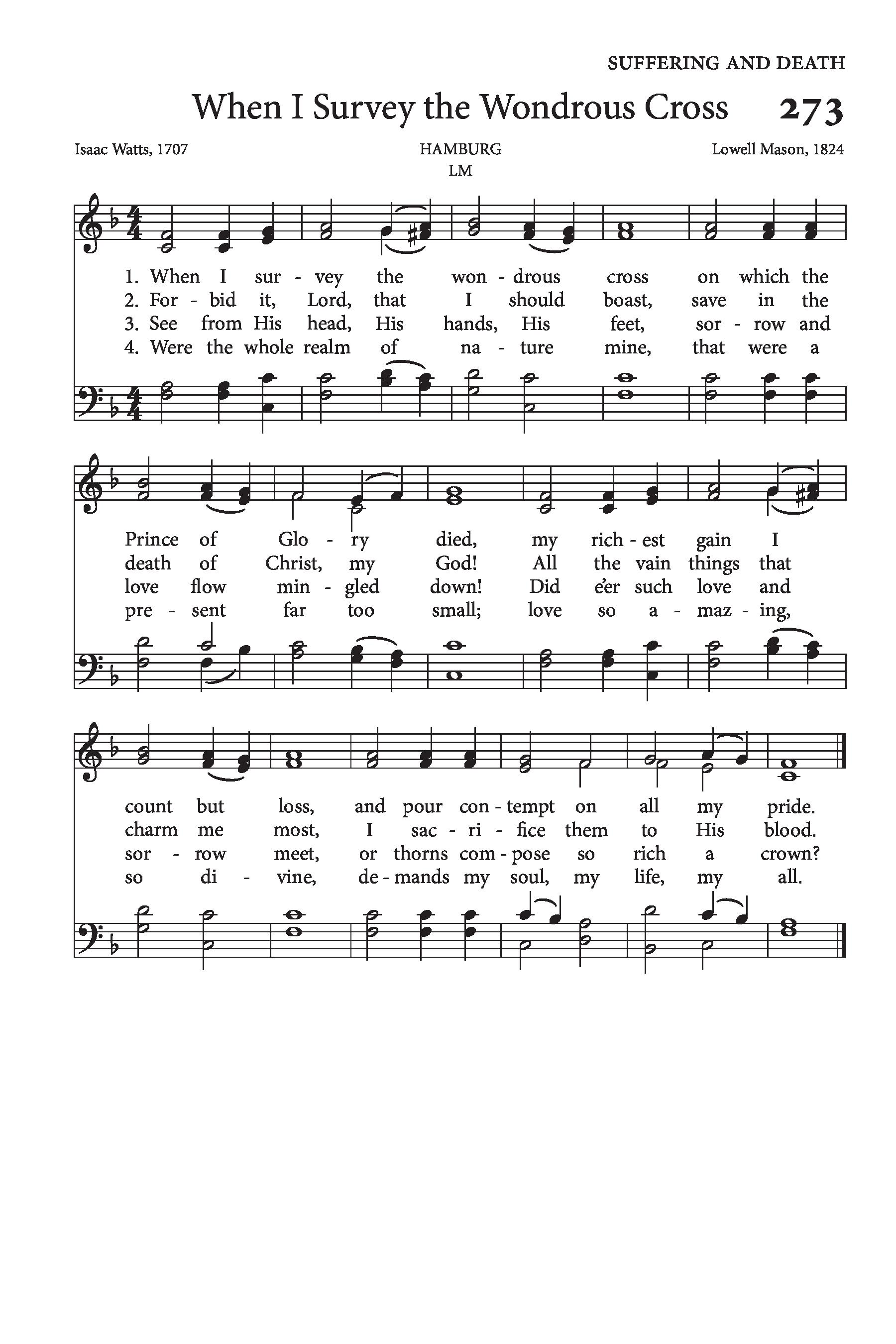
 When I Survey the Wondrous Cross
-
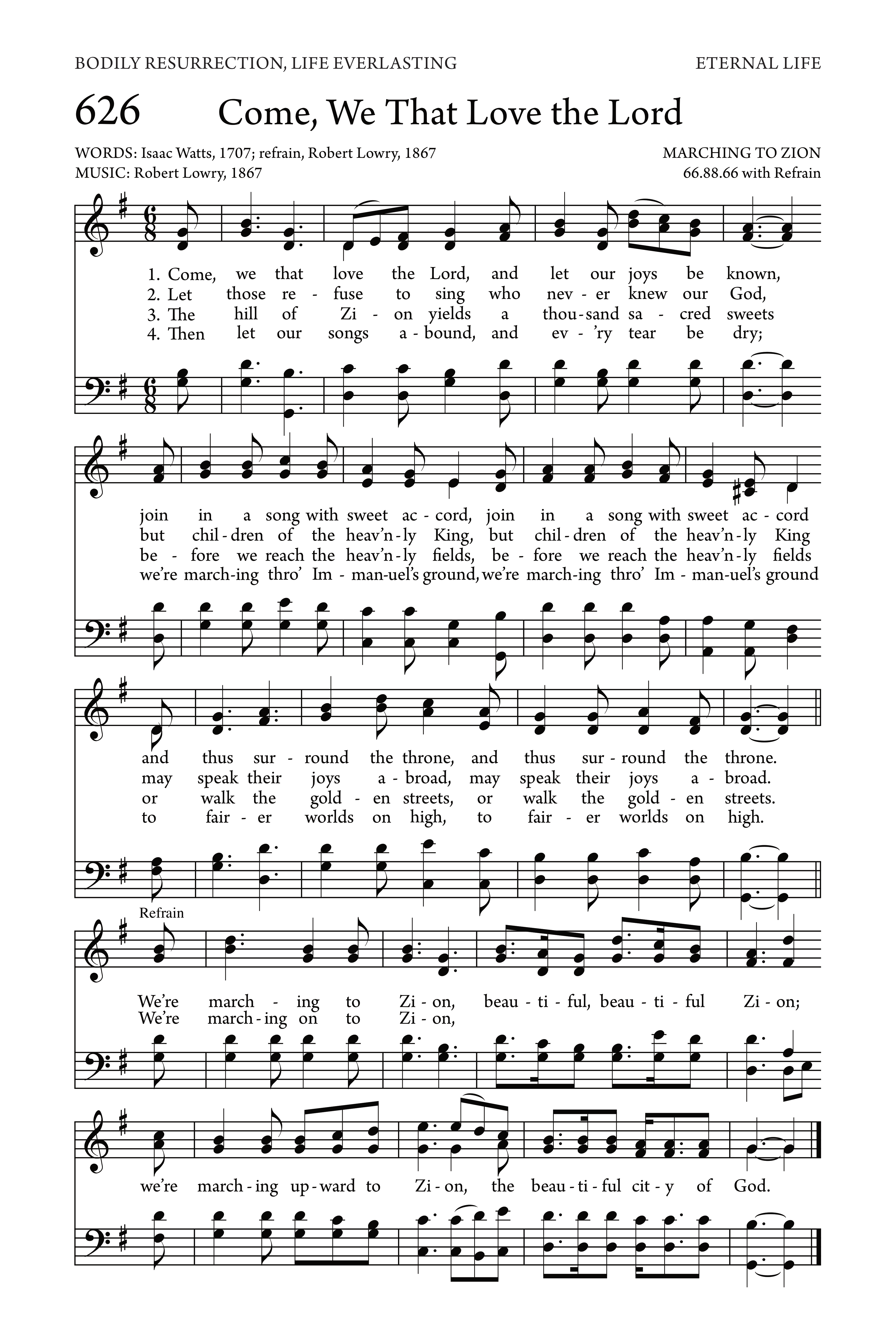
 We're Marching To Zion
-
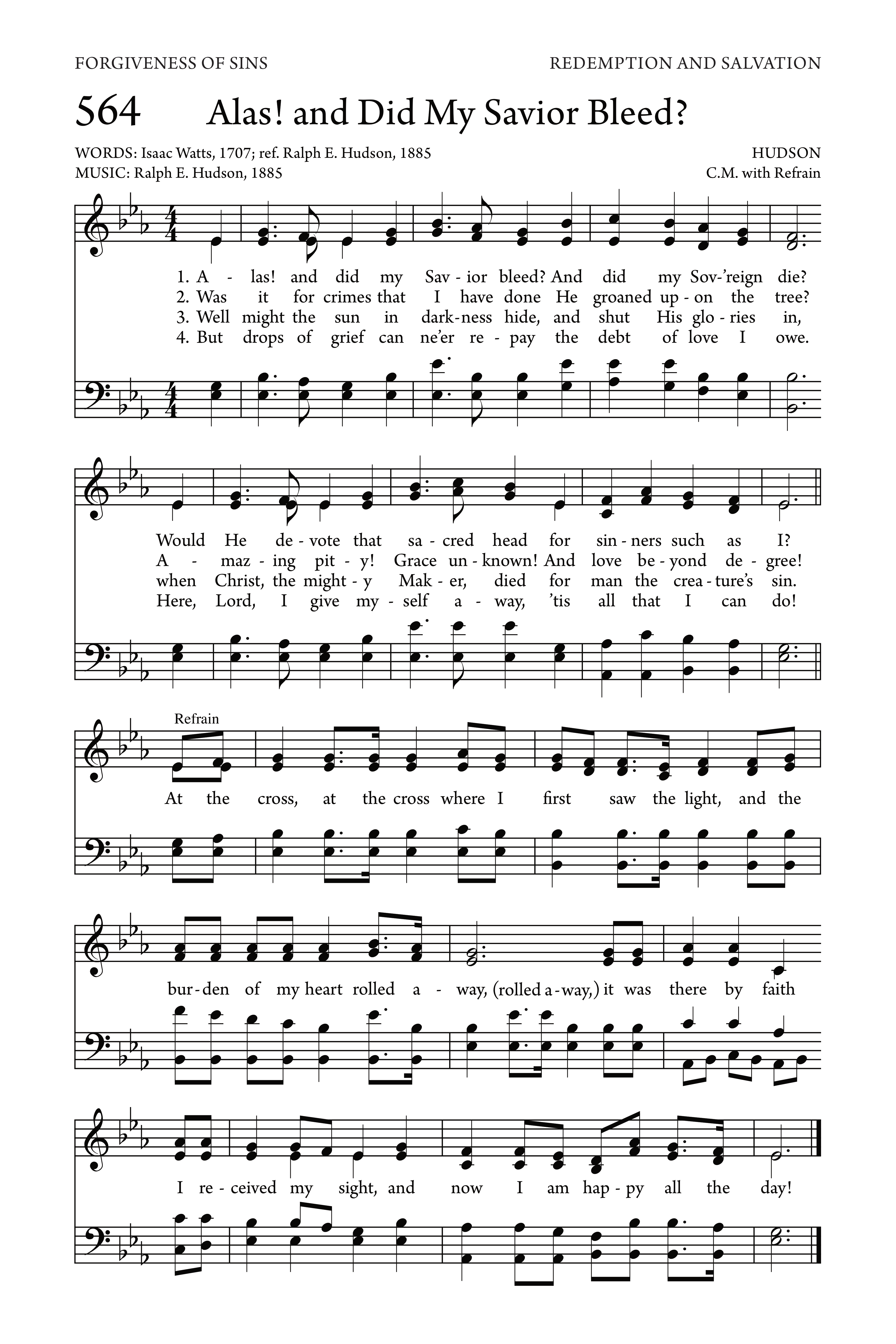
Alas! and Did My Savior Bleed
-
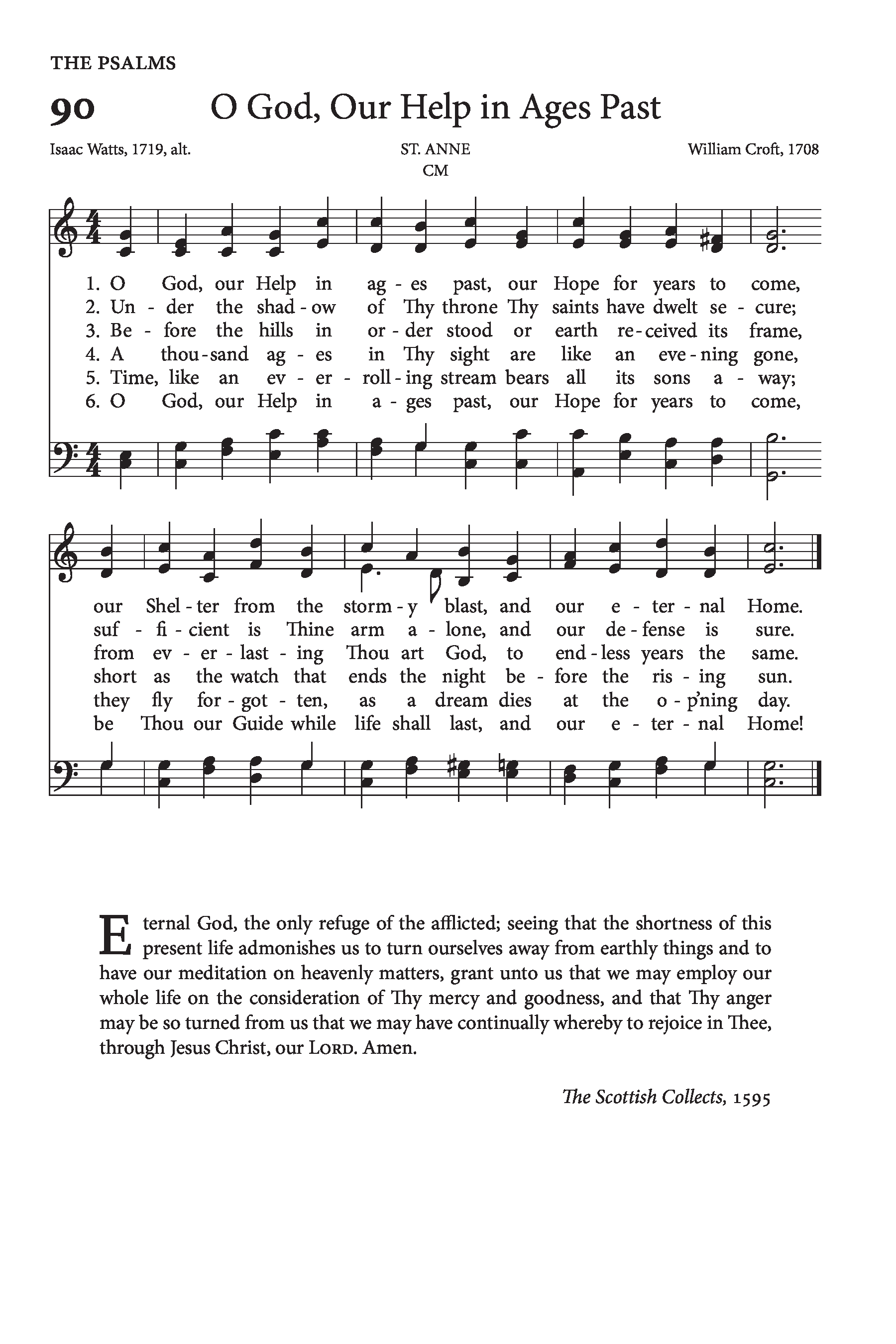
O God, Our Help in Ages Past
-
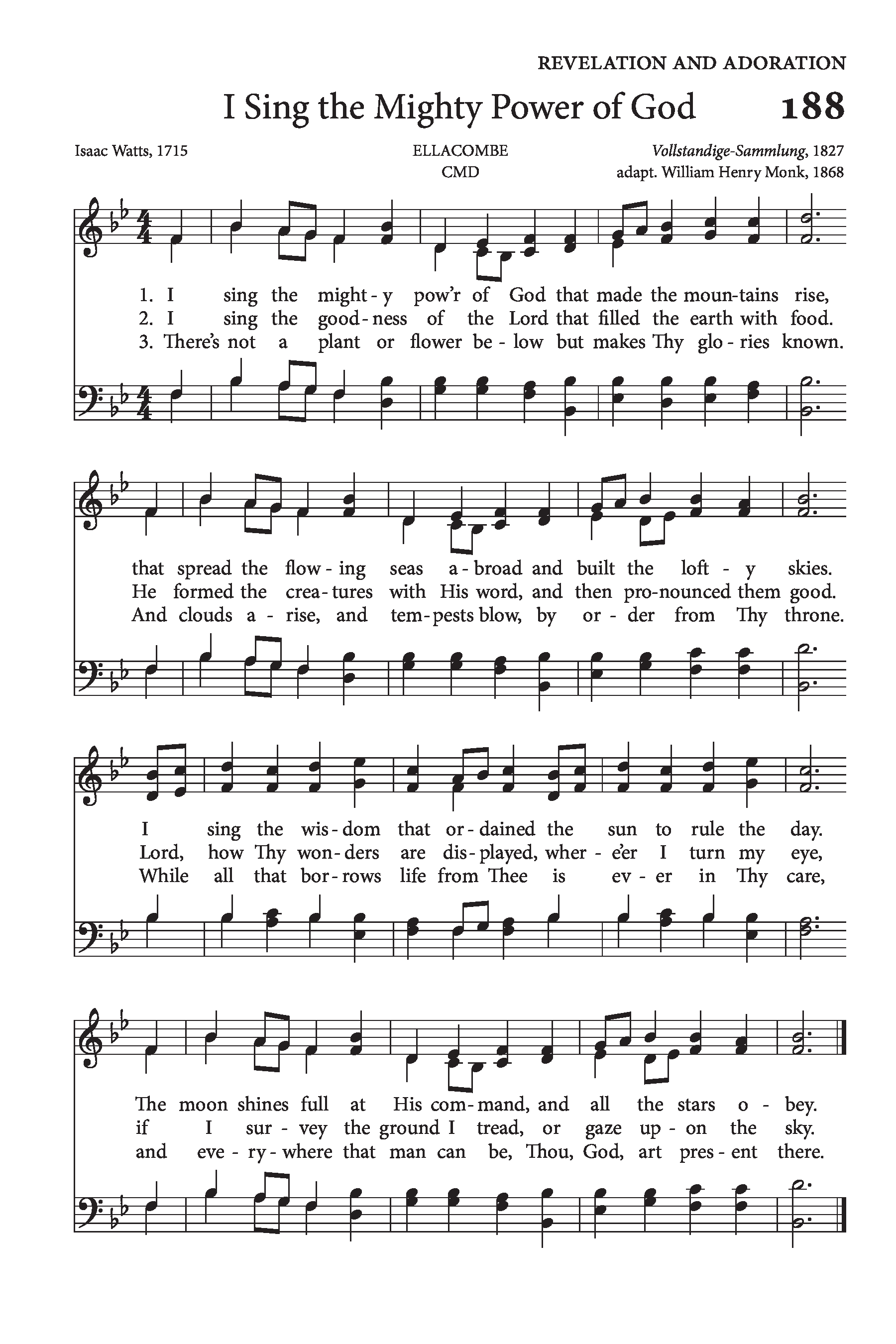
I Sing the Mighty Power of God
-
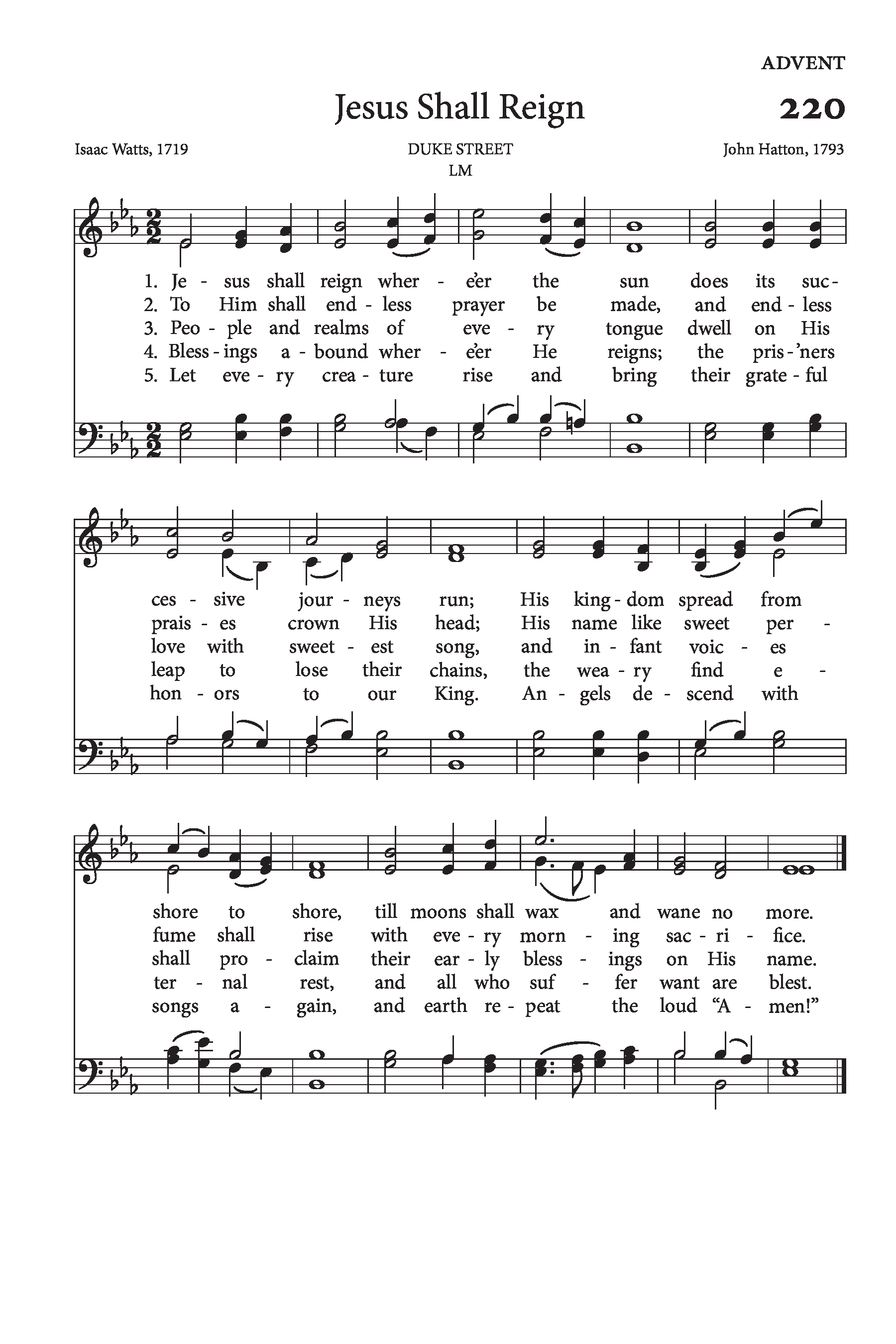
 Jesus Shall Reign Where'er the Sun
-
My Shepherd Will Supply My Need
16 more related hymns below in the sheet gallery.
Related Hymn Sheets
3 shown at a time — use the arrows to browse all 24 sheets.
Related Authors
Writers connected to this dictionary topic.
Keywords
Related terms for this dictionary entry.
Recent Dictionary Entries
Newly added terms from the Dictionary of Hymnology.
If you notice any mistake or have suggestions, please contact us on our contact page.