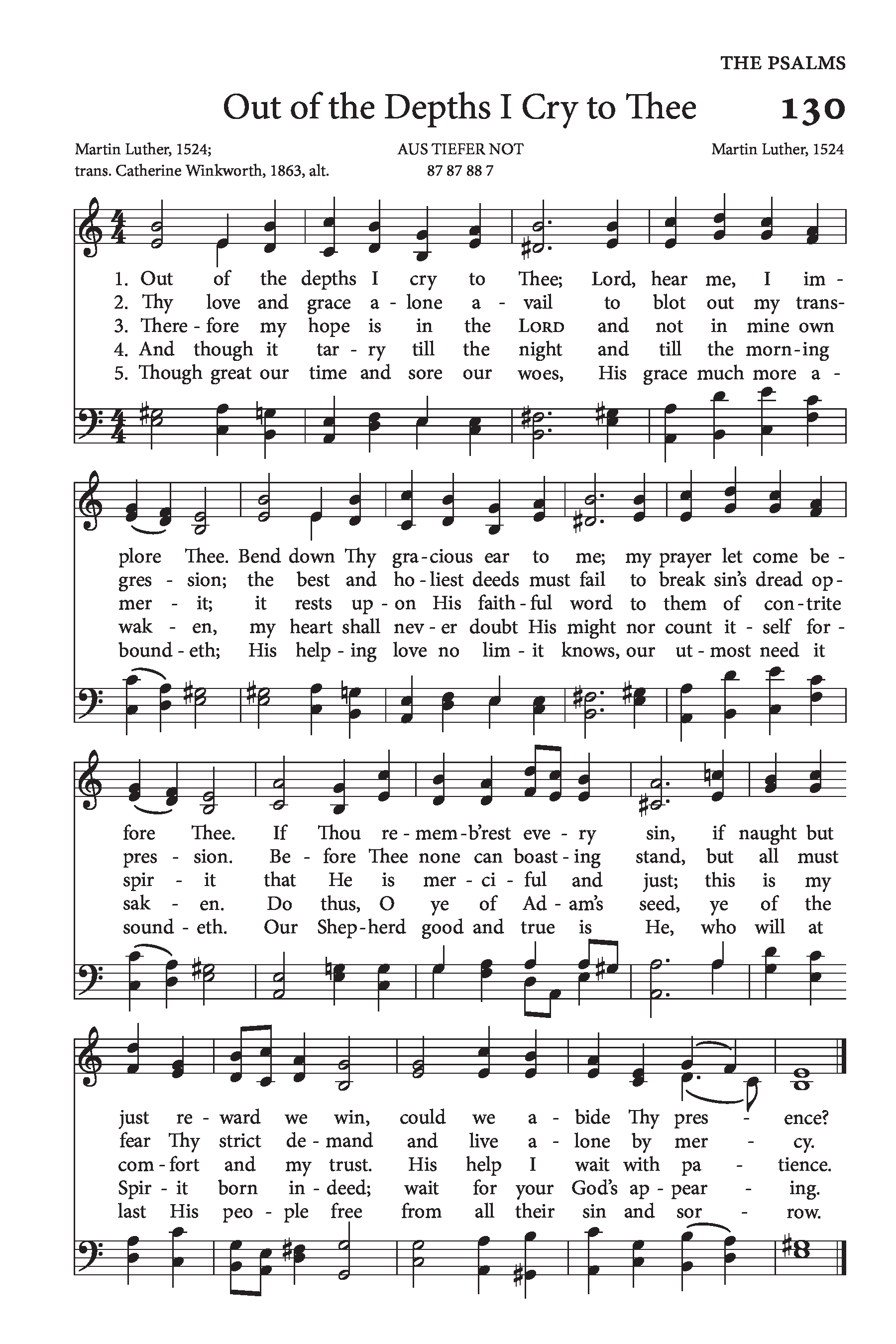
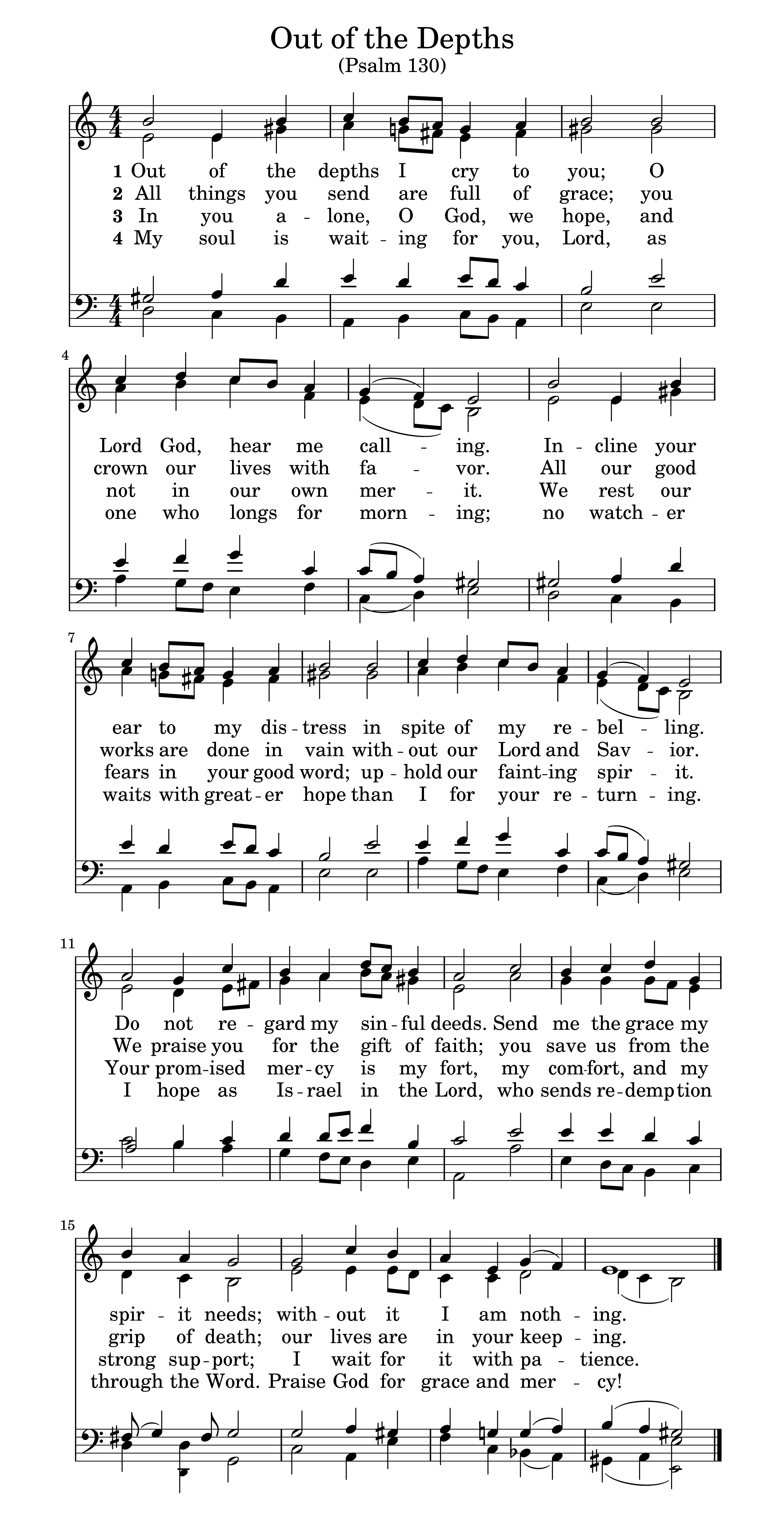
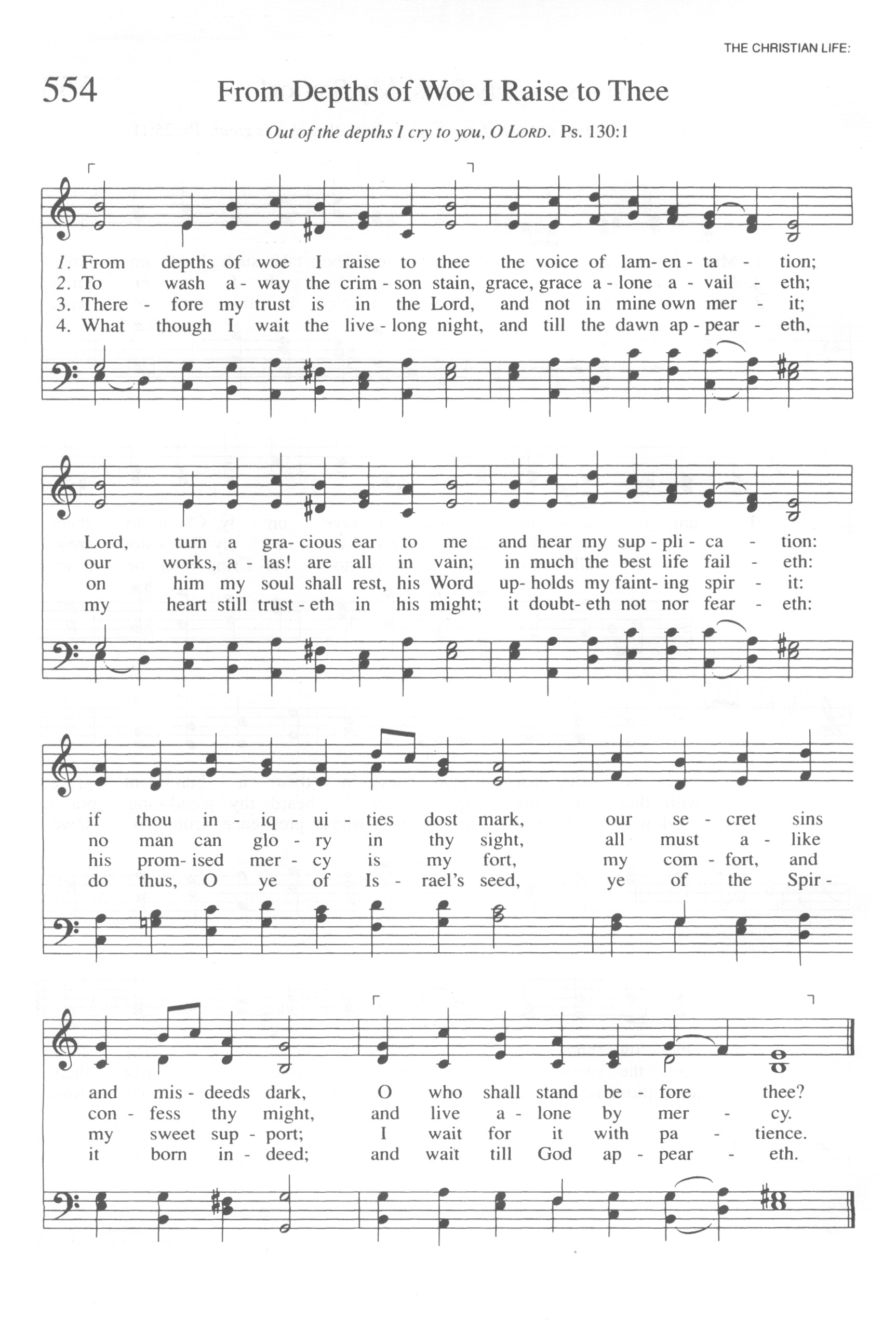
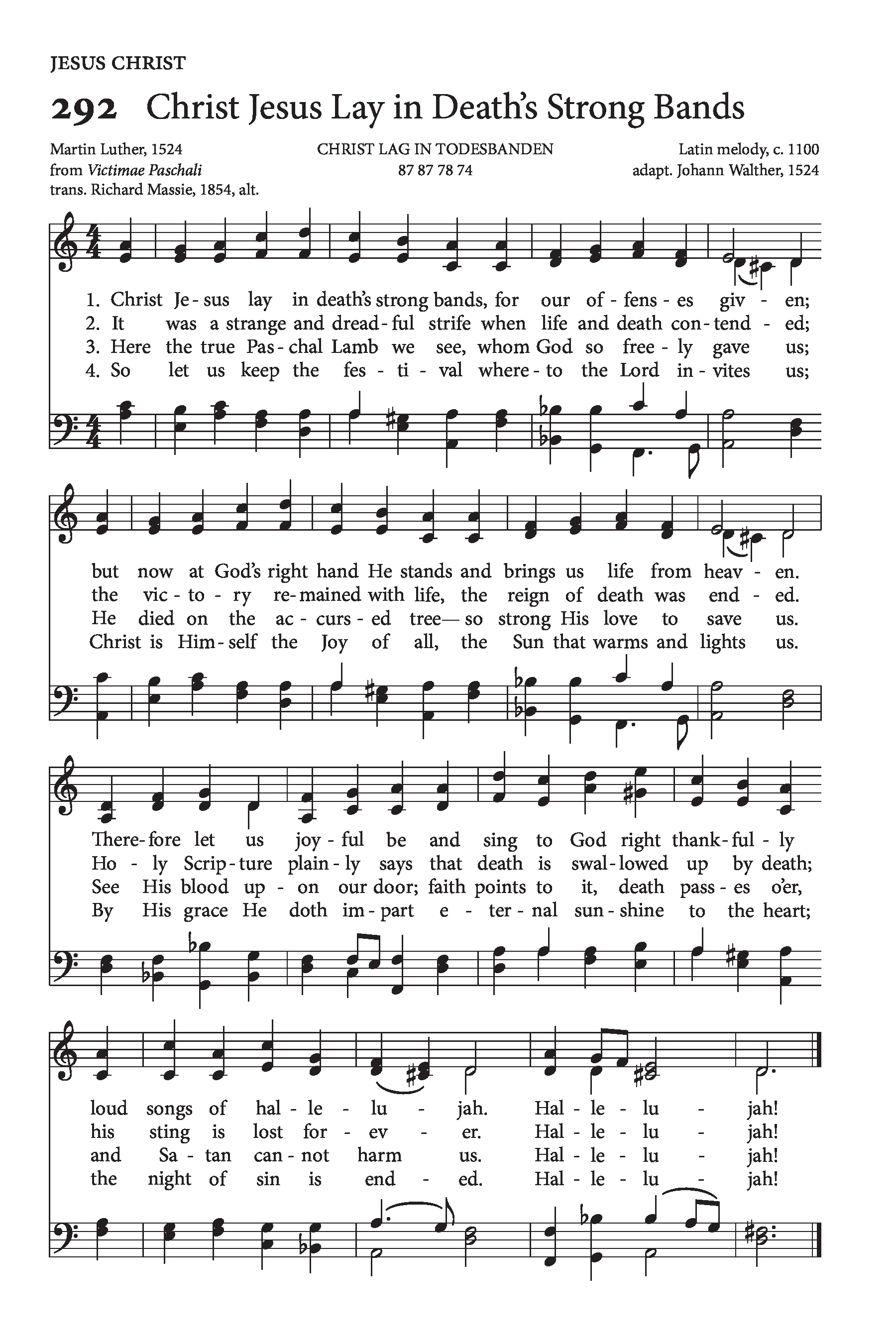
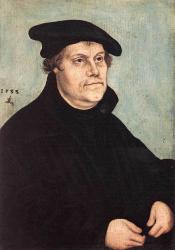
Martin Luther wrote the influential German chorale "Ach Gott vom Himmel, sieh darein" as a free, contemporary translation of Psalm 12. Scholar Christian Karl Josias von Bunsen characterized the work as a direct cry for divine assistance from a Church rooted firmly in Scripture, seeking protection against those who alter or dismiss sacred truth.
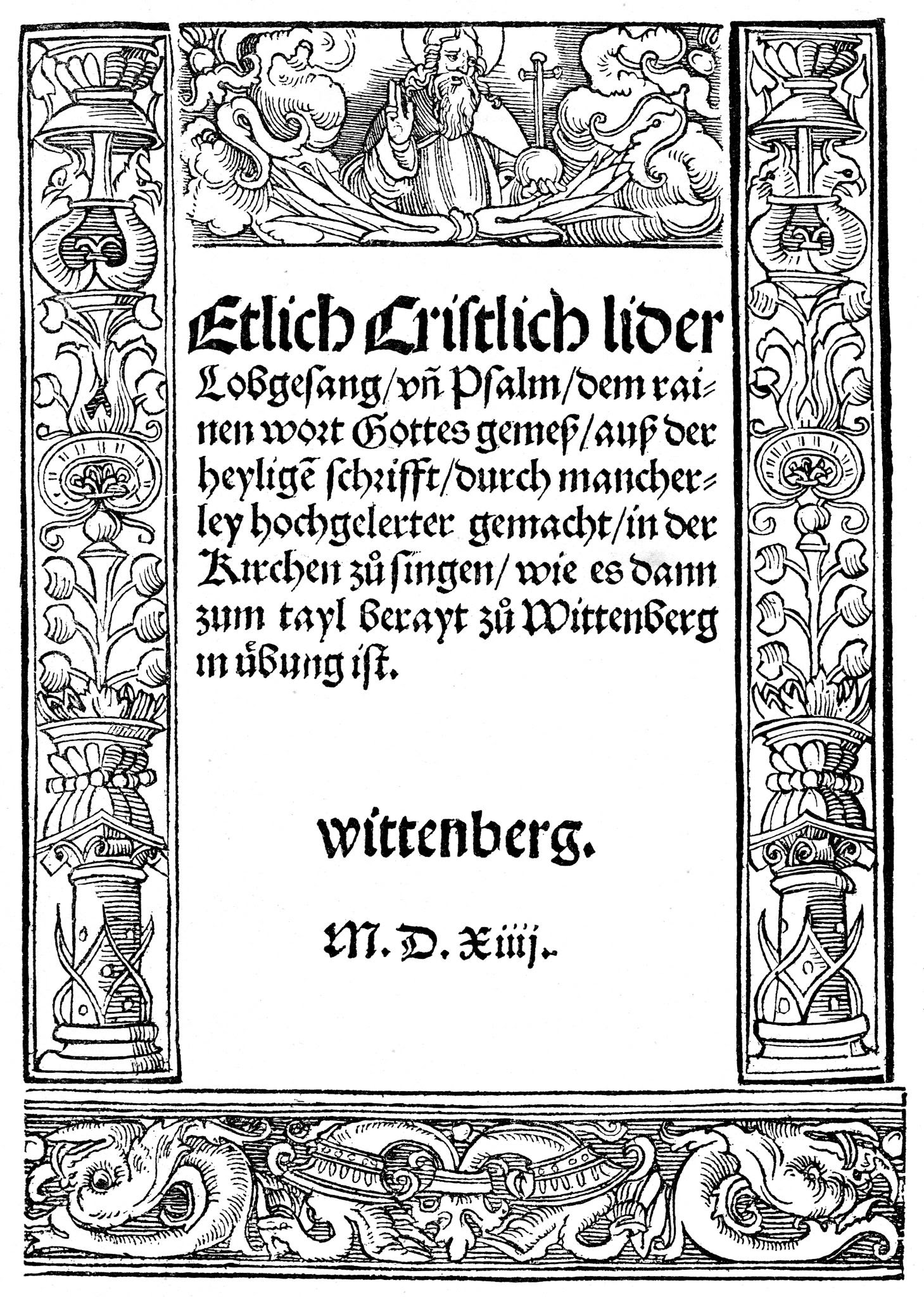
The text was likely composed in 1523 and secured its first printing in the historic Wittenberg collection Etlich cristlich lider in 1524. This volume, commonly known as the Achtliederbuch, presented the hymn in 6 stanzas of 7 lines each. While a seventh stanza containing a trinitarian doxology was appended in the Erfurt Enchiridion later in 1524, this addition was not carried over into subsequent English translations.
The historical impact of the text mirrors that of its famous companion piece, "Nun freut euch, lieben Christen gmein," acting as a powerful tool in spreading Reformation theology across German-speaking regions. Church historian Theodor Lauxmann preserved several accounts detailing how the singing of this specific hymn dramatically disrupted counter-Reformation efforts:
In 1527, a Roman Catholic priest named Dr. Sprengel traveled to Brunswick to deliver a series of sermons defending salvation through human merit. At the conclusion of his sermon on the parable of the unmerciful servant, a local citizen boldly began singing "Ach Gott vom Himmel, sieh darein."
The entire congregation immediately joined in the chant, forcing the discomfited priest to abandon his pulpit. Sprengel subsequently left the city and never preached in Brunswick again.
A similar event occurred during Advent in 1529 at Saint Jacob's Church in Lübeck. When the presiding minister began an exhortation on prayers for the dead, two young boys initiated the singing of Luther's chorale, and the rest of the gathered assembly followed their lead until the entire hymn was completed.
The text also served as a deep source of personal encouragement for later religious leaders. The eminent Pietist theologian Philipp Jakob Spener found great solace in the fourth stanza when he heard it sung upon entering his church in Frankfurt-am-Main during a period of intense ecclesiastical conflict.
Later, when Spener was summoned to take up the highly visible post of Court Preacher in Dresden, he was cheered to find the villagers singing this exact chorale as he crossed into the Saxon territory. Throughout his tenure in Dresden, Spener frequently requested local scholars to sing the hymn outside his door.
Related Hymns
Hymns in the library connected to this dictionary topic.
Related Hymn Sheets
3 shown at a time — use the arrows to browse all 7 sheets.
Related Authors
Writers connected to this dictionary topic.
Keywords
Related terms for this dictionary entry.
Recent Dictionary Entries
Newly added terms from the Dictionary of Hymnology.
If you notice any mistake or have suggestions, please contact us on our contact page.