




Should Christians Celebrate Halloween?
1 day, 22 hours ago
Lo, What a Glorious Sight Appears
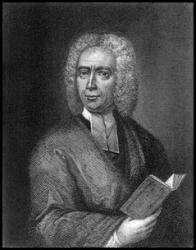
By Isaac Watts (1701)
Lyrics
1. Lo! what a glorious sight appeared
before admiring eyes:
the former things all passed away,
the former earth and skies.
From heav’n the new Jerus'lem came,
for Christ, as bride prepared.
A voice resounding from the throne
these wondrous things declared:
before admiring eyes:
the former things all passed away,
the former earth and skies.
From heav’n the new Jerus'lem came,
for Christ, as bride prepared.
A voice resounding from the throne
these wondrous things declared:
2. "Now God has come to dwell with men,
and moved his blest abode.
His people they shall be at last,
and he shall be their God.
His gracious hand shall wipe the tears
from ev'ry weeping eye,
for pain and grief shall be no more,
and death itself shall die."
and moved his blest abode.
His people they shall be at last,
and he shall be their God.
His gracious hand shall wipe the tears
from ev'ry weeping eye,
for pain and grief shall be no more,
and death itself shall die."
3. The One who sat upon the throne
said, "I make all things new!
Write down the words that you have heard,
for they are firm and true.
It is all done, and by my pow'r
is paradise restored.
I am the First, and I the Last,
the one eternal Lord.
said, "I make all things new!
Write down the words that you have heard,
for they are firm and true.
It is all done, and by my pow'r
is paradise restored.
I am the First, and I the Last,
the one eternal Lord.
4. "Come, all who thirst! To you I will
my healing water give.
Drink from my fountain without price
and so forever live.
Blest is the man who, conquering,
his heritage has won,
for I will be his faithful God
and he shall be my son.
my healing water give.
Drink from my fountain without price
and so forever live.
Blest is the man who, conquering,
his heritage has won,
for I will be his faithful God
and he shall be my son.
5. "As for the vile and faithless ones,
those who my will defy
are thrown into the burning lake,
and death itself shall die."
We, too, shall stand before the throne;
then shall our names be found
recorded in the Book of Life.
How shall our joy abound!
those who my will defy
are thrown into the burning lake,
and death itself shall die."
We, too, shall stand before the throne;
then shall our names be found
recorded in the Book of Life.
How shall our joy abound!
Bible Reference
Hebrews 12:22-24; Revelation 5:11-14; Revelation 7:9-12
Lectionary & readings
Open today’s (or any date’s) assigned scriptures and find related hymns across church calendars. Useful when planning worship around this song’s themes or its Bible reference.
Hymn scripture: Hebrews 12:22-24; Revelation 5:11-14; Revelation 7:9-12
About This Hymn
“Lo, What a Glorious Sight Appears” is a triumphant hymn by Isaac Watts that lifts the believer’s vision from earth to heaven, portraying the glory, joy, and worship of the redeemed in the presence of Christ. Drawing especially from the imagery of Hebrews 12 and the book of Revelation, the hymn invites worshipers to contemplate the heavenly assembly and to rejoice in the hope of eternal communion with God.
The hymn opens with a vivid picture of the heavenly city, where saints and angels are gathered in joyful praise. Watts emphasizes the vastness and unity of this assembly, reminding believers that the church is not limited to time or place. The worship described is centered entirely on Christ, the Lamb who was slain, whose redeeming work has gathered people from every nation into one joyful company. This vision strengthens faith by pointing to the final outcome of God’s redemptive plan.
A central theme of the hymn is victory through Christ. The redeemed are portrayed as having passed through suffering and struggle and now standing in glory because of the Savior’s finished work. This reflects the biblical promise that those who endure in faith will share in Christ’s triumph. The hymn therefore offers encouragement to believers facing trials, assuring them that present hardships will give way to eternal joy.
The hymn also highlights the purity and holiness of heaven. Sin, sorrow, and death are absent, replaced by perfect worship and unbroken fellowship with God. Watts contrasts the weaknesses of earthly worship with the fullness of praise in heaven, where voices are never weary and devotion is complete. This contrast stirs longing for the world to come while deepening gratitude for the salvation already received.
“Lo, What a Glorious Sight Appears” remains a powerful expression of Christian hope. By directing the heart toward the heavenly kingdom, the hymn calls believers to live with confidence, perseverance, and joy, assured that they are journeying toward a glorious destiny secured by Jesus Christ.
From the Dictionary of Hymnology
Related terms and concepts automatically matched to this hymn.
All ye that [who] love the Lord, rejoice Hymn
Isaac Watts’s paraphrase of Psalm cxlix., from his Psalms of David, 1719, titled “Praise God, all His saints; or, The Saints judging the World.” Most collections omit its final stanzas.
Read moreCome, let us join our cheerful songs Hymn
One of Watts’s best-known hymns (1707/1709) on Revelation 5 usually appears in four stanzas omitting “Let all that dwell above the sky”; Bingham supplies a Latin version.
Read moreCome, we that love the Lord Hymn
Isaac Watts’s “Heavenly Joy on Earth” (1707/1709), ten stanzas. Wesley’s Charlestown form (1736–7) and Cotterill’s “Come ye who love the Lord” (1819) head the many altered texts in later books.
Read moreStaff Visualizer
Open in MIDI StudioPowered by HTML MIDI PLAYER, MIDI FILE Made by Hymnal Library. · Study chords & lyrics in MIDI Studio

Want weekly hymns and devotionals?
⭐ Recommend This Hymn
Share this beautiful hymn with others
This hymn also appears in these hymnals
Click a spine to pull out the hymnal, then open it.
Hymns with the same subject
More hymns about Faithfulness of God, Glory of God, Healing, Heaven, Marriage
- My Lord Has Garments So Wondrous Fine - Henry Barraclough
- Because He Lives - Bill & Gloria Gaither
- It Is Well with My Soul - Horatio Gates Spafford
- Holy, Holy, Holy! Lord God Almighty! - Reginald Heber
- Come and Dine - C. B. Widmeyer
- 10,000 Reasons (Bless the Lord) - Matt Redman and Jonas Myrin
- The Church’s One Foundation - S. J. Stone
- Christ the Lord is risen today - Charles Wesley
More hymn subjects
Explore other themes across the library.
Hymns about Joy
Hymns about Lent
Hymns about Conversion
Hymns about Providence
Hymns about Redeemer
Hymns about Opening of Worship
Hymns about Comfort
Hymns about New Year
Browse all subjects →
Latest Updated Hymnals
-
Open
 Book of Common Praise (BoCP1915)Updated 1 day, 12 hours ago · 1915
-
Open
 The New Apostolic Church HymnalUpdated 1 week ago · 2008
-
Open
 400+ Christmas Carols Book: Sheet Music for PianoUpdated 1 week, 1 day ago · 2014
-
Open
 The Temple HymnalUpdated 1 week, 1 day ago · 1918
-
Open
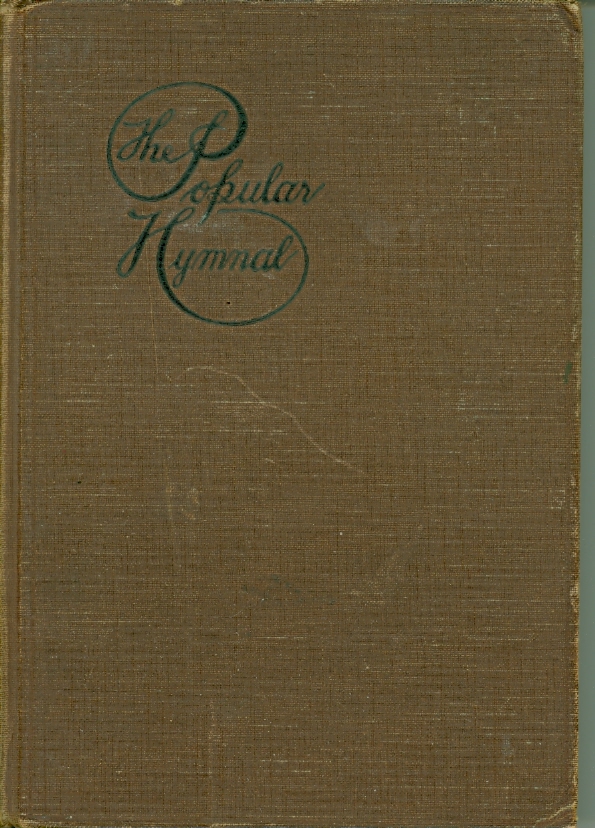 The Popular HymnalUpdated 1 week, 1 day ago · 1918
Hymn Information
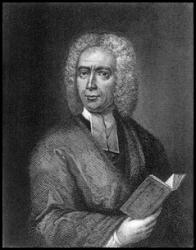
Click a linked name to open their biography.
MIDI File
Popular Hymns
Recent Blog Posts


Popular Blog Posts
-
 Lessons from the Book of Haggai: Putting God…5 months ago
-
 Easter vs Passover: How a Biblical Feast Bec…7 months ago
-
 The Full Story of the Birth of Jesus Christ:…10 months, 3 weeks ago
-
 The 30 Most Famous Christmas Hymns and Carols1 year, 2 months ago
-
 The Story Behind the Hymn “Amazing Grace”10 months, 2 weeks ago
Visit Us on Social Media
Latest from X (Twitter)
Tweets by HymnalLibraryLatest from Facebook
Latest on YouTube
Loading latest video...
Daily Bible Verse
Disclaimer
The hymns, sheet music, MIDI files, and related content on this website are provided for educational and research purposes only.
- Public Domain: Many of the hymns featured here are in the public domain and may be freely used.
- Copyrighted Works: Some hymns may still be under copyright protection. Where applicable, permission has either been requested from the copyright owner, or the content is shared under the principles of fair use for educational purposes.
⚠️ Important Notice: If you wish to reproduce, distribute, or use any copyrighted hymn beyond personal study or educational use, you must obtain permission directly from the copyright holder. This website does not grant any rights for commercial use yet.
If there is any other question please address it to us in our Contact Page, for further assistance. Thank you for using the site. May God Bless You.
Recently Added · Dictionary of Hymnology
Browse dictionary →
Can’t find a hymn or lyric?
Leave your question in the forum for others to answer — requests, missing lines, writers, and worship ideas welcome.