
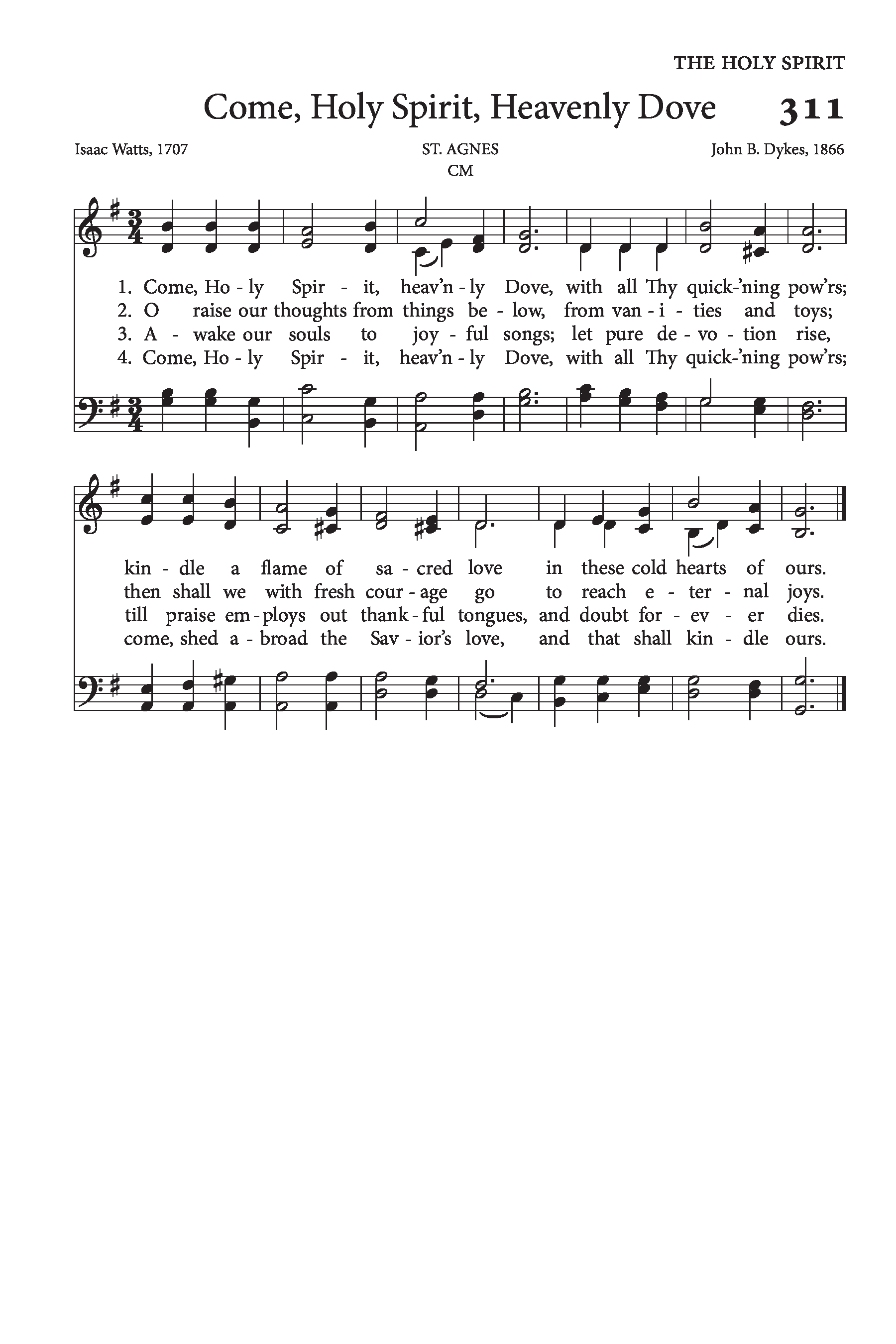
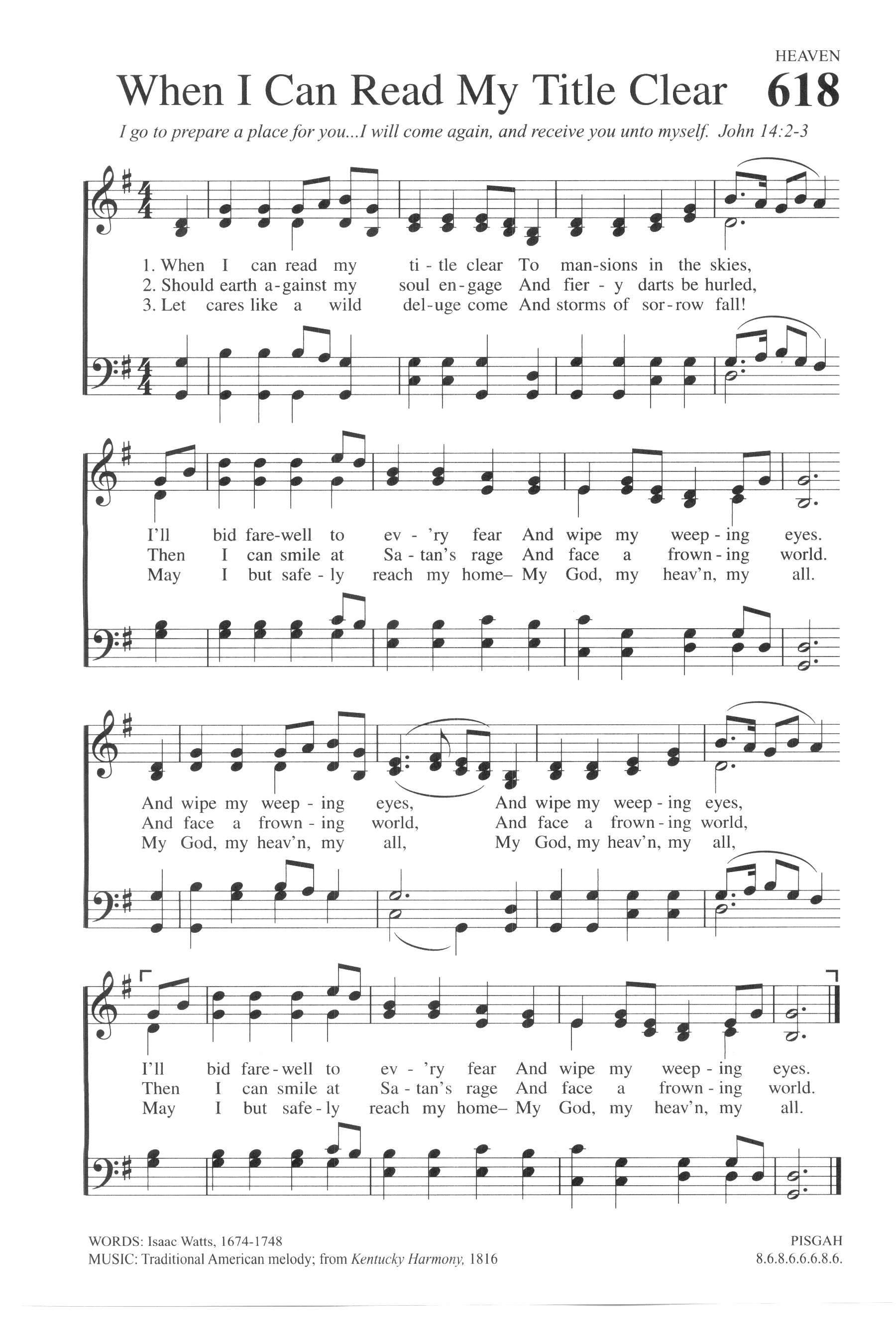

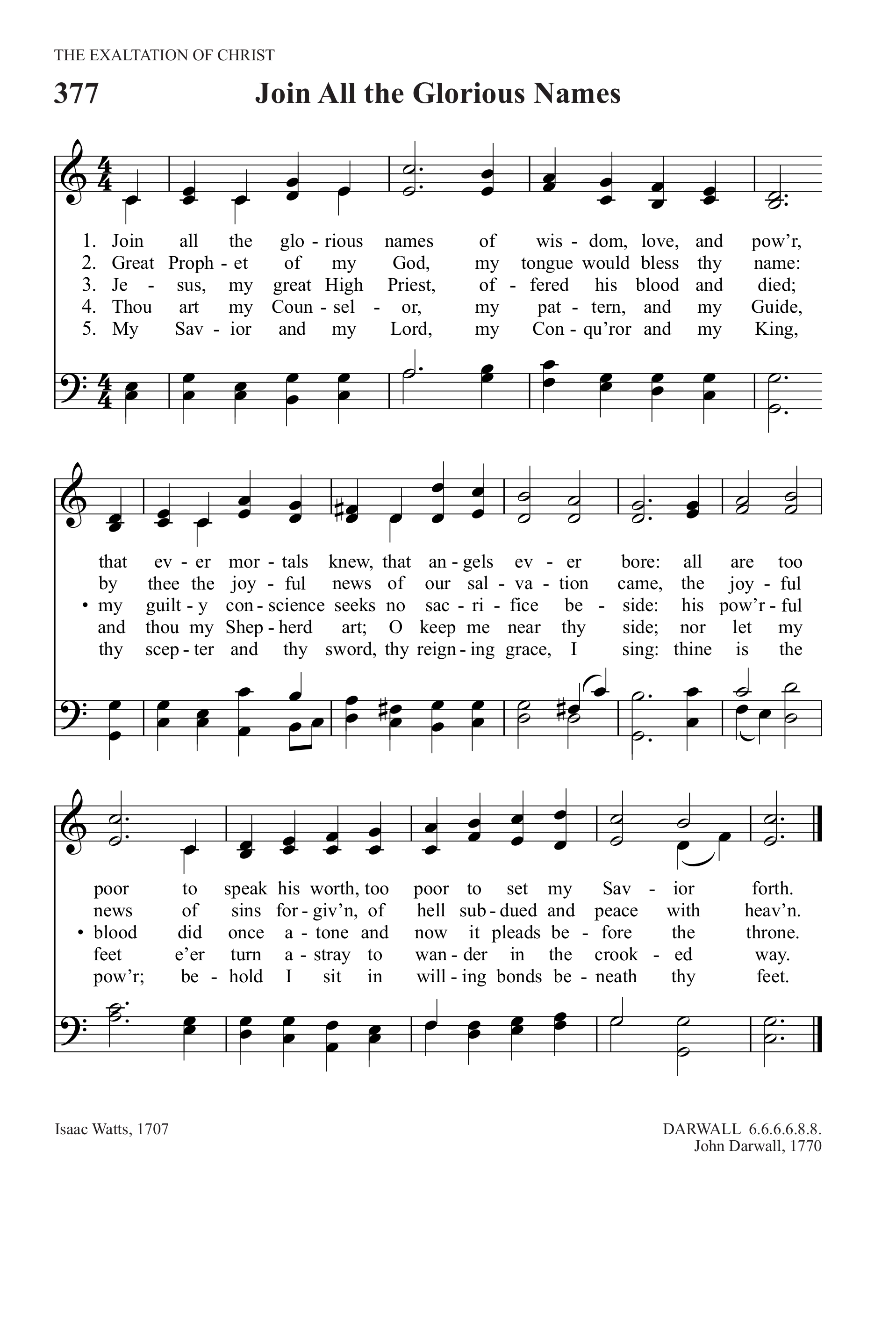
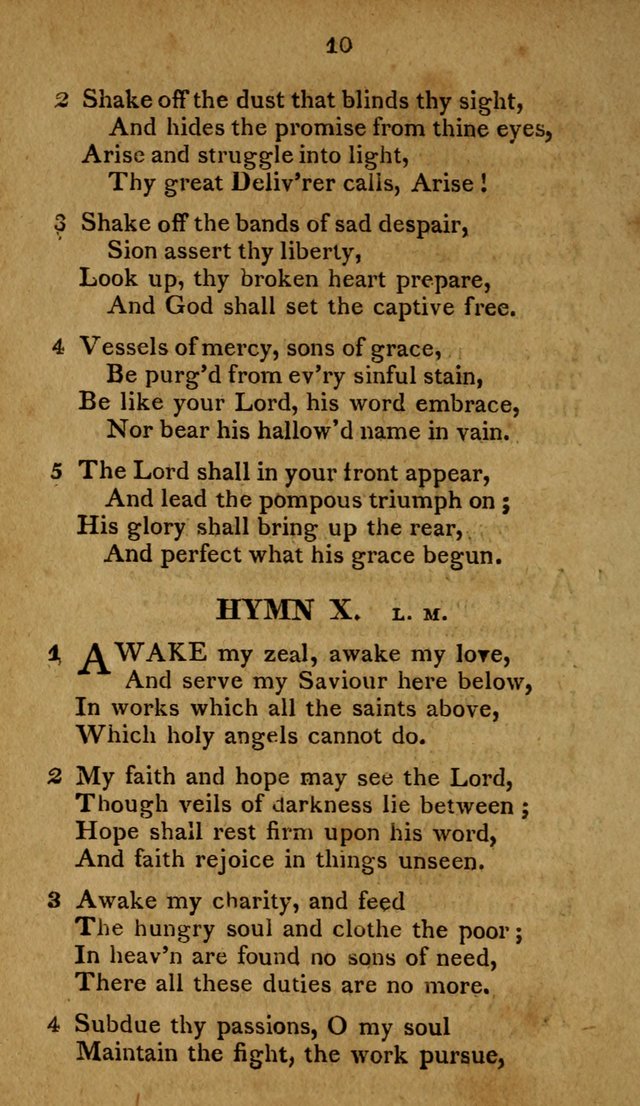



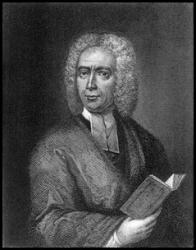
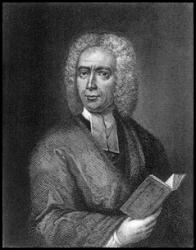
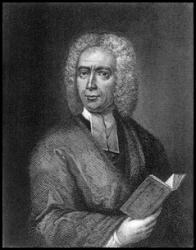
The English hymn "I give immortal praise" was written by the celebrated nonconformist minister and poet Dr. Isaac Watts as a structured trinitarian doxology.
The hymn made its first appearance in the second edition of Watts's landmark collection, Hymns and Spiritual Songs, published in 1709. Inserted within Book III as entry Number 38, the text was structured in 4 stanzas of 8 lines and bore the explicit header, "A Song of Praise to the Blessed Trinity." Each stanza is mathematically balanced, traditionally dedicating the first to God the Father, the second to God the Son, the third to God the Holy Spirit, and the fourth concluding with a unified chorus of praise to the triune deity.
Textual Alterations and Congregational Use
While Watts originally composed the text utilizing the singular first-person perspective, it is rarely found in that exact format within modern church collections. Instead, the hymn achieved universal circulation across all English-speaking nations via a subtle, corporate alteration:
"We give immortal praise" represents the dominant text variant used in public worship. By shifting the opening pronoun from the singular to the plural, historic editors made the text more suitable for congregational singing. This altered version was rapidly adopted by prominent leaders of the eighteenth-century evangelical revival. It was included in George Whitefield’s Psalms and Hymns (1753), Martin Madan’s Psalms and Hymns (1760), and Augustus Toplady’s Psalms and Hymns (1776), establishing a textual tradition that carried forward into twentieth-century hymnbooks.
An alternative, more radical recast of the text appeared in Benjamin Hall Kennedy's Hymnologia Christiana (1863). Kennedy altered the opening movement to read "To God the Father yield." This specific variant failed to secure a foothold in mainstream church collections and remained restricted to limited regional use.
Related Hymns
Hymns in the library connected to this dictionary topic.
-
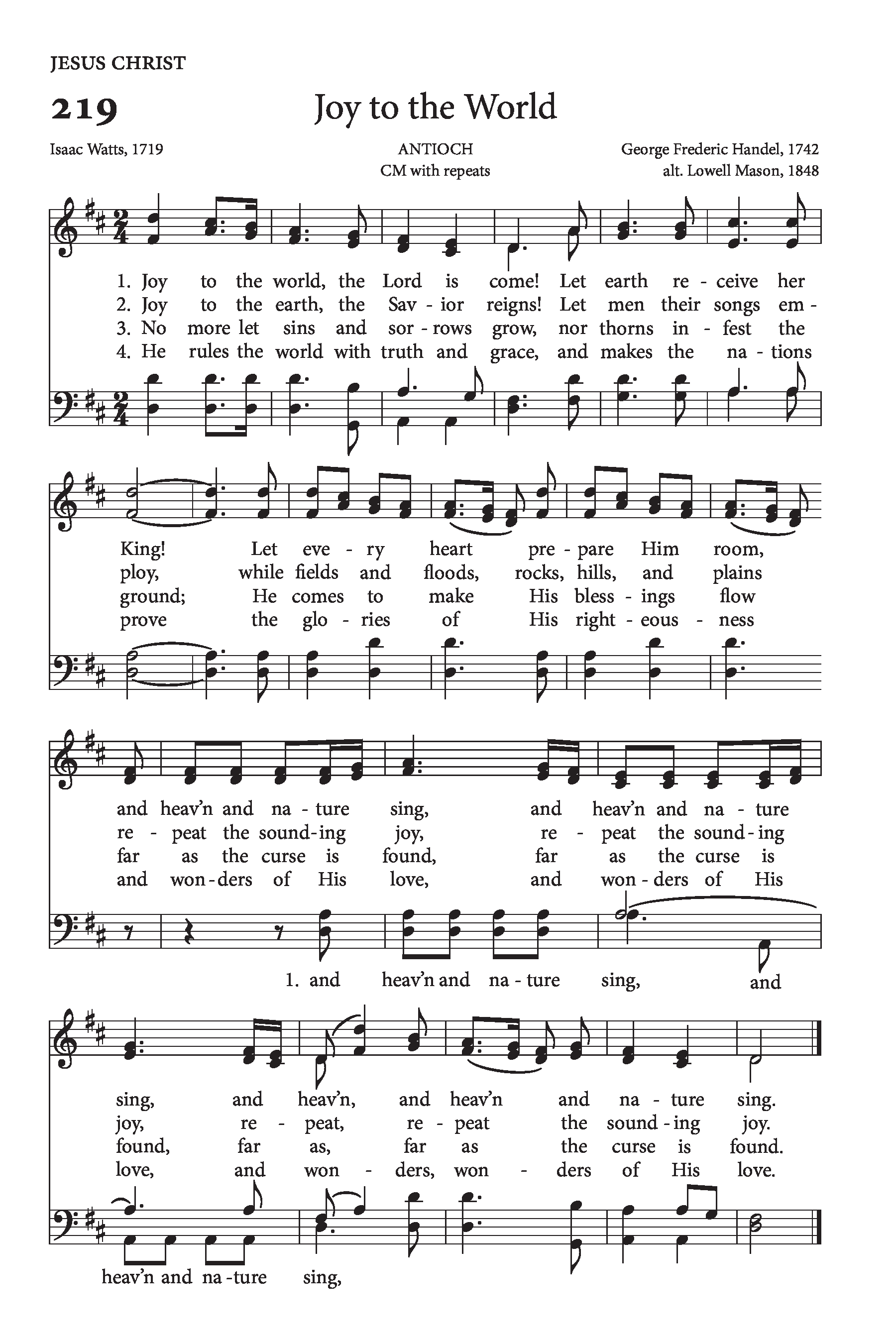
 Joy to the World
-
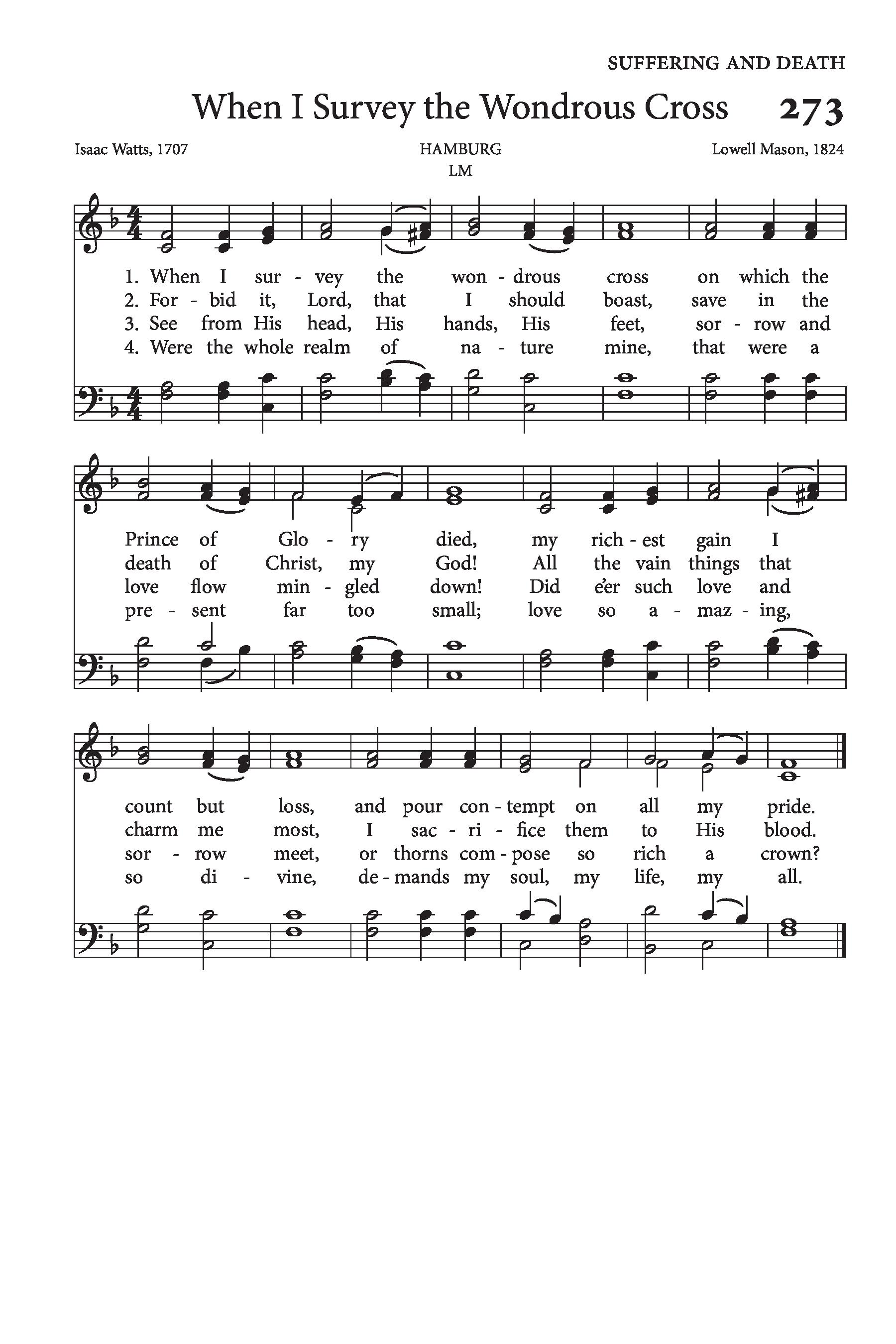
 When I Survey the Wondrous Cross
-
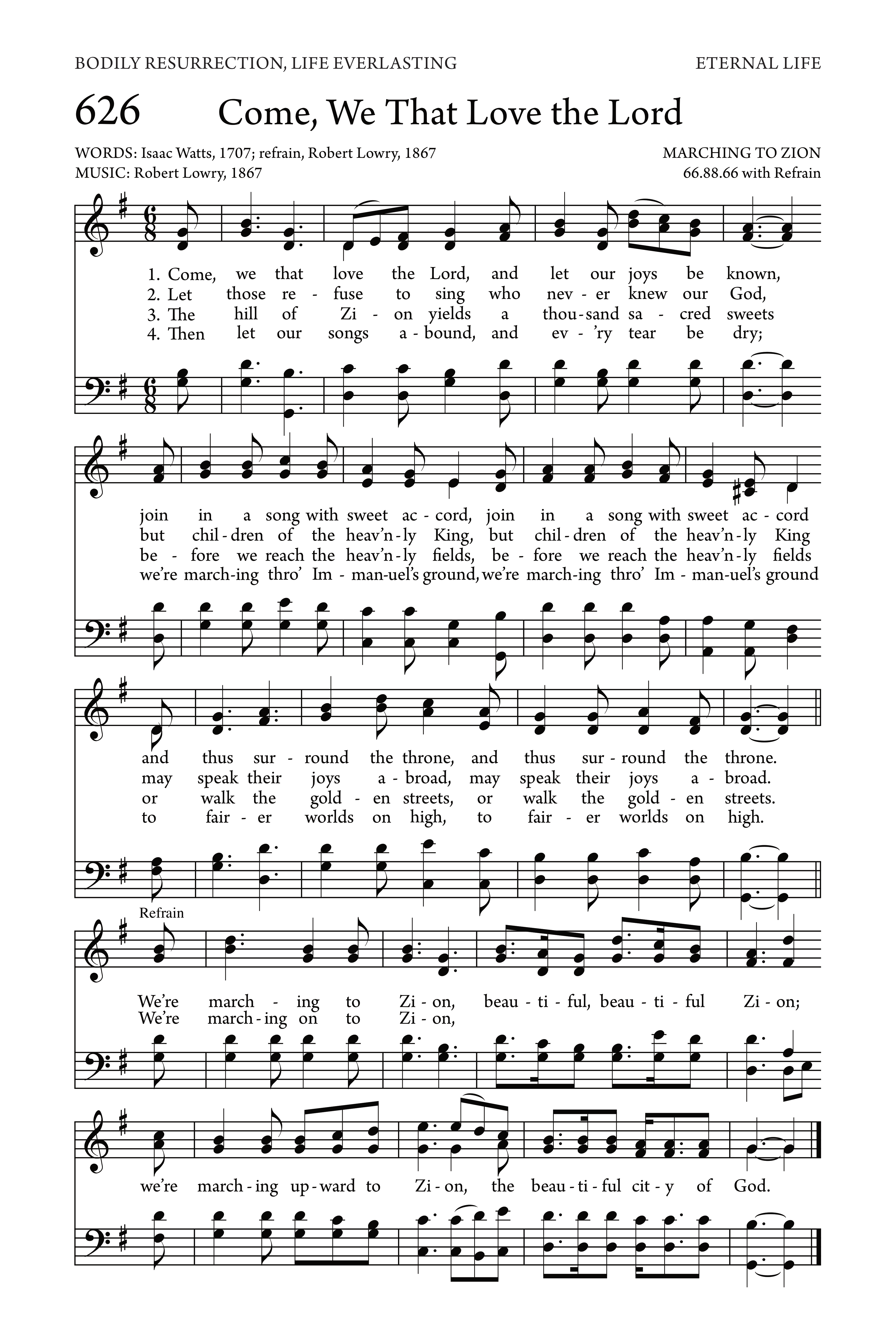
 We're Marching To Zion
-
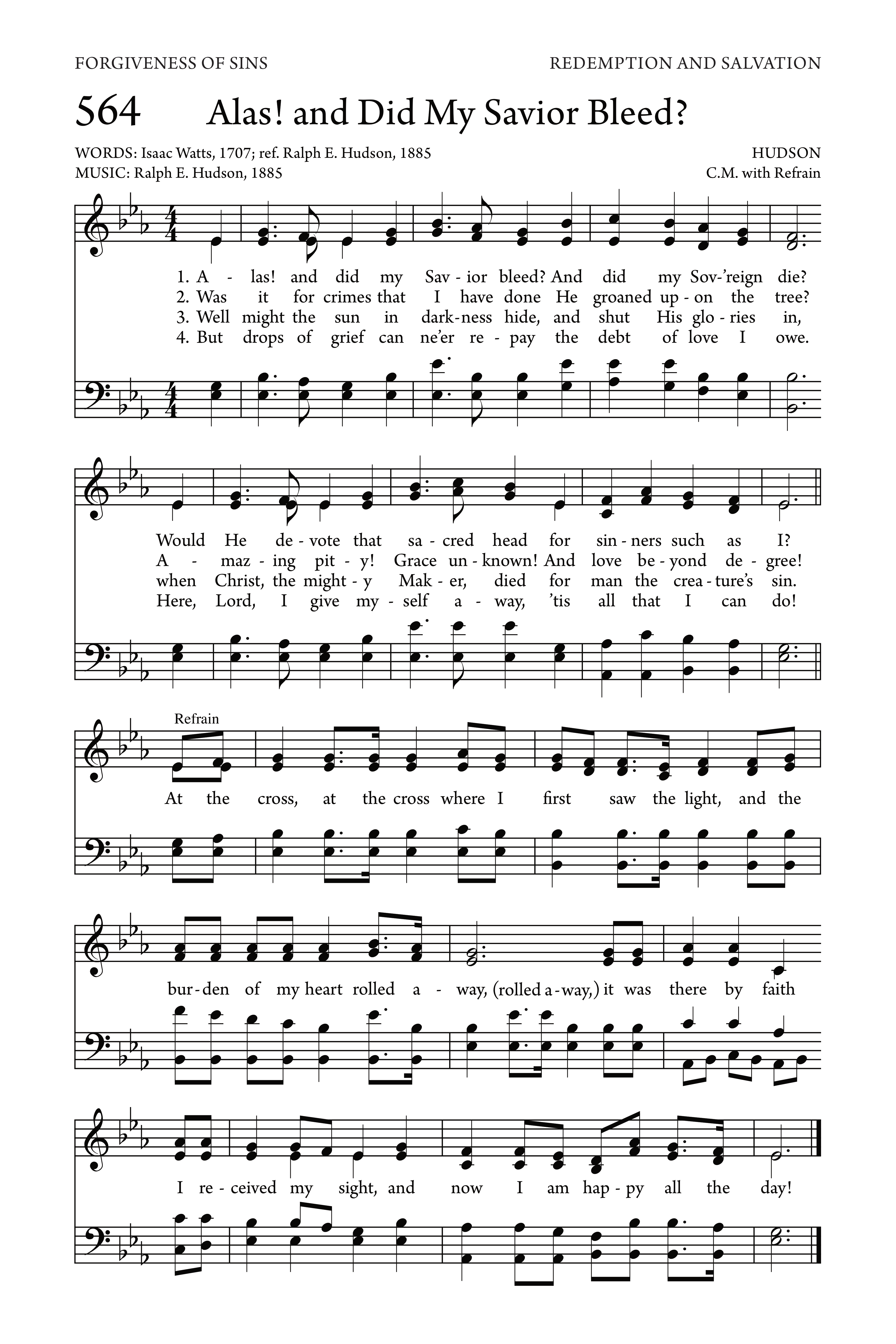
Alas! and Did My Savior Bleed
-
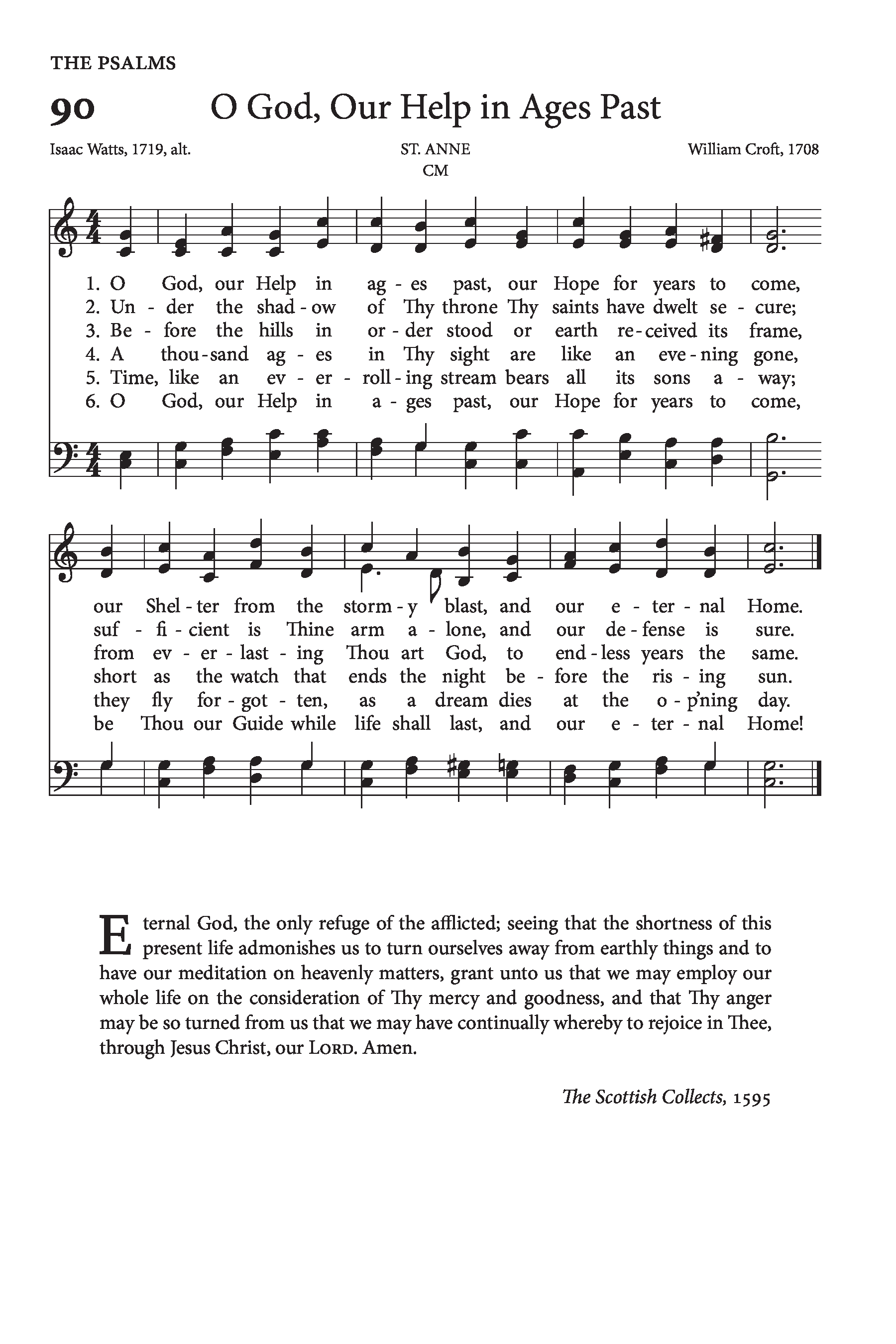
O God, Our Help in Ages Past
-
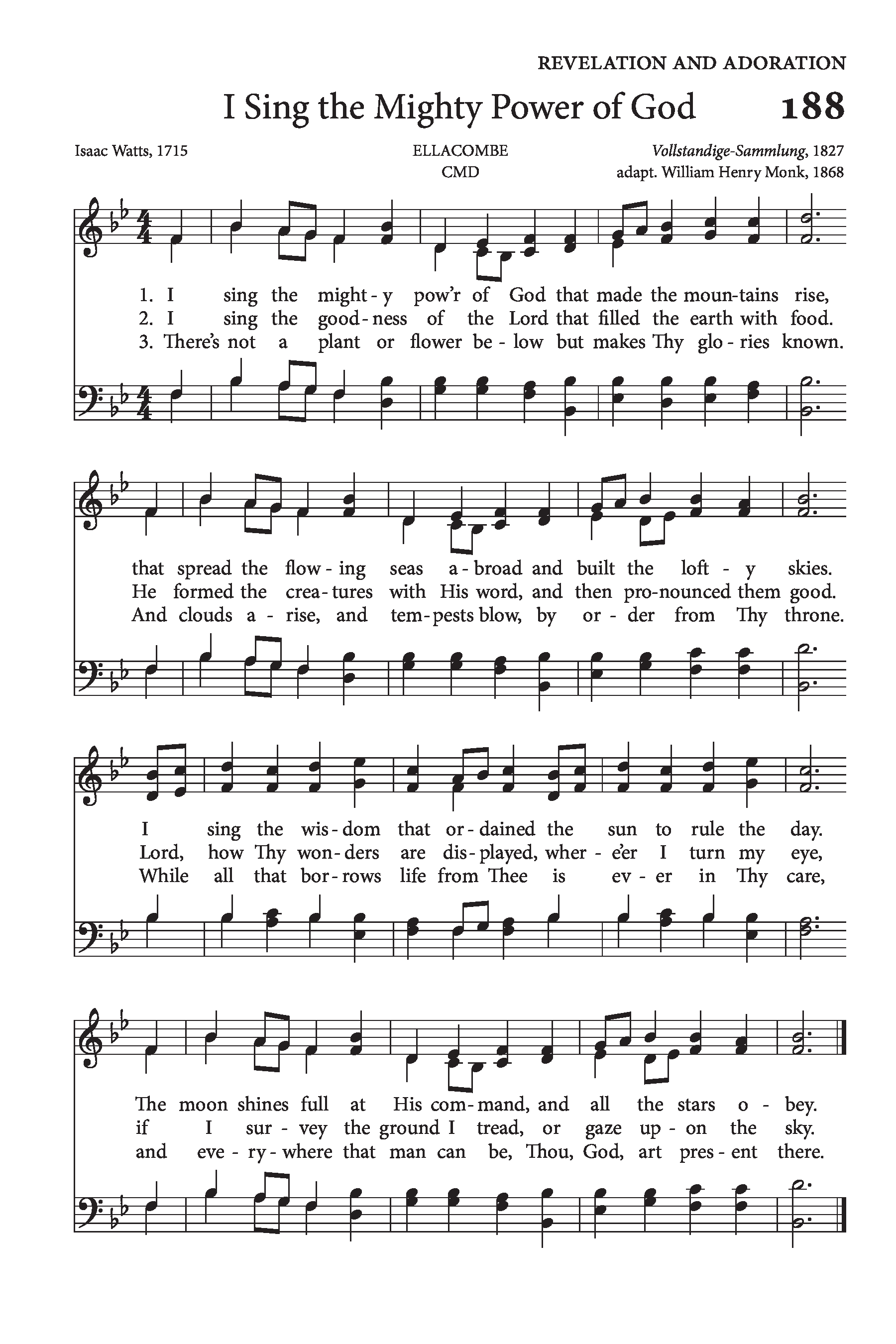
I Sing the Mighty Power of God
-
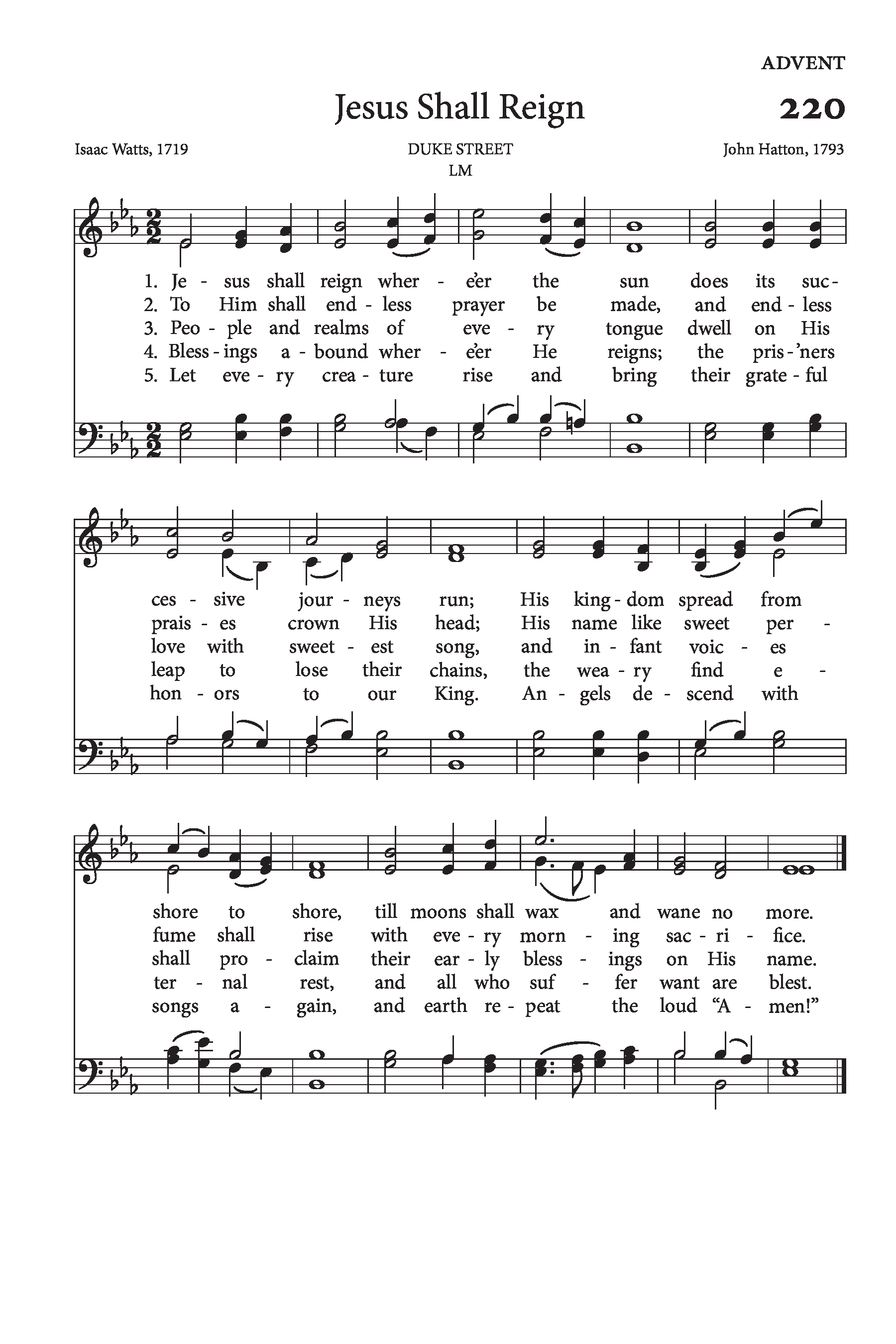
 Jesus Shall Reign Where'er the Sun
-
My Shepherd Will Supply My Need
16 more related hymns below in the sheet gallery.
Related Hymn Sheets
3 shown at a time — use the arrows to browse all 24 sheets.
Related Authors
Writers connected to this dictionary topic.
Keywords
Related terms for this dictionary entry.
Recent Dictionary Entries
Newly added terms from the Dictionary of Hymnology.
If you notice any mistake or have suggestions, please contact us on our contact page.