




The English hymn "Adam, our father and our head" was written by the foundational hymnwriter Isaac Watts. The text functions as a theological exploration of the Fall of Man and the resulting doctrine of original sin.
The complete poem first appeared in Watts's early collection, Horae Lyricae: Poems, Chiefly of the Lyric Kind, in 1706. In this initial volume, the text was structured in 13 stanzas of 4 lines and bore the definitive title "Jesus the only Saviour." The original 13-stanza composition proved too long for standard liturgical singing, and its use as a complete hymn remains entirely unknown in congregational history.
The Rippon Cento
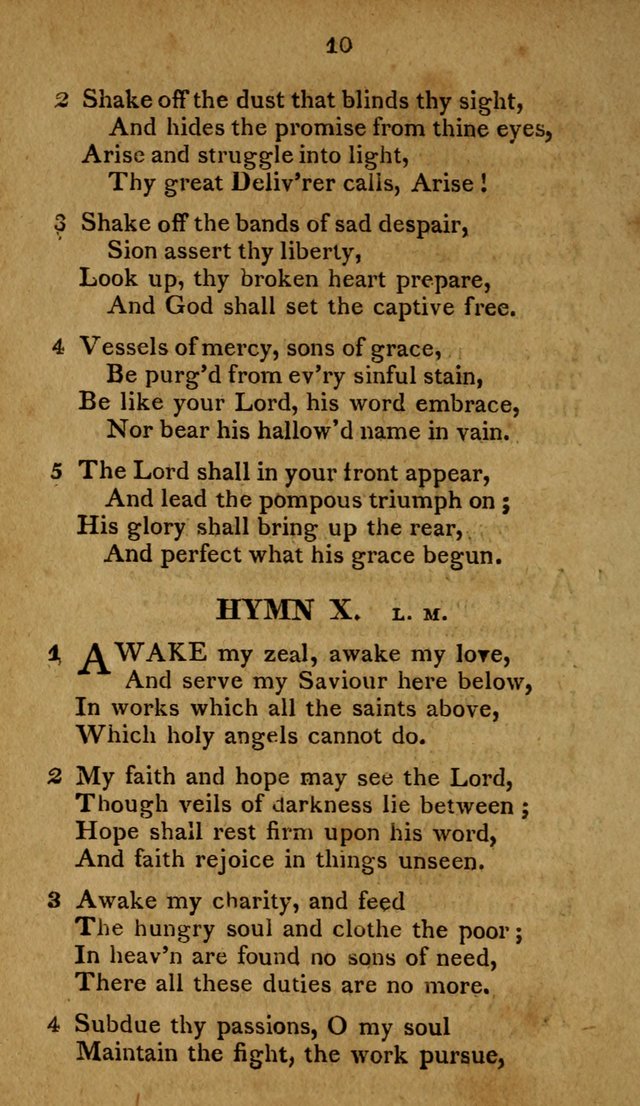
The text entered common church use exclusively in an abbreviated format. Dr. John Rippon selected five specific stanzas to create a functional cento for his influential Selection of Hymns from the Best Authors, Intended to Be an Appendix to Dr. Watts's Psalms and Hymns (1787).
Cataloged as entry Number 38 in the Baptist Selection, Rippon's arrangement was compiled by extracting stanzas one, two, four, five, and seven from the original 1706 text. This specific 5-stanza version passed into common use across several early nineteenth-century evangelical collections, though it maintained a highly limited circulation in later hymnals.
Related Hymns
Hymns in the library connected to this dictionary topic.
-
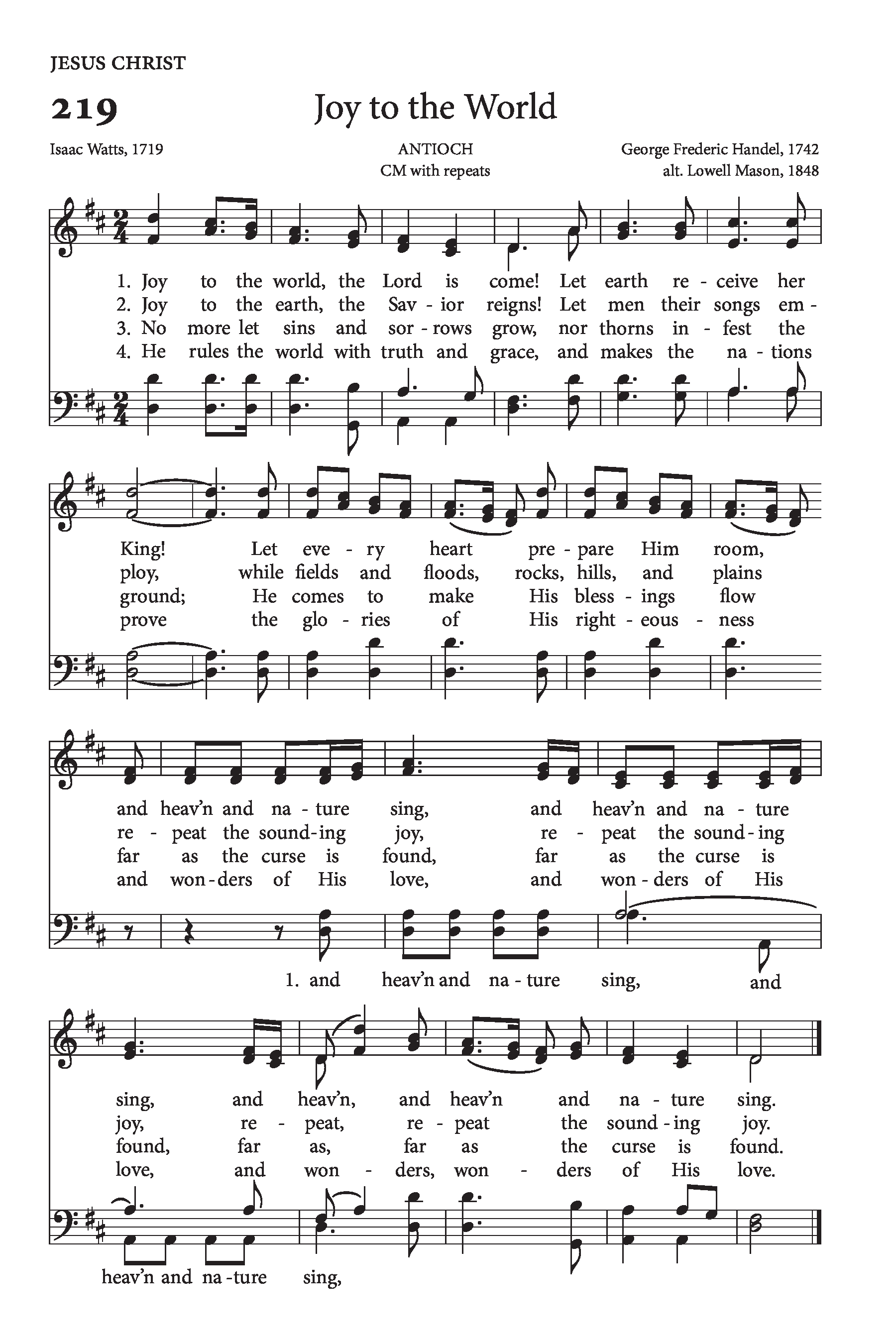
 Joy to the World
-
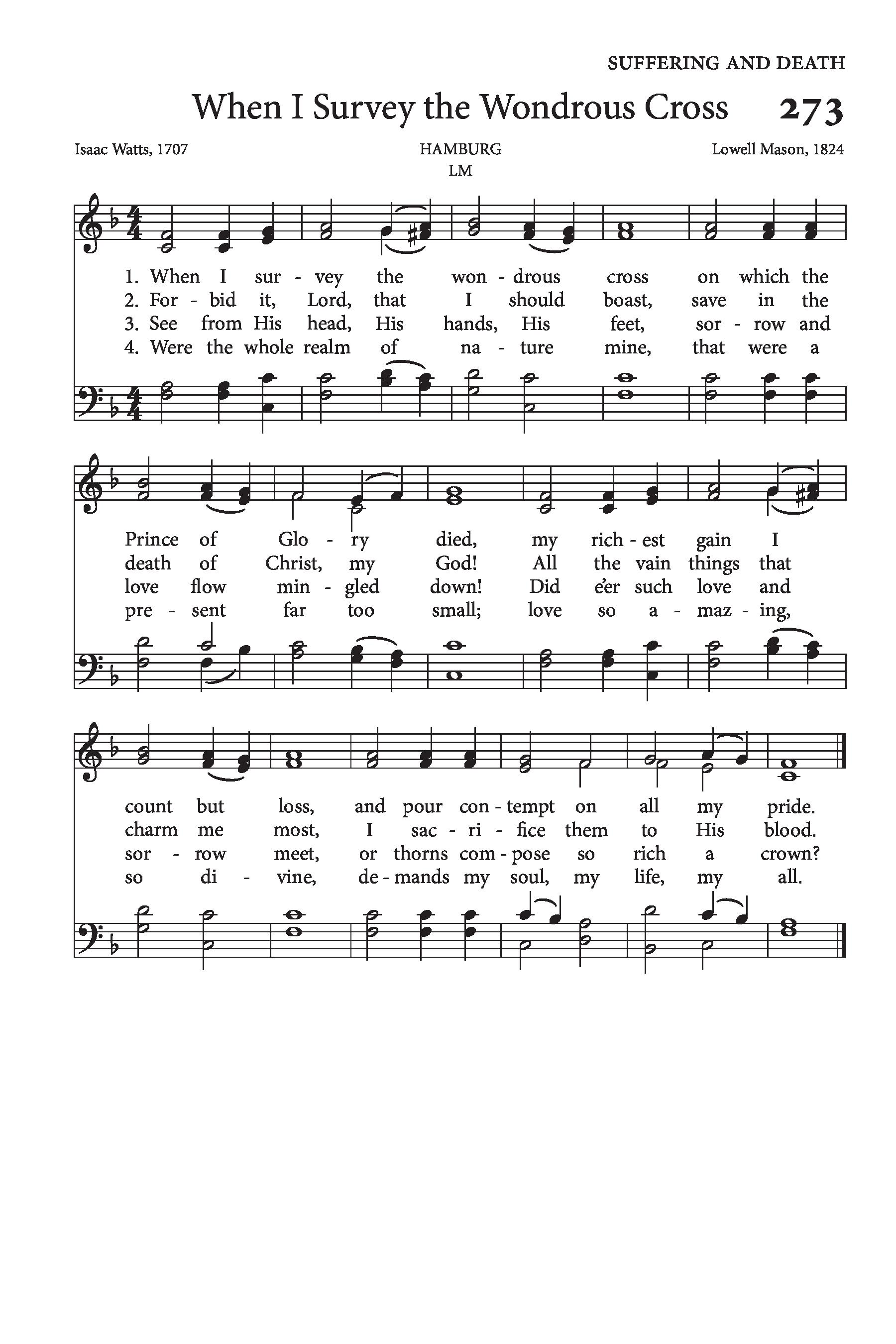
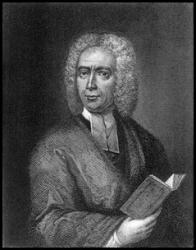 When I Survey the Wondrous Cross
-
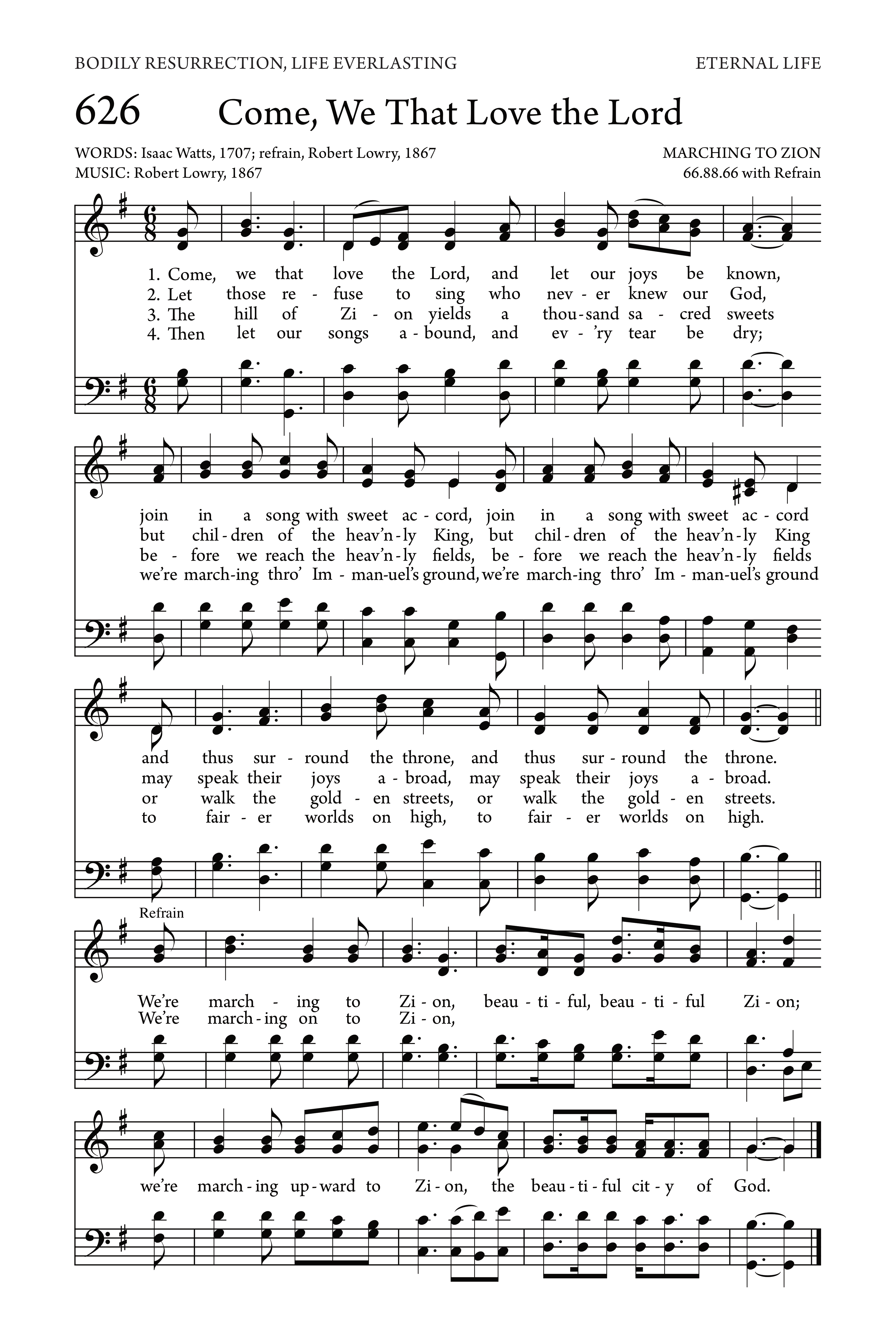
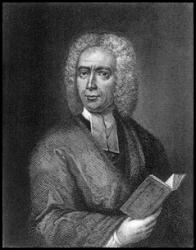 We're Marching To Zion
-
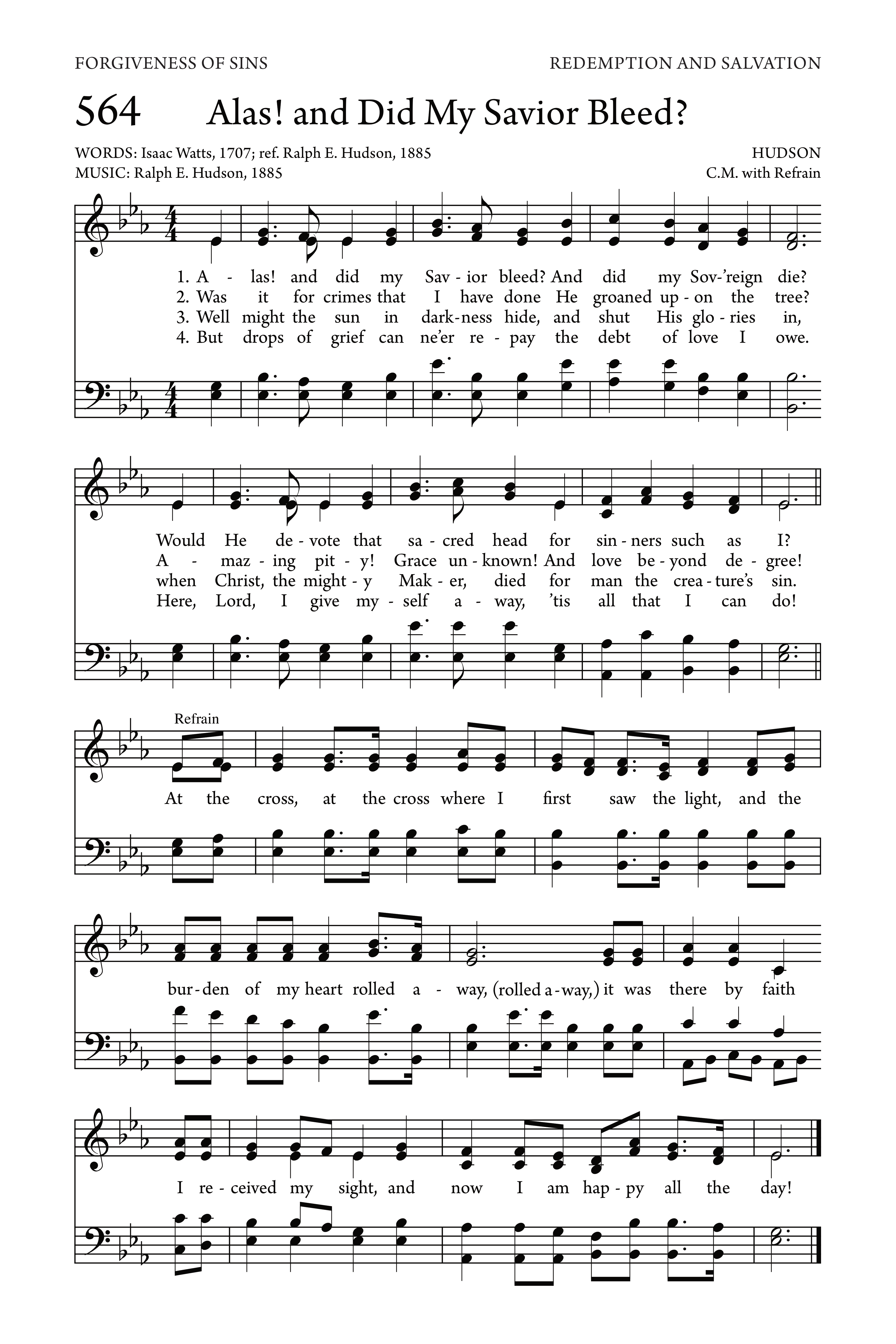
Alas! and Did My Savior Bleed
-
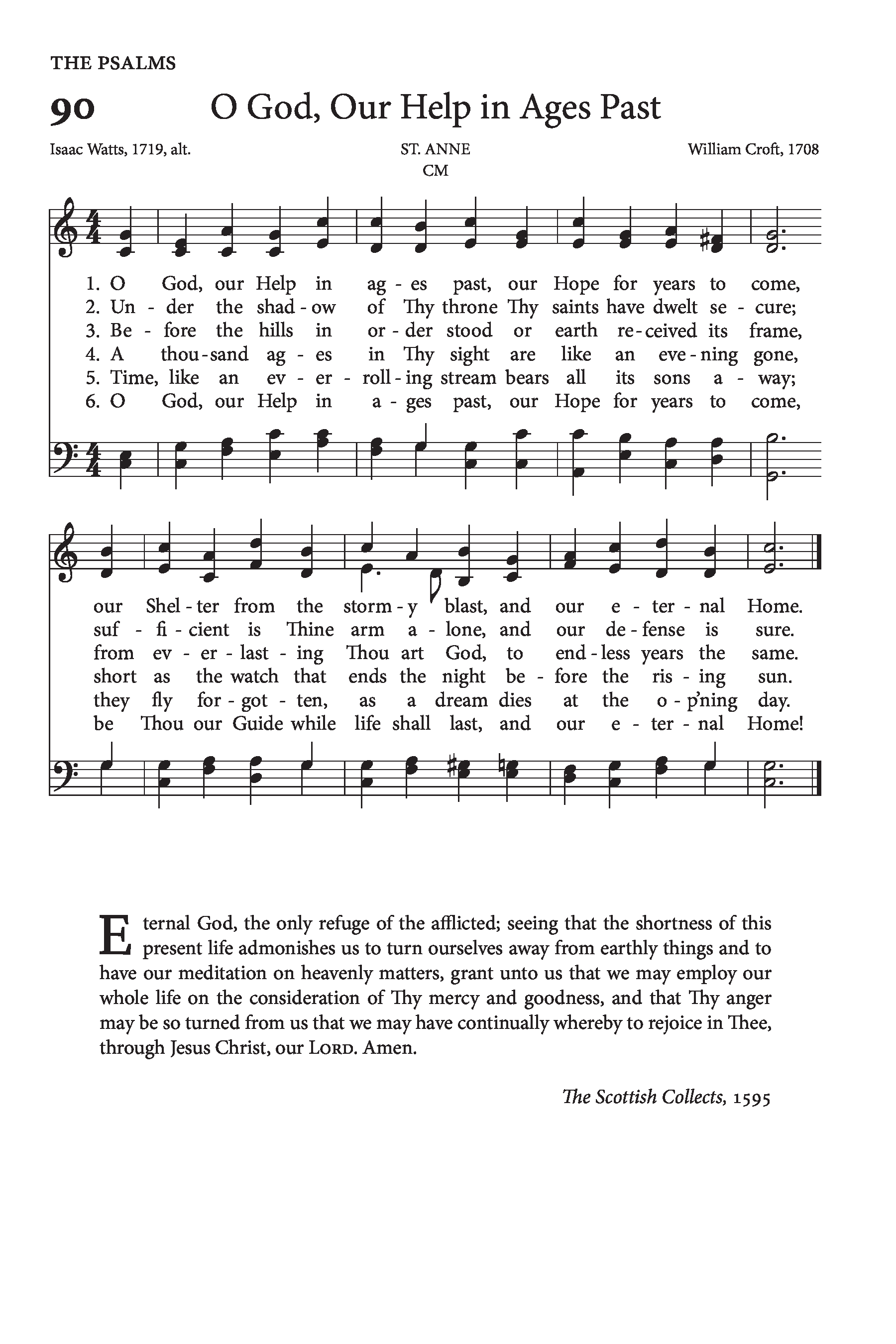
O God, Our Help in Ages Past
-
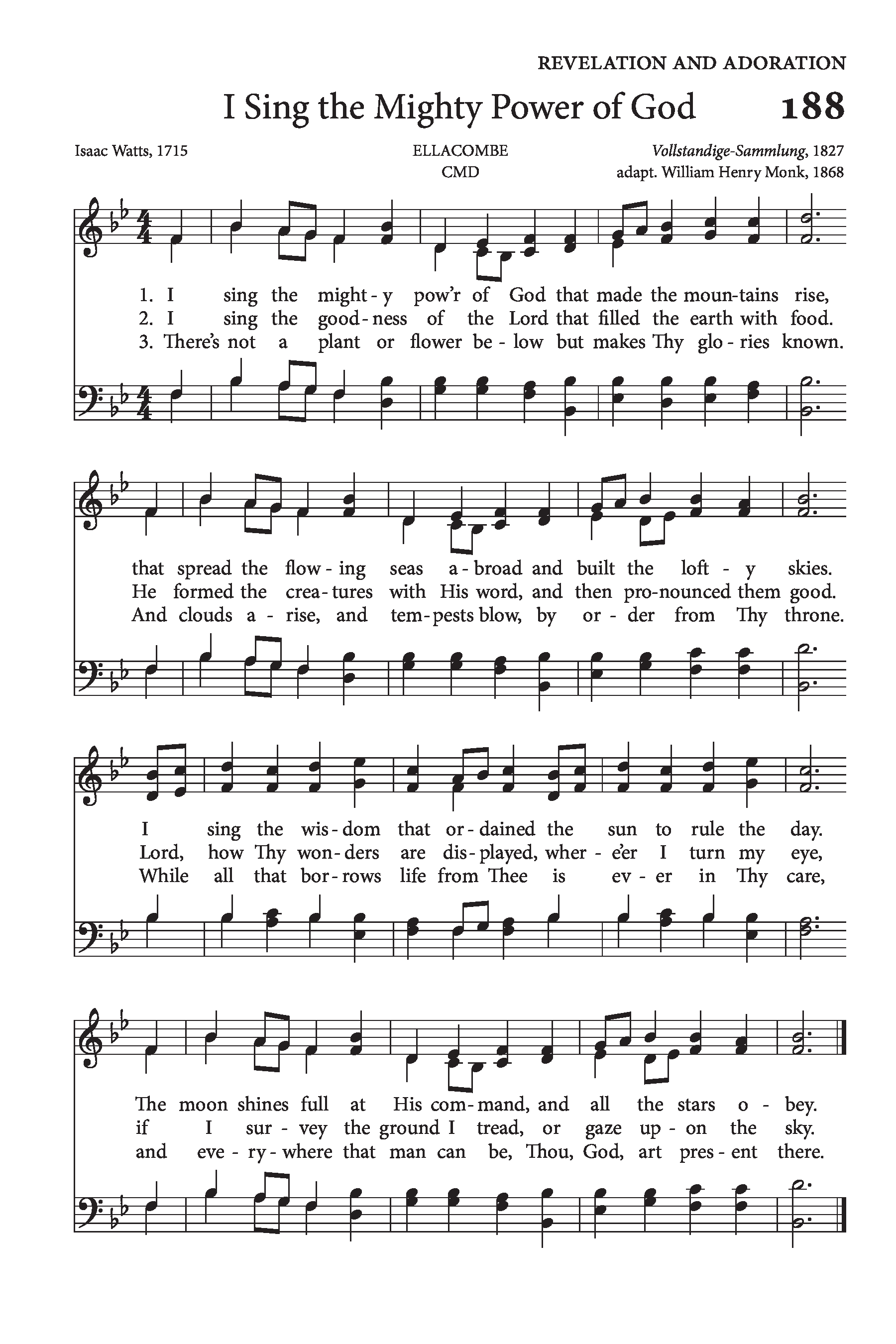
I Sing the Mighty Power of God
-
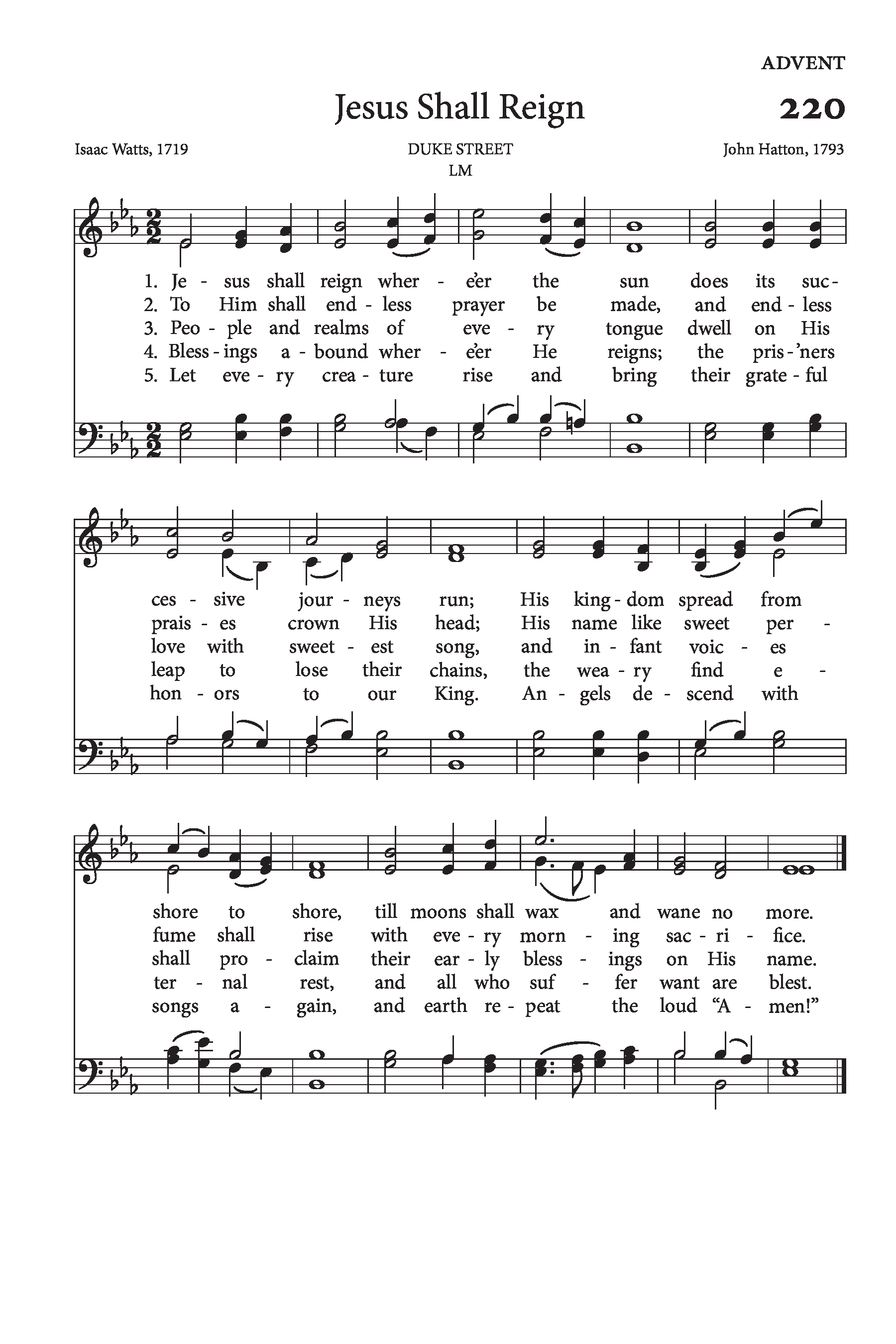
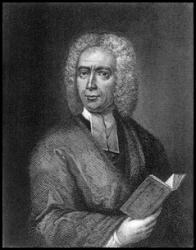 Jesus Shall Reign Where'er the Sun
-
My Shepherd Will Supply My Need
16 more related hymns below in the sheet gallery.
Related Hymn Sheets
3 shown at a time — use the arrows to browse all 24 sheets.
Related Authors
Writers connected to this dictionary topic.

Keywords
Related terms for this dictionary entry.
Recent Dictionary Entries
Newly added terms from the Dictionary of Hymnology.
If you notice any mistake or have suggestions, please contact us on our contact page.