






Should Christians Celebrate Halloween?
3 days, 14 hours ago
Abide with Me
By Henry F. Lyte (1847)
Lyrics
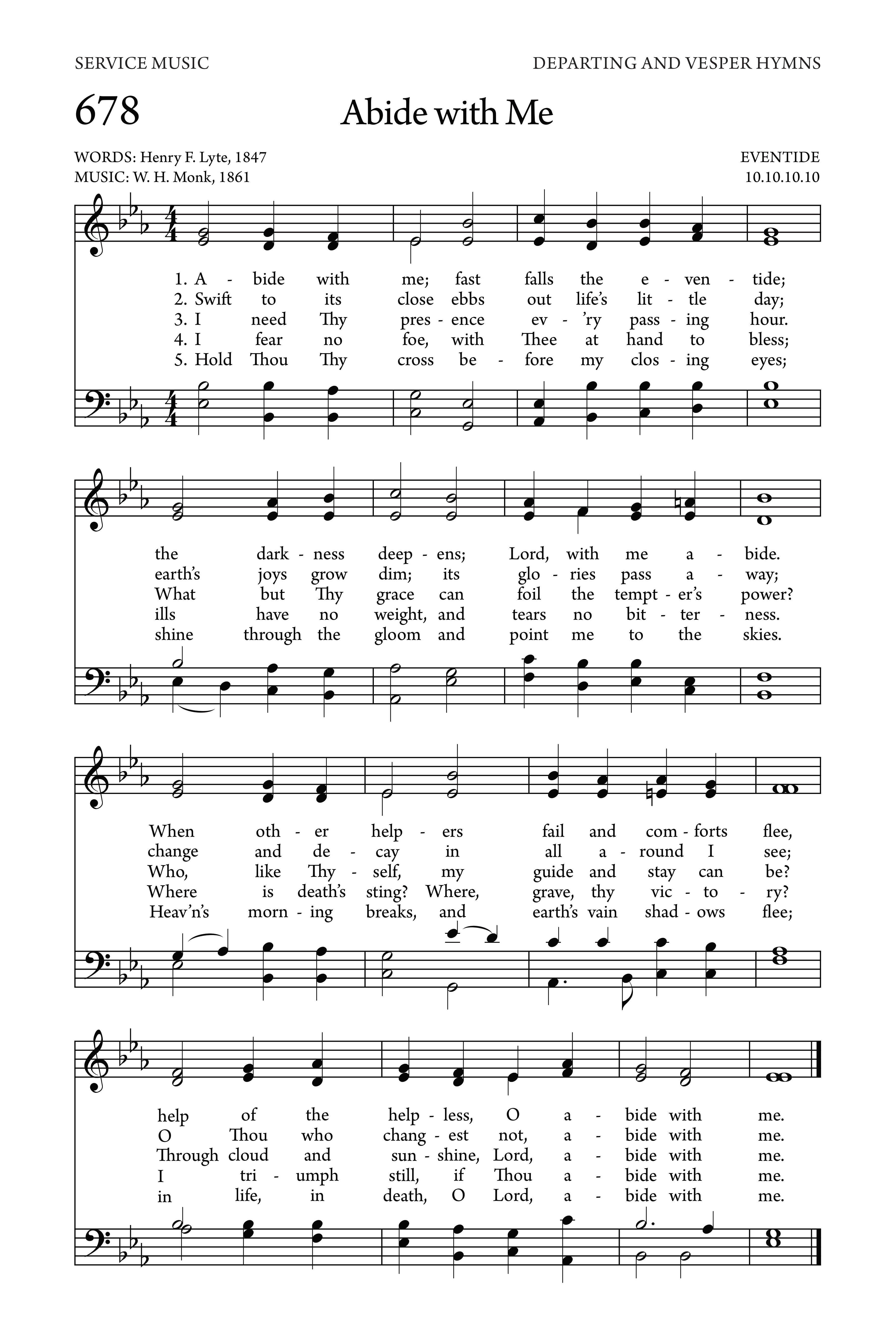
1. Abide with me: fast falls the eventide;
the darkness deepens; Lord, with me abide.
When other helpers fail and comforts flee,
Help of the helpless, O abide with me.
the darkness deepens; Lord, with me abide.
When other helpers fail and comforts flee,
Help of the helpless, O abide with me.
2. Swift to its close ebbs out life's little day;
earth's joys grow dim, its glories pass away.
Change and decay in all around I see.
O thou who changest not, abide with me.
earth's joys grow dim, its glories pass away.
Change and decay in all around I see.
O thou who changest not, abide with me.
3. I need thy presence every passing hour.
What but thy grace can foil the tempter's power?
Who like thyself my guide and strength can be?
Through cloud and sunshine, O abide with me.
What but thy grace can foil the tempter's power?
Who like thyself my guide and strength can be?
Through cloud and sunshine, O abide with me.
4. I fear no foe with thee at hand to bless,
ills have no weight, and tears no bitterness.
Where is death's sting? Where, grave, thy victory?
I triumph still, if thou abide with me.
ills have no weight, and tears no bitterness.
Where is death's sting? Where, grave, thy victory?
I triumph still, if thou abide with me.
5. Hold thou thy cross before my closing eyes.
Shine through the gloom and point me to the skies.
Heaven's morning breaks and earth's vain shadows flee;
in life, in death, O Lord, abide with me.
Shine through the gloom and point me to the skies.
Heaven's morning breaks and earth's vain shadows flee;
in life, in death, O Lord, abide with me.
Bible Reference
Luke 24:29
Lectionary & readings
Open today’s (or any date’s) assigned scriptures and find related hymns across church calendars. Useful when planning worship around this song’s themes or its Bible reference.
Hymn scripture: Luke 24:29
About This Hymn
It has often been said that only those who can face the reality of death with honesty and composure are able to live life with true meaning and confidence. This profound truth was deeply held by Henry Francis Lyte, a humble but devout English pastor and poet. In 1847, shortly before his passing, Lyte composed the beloved hymn “Abide with Me”, a work that has since brought comfort to countless Christians around the world in moments of sorrow, loss, and reflection.
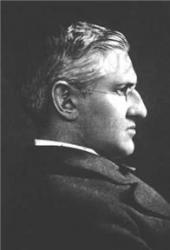
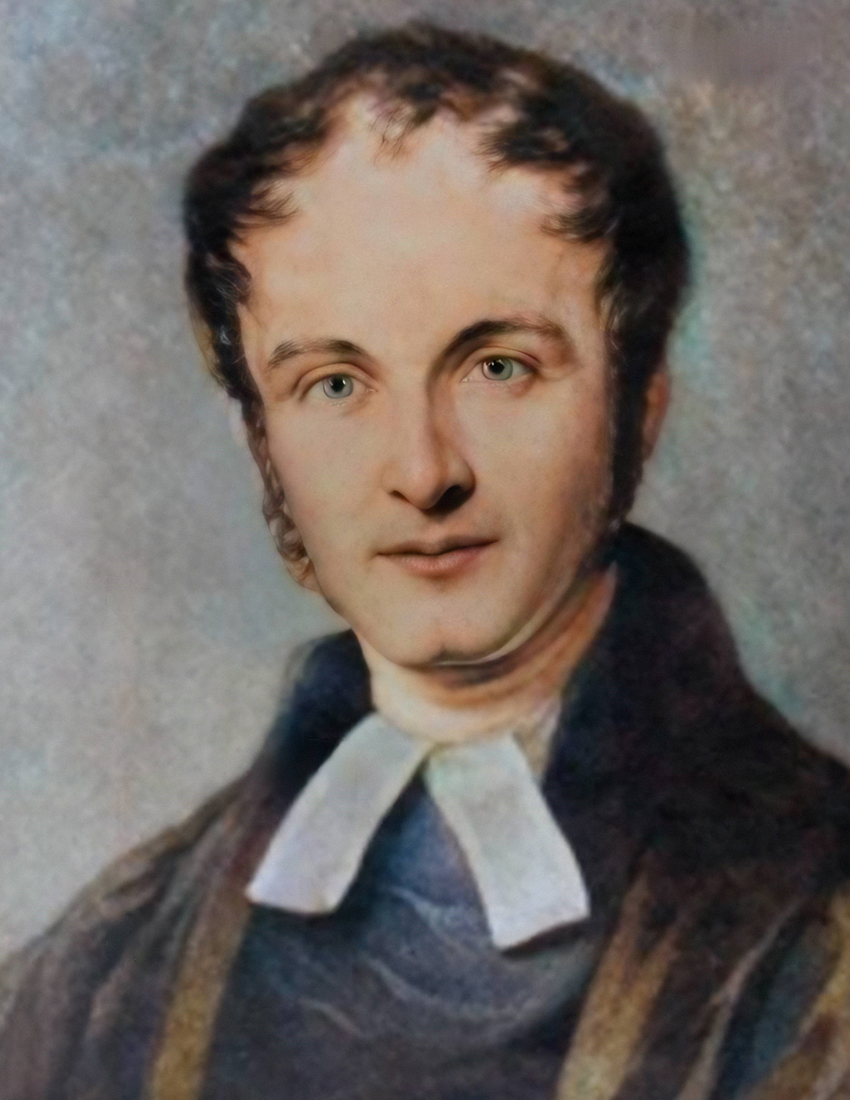
Henry F. Lyte was born in Scotland on June 1, 1793, and educated at Trinity College, Dublin. A lifelong member of the Church of England, Lyte was known not only for his pastoral care and eloquent preaching but also for his poetic and musical gifts. Though plagued by chronic illness—particularly asthma and tuberculosis—he remained a man of deep spiritual vigor. Despite his fragile health, Lyte lived by the motto, “It is better to wear out than to rust out,” serving faithfully in every pastoral charge. For the final twenty-three years of his life, he ministered in the small fishing village of Lower Brixham, Devonshire. Deeply beloved by his parishioners, Lyte’s life was a quiet testimony of faithfulness in the face of physical decline.
As his health deteriorated, Lyte was advised to seek a warmer climate. On September 4, 1847, just weeks before his death, he delivered what would be his final sermon. Barely able to reach the pulpit, he spoke with the solemn authority of a dying man, urging his congregation to prepare for eternity through faith in the death of Christ. Shortly afterward, he departed for Italy, but never reached his destination. Lyte died in Nice, France, on November 20, 1847, and was laid to rest in the English cemetery there. It is believed that shortly before this final sermon, Lyte composed both the text and a simple tune for “Abide with Me.” However, the hymn remained relatively unknown in his lifetime.
The text first appeared in 1850 in a posthumous collection titled Lyte’s Remains. Its introduction to American audiences came in 1855 through Henry Ward Beecher’s Plymouth Collection, though initially accompanied by a note that it was “meant to be read and not sung.” Its transformation into a beloved sung hymn came when William Henry Monk, music editor of the landmark Anglican hymnal Hymns Ancient and Modern, discovered the text. Inspired by a radiant sunset and touched by a personal grief, Monk composed the now-famous tune “Eventide” in less than thirty minutes. The hymn was included in the first edition of Hymns Ancient and Modern in 1861, a publication now regarded as one of the most influential hymnals in English-speaking Christianity. Monk, who served as organist and choir director at King’s College, London, contributed fifty original tunes to the hymnal, including music for “Look, Ye Saints! The Sight Is Glorious” and “The Strife Is O’er.”
The inspiration for Lyte’s text came from Luke 24:29, where the disciples on the road to Emmaus plead with the risen Christ, “Abide with us: for it is toward evening, and the day is far spent.” Though Lyte wrote relatively few hymns, his contributions are profound in both depth and legacy. In addition to “Abide with Me,” his other well-known hymns include “Jesus, I My Cross Have Taken.” Through his writing and ministry, Lyte has left an enduring mark on Christian worship and devotional life, with “Abide with Me” standing as a lasting reminder of God’s presence in life’s most difficult hours.
From the Dictionary of Hymnology
Related terms and concepts automatically matched to this hymn.
Abide with me, fast falls the eventide Hymn
H. F. Lyte’s hymn was given to a relative on the evening of the day he preached his last sermon at Lower Brixham, 4 September 1847. He died at Nice that November. The hymn is in very wide use.
Read moreStaff Visualizer
Open in MIDI StudioPowered by HTML MIDI PLAYER, MIDI FILE Made by Hymnal Library. · Study chords & lyrics in MIDI Studio
Want weekly hymns and devotionals?
⭐ Recommend This Hymn
Share this beautiful hymn with others
This hymn also appears in these hymnals
Click a spine to pull out the hymnal, then open it.
Hymns with the same subject
More hymns about Battle, Evening, Presence of God
- O Come, O Come, Emmanuel - J. M. Neale
- We Gather Together - Anonymous
- Lord, Send A Revival - B. B. McKinney
- Behold the Lamb - Joseph Hoskins
- Just a Little Longer - Mrs. C. H. Morris
- Abide With Me, ‘Tis Eventide - M. Lowrie Hofford
- At Even, Ere the Sun Was Set - Henry Twells
- Because He Lives - Bill & Gloria Gaither
More hymn subjects
Latest Updated Hymnals
-
Open
 Book of Common Praise (BoCP1915)Updated 3 days, 3 hours ago · 1915
-
Open
 The New Apostolic Church HymnalUpdated 1 week, 1 day ago · 2008
-
Open
 400+ Christmas Carols Book: Sheet Music for PianoUpdated 1 week, 2 days ago · 2014
-
Open
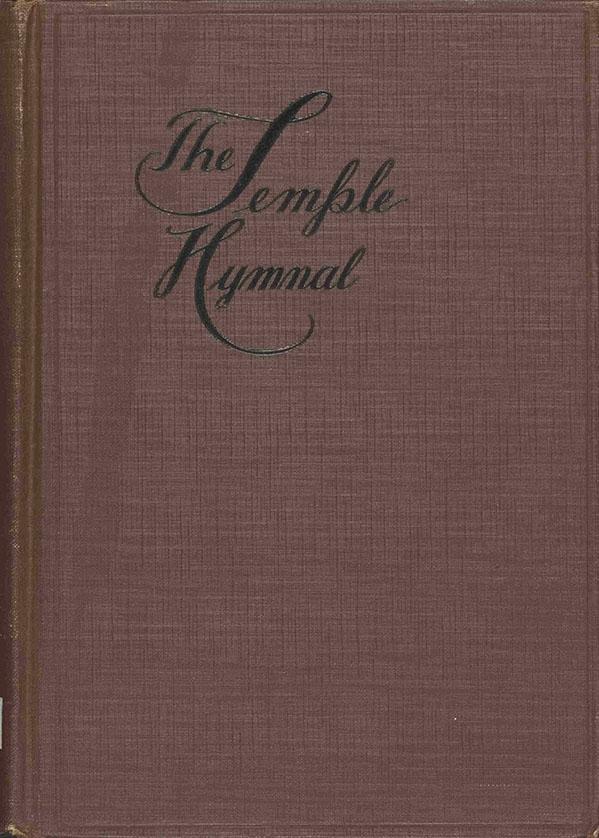 The Temple HymnalUpdated 1 week, 3 days ago · 1918
-
Open
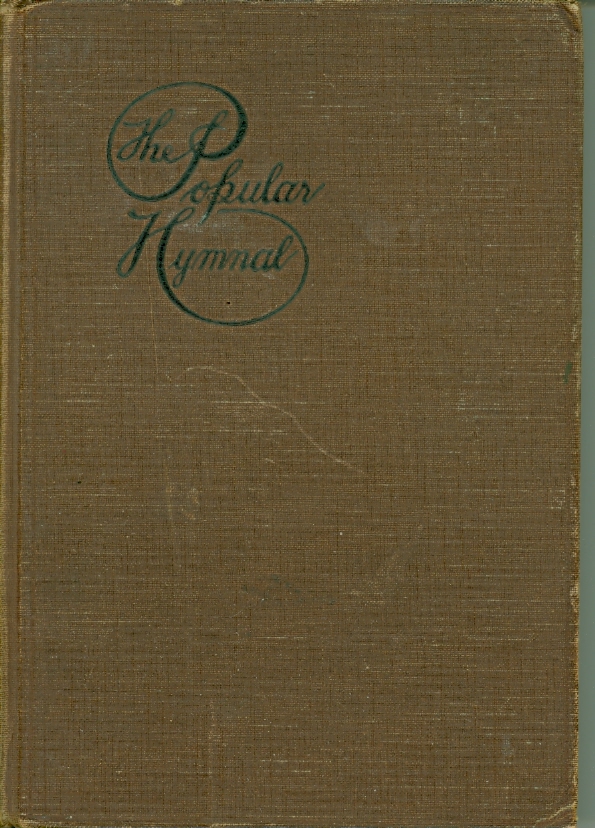 The Popular HymnalUpdated 1 week, 3 days ago · 1918
Hymn Information
Click a linked name to open their biography.
MIDI File
More Hymns by Henry F. Lyte
Hymns from 1847
Popular Hymns
Recent Blog Posts

Popular Blog Posts
-
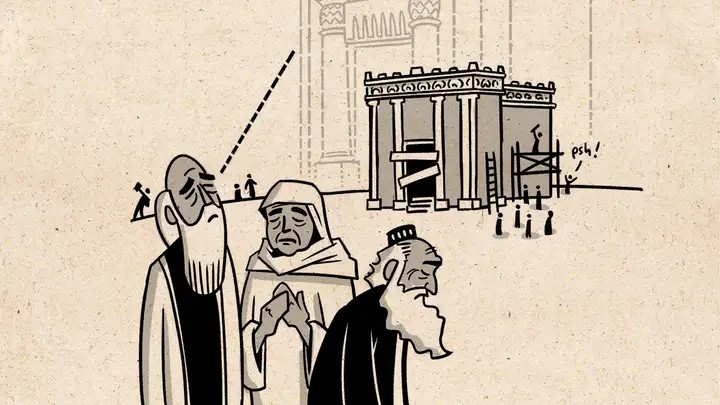 Lessons from the Book of Haggai: Putting God…5 months ago
-
 Easter vs Passover: How a Biblical Feast Bec…7 months ago
-
 The Full Story of the Birth of Jesus Christ:…10 months, 3 weeks ago
-
 The 30 Most Famous Christmas Hymns and Carols1 year, 2 months ago
-
 The Story Behind the Hymn “Amazing Grace”10 months, 2 weeks ago
Visit Us on Social Media
Latest from X (Twitter)
Tweets by HymnalLibraryLatest from Facebook
Latest on YouTube
Loading latest video...
Daily Bible Verse
Disclaimer
The hymns, sheet music, MIDI files, and related content on this website are provided for educational and research purposes only.
- Public Domain: Many of the hymns featured here are in the public domain and may be freely used.
- Copyrighted Works: Some hymns may still be under copyright protection. Where applicable, permission has either been requested from the copyright owner, or the content is shared under the principles of fair use for educational purposes.
⚠️ Important Notice: If you wish to reproduce, distribute, or use any copyrighted hymn beyond personal study or educational use, you must obtain permission directly from the copyright holder. This website does not grant any rights for commercial use yet.
If there is any other question please address it to us in our Contact Page, for further assistance. Thank you for using the site. May God Bless You.
Recently Added · Dictionary of Hymnology
Browse dictionary →
Can’t find a hymn or lyric?
Leave your question in the forum for others to answer — requests, missing lines, writers, and worship ideas welcome.