
English Baptist hymnody historically developed along two distinct branches, representing the Arminian General Baptists and the Calvinistic Particular Baptists. Throughout the seventeenth century, General Baptists largely opposed congregational singing, fearing formalist ritual and the participation of unconverted voices in public praise. Leaders like Thomas Grantham argued in Christianismus Primitivus (1678) against rhymed metrical singing by mixed congregations, a position affirmed by the General Baptist Assembly of 1689. Conversely, Particular Baptists viewed psalmody more favorably, as evidenced by Broadmead Church records and John Bunyan's writings. In the late seventeenth century, a notable controversy arose over congregational singing, sparked by Hercules Collins and Benjamin Keach, who championed public praise against opponents like Isaac Marlow. Keach introduced the practice of singing hymns after the Lord's Supper in 1673, prompting early hymn compositions by himself, Joseph Stennett the elder, and Joseph Boyse.
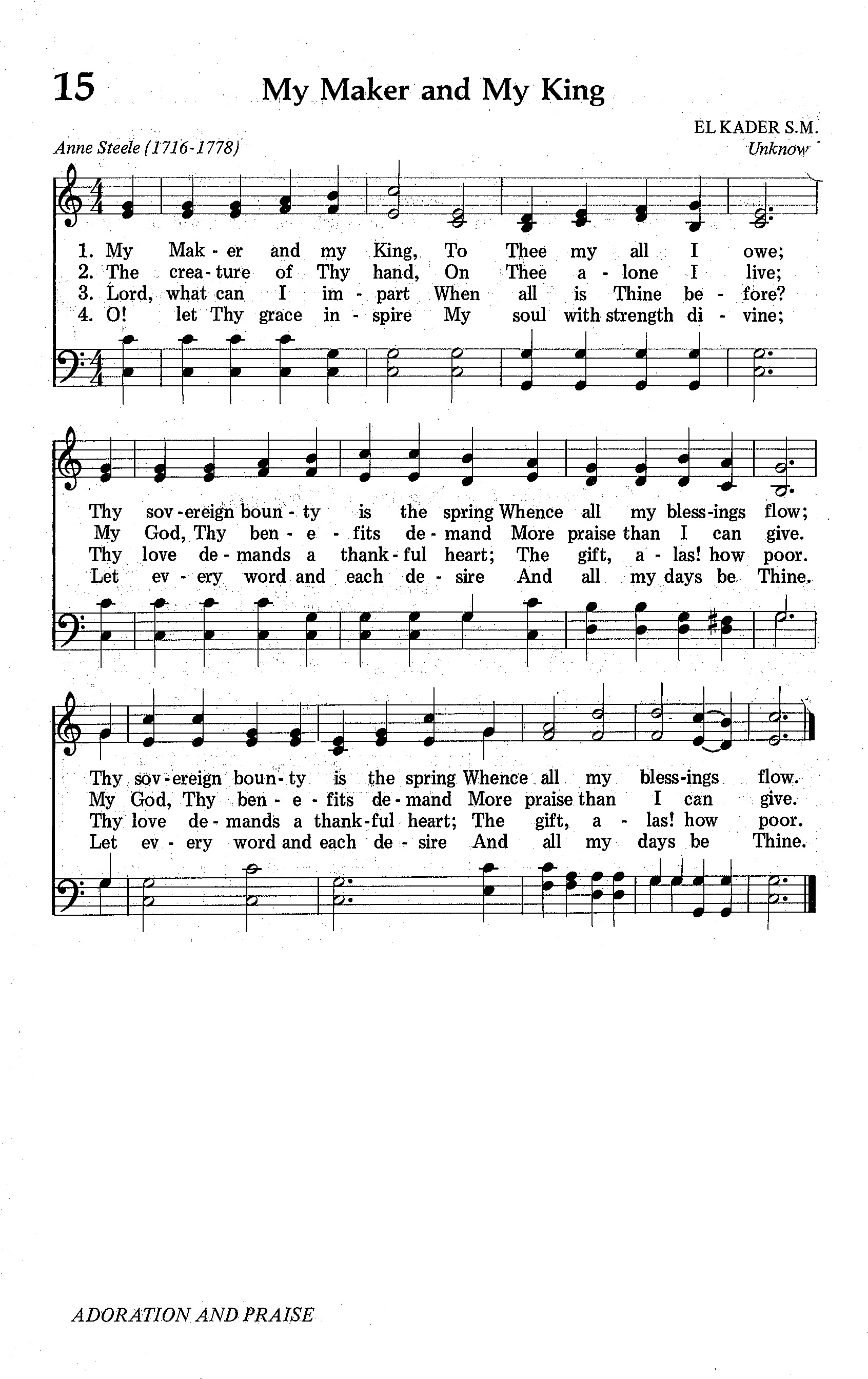
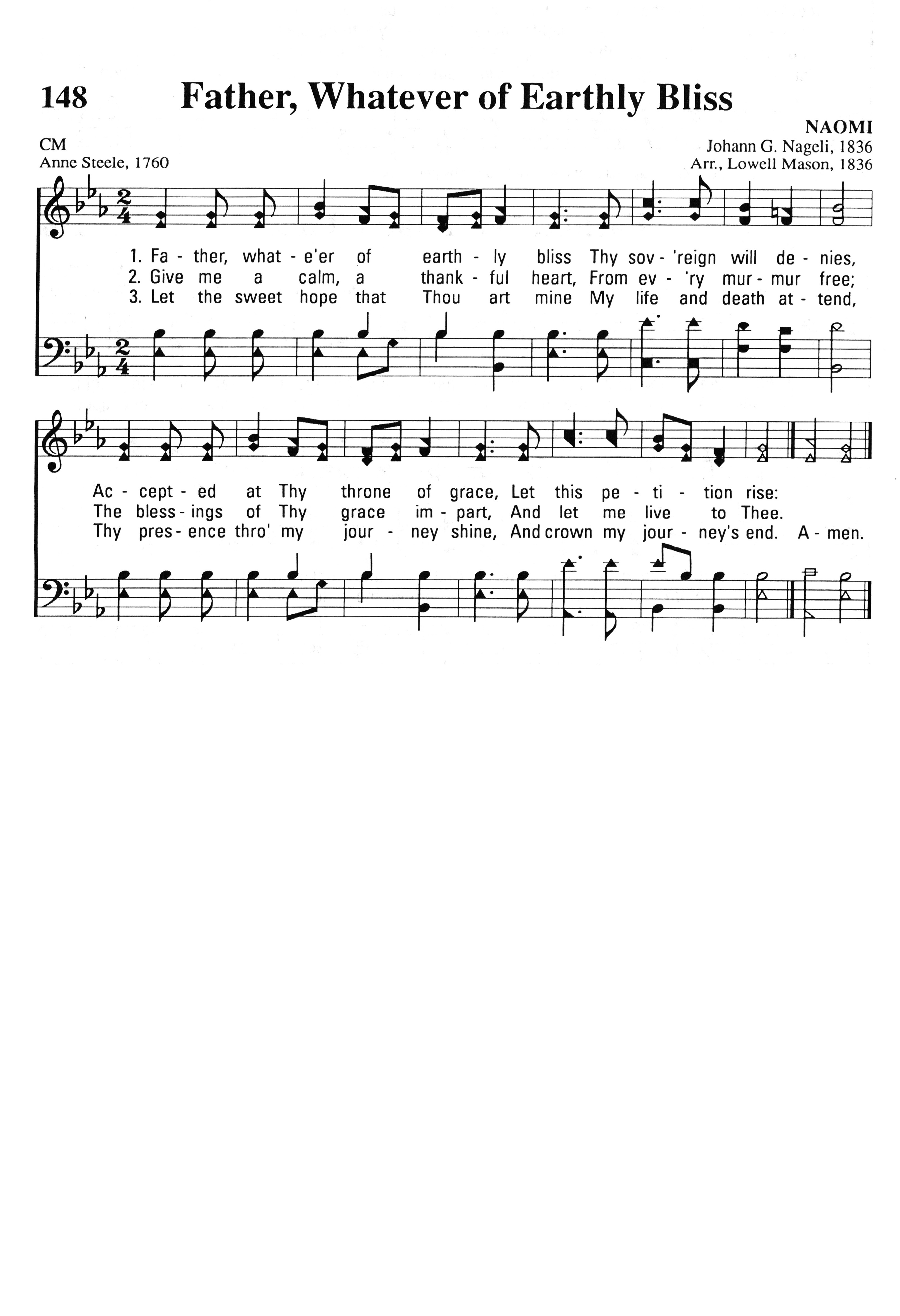
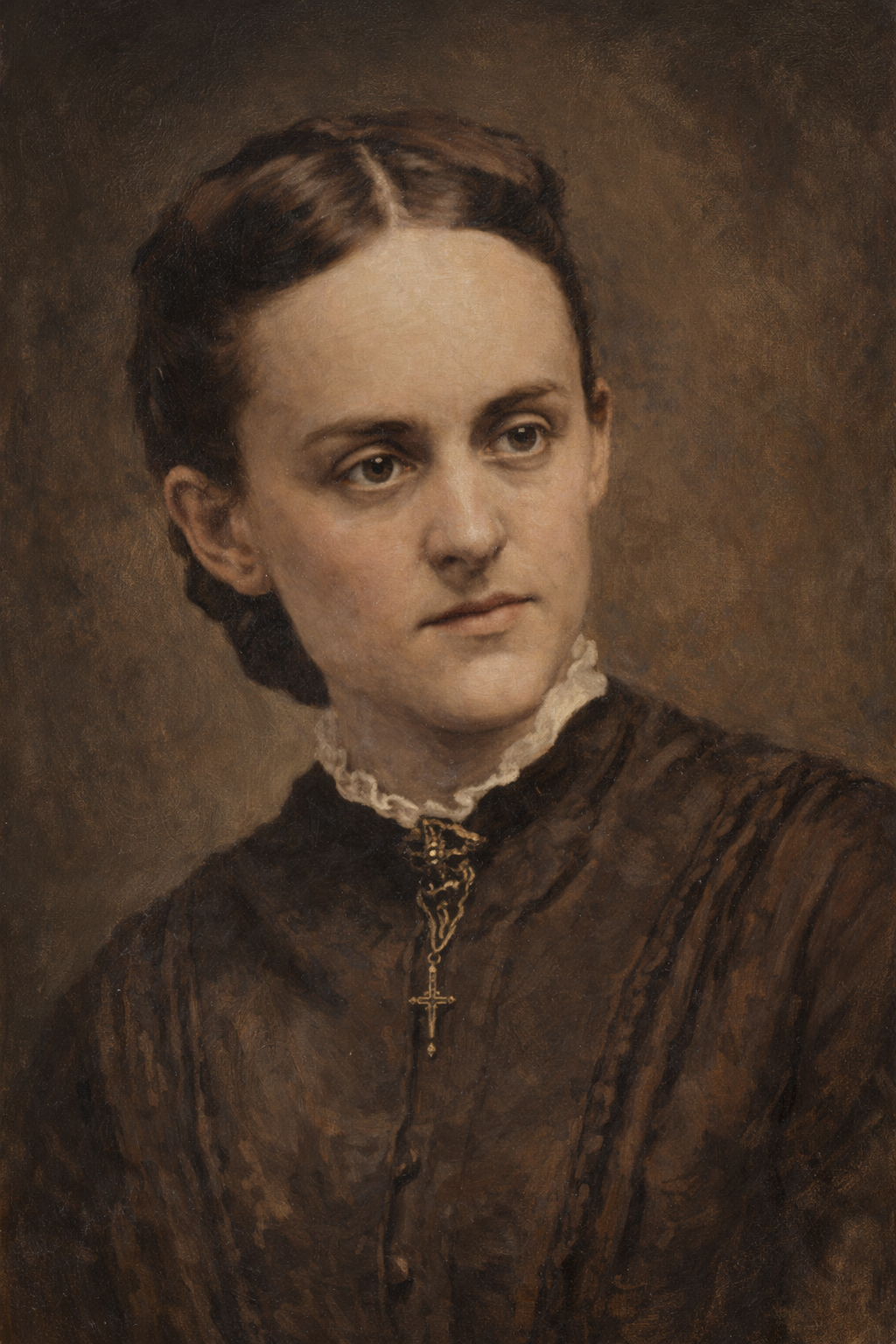
During the eighteenth century, congregational praise gradually gained universal acceptance among Baptists. While older General Baptist churches resisted singing until late in the century, the rise of the New Connexion of General Baptists in 1770 established a rich tradition of Christian song, highlighted by Samuel Deacon's Barton Hymns (1785) and official hymnals edited by John Deacon and Dan Taylor. Among Particular Baptists, Joseph Stennett provided an early foundation with his baptismal and sacramental hymns, followed by prolific writers such as Anne Dutton, Daniel Turner, Benjamin Wallin, John Needham, and Edmund Jones. The mid to late eighteenth century marked a golden age of Baptist hymnody led by Anne Steele, Benjamin Beddome, Dr. Samuel Stennett, Benjamin Francis, Robert Robinson, Dr. John Fawcett, Dr. John Ryland, Samuel Medley, Joseph Swain, and Job Hupton. Hymnal compilers like John Ash, Caleb Evans, and Dr. John Rippon compiled major collections, with Rippon's Selection of Hymns (1787) becoming the dominant Baptist hymnal across thirty editions.
In the nineteenth century, English Baptist hymnody continued to expand through contributions from writers such as John Burton, Alice Flowerdew, John Howard Hinton, John Eustace Giles, Anne Saffery, Amos Sutton, Edward Mote, David Denham, W. P. Balfern, and Charles Haddon Spurgeon. As theological distinctions between General and Particular Baptists faded, unified denominational hymnals emerged. Significant collections published during this era included The New Selection (1828), Psalms and Hymns (1858, edited by Dr. S. G. Green and others), Spurgeon's Our Own Hymn Book (1866), and the Baptist Hymnal (1879, edited by W. R. Stevenson). High Calvinist congregations retained distinct collections by William Gadsby, David Denham, and John Stevens. By the close of the century, congregational singing was universally recognized as an essential component of Baptist worship.
Related Hymns
Hymns in the library connected to this dictionary topic.


Related Hymn Sheets
3 shown at a time — use the arrows to browse all 6 sheets.
Related Authors
Writers connected to this dictionary topic.
Keywords
Related terms for this dictionary entry.
Recent Dictionary Entries
Newly added terms from the Dictionary of Hymnology.
If you notice any mistake or have suggestions, please contact us on our contact page.