
"Alleluia piis edite laudibus" is an anonymous hymn of early origin. F. J. Mone assigned the text to the fifth century, pointing out its inclusion in the Mozarabic Breviary, which contains no hymns composed later than the eighth century, as well as its shortened strophic form. Mone published the Latin text from a tenth-century Munich manuscript with extensive critical notes, a version largely adopted by H. A. Daniel (Thesaurus Hymnologicus, 1855, vol. iv, pp. 63–65).
Liturgical Usage
The hymn held varied positions across different Western rites:
-
Mozarabic Rite: It served as the Vespers hymn for the First Sunday in Lent and its preceding Saturday (Mozarabic Breviary, Toledo, 1502, f. 80). In Migne's Patrologia Latina (vol. 86, cols. 259, 806), it is described as the "Ymnus in Carnes tollendas," sung upon relinquishing flesh-meat for the fast.
-
Sarum and English Use: It was appointed as the Matins hymn for Septuagesima Sunday and its octave in Hymnarium Sarisburiense (London, 1851, pp. 60, 61), drawn from a 1064 Worcester Cathedral manuscript attributed to St. Oswald.
-
Manuscripts: The text is preserved in an eleventh-century Durham manuscript (Latin Hymns of the Anglo-Saxon Church, Surtees Society, 1851, p. 57) and in three eleventh-century British Museum manuscripts (Harl. 2961, f. 235 b; Vesp. D. xii, f. 47; Jul. A. vi, f. 43).
The central refrain, "Alleluia perenne," contrasts the ceaseless praise of heaven with the interrupted acclamations of earth.
Translations in Common Use
-
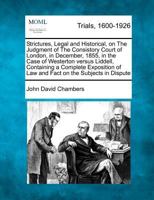
"Alleluias sound ye, In strains of holy laud" by John David Chambers. First published in Lauda Syon (1857) in nine six-line stanzas including refrain. Five stanzas were included in the Sarum Hymnal (1868, No. 185).
-
"Alleluia! now be sung" by James Skinner. Published in his Daily Service Hymnal (1864, No. 75) in two parts, the second beginning "Bright and lovely morning star."
-
"Sing Alleluia forth in duteous praise" by John Ellerton. First published with historical commentary in The Churchman's Family Magazine (1865). It was incorporated into Richard Brown-Borthwick's Supplemental Hymn and Tune Book (1868) and the Appendix to Hymns Ancient and Modern (1868). Ellerton revised the text for Church Hymns (1871). This rendering became the most popular and widely adopted English version of the hymn across English-speaking countries.
Additional Translation
An alternative version, "Alleluia! let the holy sounds of cheerful praises ring," was published in T. G. Crippen's Ancient Hymns (1868, p. 25).
Related Hymns
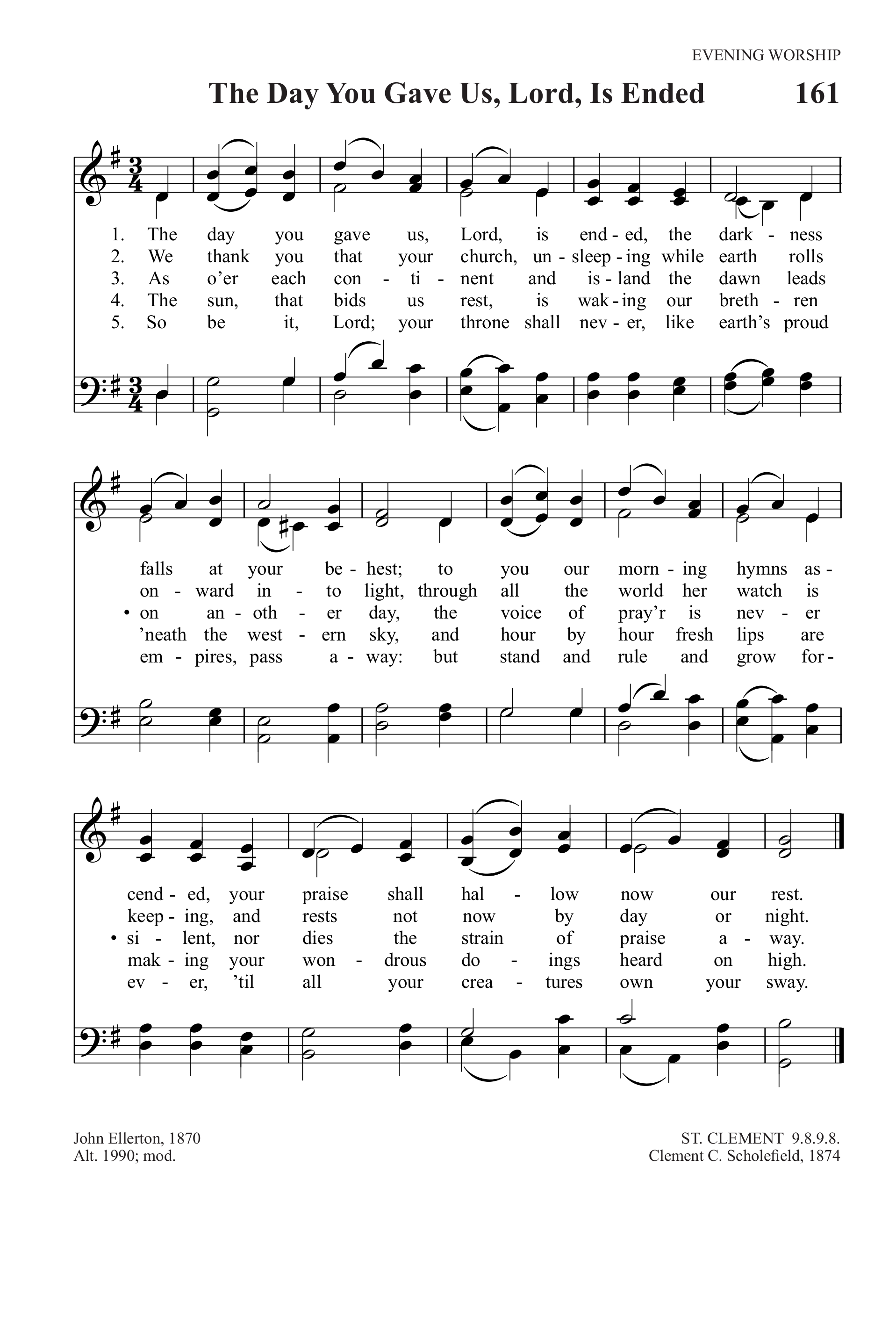
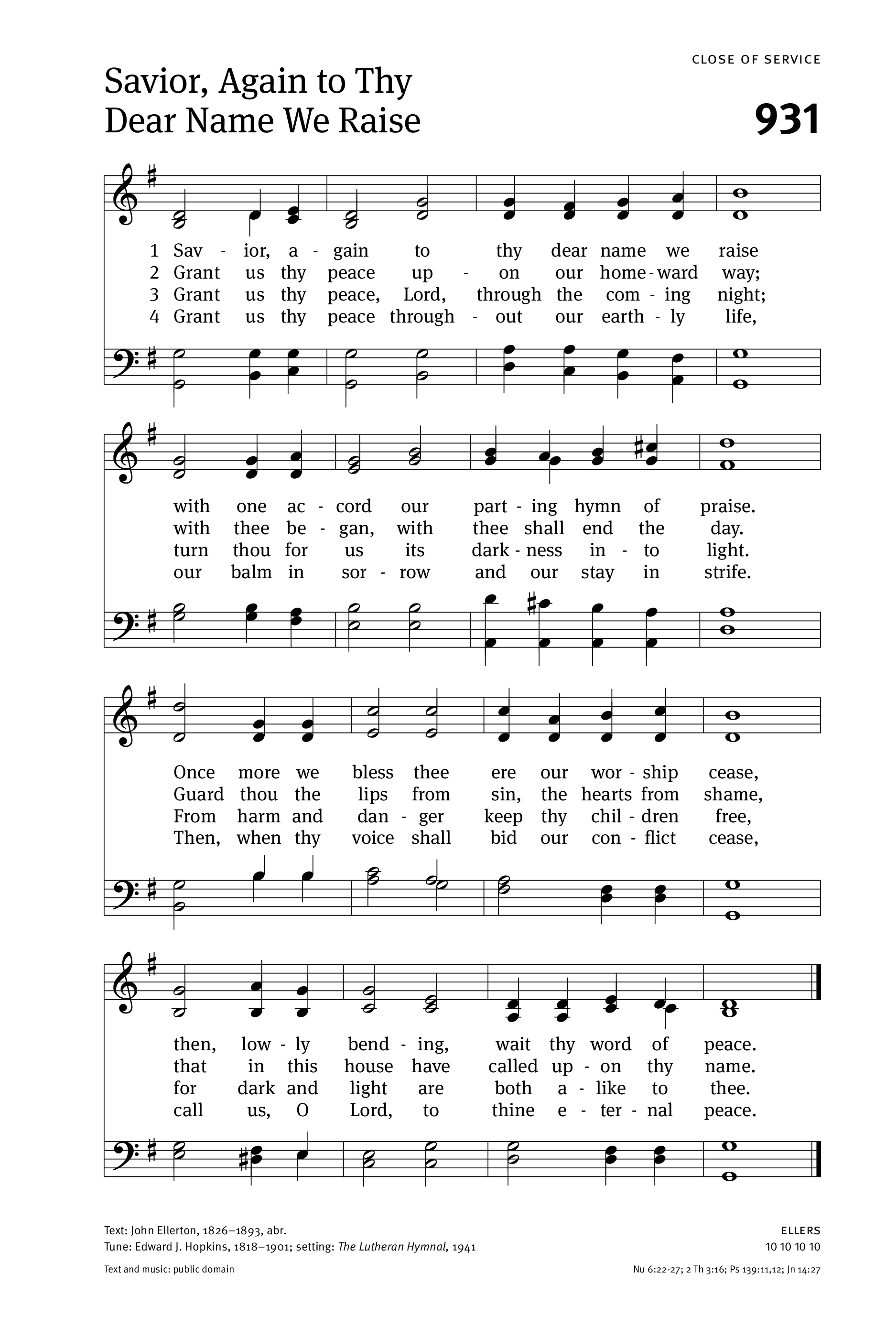
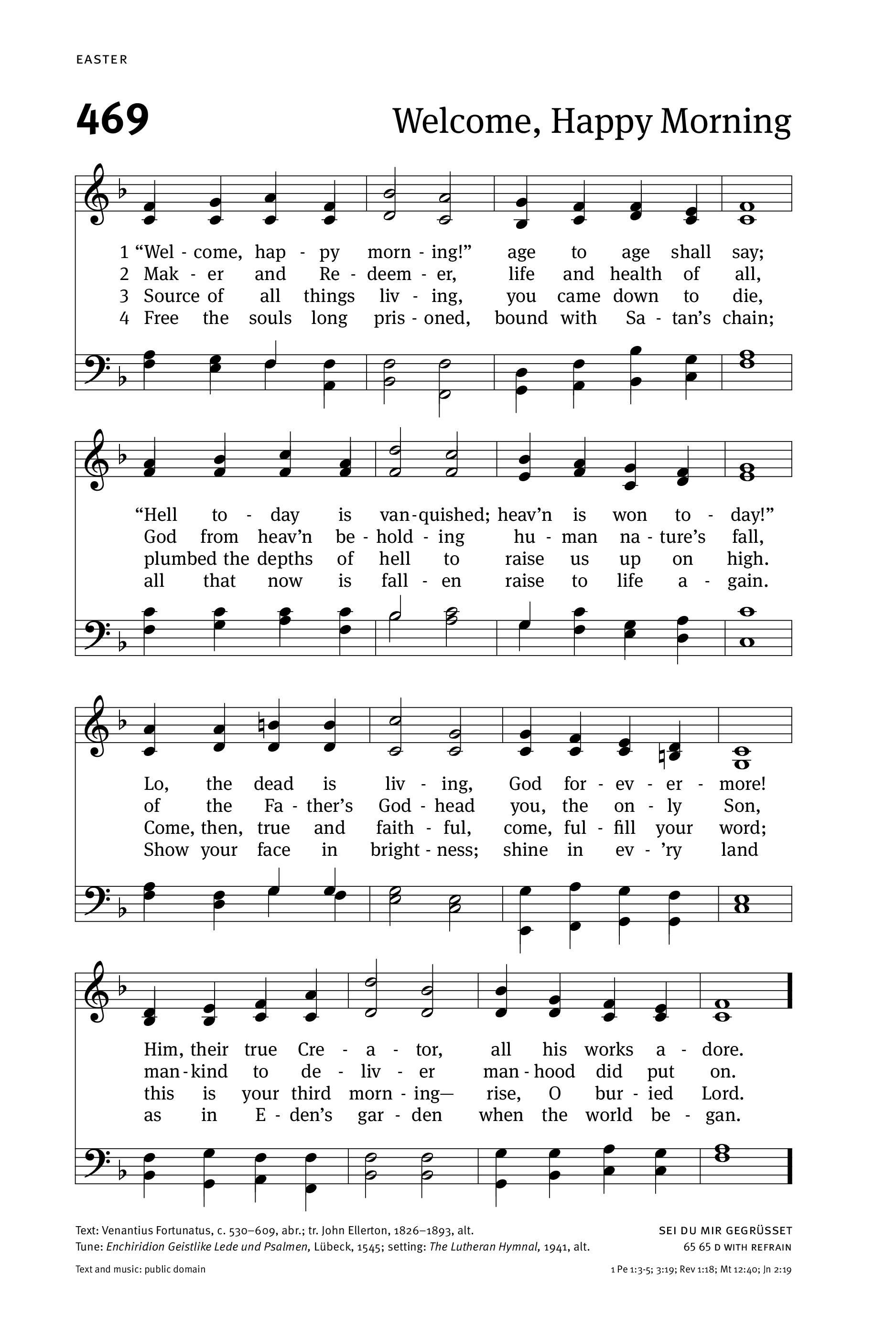
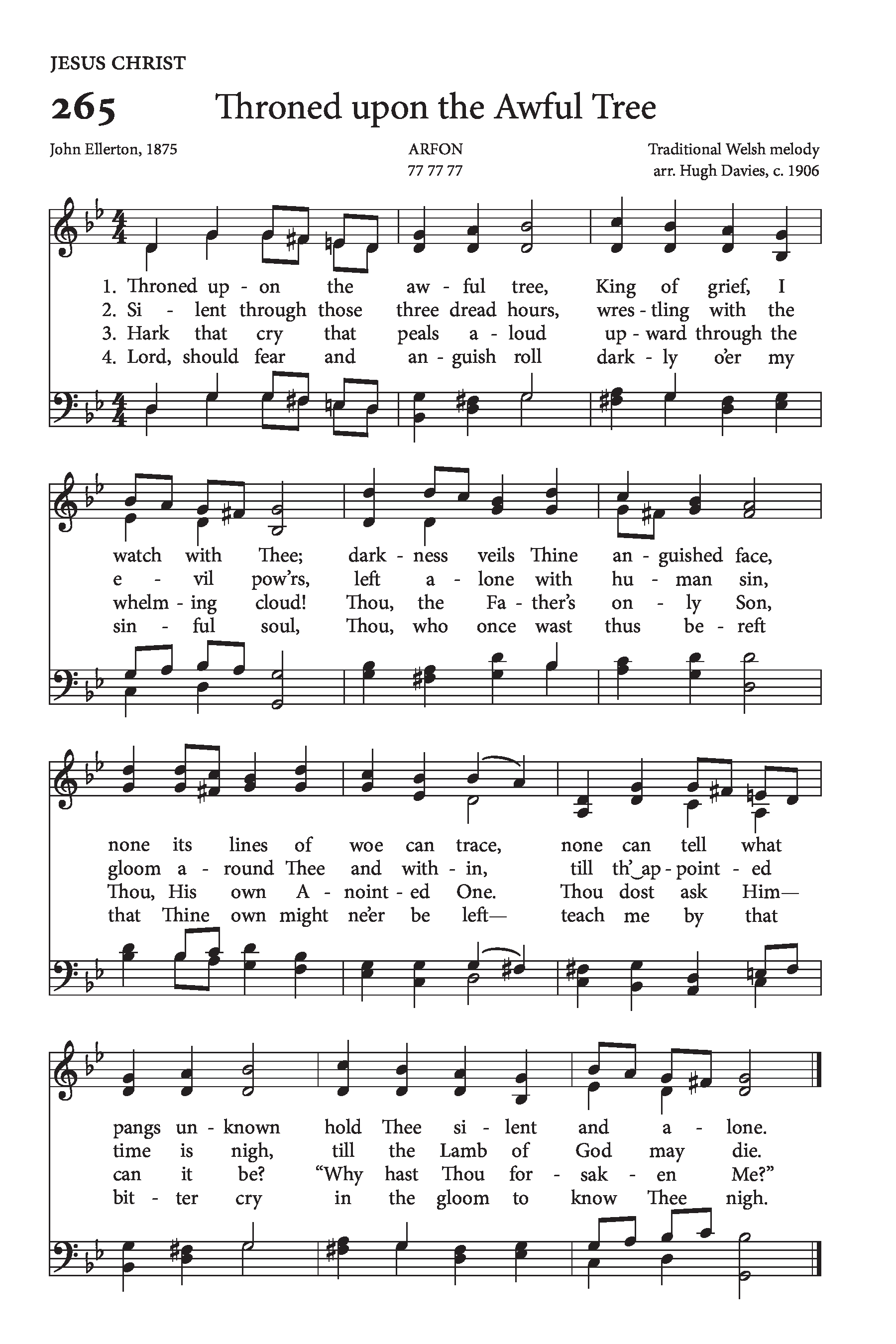
Hymns in the library connected to this dictionary topic.

Related Hymn Sheets
3 shown at a time — use the arrows to browse all 4 sheets.
Related Authors
Writers connected to this dictionary topic.
Keywords
Related terms for this dictionary entry.
Recent Dictionary Entries
Newly added terms from the Dictionary of Hymnology.
If you notice any mistake or have suggestions, please contact us on our contact page.