


Should Christians Celebrate Halloween?
4 days, 1 hour ago
Open My Eyes, That I May See
By Clara H. Scott (1895)
Lyrics
1. Open my eyes, that I may see
glimpses of truth Thou hast for me;
place in my hands the wonderful key,
that shall unclasp and set me free.
Silently now I wait for Thee,
ready, my God, Thy will to see;
open my eyes, illumine me,
Spirit divine!
glimpses of truth Thou hast for me;
place in my hands the wonderful key,
that shall unclasp and set me free.
Silently now I wait for Thee,
ready, my God, Thy will to see;
open my eyes, illumine me,
Spirit divine!
2. Open my ears, that I may hear
voices of truth Thou sendest clear;
and while the wave-notes fall on my ear,
ev’rything false will disappear.
Silently now I wait for Thee,
ready, my God, Thy will to see;
open my ears, illumine me,
Spirit divine!
voices of truth Thou sendest clear;
and while the wave-notes fall on my ear,
ev’rything false will disappear.
Silently now I wait for Thee,
ready, my God, Thy will to see;
open my ears, illumine me,
Spirit divine!
3. Open my mouth, and let me bear
gladly the warm truth ev’rywhere;
Open my heart, and let me prepare
love with Thy children thus to share.
Silently now I wait for Thee,
ready, my God, Thy will to see;
open my mouth, illumine me,
Spirit divine!
gladly the warm truth ev’rywhere;
Open my heart, and let me prepare
love with Thy children thus to share.
Silently now I wait for Thee,
ready, my God, Thy will to see;
open my mouth, illumine me,
Spirit divine!
Bible Reference
Psalm 119:18
Lectionary & readings
Open today’s (or any date’s) assigned scriptures and find related hymns across church calendars. Useful when planning worship around this song’s themes or its Bible reference.
Hymn scripture: Psalm 119:18
About This Hymn
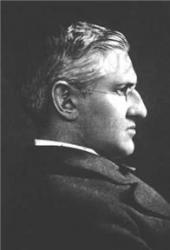
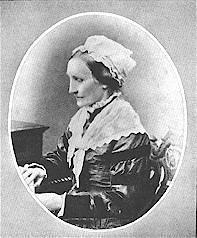
"Open My Eyes, That I May See" is a heartfelt prayer in song, written by Clara H. Scott in 1895. Inspired by Psalm 119:18, this hymn is a cry for divine illumination and spiritual discernment. Clara Scott, known for being the first woman in the United States to publish a volume of anthems for choirs, penned both the words and music of this hymn. It was published just shortly before her untimely death in a tragic carriage accident that same year, making it one of her final and most enduring contributions to Christian worship.
The hymn is structured as a three-verse personal plea to God, where the worshipper asks for opened eyes, ears, and heart — symbolizing a deeper understanding of spiritual truth. In the first verse, the singer longs to see the “wondrous things” from God’s law, echoing David’s words in Psalm 119. This is not merely a request for intellectual knowledge, but for a vision of divine truth that transforms the soul. The reference to a “scroll” alludes to Scripture, suggesting the singer desires to read and grasp its deeper, Spirit-given meaning.
The second verse focuses on hearing — “Open my ears, that I may hear / Voices of truth Thou sendest clear.” Here the heart desires to hear God's voice through His Word and through the Spirit’s prompting. The line “everything false will disappear” reflects a deep spiritual sensitivity, recognizing the noise of the world and the need for heavenly clarity. It affirms that divine truth silences earthly deception when truly heard by a spiritually attuned soul.
In the third verse, the petition shifts to the heart: “Open my mouth and let me bear / Gladly the warm truth everywhere.” This is a request for not only understanding but also for the courage and grace to proclaim God’s truth with love. The heart wants not just to receive but to share, and not just to know, but to walk in obedience. The repeated invitation, “Silently now I wait for Thee / Ready, my God, Thy will to see,” concludes each stanza with a posture of surrender and reverence.
Musically, the hymn is tender and meditative, matching the prayerful tone of the text. Clara Scott’s melody invites quiet contemplation, making it a fitting choice for moments of devotion, personal prayer, and Scripture reading. Its lasting appeal lies in its simplicity and depth — an inward turning to God that still resonates with believers today.
Though penned over a century ago, “Open My Eyes, That I May See” continues to be sung in churches, devotionals, and prayer meetings around the world. It expresses the timeless yearning of the human soul for divine guidance, insight, and communion. The hymn is not just about physical senses, but spiritual openness: eyes to see God's truth, ears to hear His voice, and a heart to obey. In a noisy and distracted world, its message is more vital than ever.
From the Dictionary of Hymnology
Related terms and concepts automatically matched to this hymn.
Angels, roll the rock away Hymn
A Resurrection and Ascension hymn first printed in Ash and Evans’s Bristol Baptist Collection, 1769. Its authorship became confused through Scott’s 1773 revision and Gibbons’s later versions.
Read moreStaff Visualizer
Open in MIDI StudioPowered by HTML MIDI PLAYER, MIDI FILE Made by Hymnal Library. · Study chords & lyrics in MIDI Studio

Want weekly hymns and devotionals?
⭐ Recommend This Hymn
Share this beautiful hymn with others
This hymn also appears in these hymnals
Click a spine to pull out the hymnal, then open it.
More hymn subjects
Latest Updated Hymnals
-
Open
 Book of Common Praise (BoCP1915)Updated 3 days, 15 hours ago · 1915
-
Open
 The New Apostolic Church HymnalUpdated 1 week, 2 days ago · 2008
-
Open
 400+ Christmas Carols Book: Sheet Music for PianoUpdated 1 week, 3 days ago · 2014
-
Open
 The Temple HymnalUpdated 1 week, 3 days ago · 1918
-
Open
 The Popular HymnalUpdated 1 week, 3 days ago · 1918
Hymn Information

Click a linked name to open their biography.
MIDI File
Popular Hymns
Recent Blog Posts

Popular Blog Posts
-
 Lessons from the Book of Haggai: Putting God…5 months ago
-
 Easter vs Passover: How a Biblical Feast Bec…7 months ago
-
 The Full Story of the Birth of Jesus Christ:…10 months, 3 weeks ago
-
 The 30 Most Famous Christmas Hymns and Carols1 year, 2 months ago
-
 The Story Behind the Hymn “Amazing Grace”10 months, 3 weeks ago
Visit Us on Social Media
Latest from X (Twitter)
Tweets by HymnalLibraryLatest from Facebook
Latest on YouTube
Loading latest video...
Daily Bible Verse
Disclaimer
The hymns, sheet music, MIDI files, and related content on this website are provided for educational and research purposes only.
- Public Domain: Many of the hymns featured here are in the public domain and may be freely used.
- Copyrighted Works: Some hymns may still be under copyright protection. Where applicable, permission has either been requested from the copyright owner, or the content is shared under the principles of fair use for educational purposes.
⚠️ Important Notice: If you wish to reproduce, distribute, or use any copyrighted hymn beyond personal study or educational use, you must obtain permission directly from the copyright holder. This website does not grant any rights for commercial use yet.
If there is any other question please address it to us in our Contact Page, for further assistance. Thank you for using the site. May God Bless You.
Recently Added · Dictionary of Hymnology
Browse dictionary →
Can’t find a hymn or lyric?
Leave your question in the forum for others to answer — requests, missing lines, writers, and worship ideas welcome.