



What Is the Difference Between Psalms, Hymns…
9 hours ago
God Moves in a Mysterious Way
By William Cowper (1774)
Lyrics
1. God moves in a mysterious way,
His wonders to perform.
He plants his footsteps in the sea
And rides upon the storm.
Deep in the dark and hidden mines,
With never-failing skill,
He fashions all his bright designs
And works his sov'reign will.
His wonders to perform.
He plants his footsteps in the sea
And rides upon the storm.
Deep in the dark and hidden mines,
With never-failing skill,
He fashions all his bright designs
And works his sov'reign will.
Refrain:
So God we trust in you.
O God, we trust in you.
When tears are great and comforts few,
We hope in mercies ever new,
We trust in you.
So God we trust in you.
O God, we trust in you.
When tears are great and comforts few,
We hope in mercies ever new,
We trust in you.
2. Oh, fearful saints, new courage take:
The clouds that you now dread
Are big with mercy and will break
In blessings on your head.
Judge not the Lord by feeble sense,
But trust him for his grace.
Behind a frowning providence,
He hides a smiling face.
The clouds that you now dread
Are big with mercy and will break
In blessings on your head.
Judge not the Lord by feeble sense,
But trust him for his grace.
Behind a frowning providence,
He hides a smiling face.
3. God's purposes will ripen fast,
Unfolding every hour.
The bud may have a bitter taste,
But sweet will be the flower.
Blind unbelief is sure to err
And scan his work in vain.
God is his own interpreter,
And he will make it plain.
Unfolding every hour.
The bud may have a bitter taste,
But sweet will be the flower.
Blind unbelief is sure to err
And scan his work in vain.
God is his own interpreter,
And he will make it plain.
Bible Reference
Psalm 77:19
Lectionary & readings
Open today’s (or any date’s) assigned scriptures and find related hymns across church calendars. Useful when planning worship around this song’s themes or its Bible reference.
Hymn scripture: Psalm 77:19
About This Hymn
Words: William Cowper (1731–1800)
Tune: Various (commonly Dundee or London New)
Year: 1774 (text)
God Moves in a Mysterious Way is a deeply reflective hymn written by William Cowper, one of the most sensitive and spiritually insightful poets of the 18th century. Born in England in 1731, Cowper (pronounced "Cooper") struggled for much of his life with severe depression and mental illness. Yet through his friendship with fellow hymn writer John Newton (author of Amazing Grace), Cowper found comfort in the gospel and helped shape the English evangelical hymn tradition.
This hymn was written in 1773, during one of Cowper’s darkest periods, reportedly just before he experienced a serious breakdown. Despite his anguish, the text expresses unwavering trust in God’s providence and sovereignty. The line “God moves in a mysterious way, His wonders to perform” has become a well-known expression of quiet faith in the face of confusion or trial.
First published in 1774 in Olney Hymns, a collection Cowper co-authored with Newton, the hymn reflects themes of divine wisdom, hidden mercy, and hope beyond human understanding. It continues to encourage believers that, even when God’s ways seem incomprehensible, His purposes are always wise and loving.
From the Dictionary of Hymnology
Related terms and concepts automatically matched to this hymn.
God moves in a mysterious way Hymn
Cowper’s “Light shining out of Darkness,” published 1774 in Omicron’s Letters and widely known thereafter. Popular suicide-origin stories do not match the memoir chronology Julian reviews.
Read moreFor mercies countless as the sands Hymn
John Newton’s Olney Hymns (1779) piece on Psalm cxvi. 12–13; widely used in Britain and America. Sometimes wrongly ascribed to Cowper; unsigned Olney hymns are Newton’s.
Read moreFar from the world, O Lord, I flee Hymn
Cowper’s “Retirement” hymn, linked by Julian to his Huntingdon arrival in June 1765; printed in Olney Hymns (1779), Book iii., No. 45. Personal, beautiful, and widely used.
Read moreStaff Visualizer
Open in MIDI StudioPowered by HTML MIDI PLAYER, MIDI FILE Made by Hymnal Library. · Study chords & lyrics in MIDI Studio

Want weekly hymns and devotionals?
⭐ Recommend This Hymn
Share this beautiful hymn with others
This hymn also appears in these hymnals
Click a spine to pull out the hymnal, then open it.
Hymns with the same subject
More hymns about Courage, Providence
- What A Day That Will Be - Jim Hill
- His Eye Is on the Sparrow - Civilla D. Martin
- Fill My Cup, Lord - Richard Blanchard
- 'Til the Storm Passes By - Mosie Lister
- It Is No Secret What God Can Do - Stuart Hamblen
- All Glory be to Christ - Dustin Kensrue
- Onward Christian Soldiers - S. Baring-Gould
- God Rest Ye Merry, Gentlemen - Anonymous
More hymn subjects
Explore other themes across the library.
Hymns about God the Father
Hymns about Battle
Hymns about Comfort
Hymns about Redemption
Hymns about Marriage
Hymns about New Birth
Hymns about Judgment
Hymns about Trinity
Browse all subjects →
Latest Updated Hymnals
-
Open
 Book of Common Praise (BoCP1915)Updated 8 hours ago · 1915
-
Open
 The New Apostolic Church HymnalUpdated 1 week, 5 days ago · 2008
-
Open
 400+ Christmas Carols Book: Sheet Music for PianoUpdated 1 week, 6 days ago · 2014
-
Open
 The Temple HymnalUpdated 1 week, 6 days ago · 1918
-
Open
 The Popular HymnalUpdated 1 week, 6 days ago · 1918
Hymn Information
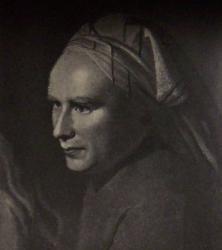
Click a linked name to open their biography.
MIDI File
Popular Hymns
Recent Blog Posts



Popular Blog Posts
-
 Lessons from the Book of Haggai: Putting God…5 months, 1 week ago
-
 Easter vs Passover: How a Biblical Feast Bec…7 months ago
-
 The Full Story of the Birth of Jesus Christ:…10 months, 4 weeks ago
-
 The 30 Most Famous Christmas Hymns and Carols1 year, 2 months ago
-
 The Story Behind the Hymn “Amazing Grace”10 months, 3 weeks ago
Visit Us on Social Media
Latest from X (Twitter)
Tweets by HymnalLibraryLatest from Facebook
Latest on YouTube
Loading latest video...
Daily Bible Verse
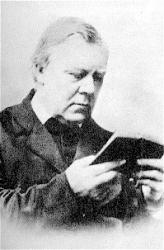
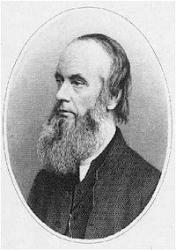
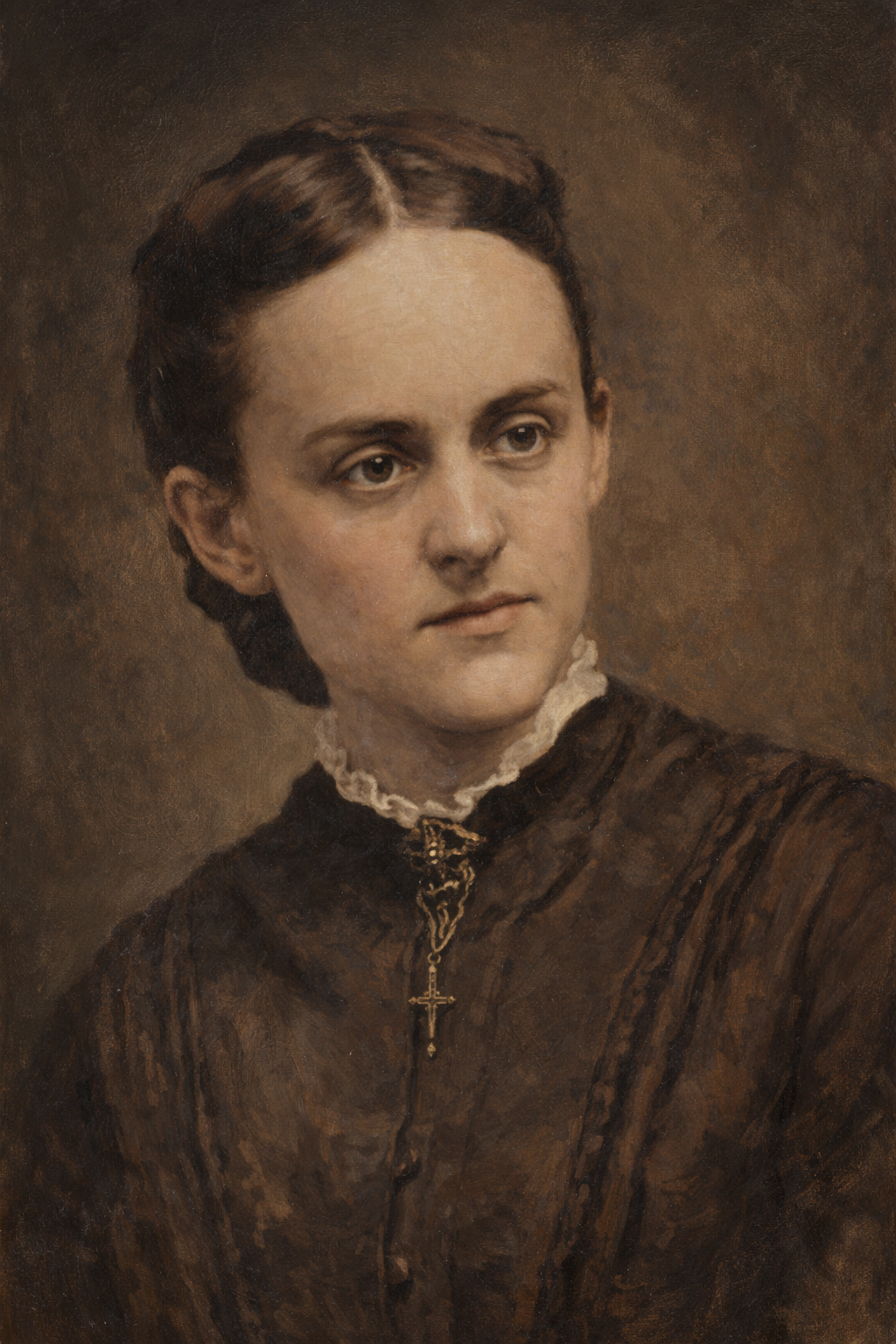
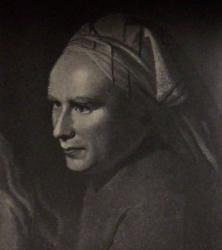 William Cowper (1731–1800) was an English poet and hymn writer whose work has had lasting influence in both Christian worship and English literature. Born in Berkhamsted, Hertfordshire, England, Cowper was the son of an Anglican clergyman who served as chaplain to King George II and grew up with strong religious influences. He was educated at Westminster School and later studied law, but he never practiced due to recurring struggles with depression and anxiety that affected much of his adult life. These struggles led to periods of deep spiritual questioning and emotional turmoil, which in turn shaped the tone of many of his hymns and poems.
Disclaimer
The hymns, sheet music, MIDI files, and related content on this website are provided for educational and research purposes only.
- Public Domain: Many of the hymns featured here are in the public domain and may be freely used.
- Copyrighted Works: Some hymns may still be under copyright protection. Where applicable, permission has either been requested from the copyright owner, or the content is shared under the principles of fair use for educational purposes.
⚠️ Important Notice: If you wish to reproduce, distribute, or use any copyrighted hymn beyond personal study or educational use, you must obtain permission directly from the copyright holder. This website does not grant any rights for commercial use yet.
If there is any other question please address it to us in our Contact Page, for further assistance. Thank you for using the site. May God Bless You.
Recently Added · Dictionary of Hymnology
Browse dictionary →
Can’t find a hymn or lyric?
Leave your question in the forum for others to answer — requests, missing lines, writers, and worship ideas welcome.