

What Is the Difference Between Psalms, Hymns…
8 hours ago
Day of Judgment, Day of Wonders!
By John Newton (1774)
Lyrics
1. Day of judgment! Day of wonders!
Hark! the trumpet's awful sound,
louder than a thousand thunders,
shakes the vast creation round.
How the summons
will the sinner's heart confound!
Hark! the trumpet's awful sound,
louder than a thousand thunders,
shakes the vast creation round.
How the summons
will the sinner's heart confound!
2. See the Judge, our nature wearing,
clothed in majesty divine;
you who long for his appearing
then shall say, "This God is mine!"
Gracious Savior,
own me in that day as thine.
clothed in majesty divine;
you who long for his appearing
then shall say, "This God is mine!"
Gracious Savior,
own me in that day as thine.
3. At his call the dead awaken,
rise to life from earth and sea;
all the pow'rs of nature, shaken
by his looks, prepare to flee.
Careless sinner,
what will then become of thee?
rise to life from earth and sea;
all the pow'rs of nature, shaken
by his looks, prepare to flee.
Careless sinner,
what will then become of thee?
4. But to those who have confessed,
loved and served the Lord below,
he will say, "Come near, ye blessed,
see the kingdom I bestow;
you forever
shall my love and glory know."
loved and served the Lord below,
he will say, "Come near, ye blessed,
see the kingdom I bestow;
you forever
shall my love and glory know."
Bible Reference
Revelation 6:16-17; Revelation 20:11-15; Matthew 25:31-46; 2 Corinthians 5:10; Hebrews 9:27
Lectionary & readings
Open today’s (or any date’s) assigned scriptures and find related hymns across church calendars. Useful when planning worship around this song’s themes or its Bible reference.
Hymn scripture: Revelation 6:16-17; Revelation 20:11-15; Matthew 25:31-46; 2 Corinthians 5:10; Hebrews 9:27
About This Hymn
“Day of Judgment, Day of Wonders!” is a solemn and searching hymn written by John Newton, the former slave trader turned pastor who is best known for “Amazing Grace.” Unlike many hymns that focus primarily on comfort or assurance, this hymn confronts the listener with the unavoidable reality of the final judgment. Newton wrote it with evangelistic seriousness, aiming to awaken conscience, humble pride, and direct sinners and saints alike to Christ as the only refuge on that great day.
The hymn draws heavily from vivid biblical language surrounding the return of Christ and the judgment seat of God. Scripture consistently teaches that a day is appointed when every person will give account before the Lord. The book of Hebrews declares that it is appointed unto men once to die, but after this the judgment. Newton echoes this certainty by presenting the Day of Judgment not as an abstract doctrine, but as a coming event filled with awe, terror, and divine glory. The “wonders” of the day include both the righteous vindication of God and the exposure of every hidden work.
One of the striking features of the hymn is its balanced theology. Newton does not write as one standing above others, but as a sinner saved by grace who understands the weight of eternity. He reminds believers that even the redeemed will stand before Christ, not for condemnation, but for evaluation. This aligns with Paul’s teaching that we must all appear before the judgment seat of Christ, that every one may receive according to what he hath done. The hymn therefore calls Christians to sober self examination, holy living, and reverent fear of God.
At the same time, the hymn holds out strong gospel hope. Newton contrasts the terror of judgment for the unbelieving world with the safety of those who are found in Christ. The believer’s confidence does not rest in personal righteousness, but in the finished work of the Savior. This reflects Newton’s lifelong emphasis on justification by faith alone and the sufficiency of Christ’s atonement. On that final day, Christ Himself is both Judge and Redeemer, a truth that magnifies both His authority and His mercy.
“Day of Judgment, Day of Wonders!” functions as both a warning and an invitation. It urges sinners to flee from the wrath to come and calls believers to live with eternity in view. In an age that often avoids the subject of judgment, this hymn remains a faithful biblical reminder that history is moving toward a final reckoning, and that blessed are all they that put their trust in Him.
From the Dictionary of Hymnology
Related terms and concepts automatically matched to this hymn.
Day of Judgment, day of wonders Hymn
John Newton Advent hymn written in 1774 and first published in the Olney Hymns (1779), Book II, No. 77, headed “The Day of Judgment,” in seven stanzas of five lines.
Read moreGod moves in a mysterious way Hymn
Cowper’s “Light shining out of Darkness,” published 1774 in Omicron’s Letters and widely known thereafter. Popular suicide-origin stories do not match the memoir chronology Julian reviews.
Read moreHow sweet the name of Jesus sounds Hymn
John Newton’s Olney Hymns (1779) classic on the Name of Jesus; widely used, often omitting stanza iv.; many substitutes for “Husband” in stanza v.; Latin versions by Bingham and Macgill.
Read moreStaff Visualizer
Open in MIDI StudioPowered by HTML MIDI PLAYER, MIDI FILE Made by Hymnal Library. · Study chords & lyrics in MIDI Studio

Want weekly hymns and devotionals?
⭐ Recommend This Hymn
Share this beautiful hymn with others
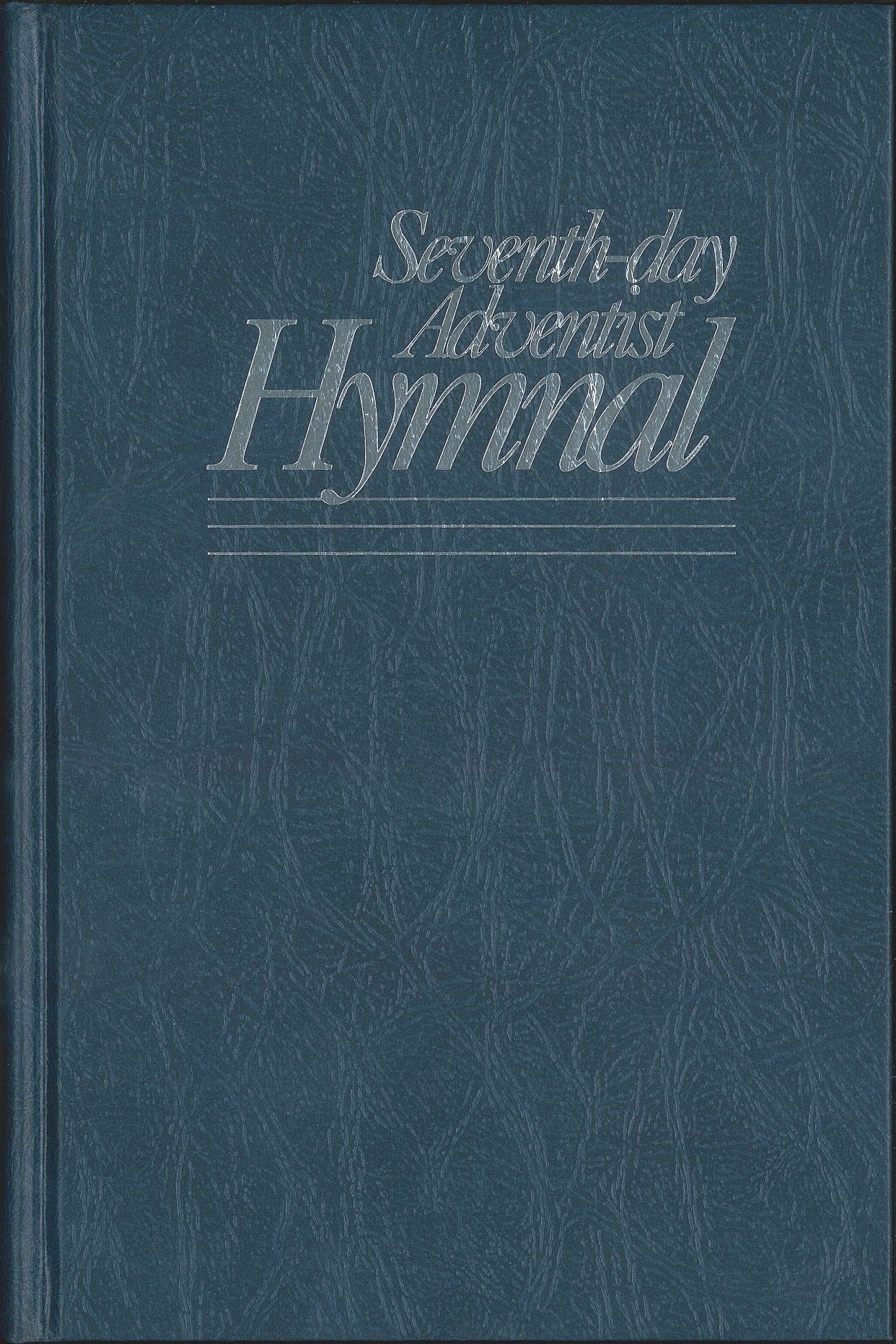
This hymn also appears in these hymnals
Click a spine to pull out the hymnal, then open it.
Hymns with the same subject
More hymns about Adoration, Creation, Jesus Christ, Judgment, Majesty of God
- All Hail To Thee, Immanuel - D. R. Van Sickle
- How Great Thou Art - Carl Boberg
- O Come, O Come, Emmanuel - J. M. Neale
- Blessed Be The Name Of The Lord - William H. Clark
- Praise Him! Praise Him! (Jesus, our blessed Redeemer!) - Fanny Crosby
- Angels from the Realms of Glory - James Montgomery
- Fairest Lord Jesus - Friedrich von Spee
- Beautiful Savior - Joseph Augustus Seiss
More hymn subjects
Explore other themes across the library.
Hymns about Faithfulness of God
Hymns about Assurance
Hymns about Nation
Hymns about Holiness of God
Hymns about Healing
Hymns about Guidance
Hymns about Lent
Hymns about Providence
Browse all subjects →
Latest Updated Hymnals
-
Open
 Book of Common Praise (BoCP1915)Updated 7 hours ago · 1915
-
Open
 The New Apostolic Church HymnalUpdated 1 week, 5 days ago · 2008
-
Open
 400+ Christmas Carols Book: Sheet Music for PianoUpdated 1 week, 6 days ago · 2014
-
Open
 The Temple HymnalUpdated 1 week, 6 days ago · 1918
-
Open
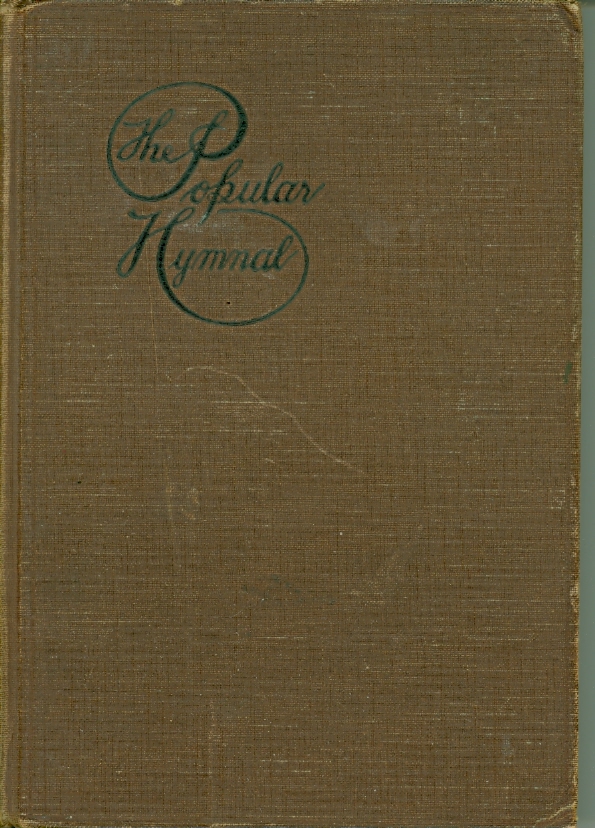 The Popular HymnalUpdated 1 week, 6 days ago · 1918
Hymn Information
Click a linked name to open their biography.
MIDI File
Popular Hymns
Recent Blog Posts



Popular Blog Posts
-
 Lessons from the Book of Haggai: Putting God…5 months, 1 week ago
-
 Easter vs Passover: How a Biblical Feast Bec…7 months ago
-
 The Full Story of the Birth of Jesus Christ:…10 months, 4 weeks ago
-
 The 30 Most Famous Christmas Hymns and Carols1 year, 2 months ago
-
 The Story Behind the Hymn “Amazing Grace”10 months, 3 weeks ago
Visit Us on Social Media
Latest from X (Twitter)
Tweets by HymnalLibraryLatest from Facebook
Latest on YouTube
Loading latest video...
Daily Bible Verse
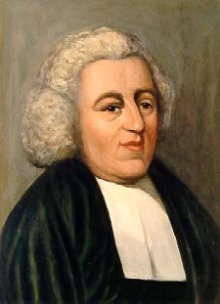
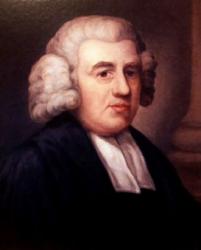 John Newton (1725–1807) was an English Anglican cleric, hymn writer, and prominent figure in the evangelical movement whose life story of conversion and service has inspired Christians for centuries. He was born in Wapping, London, England, on July 24, 1725, into a Christian home, but his mother died when he was young, and he went to sea with his father at age eleven. As a youth and young man he lived a reckless life at sea, was pressed into service in the Royal Navy, and later worked aboard slave ships in the trans-Atlantic slave trade, even becoming a ship’s captain for years. A severe storm at sea in 1748 led him to cry out to God and marked the beginning of his spiritual turning toward Christ, a change that grew more fully over subsequent years.
Disclaimer
The hymns, sheet music, MIDI files, and related content on this website are provided for educational and research purposes only.
- Public Domain: Many of the hymns featured here are in the public domain and may be freely used.
- Copyrighted Works: Some hymns may still be under copyright protection. Where applicable, permission has either been requested from the copyright owner, or the content is shared under the principles of fair use for educational purposes.
⚠️ Important Notice: If you wish to reproduce, distribute, or use any copyrighted hymn beyond personal study or educational use, you must obtain permission directly from the copyright holder. This website does not grant any rights for commercial use yet.
If there is any other question please address it to us in our Contact Page, for further assistance. Thank you for using the site. May God Bless You.
Recently Added · Dictionary of Hymnology
Browse dictionary →
Can’t find a hymn or lyric?
Leave your question in the forum for others to answer — requests, missing lines, writers, and worship ideas welcome.