
What Is Godliness?
1 day, 6 hours ago
Let Us Love and Sing and Wonder
By John Newton
Lyrics
1. Let us love and sing and wonder,
let us praise the Savior's name!
He has hushed the law's loud thunder,
he has quenched Mount Sinai's flame:
he has washed us with his blood,
he has brought us nigh to God.
let us praise the Savior's name!
He has hushed the law's loud thunder,
he has quenched Mount Sinai's flame:
he has washed us with his blood,
he has brought us nigh to God.
2. Let us love the Lord who bought us,
pitied us when enemies,
called us by his grace and taught us,
gave us ears and gave us eyes:
he has washed us with his blood,
he presents our souls to God.
pitied us when enemies,
called us by his grace and taught us,
gave us ears and gave us eyes:
he has washed us with his blood,
he presents our souls to God.
3. Let us sing, though fierce temptation
threaten hard to bear us down!
For the Lord, our strong salvation,
holds in view the conqu'ror's crown:
he who washed us with his blood
soon will bring us home to God.
threaten hard to bear us down!
For the Lord, our strong salvation,
holds in view the conqu'ror's crown:
he who washed us with his blood
soon will bring us home to God.
4. Let us wonder; grace and justice
join and point to mercy's store;
when thro' grace in Christ our trust is,
justice smiles and asks no more:
he who washed us with his blood
has secured our way to God.
join and point to mercy's store;
when thro' grace in Christ our trust is,
justice smiles and asks no more:
he who washed us with his blood
has secured our way to God.
5. Let us praise, and join the chorus
of the saints enthroned on high;
here they trusted him before us,
now their praises fill the sky:
"You have washed us with your blood;
you are worthy, Lamb of God!"
of the saints enthroned on high;
here they trusted him before us,
now their praises fill the sky:
"You have washed us with your blood;
you are worthy, Lamb of God!"
Bible Reference
Romans 5:6-11; Galatians 2:20; Revelation 5:9-13
About This Hymn
Let Us Love and Sing and Wonder is a rich gospel hymn written by John Newton and first published in Olney Hymns in 1779. It stands as one of Newton’s clearest and most joyful expressions of salvation by grace alone, centered firmly on the finished work of Christ. The hymn invites believers to respond to the gospel not with fear or uncertainty, but with love, praise, and holy amazement at what God has accomplished through His Son.
The opening lines call the church to reflect on the love of God displayed at the cross, where Jesus willingly bore the curse of sin in the place of sinners. Newton emphasizes substitutionary atonement with great clarity, echoing Romans 5 by showing that Christ died for the ungodly and reconciled them to God by His blood. The believer’s response is not self-effort or religious striving, but grateful worship flowing from assurance.
A central theme of the hymn is justification by faith. Newton contrasts the law, which condemns and exposes sin, with the gospel, which proclaims full pardon and acceptance in Christ. The line “When through grace in Christ our trust is, justice smiles and asks no more” beautifully summarizes the biblical doctrine that God’s justice is fully satisfied by Christ’s sacrifice. This reflects Galatians 2:20, where the believer’s life is now defined by faith in the Son of God who loved and gave Himself for us.
The hymn also looks forward to the believer’s eternal hope. Newton points to Christ’s intercession and reign, reminding the church that the Savior who died now lives and rules in glory. This forward-looking confidence aligns with Revelation 5, where the redeemed sing to the Lamb who was slain and now reigns forever.
Let Us Love and Sing and Wonder has endured because it unites deep theology with warm devotion. It teaches believers to rest in Christ’s finished work, rejoice in free grace, and worship with assurance rather than fear. The hymn remains especially valuable in teaching new believers the gospel clearly, while also refreshing mature Christians with the unchanging wonder of salvation accomplished by Christ alone.
From the Dictionary of Hymnology
Related terms and concepts automatically matched to this hymn.
A glance from heaven, with sweet effect Hymn
John Newton's 1775 nature hymn reflecting on lightning in the night, published in the Olney Hymns and included in several notable nineteenth-century collections.
Read moreAgain our earthly cares we leave History
Hymnological record of the nineteenth-century worship hymn "Again our earthly cares we leave," arranged by Thomas Cotterill from John Newton's original text.
Read moreAlas! by nature how depraved History
John Newton's 1779 Lenten hymn exploring human depravity and divine adoption based on Jeremiah 3:19, originally published in the Olney Hymns.
Read more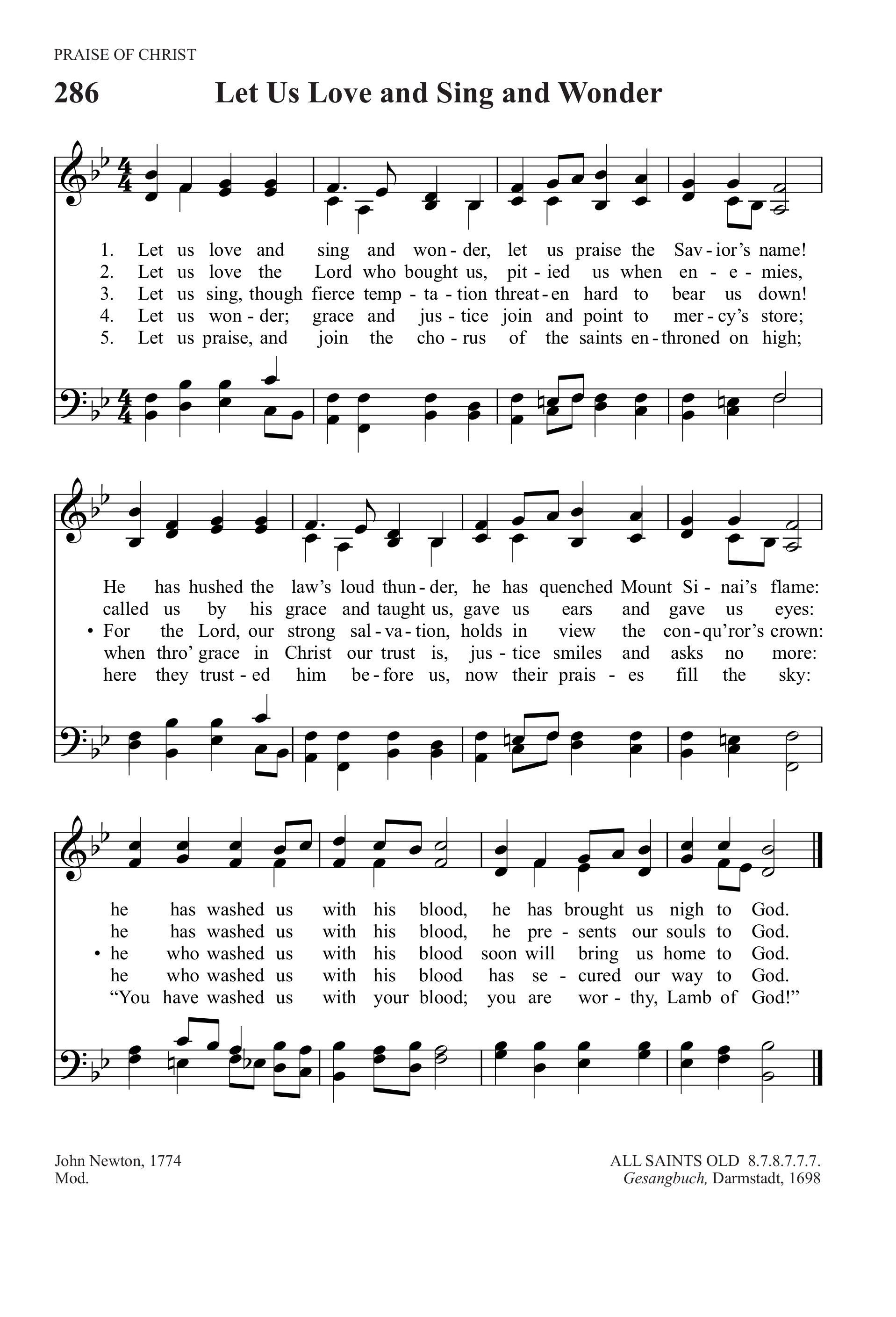

📬 Subscribe to Our Devotional Updates
Receive weekly hymns, devotionals, and website features directly in your inbox.
✅ Thank you! You'll start receiving our updates soon.
⭐ Recommend This Hymn
Share this beautiful hymn with others
This hymn is found in these hymnals
Open the hymnal that contains this hymn:
Hymns with the same subject
More hymns about Jesus Christ, Salvation
- Because He Lives — Bill & Gloria Gaither
- Blessed Assurance — Fanny Crosby
- Heaven Came Down and Glory Filled my Soul — John W. Peterson
- The Old Rugged Cross — George Bennard
- Look and Live — William A. Ogden
- In Christ alone (my hope is found) — Stuart Townend
- He Lives (I Serve a Risen Saviour) — A. H. Ackley
- Turn Your Eyes upon Jesus — Helen Howarth Lemmel
More hymn subjects
Recently Added Hymns
-
 Let All Together Praise Our GodNikolaus Herman 1560
 -
 Holy, Holy, Holy, Lord, God of hosts, Eternal KingChristopher Wordsworth 1862
 -
 Hail, Redeemer, King DivinePatrick Brennan 1856
 -
 Father, We Thank Thee, Who Hast PlantedBland Tucker 1939
 -
 Father, See Thy Children Bending at Thy ThroneWilliam B. Trevelyan 1906
Latest Updated Hymnals
-
Open
 The People's HymnalUpdated 6 days ago · 1961
 -
Open
 Book of Common Praise (BoCP1915)Updated 2 months, 1 week ago · 1915
 -
Open
 Our Great Redeemer's PraiseUpdated 4 months ago · 2022
 -
Open
 The Parish Hymnal (1873)Updated 4 months, 1 week ago · 1873
 -
Open
 Book of Common Praise (BCP1998)Updated 4 months, 3 weeks ago · 1998
Hymn Information
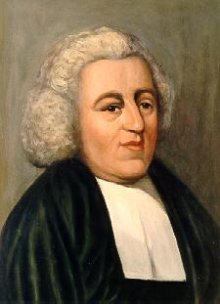
To view the author's biography, click their name above.
MIDI File
Ready to load
Download MIDI
Popular Hymns
Recent Blog Posts



Popular Blog Posts
-
 Lessons from the Book of Haggai: Putting God…3 months, 3 weeks ago
 -
 Easter vs Passover: How a Biblical Feast Bec…5 months, 3 weeks ago
 -
 The Full Story of the Birth of Jesus Christ:…9 months, 1 week ago
 -
 The 30 Most Famous Christmas Hymns and Carols1 year ago
 -
 The Story Behind the Hymn “Amazing Grace”9 months, 1 week ago
Visit Us on Social Media
Latest from X (Twitter)
Tweets by HymnalLibraryLatest from Facebook
Latest on YouTube
Loading latest video...
Daily Bible Verse
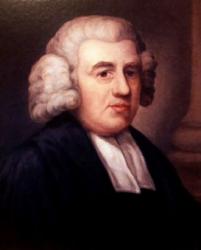 John Newton (1725–1807) was an English Anglican cleric, hymn writer, and prominent figure in the evangelical movement whose life story of conversion and service has inspired Christians for centuries. He was born in Wapping, London, England, on July 24, 1725, into a Christian home, but his mother died when he was young, and he went to sea with his father at age eleven. As a youth and young man he lived a reckless life at sea, was pressed into service in the Royal Navy, and later worked aboard slave ships in the trans-Atlantic slave trade, even becoming a ship’s captain for years. A severe storm at sea in 1748 led him to cry out to God and marked the beginning of his spiritual turning toward Christ, a change that grew more fully over subsequent years.
Disclaimer
The hymns, sheet music, MIDI files, and related content on this website are provided for educational and research purposes only.
- Public Domain: Many of the hymns featured here are in the public domain and may be freely used.
- Copyrighted Works: Some hymns may still be under copyright protection. Where applicable, permission has either been requested from the copyright owner, or the content is shared under the principles of fair use for educational purposes.
⚠️ Important Notice: If you wish to reproduce, distribute, or use any copyrighted hymn beyond personal study or educational use, you must obtain permission directly from the copyright holder. This website does not grant any rights for commercial use yet.
If there is any other question please address it to us in our Contact Page, for further assistance. Thank you for using the site. May God Bless You.
Recently Added · Dictionary of Hymnology
Browse dictionary →- Jonathan Bush Atchinson 3 days, 4 hours ago · Biography 38
- At Thy transfiguration, Lord 3 days, 4 hours ago · Hymnology 37
- At Thy Feet, our God and Father 3 days, 4 hours ago · Hymnology 43
- At Thy feet, O Christ, we lay 3 days, 4 hours ago · Hymnology 37
- At Thy command, our dearest Lord 3 days, 4 hours ago · Hymnology 35