






What Is the Difference Between Psalms, Hymns…
1 day, 18 hours ago
Ere God had built the mountains
By William Cowper (1779)
Lyrics
1. Ere God had built the mountains,
Or raised the fruitful hills,
Before He filled the fountains
That feed the running rills,
In me, from everlasting,
The wonderful I Am,
Found pleasures never wasting,
And Wisdom is my name.
Or raised the fruitful hills,
Before He filled the fountains
That feed the running rills,
In me, from everlasting,
The wonderful I Am,
Found pleasures never wasting,
And Wisdom is my name.
2. When, like a tent to dwell in,
He spread the skies abroad,
And swathed about the swelling
Of Ocean’s mighty flood,
He wro't by weight and measure,
And I was with him then,
Myself the Father’s pleasure,
And mine, the heirs of men.
He spread the skies abroad,
And swathed about the swelling
Of Ocean’s mighty flood,
He wro't by weight and measure,
And I was with him then,
Myself the Father’s pleasure,
And mine, the heirs of men.
3. Thus Wisdom’s words discover
Your glory and your grace,
The everlasting Lover
Of our unworthy race!
Your gracious eye surveyed us
Ere stars were seen above;
In wisdom you have made us,
And died for us in love.
Your glory and your grace,
The everlasting Lover
Of our unworthy race!
Your gracious eye surveyed us
Ere stars were seen above;
In wisdom you have made us,
And died for us in love.
4. And could you be delighted
With creatures such as we?
Who, when we saw you, slighted,
And nailed you to a tree?
Unfathomable wonder,
Transcendent yet obscure;
The voice that speaks in thunder,
Says, Sinner, I am yours!
With creatures such as we?
Who, when we saw you, slighted,
And nailed you to a tree?
Unfathomable wonder,
Transcendent yet obscure;
The voice that speaks in thunder,
Says, Sinner, I am yours!
Bible Reference
Proverbs 8:25-27
Lectionary & readings
Open today’s (or any date’s) assigned scriptures and find related hymns across church calendars. Useful when planning worship around this song’s themes or its Bible reference.
Hymn scripture: Proverbs 8:25-27
About This Hymn
“Ere God Had Built the Mountains” is one of the more reflective and contemplative hymns written by William Cowper, a poet deeply known for his sensitivity to the majesty and mystery of divine truth. Written in the late eighteenth century, this hymn explores the eternal wisdom and sovereignty of God as Creator and Redeemer. It is a song that invites the believer to meditate upon God’s existence before time began, His purpose in creation, and His unfailing grace toward mankind.
Cowper’s text mirrors the profound themes of Proverbs 8, where wisdom speaks as one who existed with God before the foundations of the earth were laid. Yet, Cowper goes beyond the poetic retelling of creation; he brings the eternal wisdom into direct connection with Christ Himself, the Word made flesh. In doing so, he draws the worshiper’s mind from eternity past to the personal reality of salvation in Jesus.
The opening line, “Ere God had built the mountains,” sets a tone of wonder and reverence. It acknowledges God’s timelessness and His sovereign hand in all creation. Cowper’s language is rich but humble, blending poetic beauty with theological depth. His contemplation of God’s eternal being reminds believers that all things flow from His divine will and are sustained by His power.
This hymn also reflects Cowper’s own spiritual journey. Known for his struggles with doubt and melancholy, Cowper often found comfort in the unchanging nature of God. In this hymn, his words express both awe and assurance, declaring that the same God who shaped the mountains and heavens is also the Redeemer who tenderly guides the soul. The hymn’s tone, therefore, is both cosmic and intimate: God is exalted in majesty, yet deeply near to His people.
Theologically, the hymn affirms that Christ, the wisdom of God, was present from the beginning. It draws attention to His eternal role in creation and redemption, aligning perfectly with John 1:1-3, where “the Word was with God, and the Word was God.” Through this connection, Cowper presents a complete picture of divine wisdom, showing that the plan of salvation was not an afterthought, but part of God’s eternal design.
In worship, “Ere God Had Built the Mountains” functions as a hymn of adoration and meditation. It leads believers to pause and reflect on the grandeur of God’s eternal nature and His purpose in calling humanity to Himself. The slow and reverent cadence of the text invites the soul to rest in God’s unchanging wisdom.
William Cowper’s legacy as both poet and hymn writer continues to touch hearts through works like this. His sensitivity to divine truth and his ability to express deep theological realities in simple, lyrical form make his hymns timeless. “Ere God Had Built the Mountains” stands as a quiet yet profound declaration of God’s eternal wisdom and everlasting grace, reminding every believer that before the world began, the heart of God already held the purpose of redemption and love.
From the Dictionary of Hymnology
Related terms and concepts automatically matched to this hymn.
Ere God had built the mountains Hymn
William Cowper’s hymn on Divine Wisdom, based on Proverbs viii. 22–31, published in the Olney Hymns (1779). Used in Britain and America; R. Bingham made a Latin version in 1871.
Read moreGod moves in a mysterious way Hymn
Cowper’s “Light shining out of Darkness,” published 1774 in Omicron’s Letters and widely known thereafter. Popular suicide-origin stories do not match the memoir chronology Julian reviews.
Read moreFor mercies countless as the sands Hymn
John Newton’s Olney Hymns (1779) piece on Psalm cxvi. 12–13; widely used in Britain and America. Sometimes wrongly ascribed to Cowper; unsigned Olney hymns are Newton’s.
Read moreStaff Visualizer
Open in MIDI StudioPowered by HTML MIDI PLAYER, MIDI FILE Made by Hymnal Library. · Study chords & lyrics in MIDI Studio

Want weekly hymns and devotionals?
⭐ Recommend This Hymn
Share this beautiful hymn with others
You might also like
Hymns with the same subject
More hymns about Adoration
- How Great Thou Art - Carl Boberg
- How Deep the Father's Love for Us - Stuart Townend
- As the Deer Panteth for the Waters - Martin Nystrom
- Doxology (Praise God From Whom All Blessings Flow) - Thomas Ken
- O Come, O Come, Emmanuel - J. M. Neale
- Be Thou My Vision - Mary E. Byrne
- 10,000 Reasons (Bless the Lord) - Matt Redman and Jonas Myrin
- Here I Am to Worship - Tim Hughes
More hymn subjects
Latest Updated Hymnals
-
Open
 Book of Common Praise (BoCP1915)Updated 22 hours ago · 1915
-
Open
 The New Apostolic Church HymnalUpdated 1 week, 6 days ago · 2008
-
Open
 400+ Christmas Carols Book: Sheet Music for PianoUpdated 2 weeks ago · 2014
-
Open
 The Temple HymnalUpdated 2 weeks, 1 day ago · 1918
-
Open
 The Popular HymnalUpdated 2 weeks, 1 day ago · 1918
Hymn Information

Click a linked name to open their biography.
MIDI File
Popular Hymns
Recent Blog Posts



Popular Blog Posts
-
 Lessons from the Book of Haggai: Putting God…5 months, 1 week ago
-
 Easter vs Passover: How a Biblical Feast Bec…7 months, 1 week ago
-
 The Full Story of the Birth of Jesus Christ:…10 months, 4 weeks ago
-
 The 30 Most Famous Christmas Hymns and Carols1 year, 2 months ago
-
 The Story Behind the Hymn “Amazing Grace”10 months, 3 weeks ago
Visit Us on Social Media
Latest from X (Twitter)
Tweets by HymnalLibraryLatest from Facebook
Latest on YouTube
Loading latest video...
Daily Bible Verse
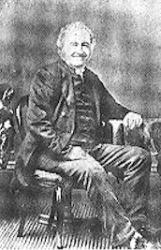
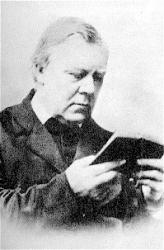
 William Cowper (1731–1800) was an English poet and hymn writer whose work has had lasting influence in both Christian worship and English literature. Born in Berkhamsted, Hertfordshire, England, Cowper was the son of an Anglican clergyman who served as chaplain to King George II and grew up with strong religious influences. He was educated at Westminster School and later studied law, but he never practiced due to recurring struggles with depression and anxiety that affected much of his adult life. These struggles led to periods of deep spiritual questioning and emotional turmoil, which in turn shaped the tone of many of his hymns and poems.
Disclaimer
The hymns, sheet music, MIDI files, and related content on this website are provided for educational and research purposes only.
- Public Domain: Many of the hymns featured here are in the public domain and may be freely used.
- Copyrighted Works: Some hymns may still be under copyright protection. Where applicable, permission has either been requested from the copyright owner, or the content is shared under the principles of fair use for educational purposes.
⚠️ Important Notice: If you wish to reproduce, distribute, or use any copyrighted hymn beyond personal study or educational use, you must obtain permission directly from the copyright holder. This website does not grant any rights for commercial use yet.
If there is any other question please address it to us in our Contact Page, for further assistance. Thank you for using the site. May God Bless You.
Recently Added · Dictionary of Hymnology
Browse dictionary →
Can’t find a hymn or lyric?
Leave your question in the forum for others to answer — requests, missing lines, writers, and worship ideas welcome.