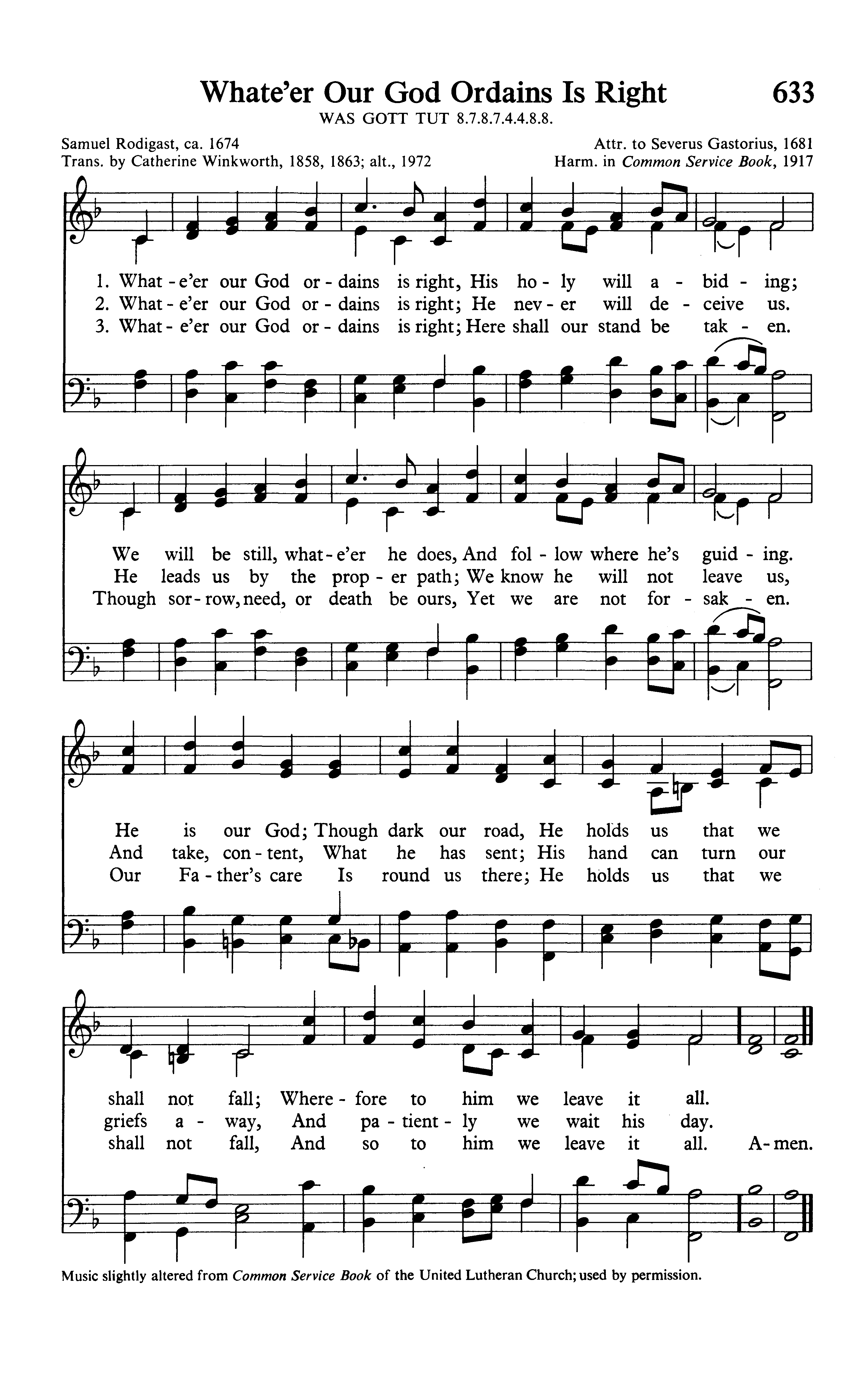
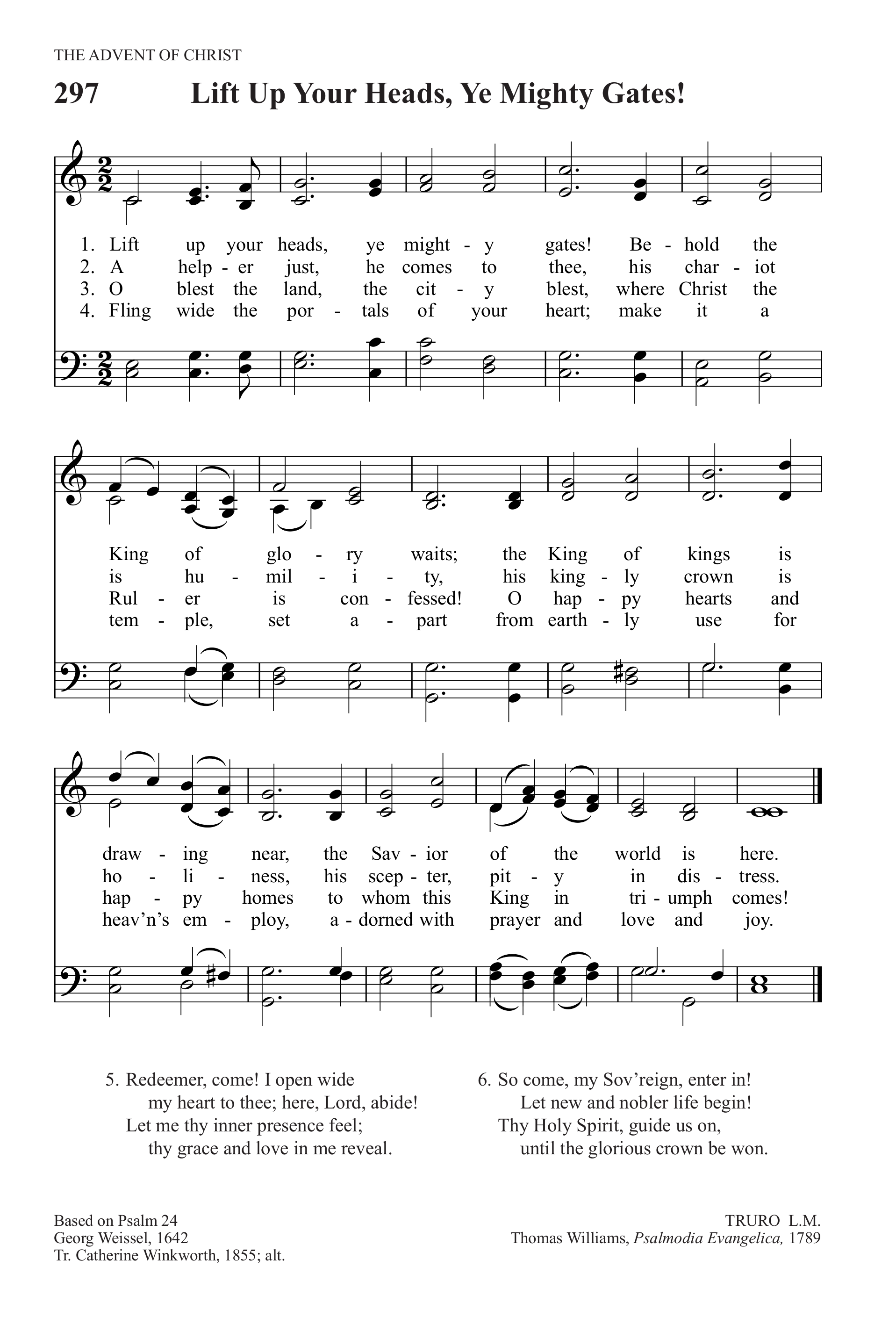
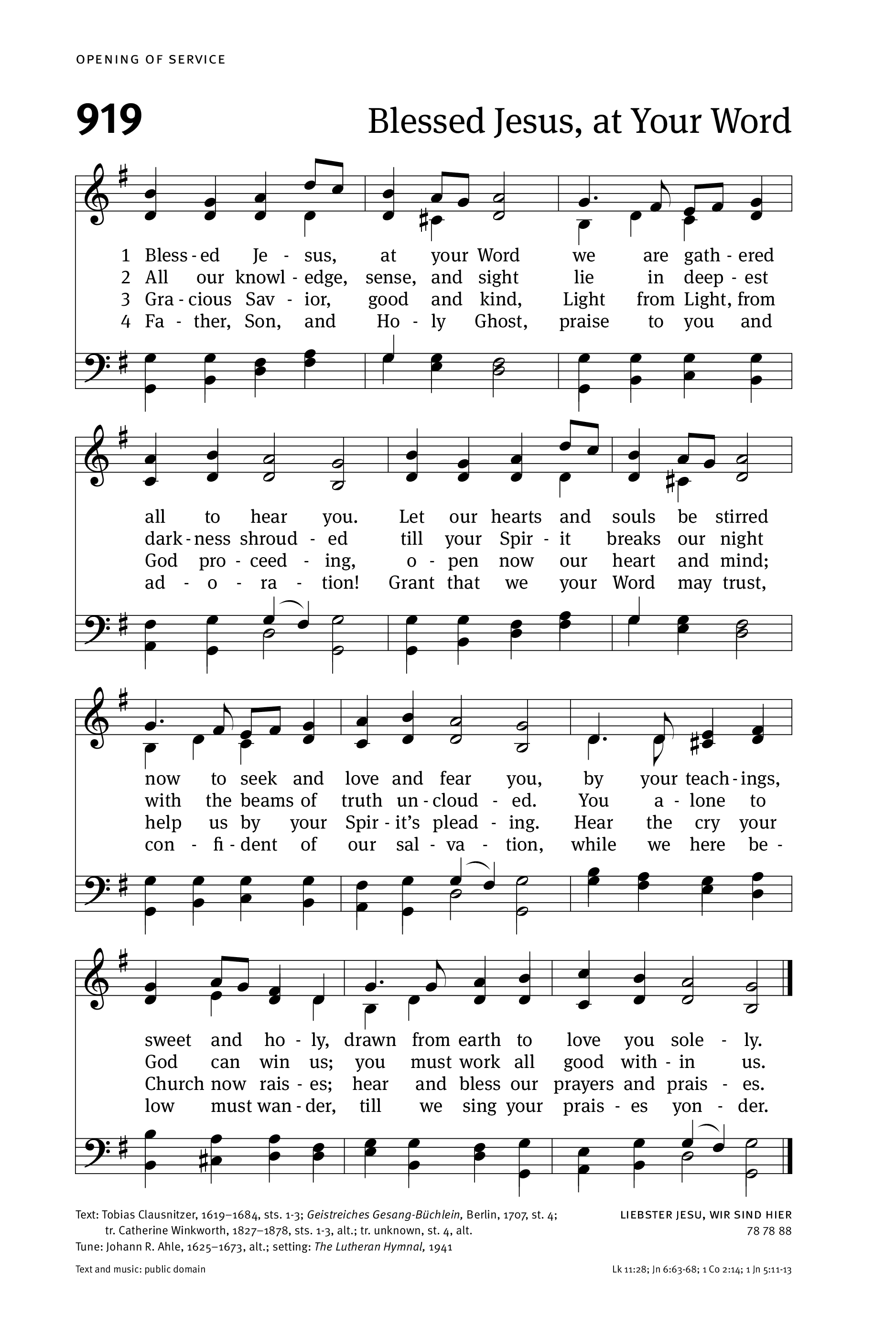
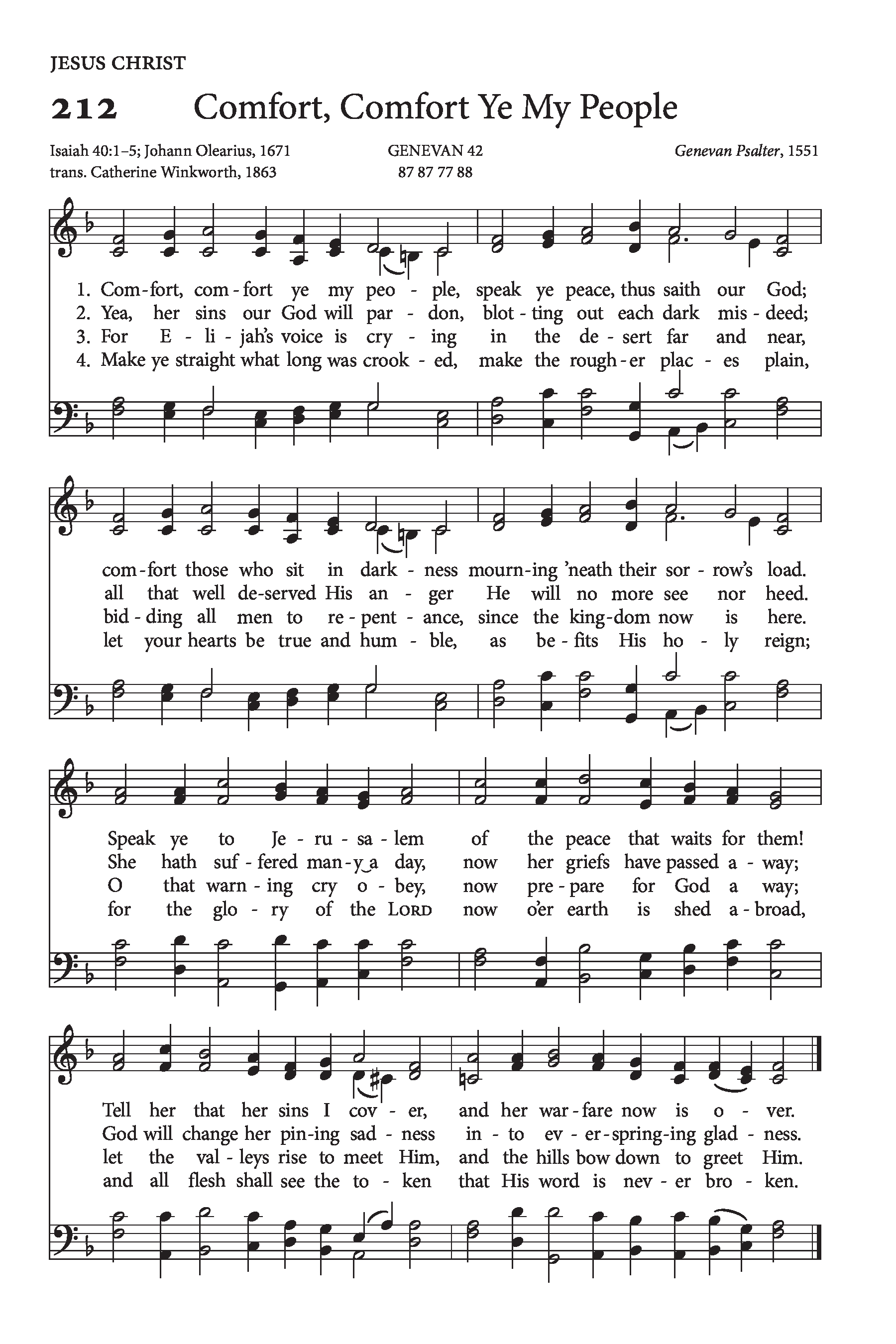
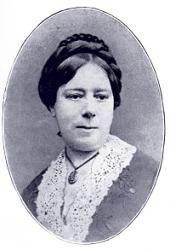
Johann Georg Albinus was a German pastor, educator, and sacred poet born in Unter-Nessa, Saxony, on March 6, 1624. The son of a Lutheran minister, Albinus faced early hardship following his father's death in 1635. He was taken in first by his cousin Lucas Pollio in Leipzig and later supported by court preacher Sebastian Mitternacht in Naumburg. Entering the University of Leipzig in 1645, Albinus spent eight years in academic study while serving as private tutor to the family of Leipzig Burgomaster Friedrich Kühlwein. In 1653, he assumed the rectorship of the Cathedral School in Naumburg, a position he relinquished four years later to become pastor of St. Othmar's Church in the same city. His pastoral ministry was marked by spiritual zeal alongside persistent physical suffering and administrative friction with ecclesiastical authorities. He died on Rogation Sunday, May 25, 1679.
Beyond his pastoral duties, Albinus earned widespread respect as a literary figure. Admitted to the prestigious Fruitbearing Society in 1654 as well as Philipp von Zesen's Patriotic Union, his poetry won praise from hymnological scholars for its scriptural fidelity, expressive power, and emotional depth. Among his numerous devotional compositions, three gained extensive fame and crossed into English worship:
-
"Alle Menschen müssen sterben" (For the Dying): Composed for the funeral of Leipzig merchant Paul von Henssberg in June 1652, this text became one of the most cherished funeral hymns in German Protestantism. It was a favorite of pietist leader Philip Jakob Spener, who sang it regularly on Sunday afternoons, and passed into general use via Johann Anastasius Freylinghausen's hymnals. Catherine Winkworth translated the text into English as "Hark! a voice saith, all are mortal," while Arthur Tozer Russell rendered it as "Death o'er all his sway maintaineth."
-
"Straf mich nicht in deinem Zorn" (Penitence / Psalm 6): Published around 1655 and set to a celebrated melody by composer Johann Rosenmüller, this penitential song became a standard text for Ash Wednesday and private confession. Notable English versions include Catherine Winkworth's "Not in anger, mighty God" and Emanuel Cronenwett's "Cast me not in wrath away."
-
"Welt, Ade! ich bin dein müde" (For the Dying): First printed on a funeral broadsheet in 1649 for the young daughter of a Leipzig archdeacon, this hymn was later included in Albinus's 1675 devotional collection Geistlicher geharnischter Kriegesheld. It achieved lasting popularity in English through Catherine Winkworth's translation, "World, farewell! Of thee I'm tired."
Related Hymns
Hymns in the library connected to this dictionary topic.
Related Hymn Sheets
3 shown at a time — use the arrows to browse all 4 sheets.
Related Authors
Writers connected to this dictionary topic.
Keywords
Related terms for this dictionary entry.
Recent Dictionary Entries
Newly added terms from the Dictionary of Hymnology.
If you notice any mistake or have suggestions, please contact us on our contact page.