
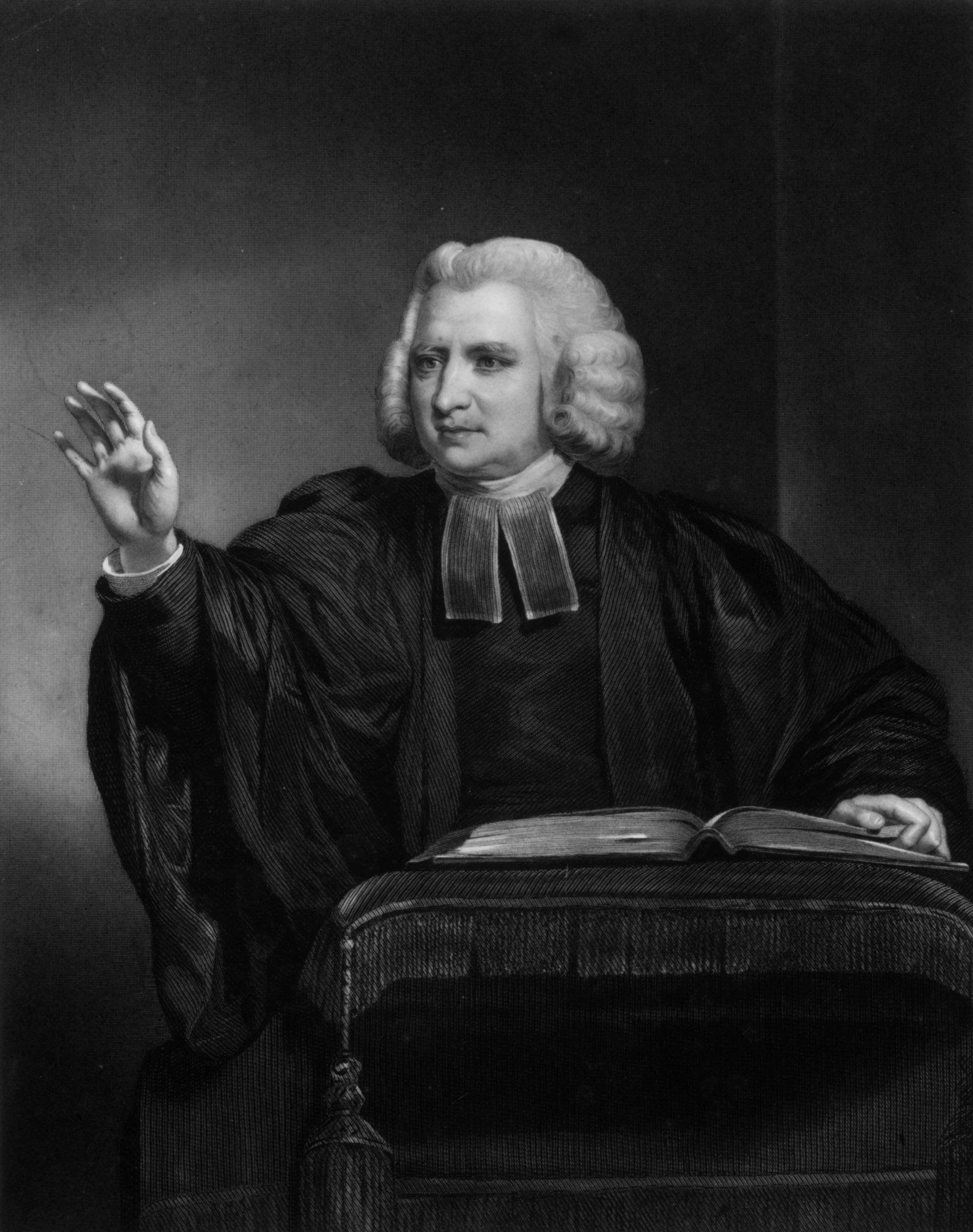
The English hymn "Adam descended from above" was composed by Charles Wesley during the mid-eighteenth century. The text serves as a theological meditation focused on Christ as the Second Adam, historically assigned for liturgical use during the season of Lent.
The hymn was first published in Wesley's two-volume collection, Short Hymns on Select Passages of the Holy Scriptures, in 1762, where it was cataloged as entry Number 1044 in the first volume. For reasons undocumented by the compilers, it was omitted from the posthumous second edition of that specific work in 1794. John Wesley, however, rescued the piece for congregational use by including it within his definitive A Collection of Hymns, for the Use of the People Called Methodists in 1780. The hymn retained its historical position as entry Number 129 within the major 1875 revised edition of the Wesleyan Hymn Book. In modern scholarship, it is preserved on page 415 of the ninth volume of The Poetical Works of John and Charles Wesley (1868–1872).
Parallel Manuscript Text
Charles Wesley drafted a separate, completely distinct hymn that begins with an almost identical opening sequence. This second piece opens with the line "Adam, descended from above, / Thou only canst."
This variant remained in manuscript form during the author's lifetime, surviving within his personal papers grouped under his Hymns on the Four Gospels. It was eventually transcribed and printed for the first time by the standard editors on page 341 of the eleventh volume of the Poetical Works. Unlike its predecessor, this manuscript piece was never integrated into common church use and has never appeared in congregational hymnals.
Related Hymns
Hymns in the library connected to this dictionary topic.
-
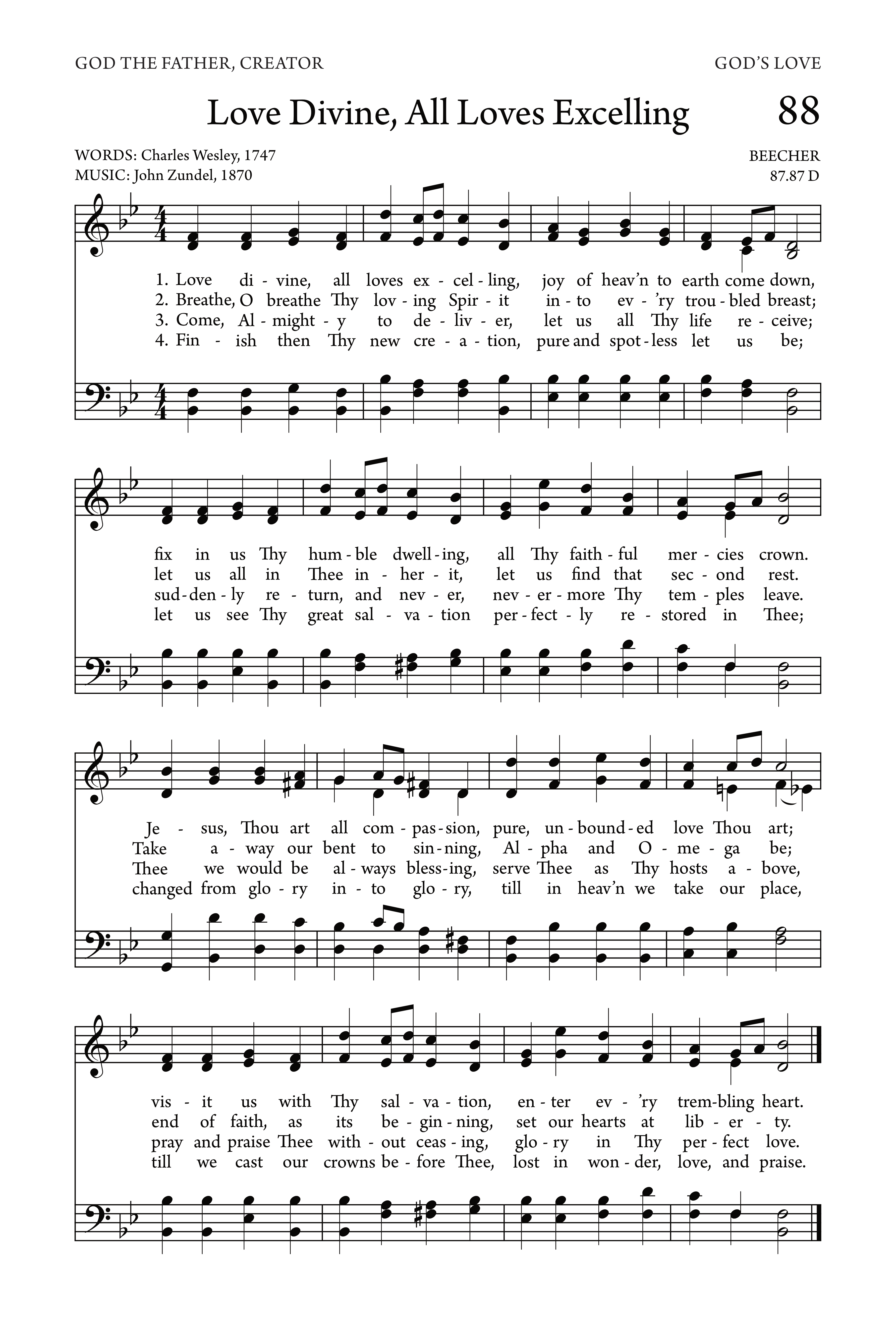
 Love Divine, All Loves Excelling
-
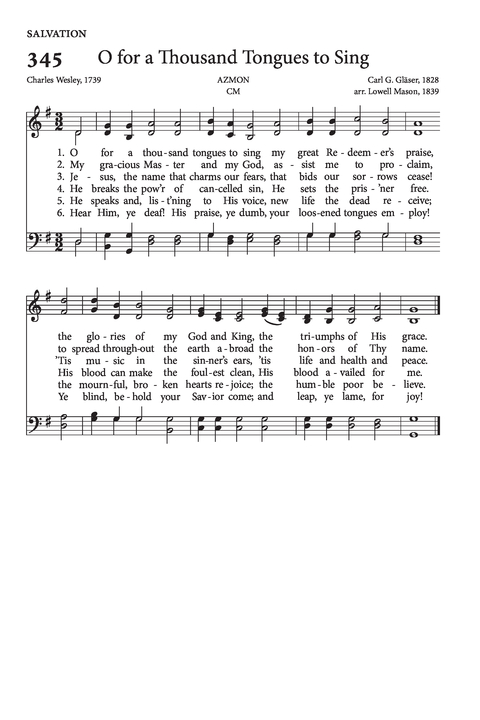
O For a Thousand Tongues to Sing
-
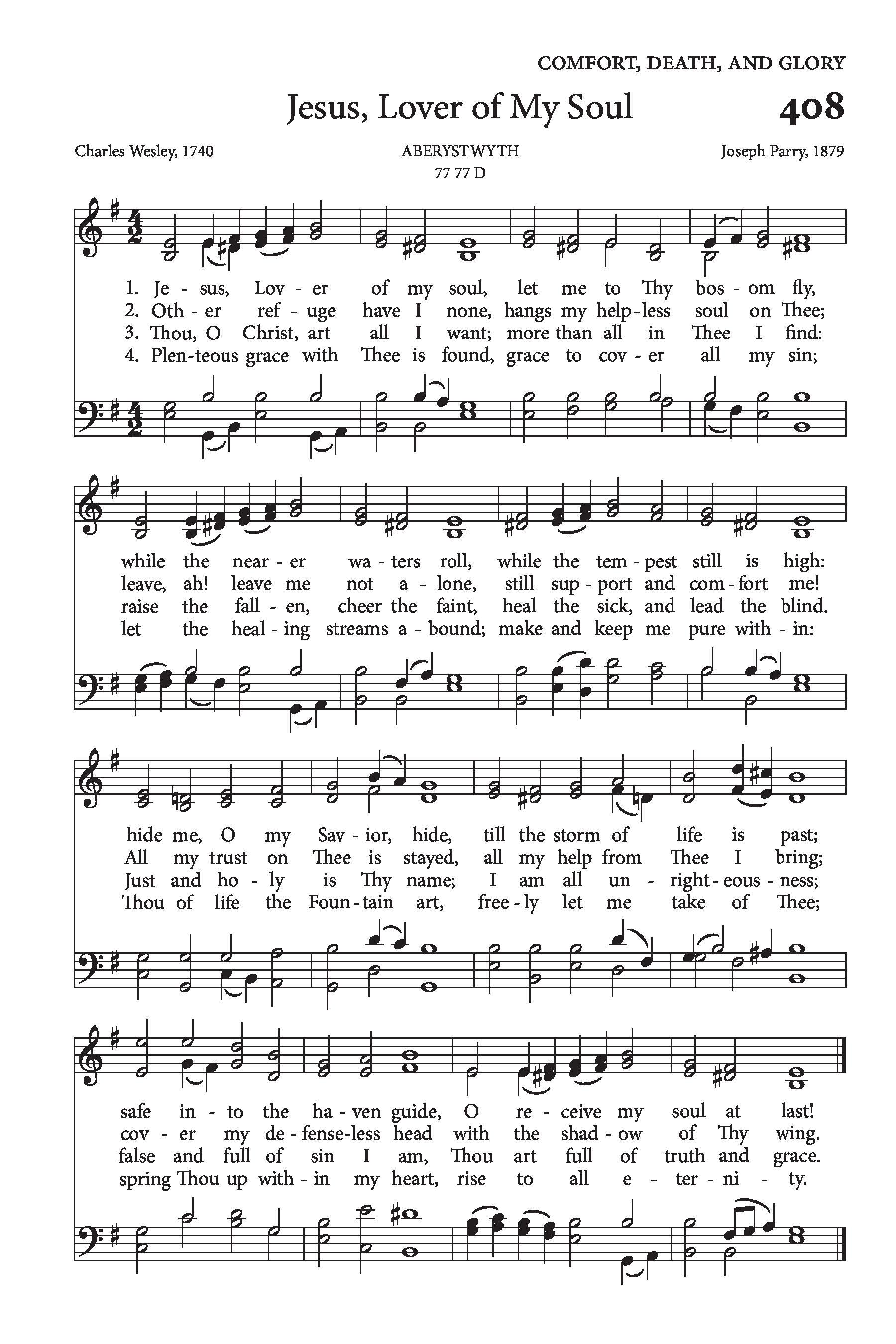
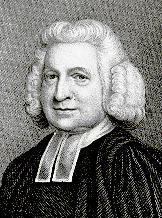 Jesus, Lover of My Soul
-
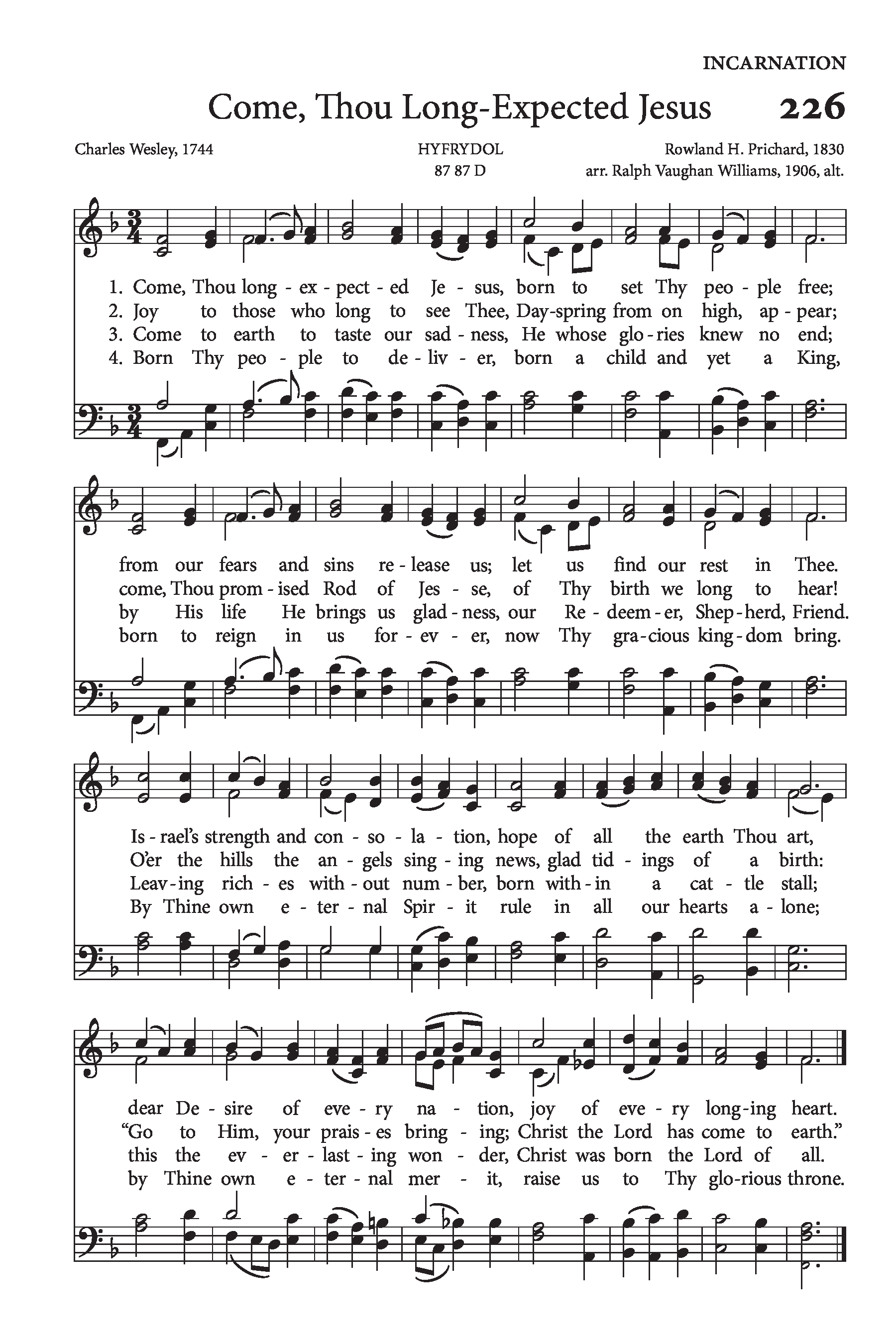
Come, Thou Long Expected Jesus
-
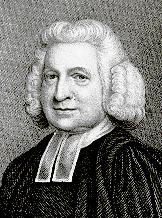 Hark! The Herald Angels Sing
-
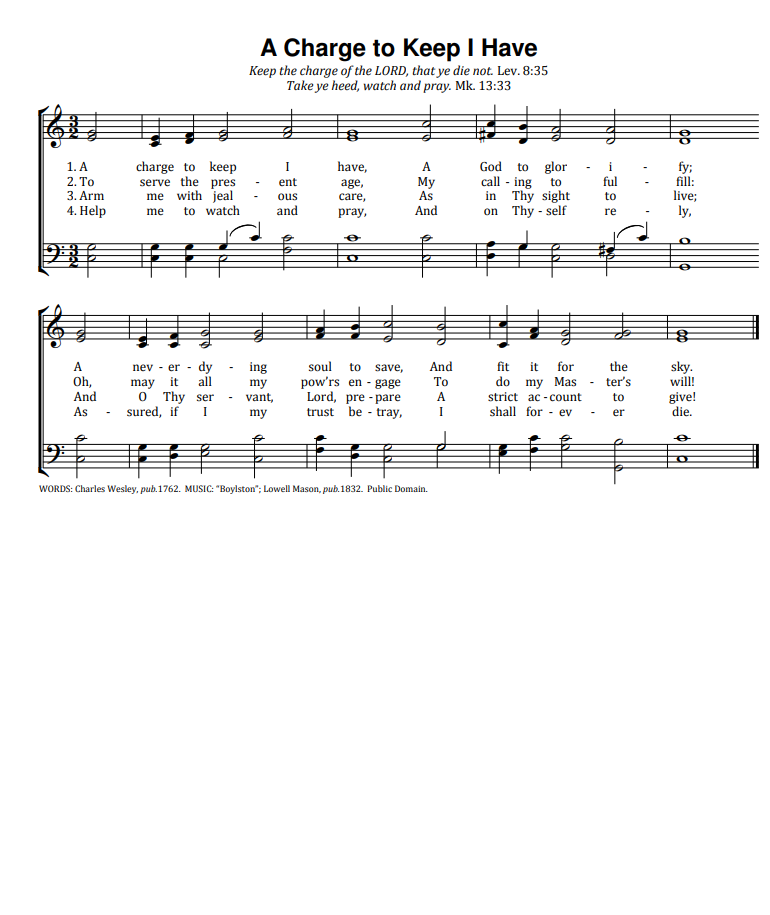
A Charge to Keep I Have
-
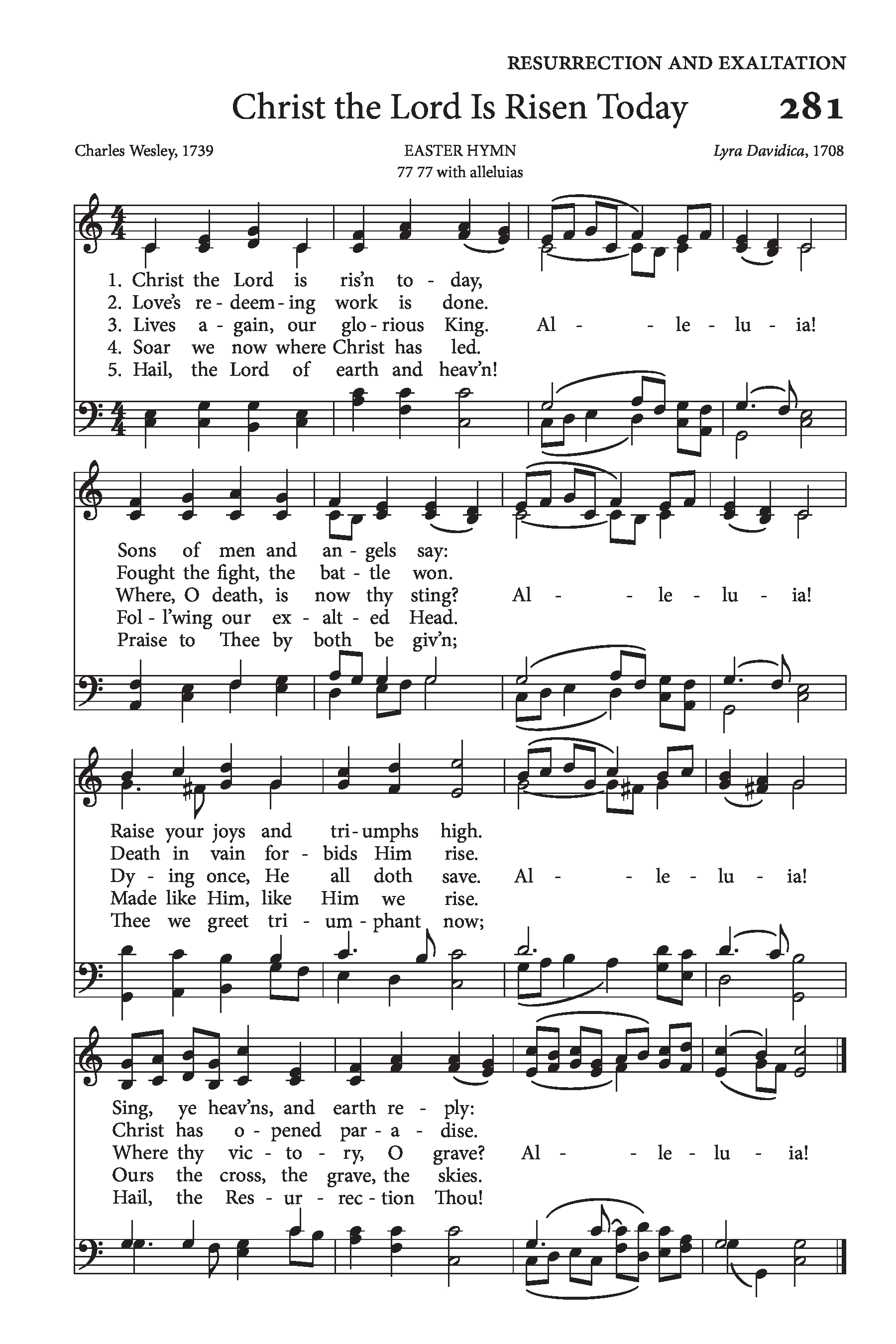
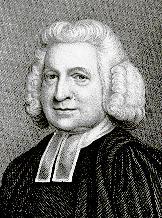 Christ the Lord is risen today
-
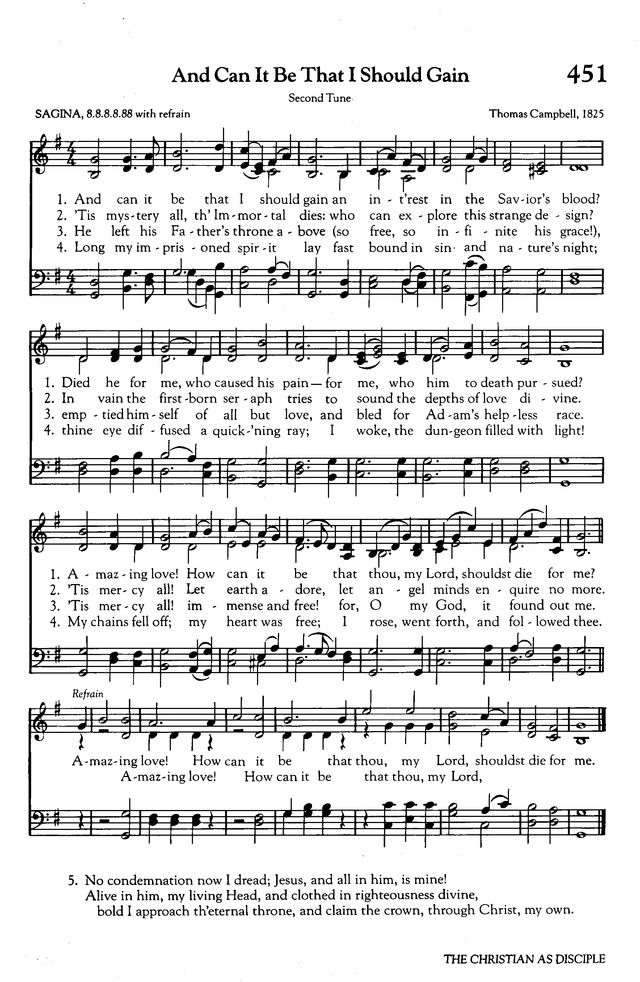
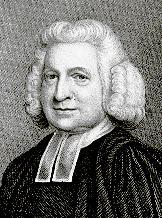 And Can It Be That I Should Gain?
16 more related hymns below in the sheet gallery.
Related Hymn Sheets
3 shown at a time — use the arrows to browse all 24 sheets.
Related Authors
Writers connected to this dictionary topic.
Keywords
Related terms for this dictionary entry.
Recent Dictionary Entries
Newly added terms from the Dictionary of Hymnology.
If you notice any mistake or have suggestions, please contact us on our contact page.