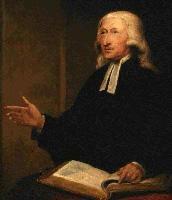
John Wesley
Biography
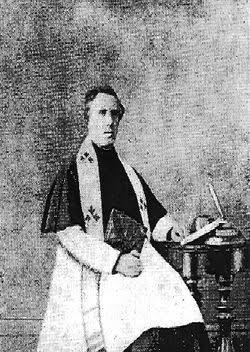
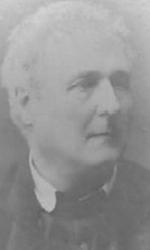
John Wesley (1703–1791) was an English Anglican cleric, theologian, and evangelist best known as the founder of Methodism. His disciplined spirituality, emphasis on personal holiness, and innovative organization of lay preachers transformed religious life in eighteenth-century Britain and shaped global Protestantism.
-
Born: June 17, 1703, Epworth, Lincolnshire, England
-
Died: March 2, 1791, London, England
-
Education: Christ Church, University of Oxford
-
Known for: Founding the Methodist movement
-
Major influences: Moravian Church; Martin Luther’s writings on justification by faith
Early life and conversion
Raised in a devout Anglican family, Wesley studied at Oxford, where he led the “Holy Club,” whose members were mockingly dubbed “Methodists” for their methodical piety. After an unsuccessful mission to Georgia (1735–37), he experienced a decisive conversion on May 24, 1738, in London’s Aldersgate Street, feeling his “heart strangely warmed” while hearing Luther’s preface to Romans. That moment convinced him of salvation by faith alone and reoriented his ministry.
Evangelical revival and organization
Barred from many pulpits, Wesley began open-air preaching in 1739 at the invitation of George Whitefield. Traveling over 250,000 miles on horseback, he preached tens of thousands of sermons to miners, laborers, and townspeople. To sustain converts, he organized “societies,” “classes,” and “bands” for worship, discipleship, and mutual accountability. This system empowered lay men and women as class leaders and itinerant preachers, laying the groundwork for a widespread evangelical revival.
Wesley’s theology blended Anglican tradition, Reformation doctrine, and Arminian belief in free grace. He taught prevenient grace, God’s gift enabling all to respond in faith, and the possibility of “entire sanctification,” or perfect love of God and neighbor. His stress on practical holiness inspired efforts in education, prison reform, abolitionism, and healthcare. He viewed acts of mercy as evidence of inward grace, reflecting his conviction that “faith working through love” transforms both individuals and society.
At his death, Wesley oversaw more than 130,000 Methodist members and 500 preachers. His movement evolved into the Methodist Church and influenced later holiness and Pentecostal movements worldwide. Revered as a “brand plucked from the burning,” he left an enduring model of disciplined faith, social concern, and lay empowerment that continues to shape modern Christianity.
Dictionary of Hymnology
Christi Blut und Gerechtigkeit Hymn
Zinzendorf’s long redemption hymn of 1739; Wesley’s free “Jesu, Thy blood and righteousness” became the standard English form, with many centos and first-line variants.
ReadBöhmer, Justus Henning Biography
Halle jurist and hymn-writer (1674–1749); Winkworth translated two Passiontide and Easter hymns. The article also covers his sister Maria Magdalena Böhmer.
ReadDrummond, William Hamilton; Dryden, John; Du ewiger Abgrund der seligen Liebe Biography
Completes W. H. Drummond’s hymns; outlines John Dryden’s life and the case for his 1706 Primer Latin translations; adds Zinzendorf’s “Du ewiger Abgrund,” Englished by Wesley.
ReadHymns by John Wesley
Includes hymns they wrote and hymns where they are credited as co-author, translator, paraphraser, or adapter.
| # | Title | Year | Views | |
|---|---|---|---|---|
| 1 | Commit Thou All Thy Griefs | 1737 | 928 | View |
| 2 | Give to the Winds Thy Fears | 1656 | 1134 | View |
| 3 | Jesus, Thy Blood and Righteousness | 1739 | 3193 | View |
Recently added hymns
Suggestions or corrections: contact us.
Leave it in the forum for others to answer — hymn requests, lyrics help, writers, worship planning, and more.