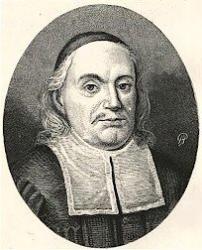
The German hymn "Ach! treuer Gott, barmherzigs Herz" was written by Paul Gerhardt as a source of spiritual comfort and encouragement during times of profound distress. The text was directly modeled on a specific prose prayer for patience under great trial found in the third section of Johann Arndt's landmark devotional work, Paradiesgärtlein, published in 1612.
Gerhardt's poetic adaptation first appeared in Johann Crüger's influential collection, Praxis pietatis melica, in the Frankfurt edition of 1656, where it was cataloged as entry Number 381. Structurally, the original hymn was an extensive work spanning 16 stanzas of 7 lines each. It maintained a prominent position in German Lutheran worship for centuries, seeing inclusion in major reference volumes like the 1851 Unverfälschter Liedersegen (Number 693), Philipp Wackernagel's critical edition of Gerhardt's Geistliche Lieder (Number 57), and Johan Bachmann's authoritative edition (Number 80).
Translations in Common Use
Three primary translation lineages introduced Gerhardt's verses to English and American congregations during the nineteenth century:
The first translation was prepared by Arthur Tozer Russell for his Psalms and Hymns in 1851. Russell translated the first, fourth, fifth, and tenth stanzas under the opening line "O God most true, most merciful!" Benjamin Hall Kennedy later adopted this text for his 1863 Hymnologia Christiana, altering the opening phrase to read "O God of mercy full and free."
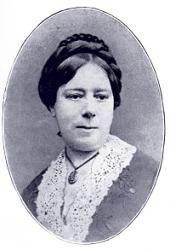
The second version, "O faithful God! O pitying heart," was executed by Catherine Winkworth for the second series of her volume Lyra Germanica in 1858. Winkworth omitted six stanzas from the original text. This version achieved broad recognition and was reprinted in the United States within the Arthur Gilman and Philip Schaff Library of Religious Poetry in 1883.
Winkworth’s work was also restructured by later editors into separate centos. An arrangement utilizing the translations of the tenth, twelfth, fourteenth, and sixteenth stanzas was compiled for the hymnbook Church Praise in 1883, beginning with the opening line "O Thou, who diedst to give us life."
The third translation, "Ah! faithful God, compassionate heart," was produced by John Kelly. His full, faithful rendering of the text was published on page 169 of his comprehensive volume, Paul Gerhardt's Spiritual Songs, in 1867.
Related Hymns
Hymns in the library connected to this dictionary topic.
-
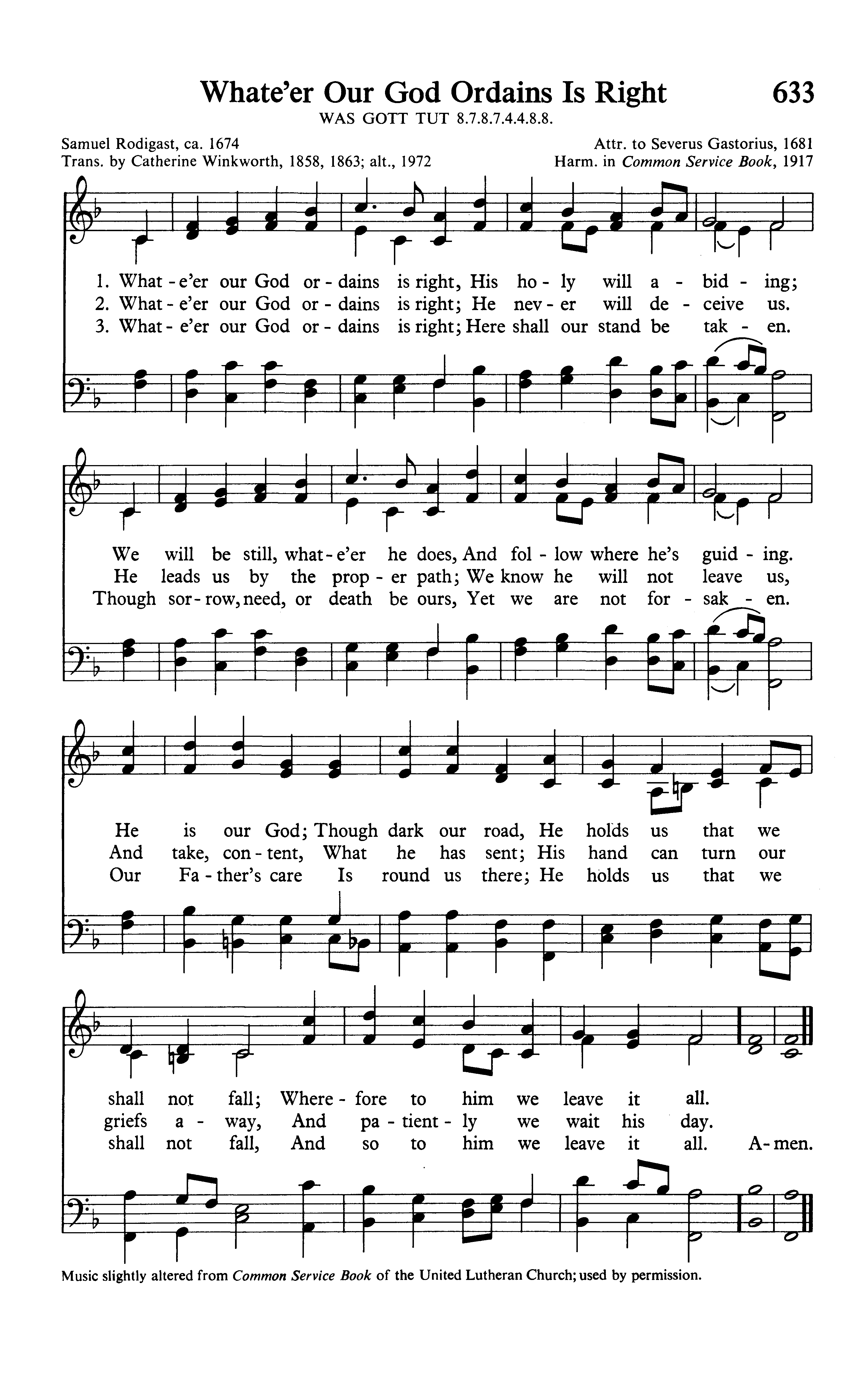
Whate’er My God Ordains Is Right
-
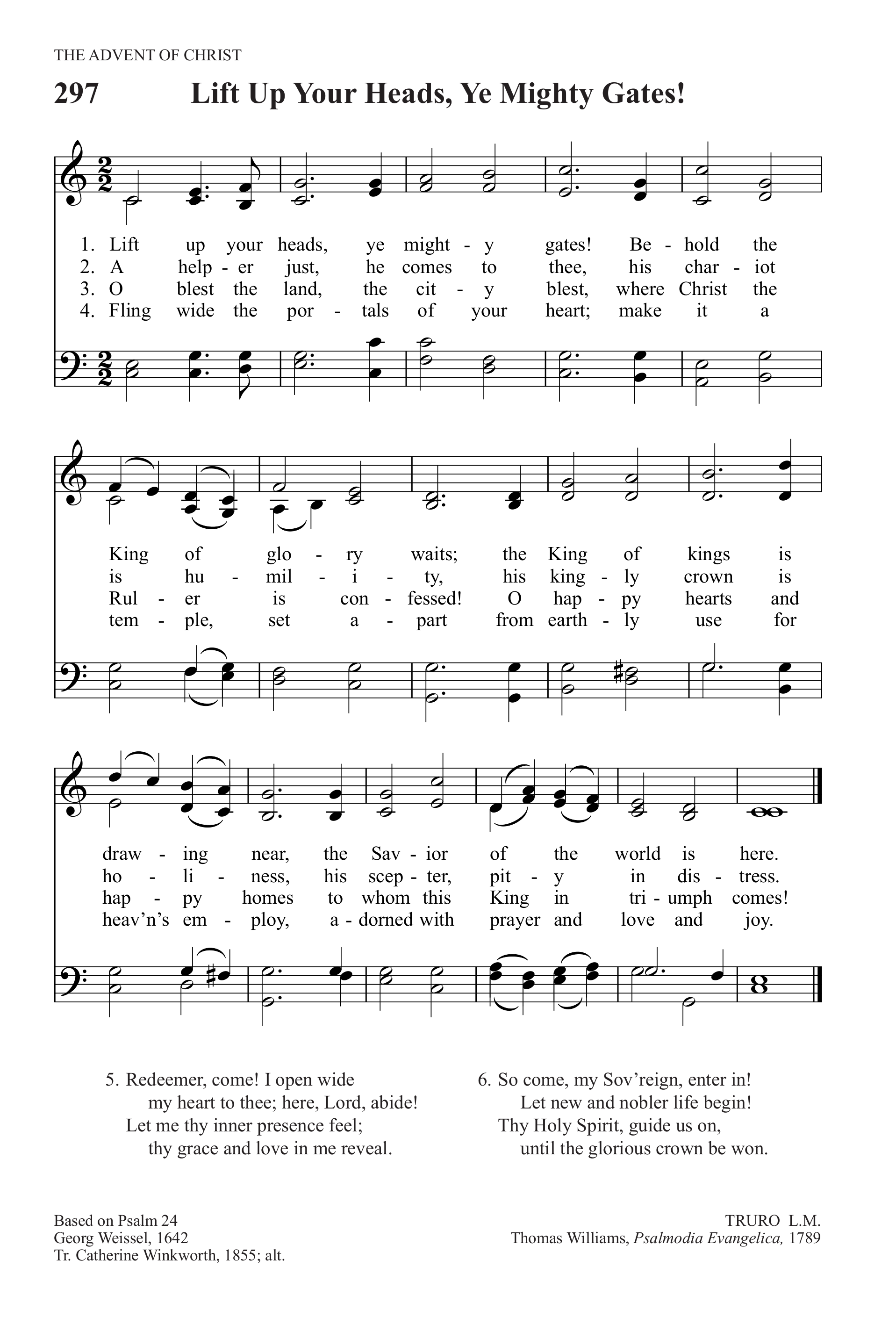
Lift Up Your Heads, Ye Mighty Gates
-
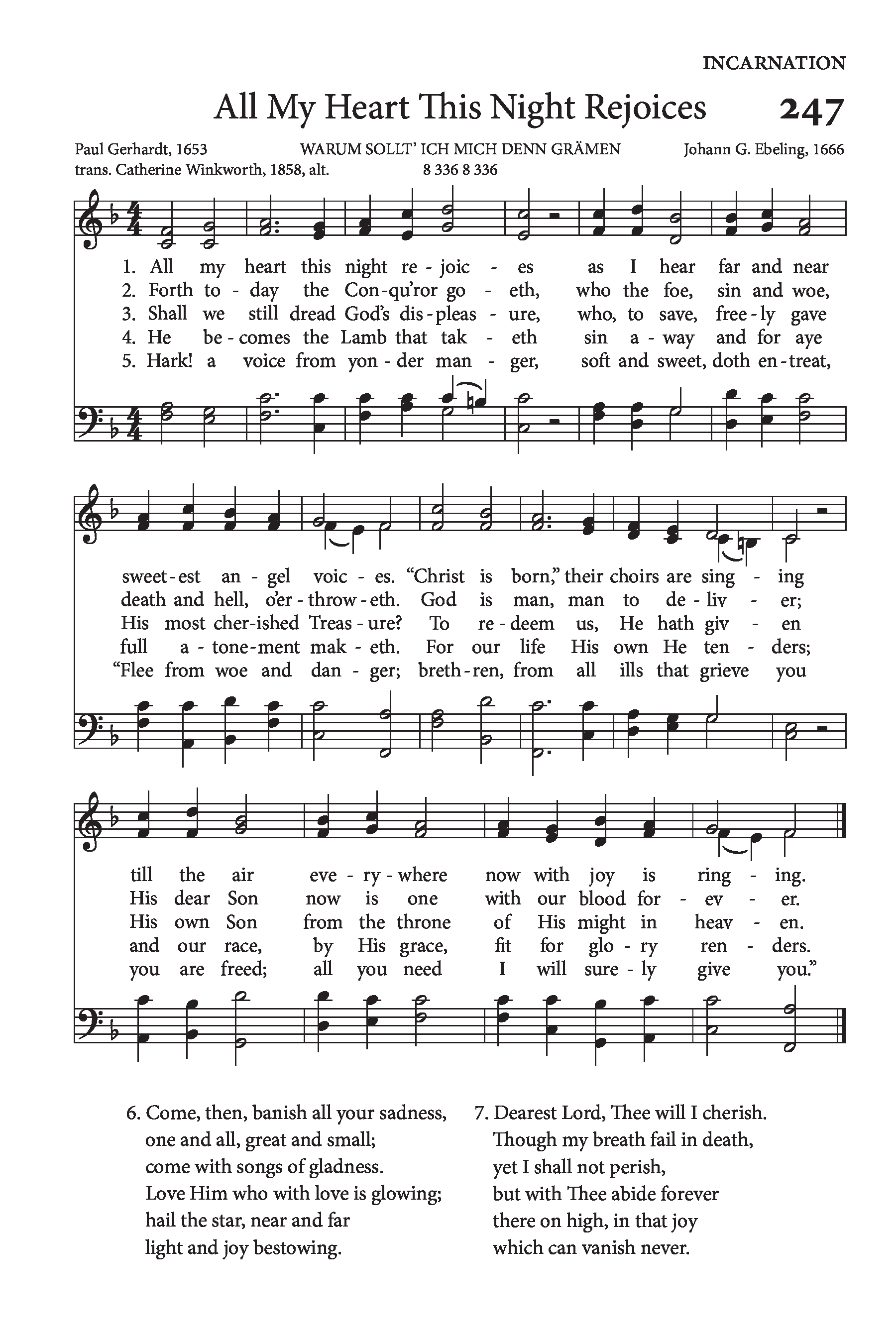
All My Heart This Night Rejoices
-
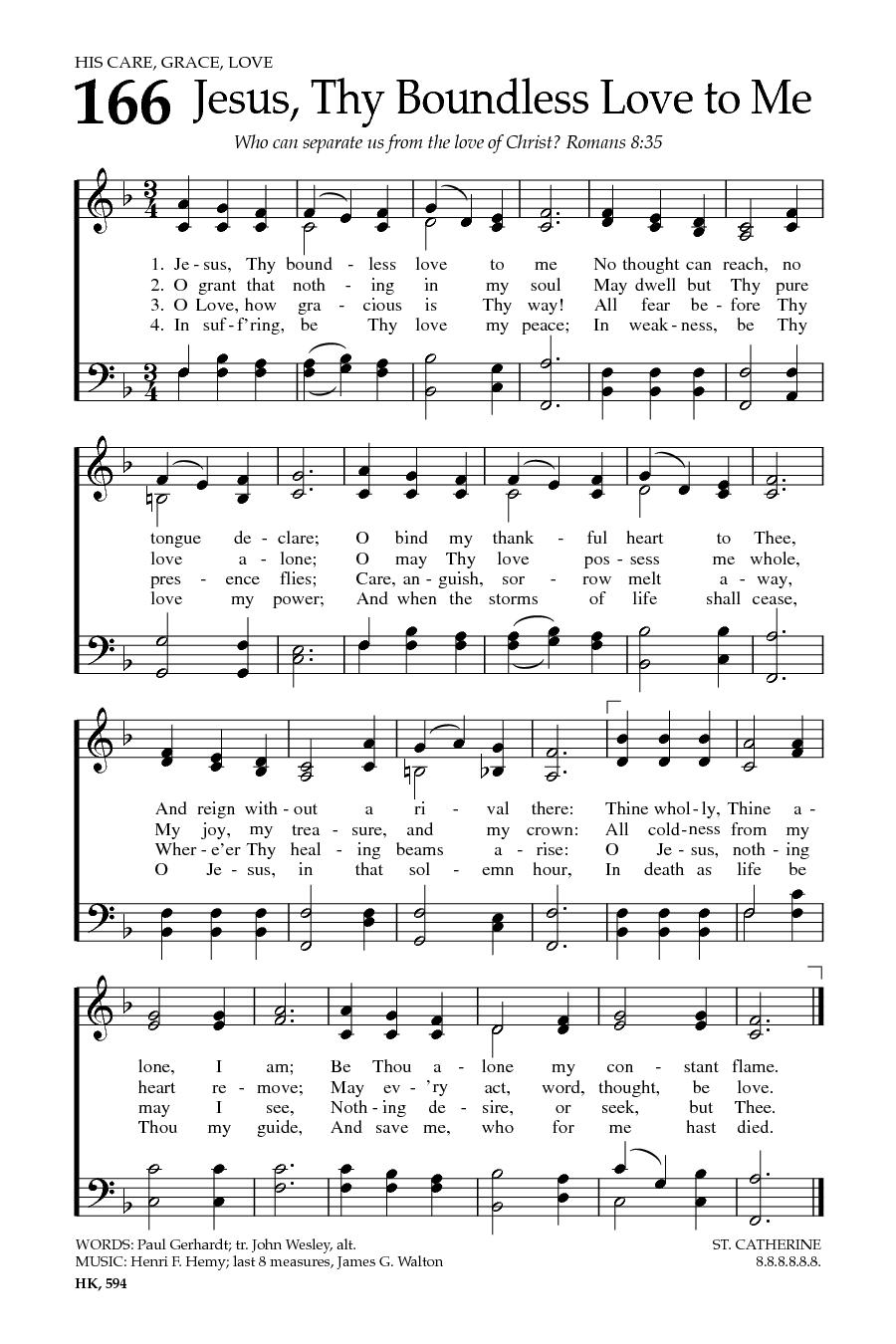
Jesus, Thy Boundless Love to Me
-
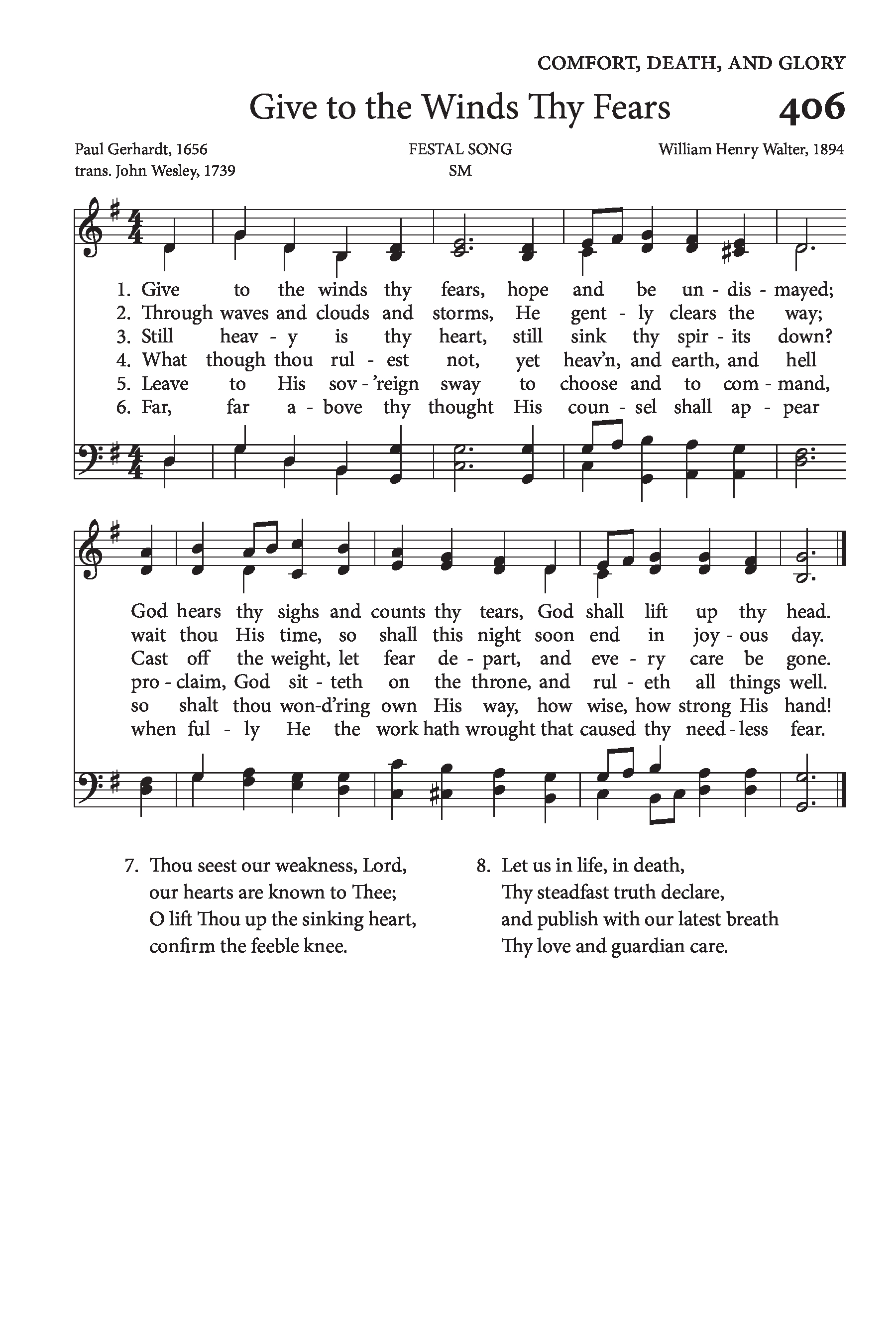
Give to the Winds Your Fears
-
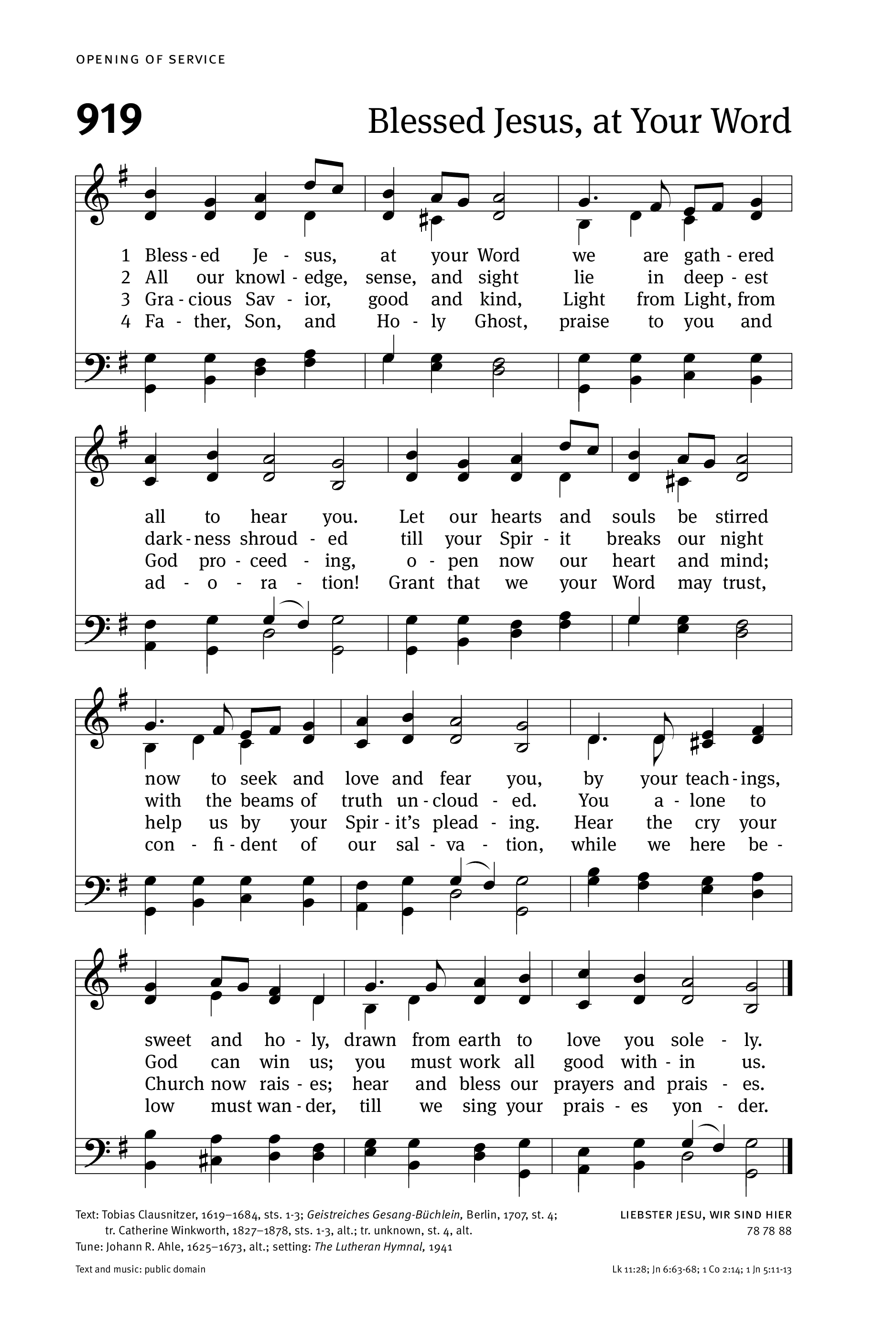
Blessed Jesus, at Thy word
-
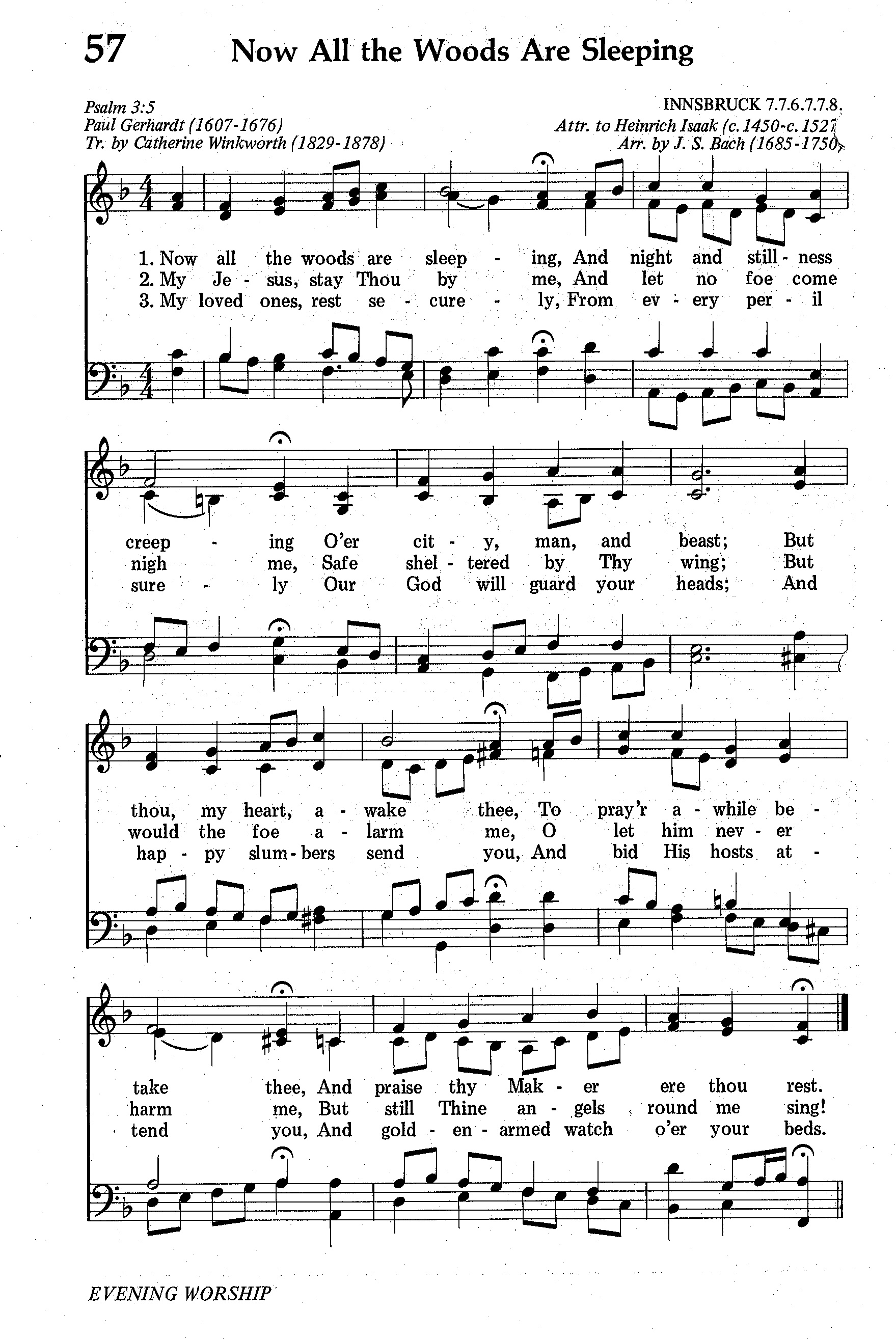
Now all the woods are sleeping
-
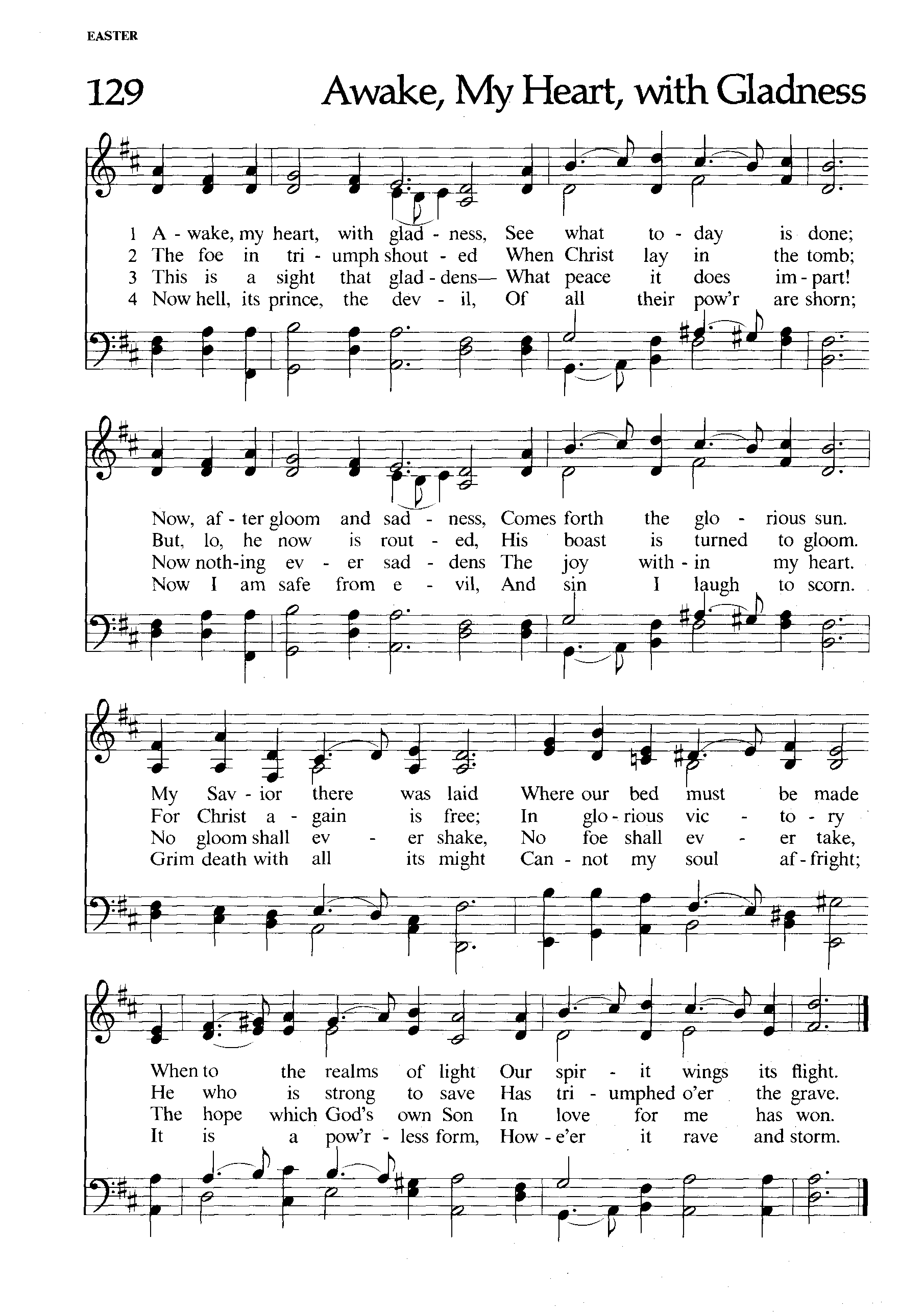
Awake, My Heart, with Gladness
2 more related hymns below in the sheet gallery.
Related Hymn Sheets
3 shown at a time — use the arrows to browse all 10 sheets.
Related Authors
Writers connected to this dictionary topic.
Keywords
Related terms for this dictionary entry.
Recent Dictionary Entries
Newly added terms from the Dictionary of Hymnology.
If you notice any mistake or have suggestions, please contact us on our contact page.