

The German Passion hymn "Ach, Jesu, dein Sterben" emerged anonymously during the early eighteenth century. Deeply rooted in regional Silesian liturgy, the text was designed as a serious devotional meditation on Christ's crucifixion and human redemption.
The work secured an early printing as entry Number 281 in the Vollkommenes Schlesisches Kirchen Gesang-Buch, published in Breslau in 1727, a volume whose formal preface dates back to October 1, 1703. It was subsequently retained in Johann Daniel Burg's influential Breslau Gesang-Buch of 1746, appearing there as entry Number 451 under the thematic title "Dying to Sin through the Death of Jesus."
The composition is structurally concise, consisting of 3 stanzas of 4 lines each. It maintained steady circulation within German Lutheran congregations, eventually being cataloged as entry Number 83 in the standard reference collection Unverfälschter Liedersegen in 1851.
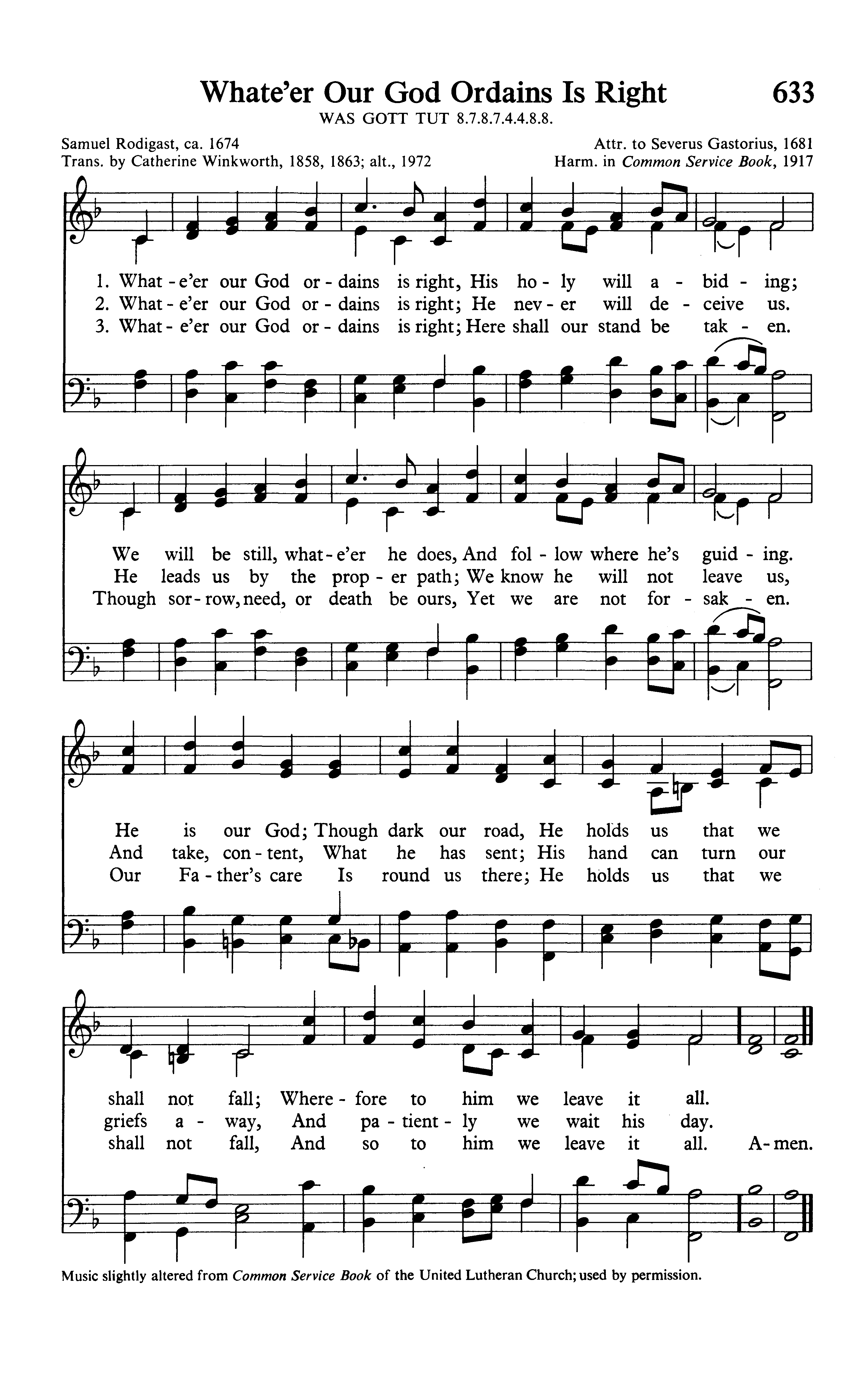
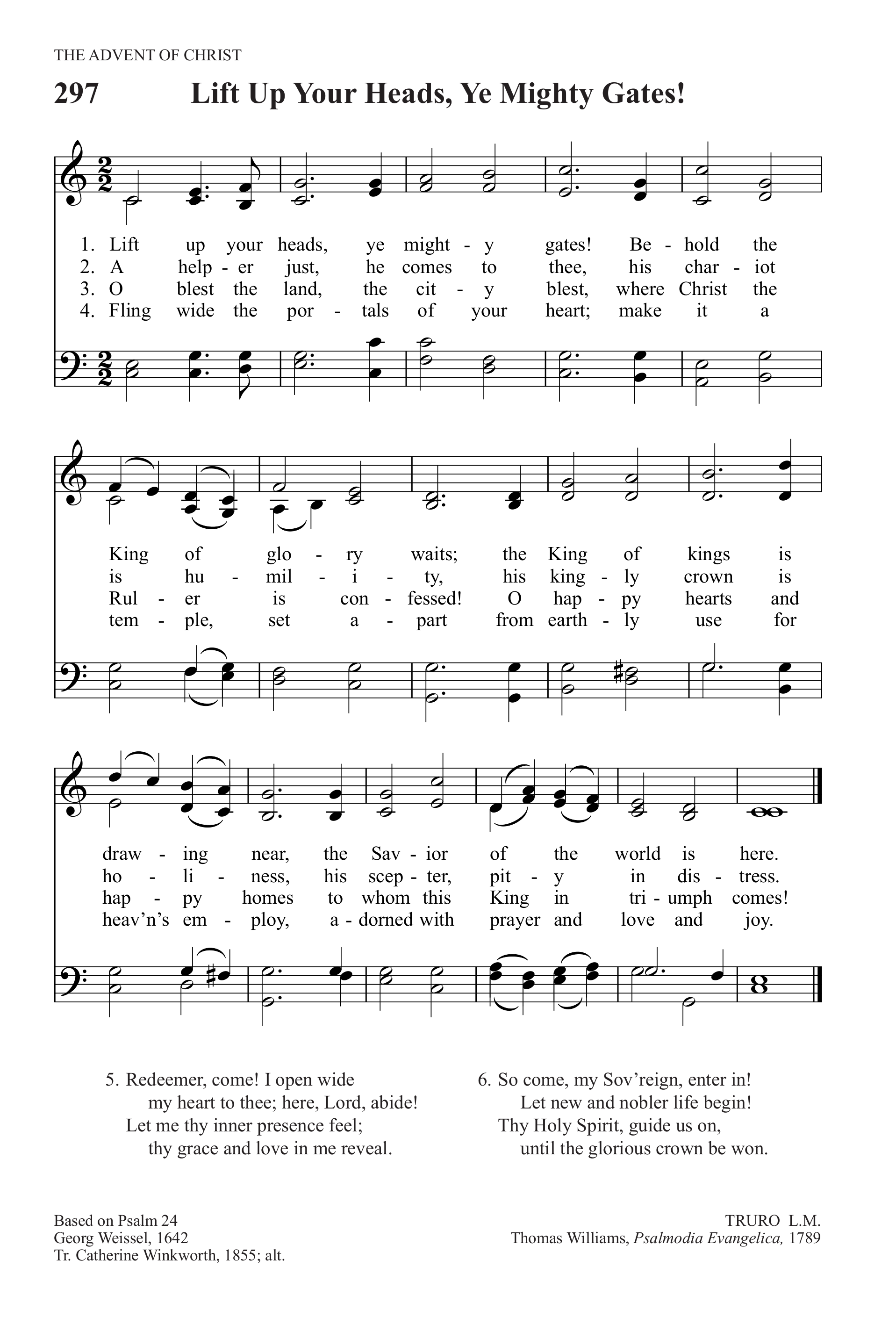
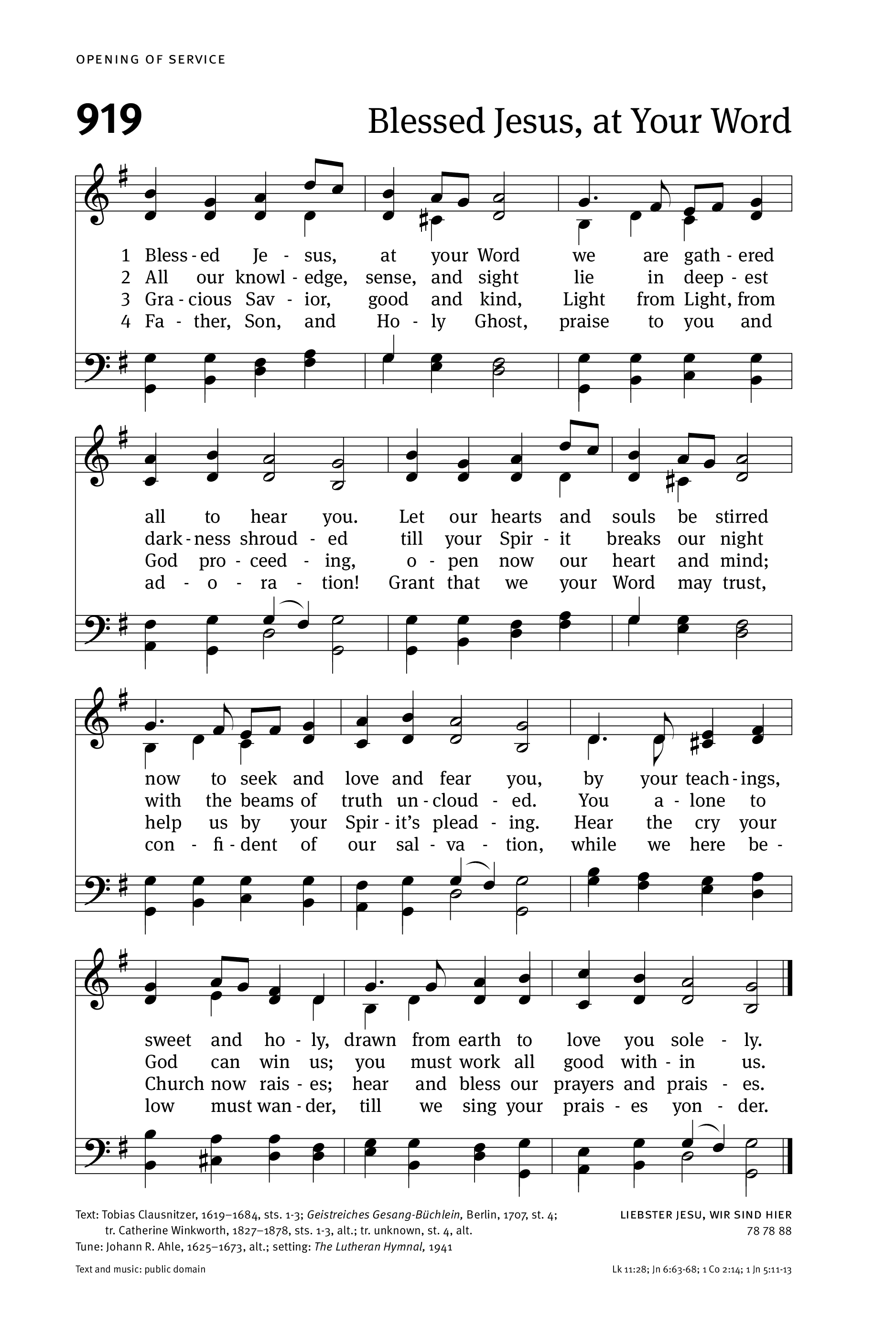
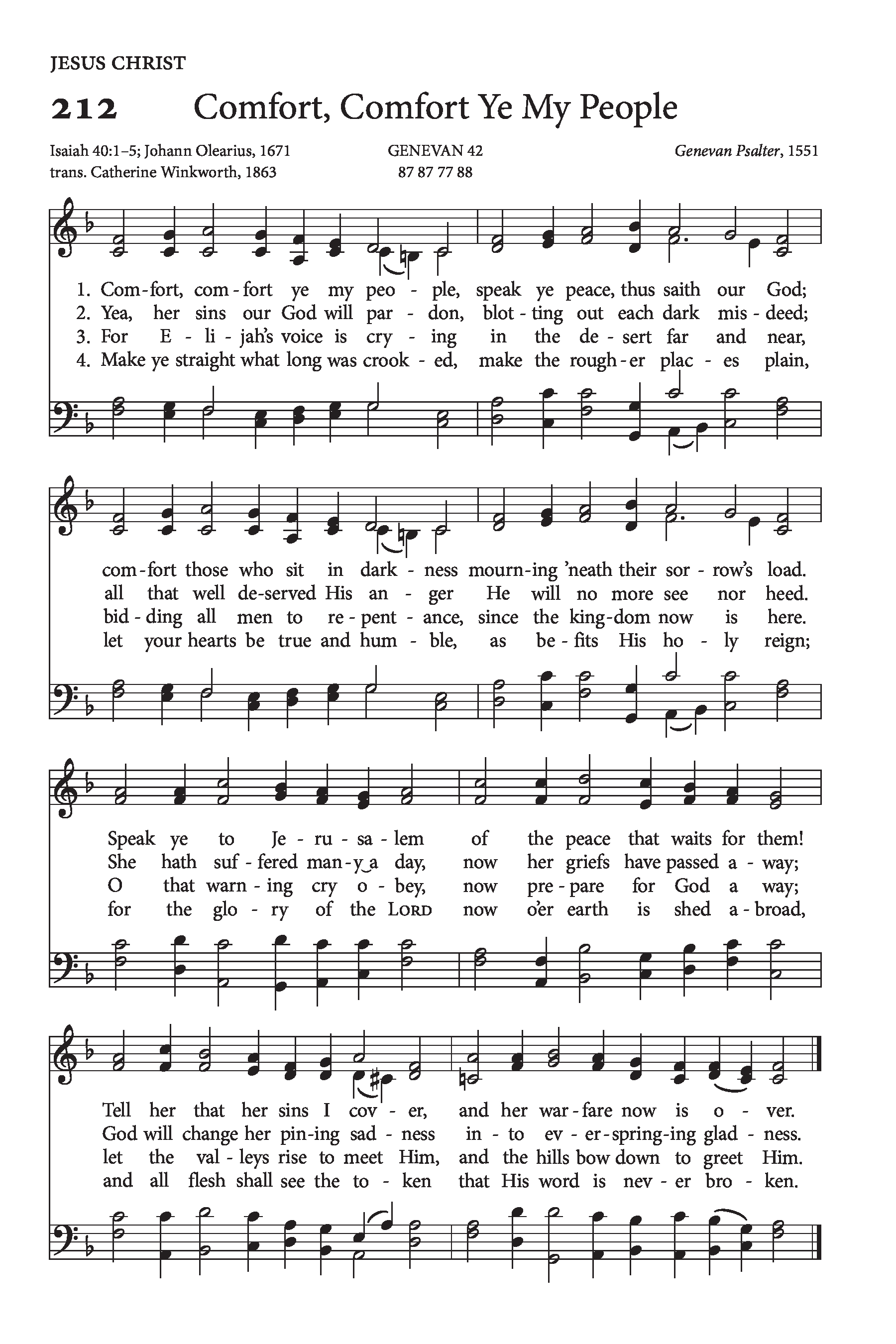
The text was introduced to English-speaking readers by the prominent Victorian translator Catherine Winkworth. Her English translation, which opens with the line "Ah Jesus, the merit," was published on page 32 of the second series of her celebrated volume Lyra Germanica in 1858. Five years later, Winkworth included the same version as entry Number 50 in her major musical compilation, The Chorale Book for England, published in 1863.
Related Hymns
Hymns in the library connected to this dictionary topic.
Related Hymn Sheets
3 shown at a time — use the arrows to browse all 4 sheets.
Related Authors
Writers connected to this dictionary topic.
Keywords
Related terms for this dictionary entry.
Recent Dictionary Entries
Newly added terms from the Dictionary of Hymnology.
If you notice any mistake or have suggestions, please contact us on our contact page.