
Is Christianity Jewish? An Explanation and Important Distinctions
Christianity is deeply connected to Judaism, yet it is not the same religion. To understand this relationship clearly, it is necessary to explore Christianity’s Jewish roots, where the two faiths overlap, and where they fundamentally differ. Confusion often arises because Christianity begins within a Jewish context, uses the Jewish Scriptures, and centers on a Jewish Messiah. At the same time, Christianity makes claims that Judaism does not accept. Both continuity and distinction must be held together to understand the issue properly.
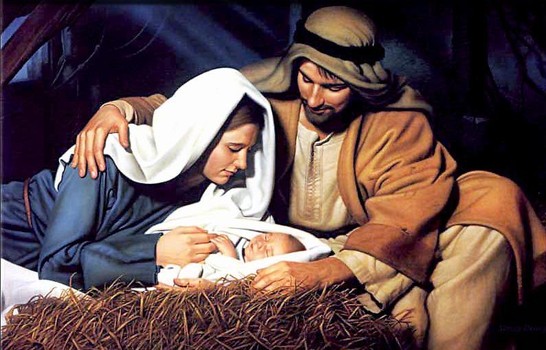
Christianity is Jewish in its origin. Jesus of Nazareth was born a Jew, raised under the Law of Moses, worshiped in the synagogue, and observed Jewish feasts. His earliest followers were Jews, including the apostles. The New Testament itself was written almost entirely by Jewish authors who understood themselves as heirs of Israel’s Scriptures and promises. Christianity did not begin as a separate religion but emerged from within first century Judaism. The earliest Christians believed they were following the fulfilment of Israel’s hope, not abandoning it.
The Scriptures Christians call the Old Testament are the Hebrew Scriptures. These writings form the foundation of Christian theology. The creation account, the covenants with Abraham and Moses, the promises to David, the law, the prophets, and the wisdom literature all shape Christian belief. Christianity affirms that God revealed Himself first to Israel and that salvation history unfolds through the Jewish people. In this sense, Christianity cannot be understood apart from Judaism.
However, Christianity is not simply a branch of Judaism, nor is it Judaism with additions. The decisive point of separation is the identity of Jesus Christ. Christianity teaches that Jesus is the promised Messiah, the Son of God, and the Savior of the world. Judaism does not accept this claim. For Judaism, the Messiah has not yet come, and Jesus does not fulfill the expected role of a political, national deliverer. This disagreement is not minor. It is central and defining.
Another major distinction concerns the understanding of the Law. Judaism teaches that righteousness comes through obedience to the Law given to Moses. Christianity teaches that the Law reveals God’s holiness and human sin, but that justification comes through faith in Christ, not through works of the Law. Christians believe that Jesus fulfilled the Law and inaugurated a new covenant, as foretold by the prophets. This does not mean the Law was evil or discarded, but that its role was completed in Christ.
The view of salvation further separates the two faiths. Judaism emphasizes covenant faithfulness expressed through obedience and repentance within the community of Israel. Christianity teaches that salvation is a gift of grace received through faith in Jesus Christ, extended to both Jews and Gentiles alike. The inclusion of Gentiles without requiring full adherence to Jewish ceremonial law marked a decisive turning point in early Christianity and confirmed its distinct identity.
There is also a difference in authority and Scripture. Judaism does not accept the New Testament as inspired Scripture. Christianity affirms both the Old and New Testaments as God’s Word, believing the New Testament reveals the fulfilment and completion of what the Old Testament anticipated. The teachings of Jesus and the apostles carry divine authority within Christianity but not within Judaism.
Despite these distinctions, Christianity does not reject Judaism or its significance. The apostle Paul describes Gentile believers as being grafted into Israel’s story, not replacing it. Christianity teaches that God’s promises to Israel are not nullified and that the Jewish people still have a unique place in God’s redemptive plan Read Romans 9 and 11. Historically and theologically, Christianity stands upon Jewish foundations even as it moves beyond them.
In summary, Christianity is Jewish in origin, Scripture, and historical context, but it is not Judaism. The two faiths share a common heritage yet diverge at the crucial question of who Jesus is and how salvation is accomplished. Understanding both the continuity and the distinction allows for clarity, respect, and honest dialogue without confusion or oversimplification.
















No comments yet. Be the first to share your thoughts!