Nikolaus Herman
Biography
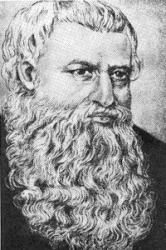
Nikolaus Herman was a pivotal 16th-century German Protestant hymnwriter, schoolmaster, organist, and composer, born around 1500 and dying on May 3, 1561. His entire historical legacy is inextricably linked with the Bohemian mining town of Joachimsthal, situated in the Ore Mountains near the Saxon border. Though his exact birthplace remains unverified, historical records place him in Joachimsthal by 1518, and by 1524 he held official appointments there as Master of the Latin School, organist, choirmaster, and Cantor at the local parish church. Throughout his long tenure, Herman was an intimate friend, literary collaborator, and musical colleague of Johannes Mathesius, the noted Reformer, preacher, and biographer of Martin Luther. Their professional synergy was celebrated locally: following an inspiring sermon by Mathesius, Herman would frequently synthesize its primary theological themes into memorable verse and construct a matching melody.
Unlike many contemporary hymnists of the early Reformation who focused primarily on formal liturgical texts for church services, Herman wrote specifically for the domestic, educational, and daily spheres of the common people. Deeply motivated by pedagogical and pastoral goals, he authored his hymns to displace secular, profane songs among youth, to instruct students in the Latin school, and to provide devotional material for the daily lives, domestic devotions, and arduous labor of the local silver miners and families of Joachimsthal. His poetic voice is characterized by an earnest, folk-like simplicity, vivid imagery, directness, and a rustic charm that hymnologists frequently compare to the populist verse of Hans Sachs. An exceptionally talented musician and organist, Herman composed his own musical settings, creating melodic chorales that rank among the finest and most enduring tunes produced during the Reformation.
Herman’s prolific output comprised approximately 190 original hymns and dozens of accompanying chorale tunes, which were published primarily across two major collections printed in Wittenberg. The first, Die Sontags Evangelia uber des gantze Jar (1560), contains 101 hymns set to 17 melodies designed around the annual gospel lessons for children and families. The second collection, Die Historien von der Sindfludt, Joseph, Mose, Helia, Elisa und der Susanna (1562), features 73 narrative and spiritual hymns based on Old and New Testament histories alongside 20 tunes. Suffering severely from gout in his later years, Herman resigned his active post as Cantor several years prior to his death, spending his remaining time preparing his devotional works for publication.
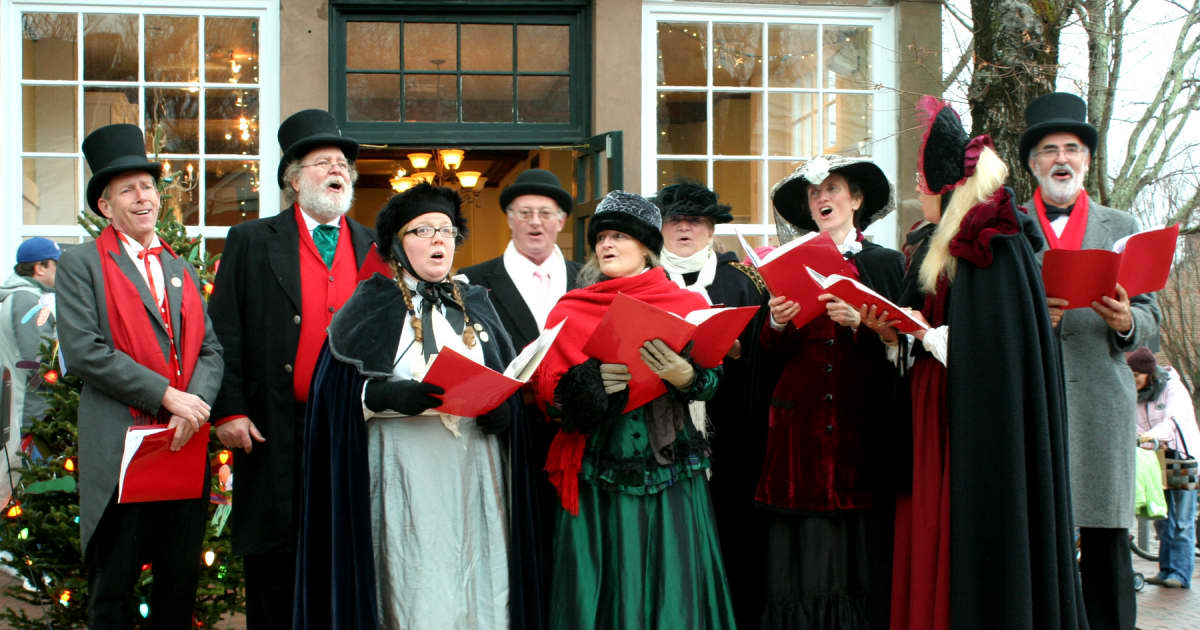
Herman’s hymns and chorale tunes quickly spread beyond Joachimsthal to achieve widespread adoption in Protestant churches across Europe and around the world. Among his most famous works is the classic Christmas carol "Lobt Gott, ihr Christen alle gleich" ("Let All Together Praise Our God"), written around 1554 and set to his own iconic chorale melody. His prominent liturgical and devotional works translated into English and other languages include:
-
"Erschienen ist der herrliche Tag" ("The Day Hath Dawned—The Day of Days") — A vibrant Easter hymn originally composed for the young women of the Joachimsthal girls' school.
-
"Die helle Sonn leucht jetzt herfür" ("The Morning Sun Illumines the Skies") — A morning prayer for divine guidance throughout the workday.
-
"Hinunter ist der Sonnen Schein" ("Sunk Is the Sun's Last Beam of Light") — A beloved evening hymn of trust and protection, widely translated into English by Frances Elizabeth Cox and Catherine Winkworth.
-
"Wenn mein Stündlein vorhanden ist" ("When My Last Hour Is Close at Hand") — A landmark Lutheran deathbed and funeral hymn, providing spiritual comfort in the face of mortality.
-
"So wahr ich leb, spricht Gott der Herr" ("Yea, As I Live, Jehovah Saith") — A teaching hymn on absolution, confession, and the office of the keys.
-
"Bescher uns, Herr, das täglich Brod" ("Thou Art Our Father and Our God") — A table grace for families centered on daily divine providence.
Herman's enduring legacy rests on his ability to translate core Reformation principles into accessible, heart-felt songs for the home, classroom, and workplace, establishing a model for domestic piety and educational music that shaped Protestant culture for centuries.
Hymns by Nikolaus Herman
Includes hymns they wrote and hymns where they are credited as co-author, translator, paraphraser, or adapter.
| # | Title | Year | Views | |
|---|---|---|---|---|
| 1 | Let All Together Praise Our God | 1560 | 351 | View |
Recently added hymns
Suggestions or corrections: contact us.
Leave it in the forum for others to answer — hymn requests, lyrics help, writers, worship planning, and more.