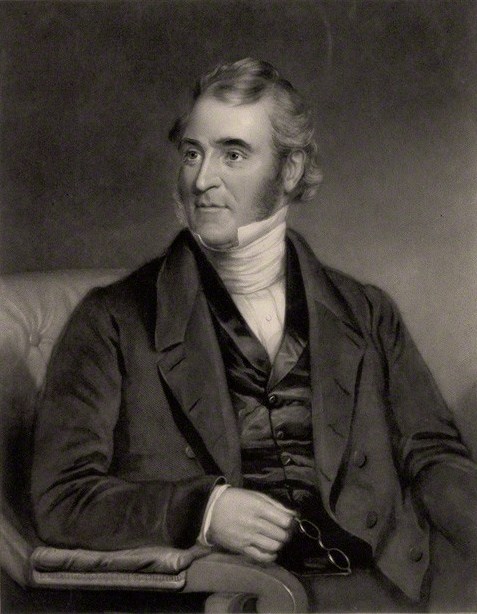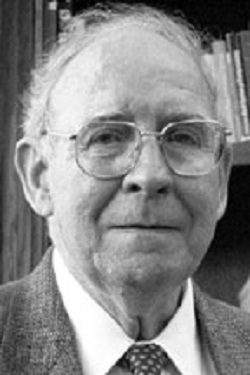
Maurice F. Bell
Biography
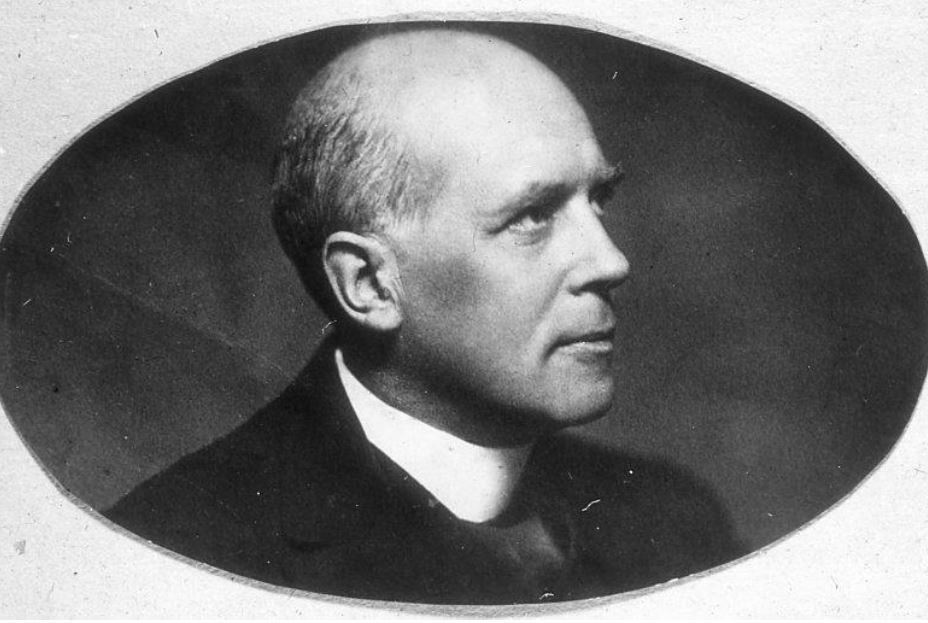
Maurice Frederick Bell was a prominent 20th-century English Anglican clergyman, author, translator, and hymnologist whose work significantly shaped the liturgical and musical landscape of the modern Church of England. Born in London on September 3, 1862, he was the son of G. W. Bell, a distinguished barrister-at-law. Raised in an environment that valued intellectual rigour and refined scholarship, Bell pursued higher education at Hertford College, Oxford, where he earned his Bachelor of Arts degree in 1884 and his Master of Arts in 1887.
Following his calling to Holy Orders, Bell was ordained as a deacon in 1885 and as a priest in 1886. His early clerical appointments established his reputation as an attentive parish priest with a deep interest in pastoral care and liturgical arts. In 1904, he was appointed Vicar of St. Mark’s Church, Regent’s Park, in London—a position that placed him at the heart of London’s Anglo-Catholic and High Church movement during a period of dynamic renewal in Anglican worship.
Bell’s enduring fame in hymnody rests primarily on his instrumental involvement with The English Hymnal (1906), a landmark publication edited by Percy Dearmer with musical direction by Ralph Vaughan Williams. The hymnal sought to elevate congregational singing by replacing weak Victorian tunes with robust folk melodies and historic plainchant, while updating translations of ancient and medieval texts. Bell was a core contributor to this movement, offering both original verse and masterful translations from historic sources.
Among his original compositions, Bell’s hymn "O dearest Lord, by all adored" was written specifically as a closing hymn for festival occasions and gained wide acceptance across the Anglican Communion for its reverence and lyrical dignity. He also penned devotional texts such as "O dearest Lord, accept today the gifts we bring" and "Day had passed and gone, 'twas the dark midnight."
Bell’s primary talent lay in his ability to translate classic Latin, French, and vernacular Office hymns into elegant, singable English verse that preserved the theological nuance and poetic meter of the originals. His most famous translation, "The glory of these forty days" (Clarum decus jejunii), attributed to St. Gregory the Great, remains a staple of the observance of Lent in churches worldwide. This text captures the ascetic yet hopeful spirit of the Lenten season, linking Christian fasting directly to biblical prototypes like Moses, Elijah, and Christ.
His other major translation contributions include:
-
"Lo, the fair beauty of earth, from the death of the winter arising" (Salve festa dies) — A vibrant Easter and spring procession text.
-
"Most holy Lord and God of heaven" (Caeli Deus sanctissime) — A solemn translation of the traditional Office hymn for Wednesday vespers.
-
"This is the house of God, a place of peace and refreshing" — A dedication and consecration hymn celebrating the sanctuary as a place of spiritual shelter.
-
"In that poor stable, how charming Jesus lies" — A sensitive translation of a French Christmas carol text.
In addition to his hymnological work, Bell was a passionate advocate for the restoration of traditional church arts, ceremonial precision, and plainchant. His scholarship in liturgical music led to the publication of several instructional handbooks, including Church Music (1909), which guided parish choirmasters and clergy in selecting dignified, scripturally grounded music for divine service.
Through his contributions to The English Hymnal, his parish leadership at Regent’s Park, and his prolific translation work, Maurice F. Bell bridged the gap between ancient Christian devotional literature and 20th-century congregational practice. He died in 1947, leaving behind a legacy of liturgical texts that continue to enrich global Christian worship.
Hymns by Maurice F. Bell
Includes hymns they wrote and hymns where they are credited as co-author, translator, paraphraser, or adapter.
| # | Title | Year | Views | |
|---|---|---|---|---|
| 1 | O Dearest Lord by All Adored | 1906 | 121 | View |
Recently added hymns
Suggestions or corrections: contact us.
Leave it in the forum for others to answer — hymn requests, lyrics help, writers, worship planning, and more.