


Dating probably from the sixth century, this Latin hymn for the feast of SS. Peter and Paul was traditionally ascribed to Elpis, wife of the philosopher Boethius, though hymnologists such as Franz Joseph Mone consider this attribution improbable due to its non-classical meter. It is preserved in eleventh-century manuscripts at the British Museum and Durham Cathedral, as well as ninth-century manuscripts at Bern. Stanzas from the hymn were frequently used independently for specific festivals, such as stanza 3 ("Jam bone pastor Petre") for St. Peter's Chair and Chains, and stanza 4 ("Doctor egregie, Paule") for the Conversion of St. Paul.
In the revised Roman Breviary of 1632, the hymn was substantially recast, with stanza 1 opening "Decora lux aeternitatis auream," stanza 3 as "Beate pastor Petre," and stanza 4 as "Egregie doctor Paule." English translations of the original text include John David Chambers's "With golden splendour bright" in Lauda Syon (1866). The revised Breviary text was translated by Edward Caswall as "Bathed in Eternity's all-beauteous beam" and by Frederick William Faber as "It is no earthly summer's ray" (1849). Caswall also translated the individual stanzas for St. Peter ("Peter, blest Shepherd, hearken to our cry") and St. Paul ("Lead us, great teacher Paul, in wisdom's ways").
Related Hymns
Hymns in the library connected to this dictionary topic.
-
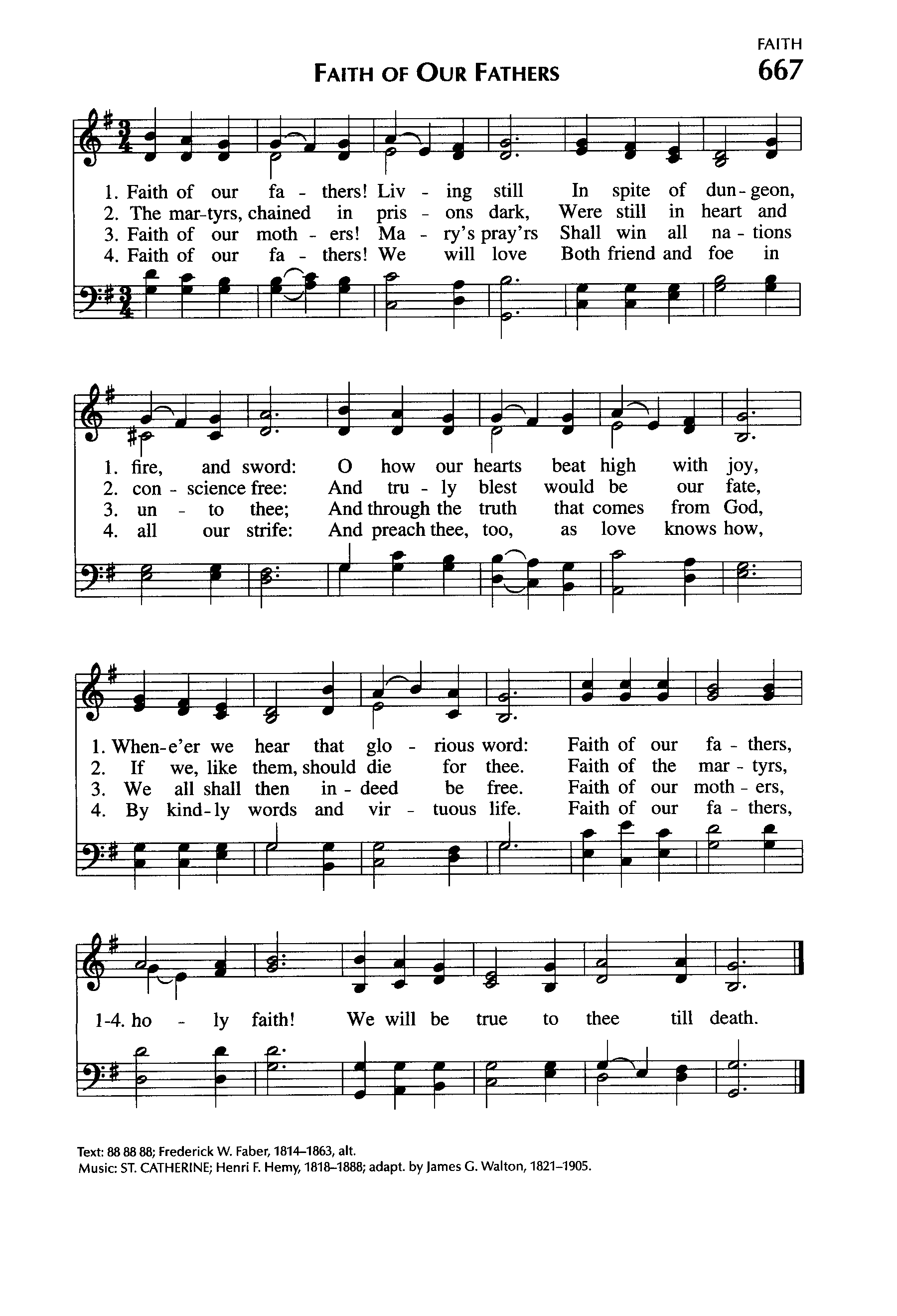
Faith of Our Fathers
-
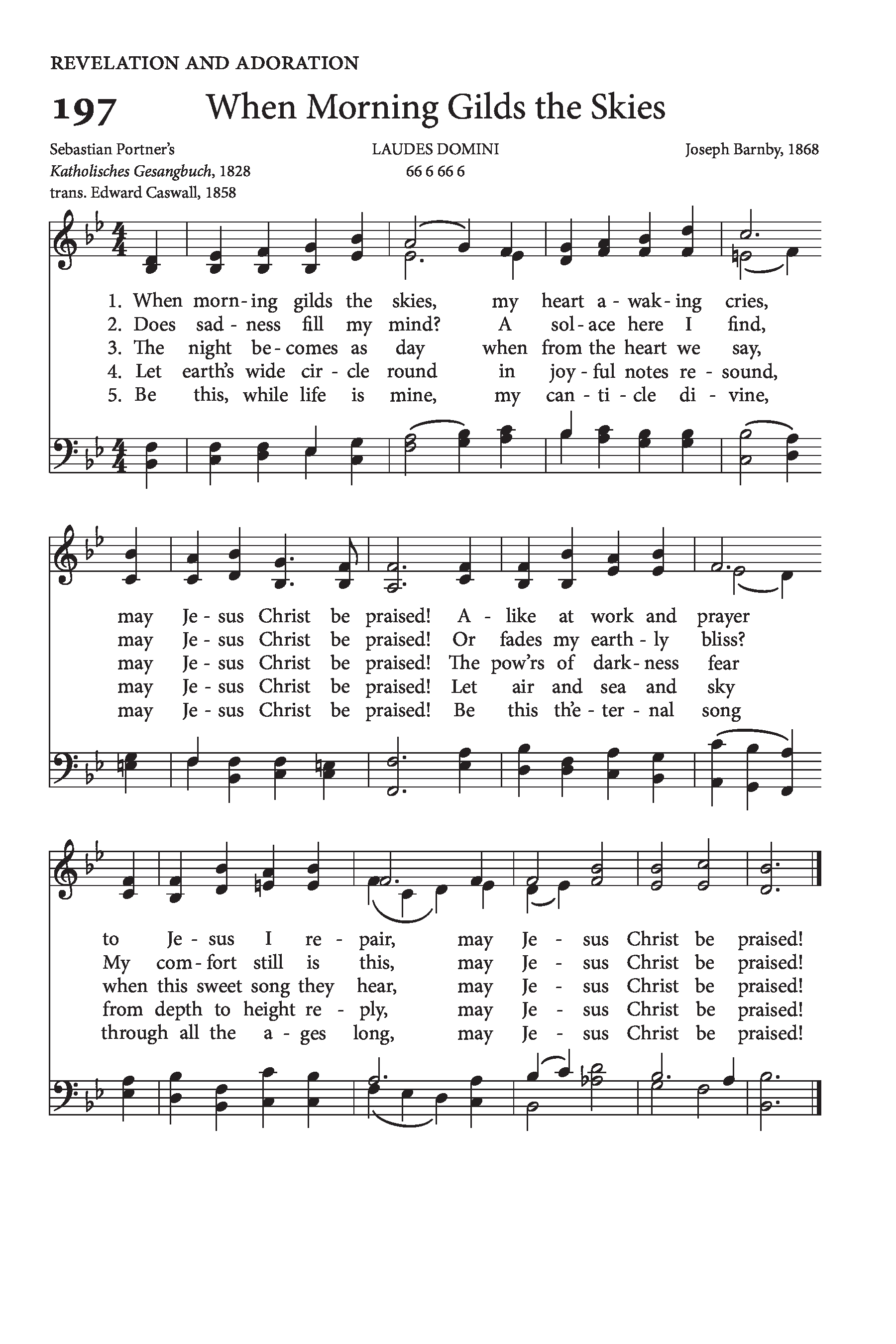
When Morning Gilds the Skies
-
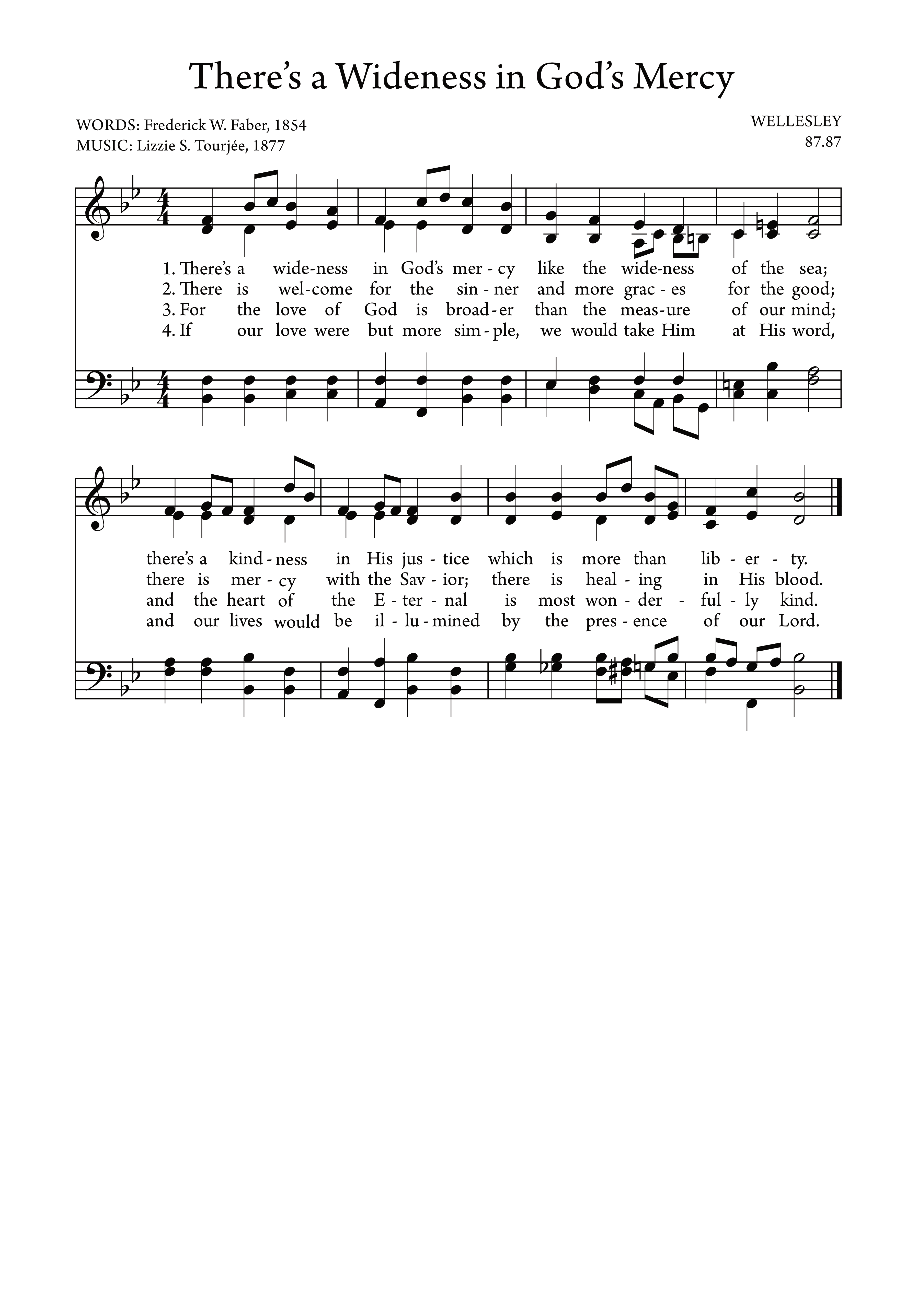
There's A Wideness In God's Mercy
-
See, amid the Winter's Snow
-
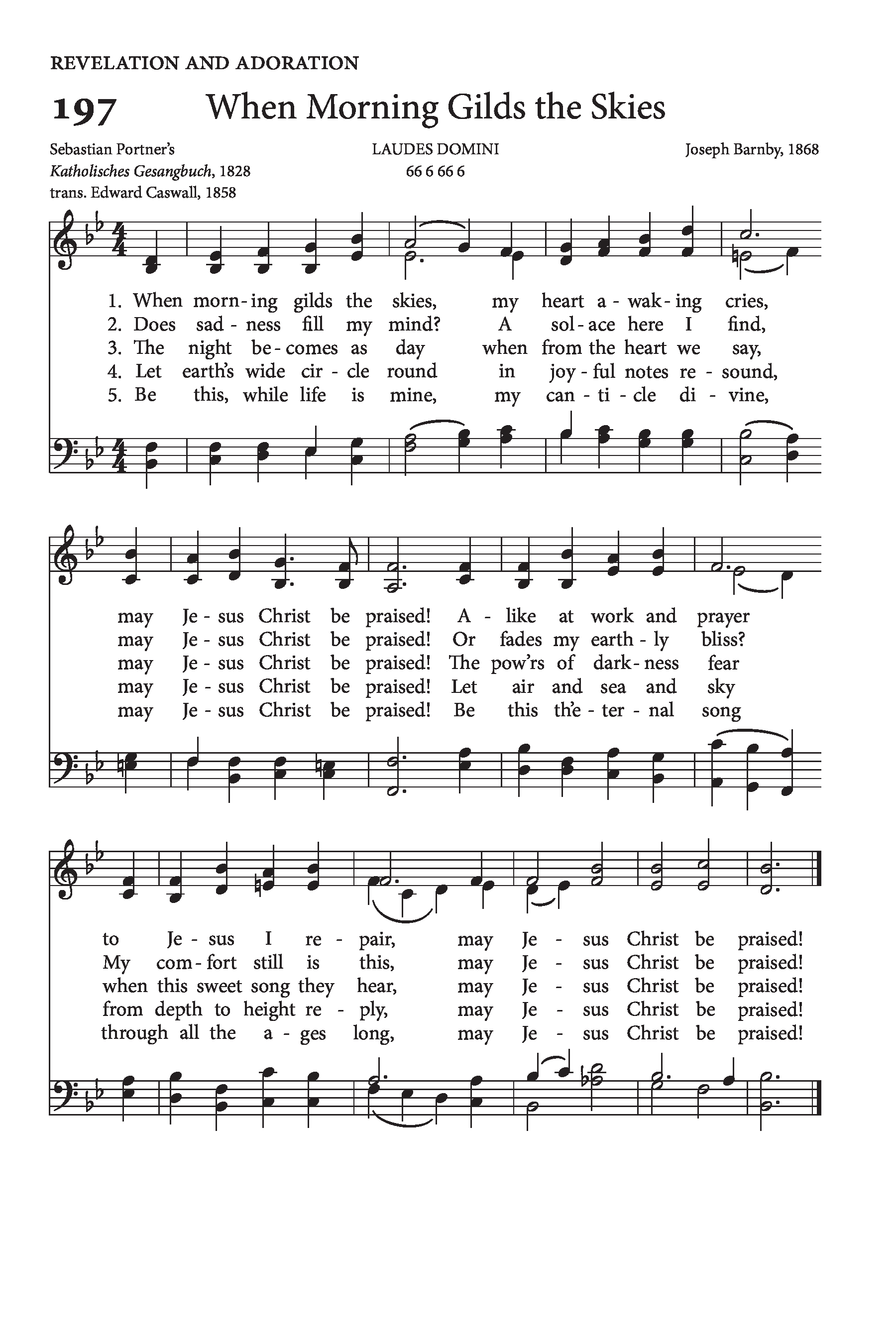
 May Jesus Christ Be Praised
-
Hark! hark, my soul! angelic songs are swelling
-
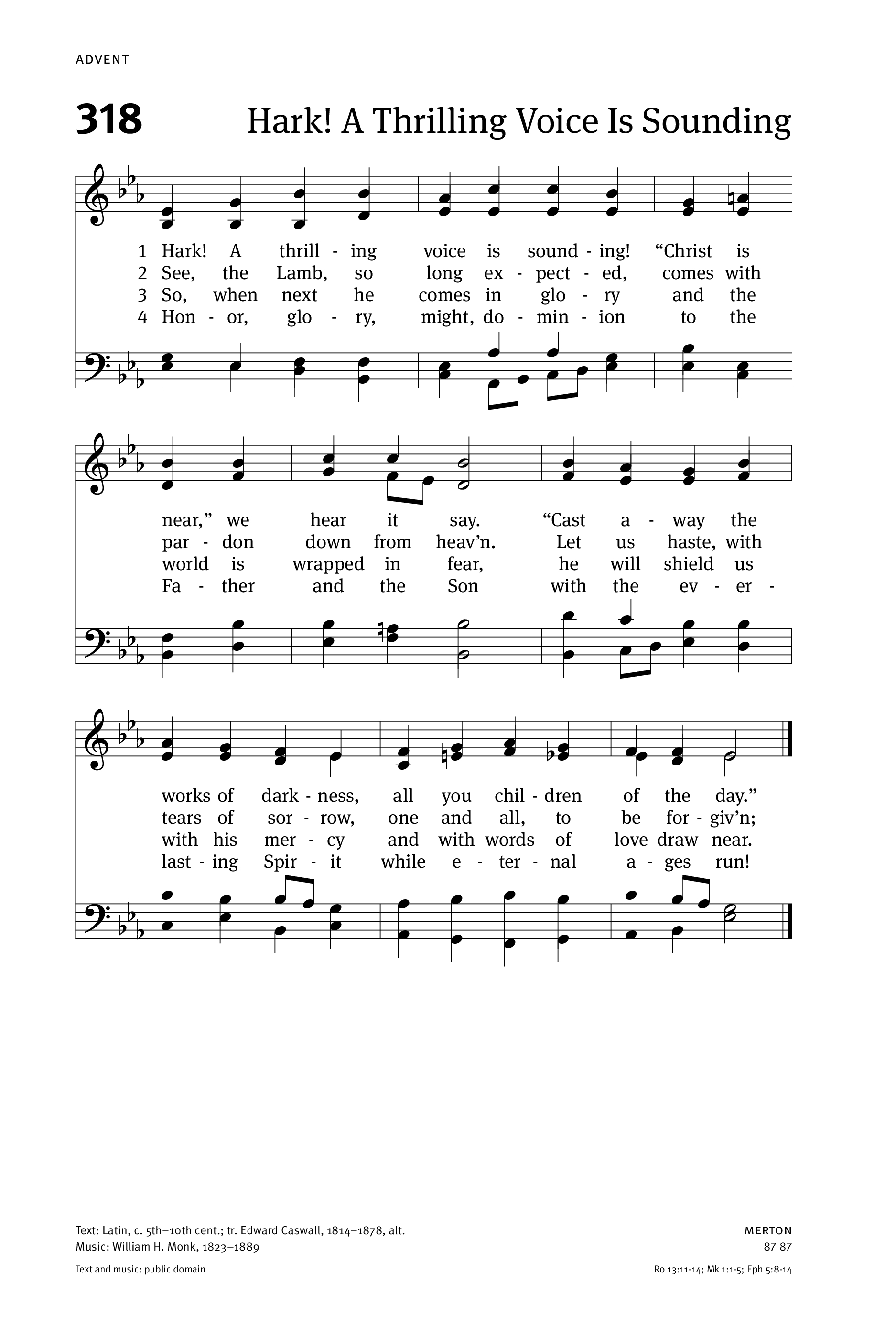
Hark! a Thrilling Voice Is Sounding
-
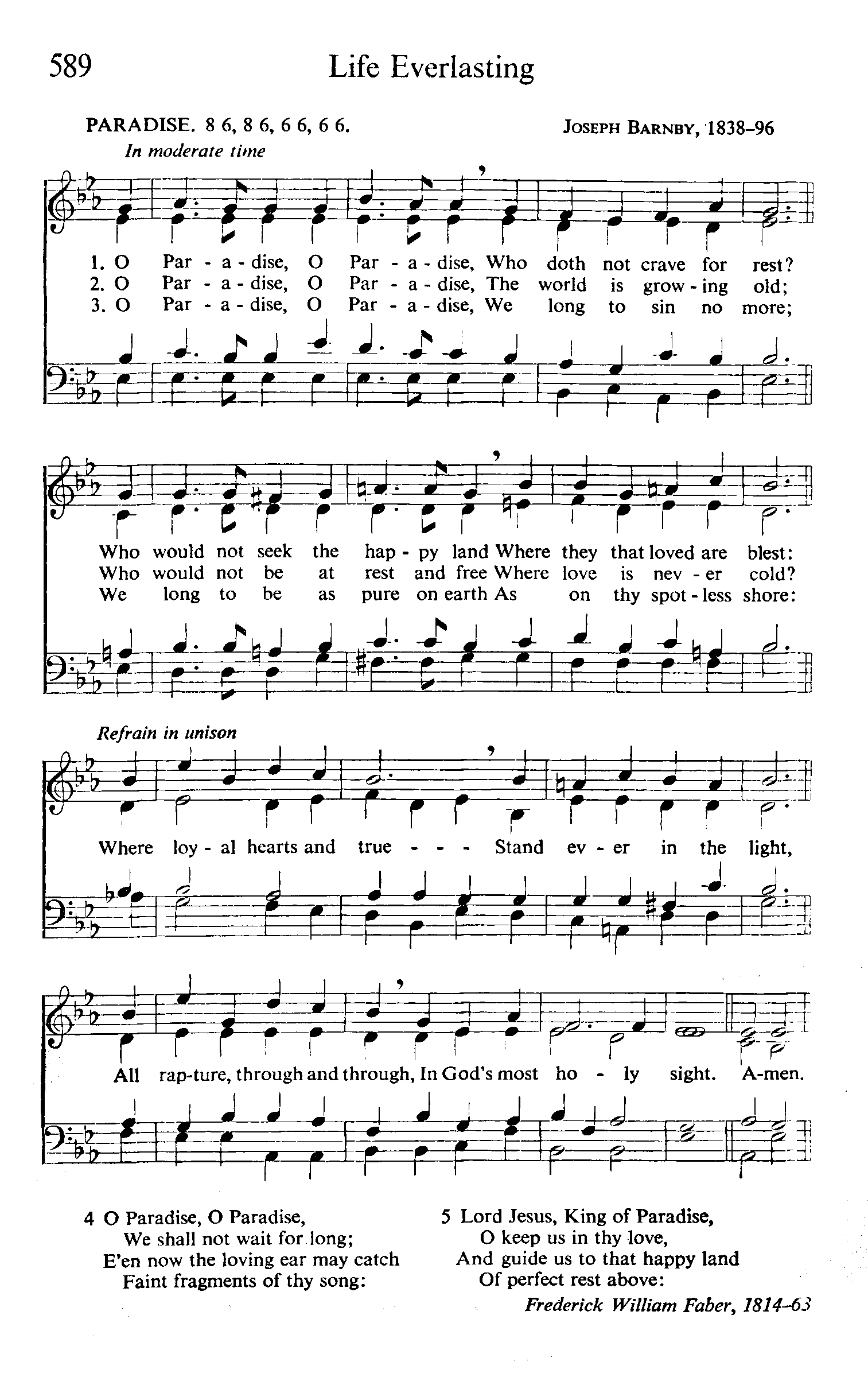
O Paradise, O Paradise
2 more related hymns below in the sheet gallery.
Related Hymn Sheets
3 shown at a time — use the arrows to browse all 10 sheets.
Related Authors
Writers connected to this dictionary topic.
Keywords
Related terms for this dictionary entry.
Recent Dictionary Entries
Newly added terms from the Dictionary of Hymnology.
If you notice any mistake or have suggestions, please contact us on our contact page.