
"Adsis superne Spiritus, Pater benigne pauperum" is an anonymous Latin hymn written for Whitsuntide (Pentecost). It was introduced in the revised Paris Breviary of 1736, where it was appointed for use at Compline during Whitsuntide.
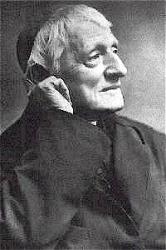
The full Latin text was later made accessible to English hymnologists through its inclusion in Cardinal John Henry Newman's Hymni Ecclesiae (published in 1838 and reissued in 1865).
The hymn was translated into English during the nineteenth century, producing two versions that entered common congregational use:
-
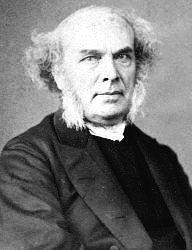
"Haste hither, Heavenly Spirit": Translated by William John Blew in five four-line stanzas. It was initially printed on a broadsheet around 1850 for use in his church before appearing in his Church Hymn and Tune Book (1852). In 1870, it was selected for inclusion in the collection compiled by Rev. C. I. Rice.
-
"O Holy Spirit, God most High": Translated by William Cooke specifically for The Hymnary (1872, No. 327), rendered in five stanzas of four lines.
Additionally, several translations were made for private devotional use or literary collections without entering widespread hymnal use:
-
"Hail, Father of the poor": Translated by Isaac Williams in his Hymns Translated from the Parisian Breviary (1839).
-
"Come, Thou heavenly Spirit pure": Translated by J. F. Thrupp (1853).
-
"Come, heavenly Spirit, come": Translated by Horatius Bonar in his Hymns of Faith and Hope (1861).
-
"Come, O Spirit, graciously": Translated by E. L. Blenkinsopp (1864).
Related Hymns
Hymns in the library connected to this dictionary topic.
Related Hymn Sheets
3 shown at a time — use the arrows to browse all 3 sheets.
Related Authors
Writers connected to this dictionary topic.
Keywords
Related terms for this dictionary entry.
Recent Dictionary Entries
Newly added terms from the Dictionary of Hymnology.
If you notice any mistake or have suggestions, please contact us on our contact page.