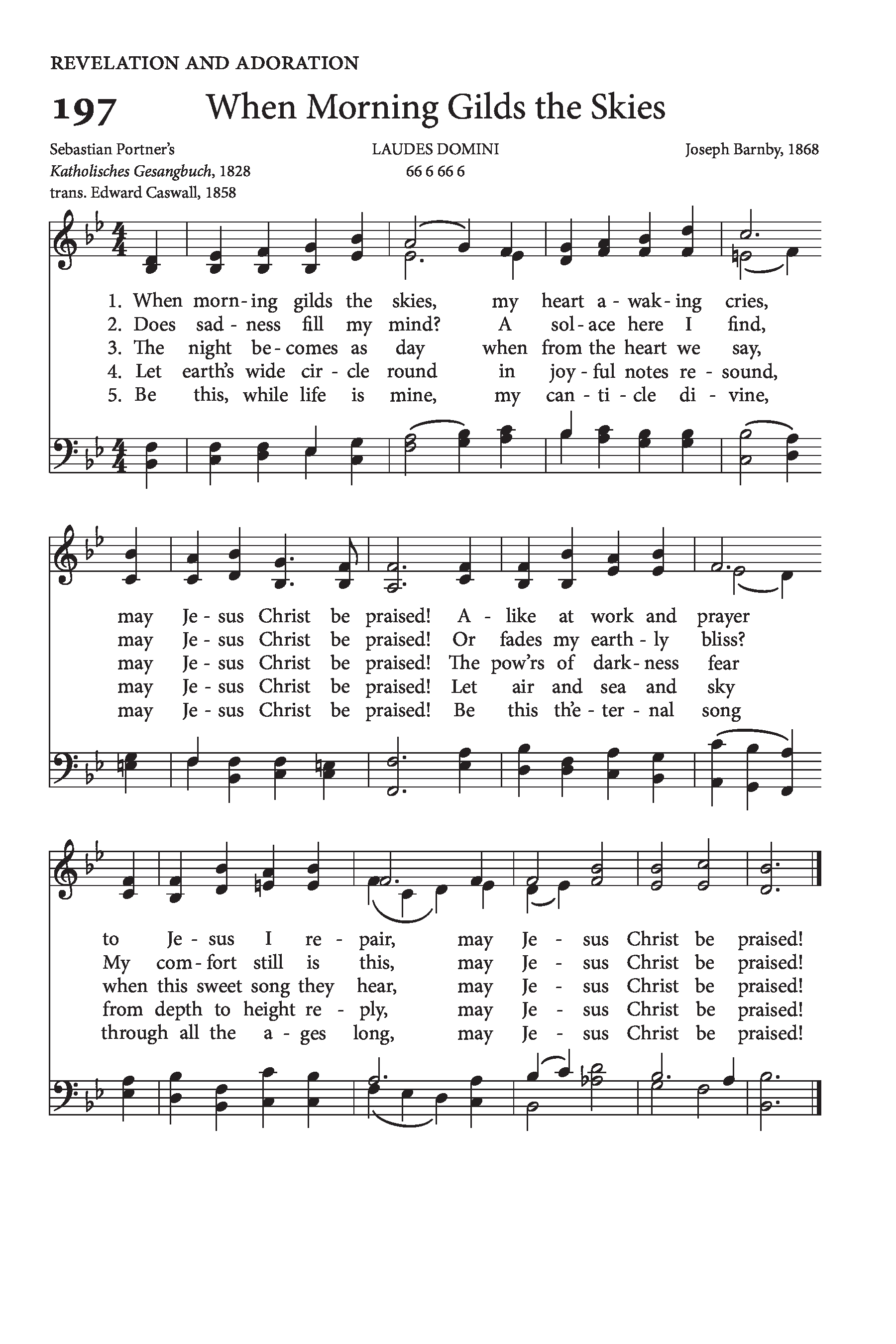

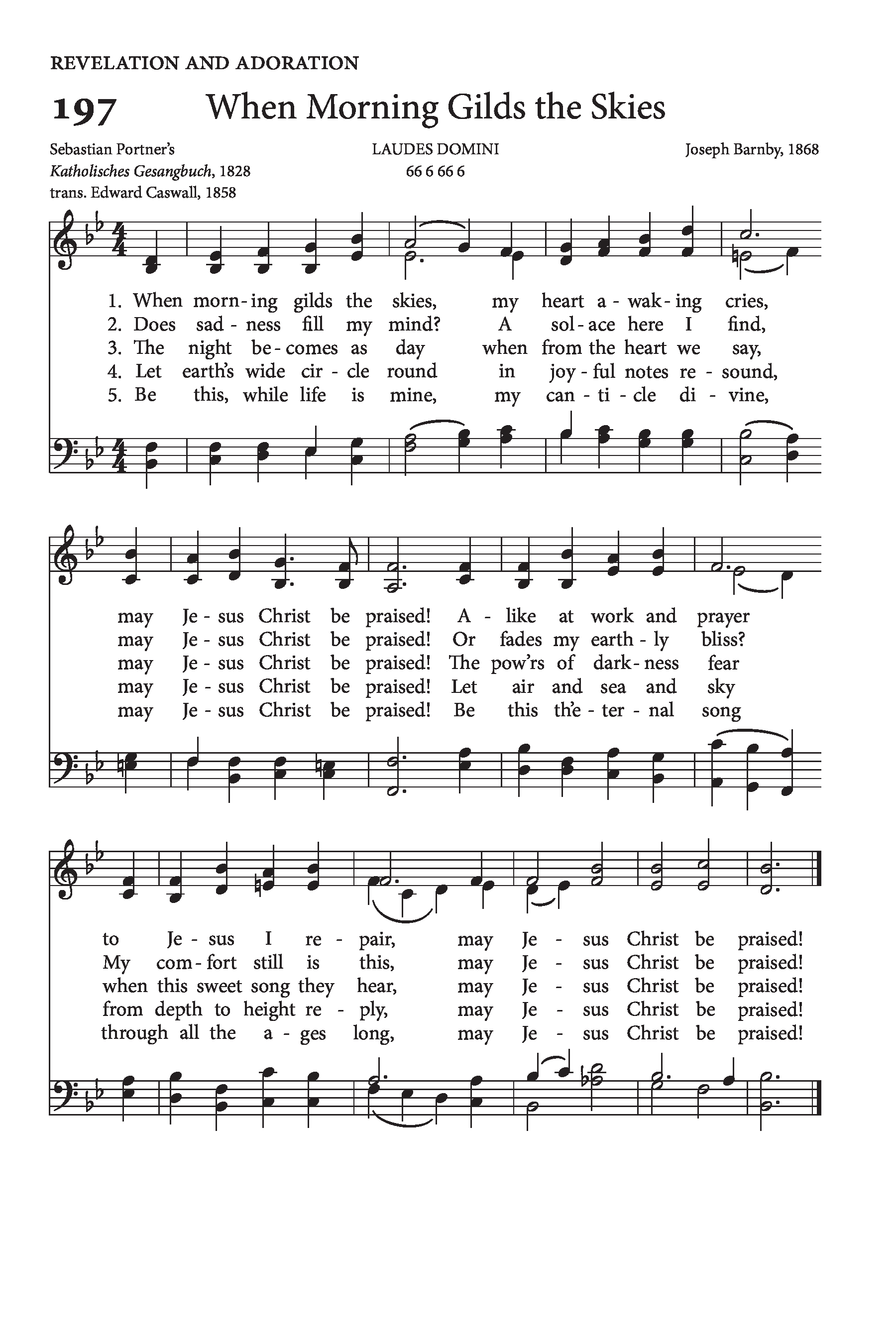
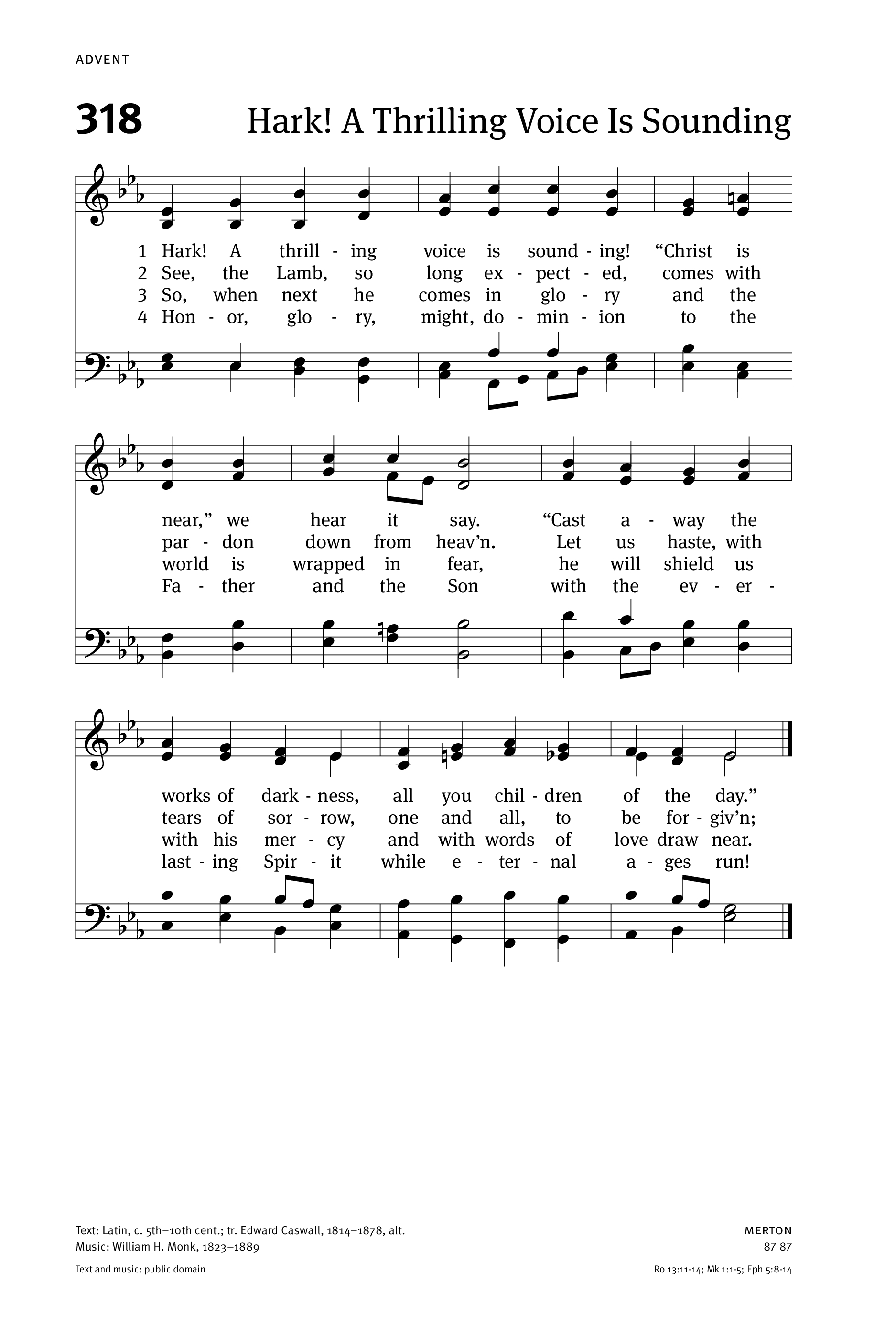
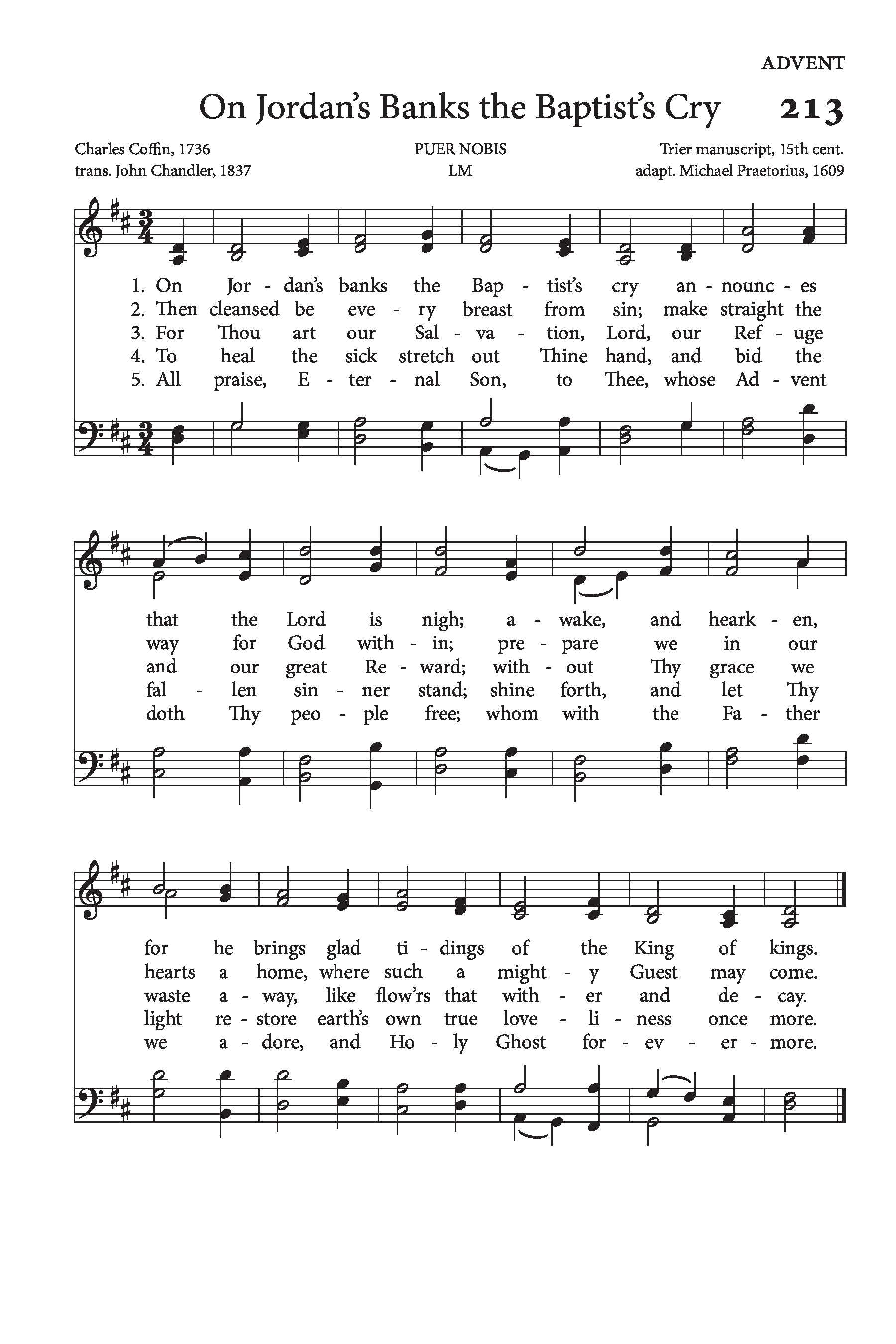


The Latin dawn hymn "Ad templa nos rursus vocat" was composed by Charles Coffin for the Sunday morning service. It was first published on page 8 of his Hymni Sacri (Paris, 1736) under the liturgical rubric Die Dominica ad Laudes Matutinas.
During the same year, Archbishop Charles de Vintimille oversaw the comprehensive liturgical reform that produced the revised Paris Breviary of 1736. Coffin's text was formally adopted within this volume as the proper hymn for Sunday Lauds. The hymn subsequently achieved widespread regional use, finding its way into the Lyons Breviary and several other modern French municipal breviaries. For nineteenth-century scholars, the Latin text was famously reprinted by Cardinal John Henry Newman on page 2 of his Hymni Ecclesiae (1838).
Translations in Common Use
The text entered the English language during the mid-nineteenth century through several competing versions, primarily driven by translators working within the Oxford Movement:
The earliest translation, "Morning lifts her dewy veil," was executed by Isaac Williams. It was first printed in the British Magazine in 1834 (Volume V, page 28) across 9 stanzas of 4 lines. Williams later reissued the full translation in his influential volume, Hymns Translated from the Parisian Breviary (1839).
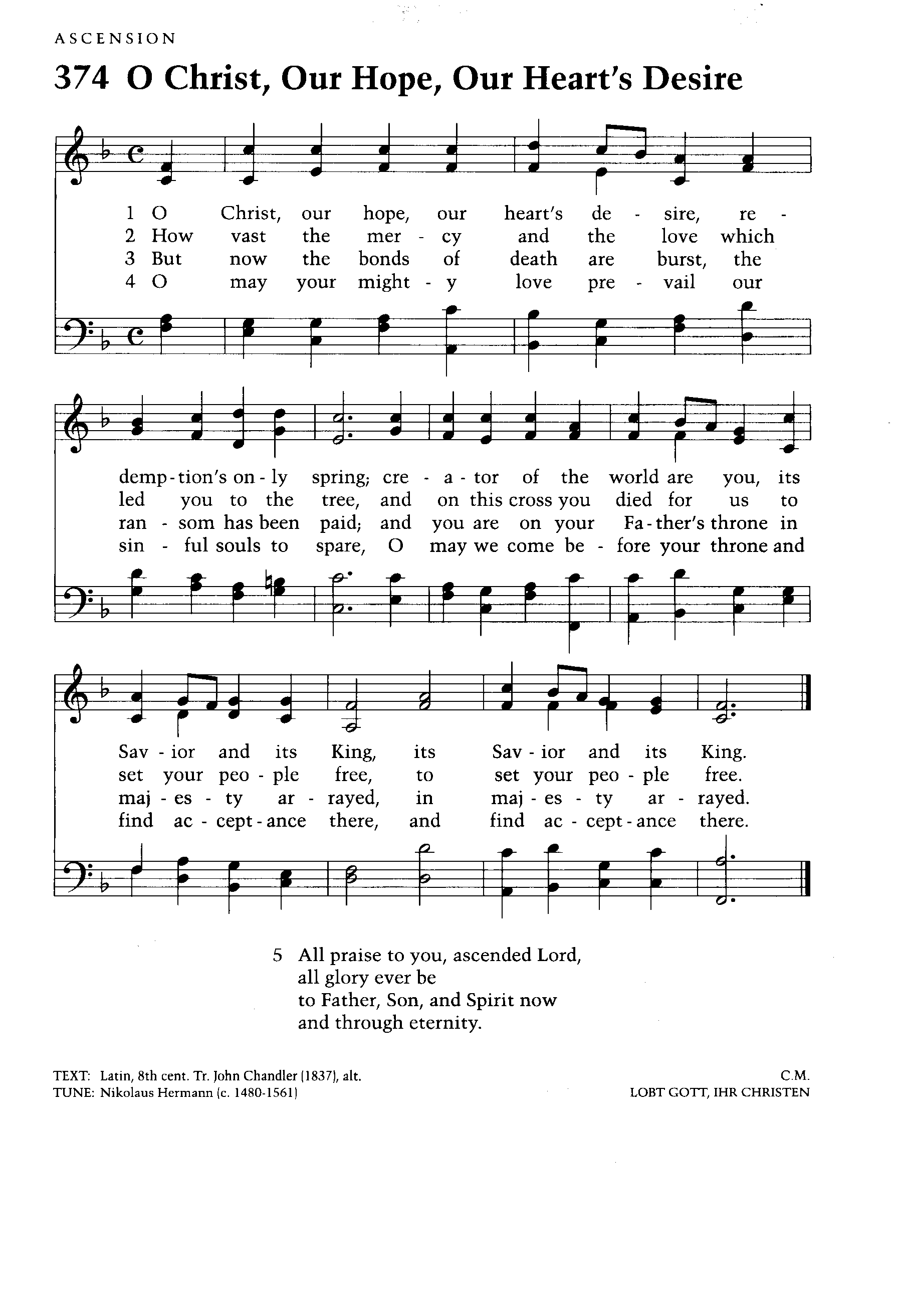
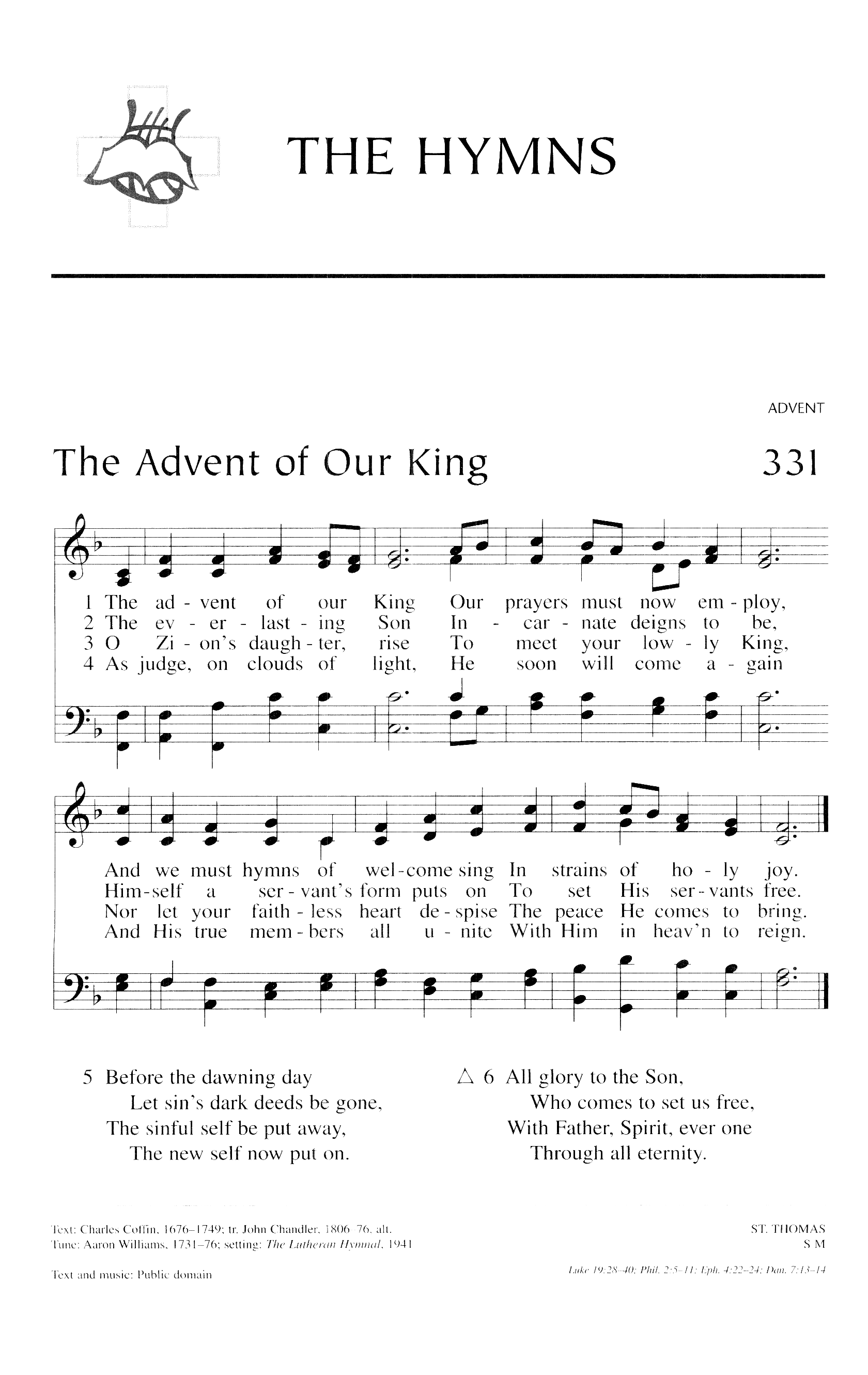
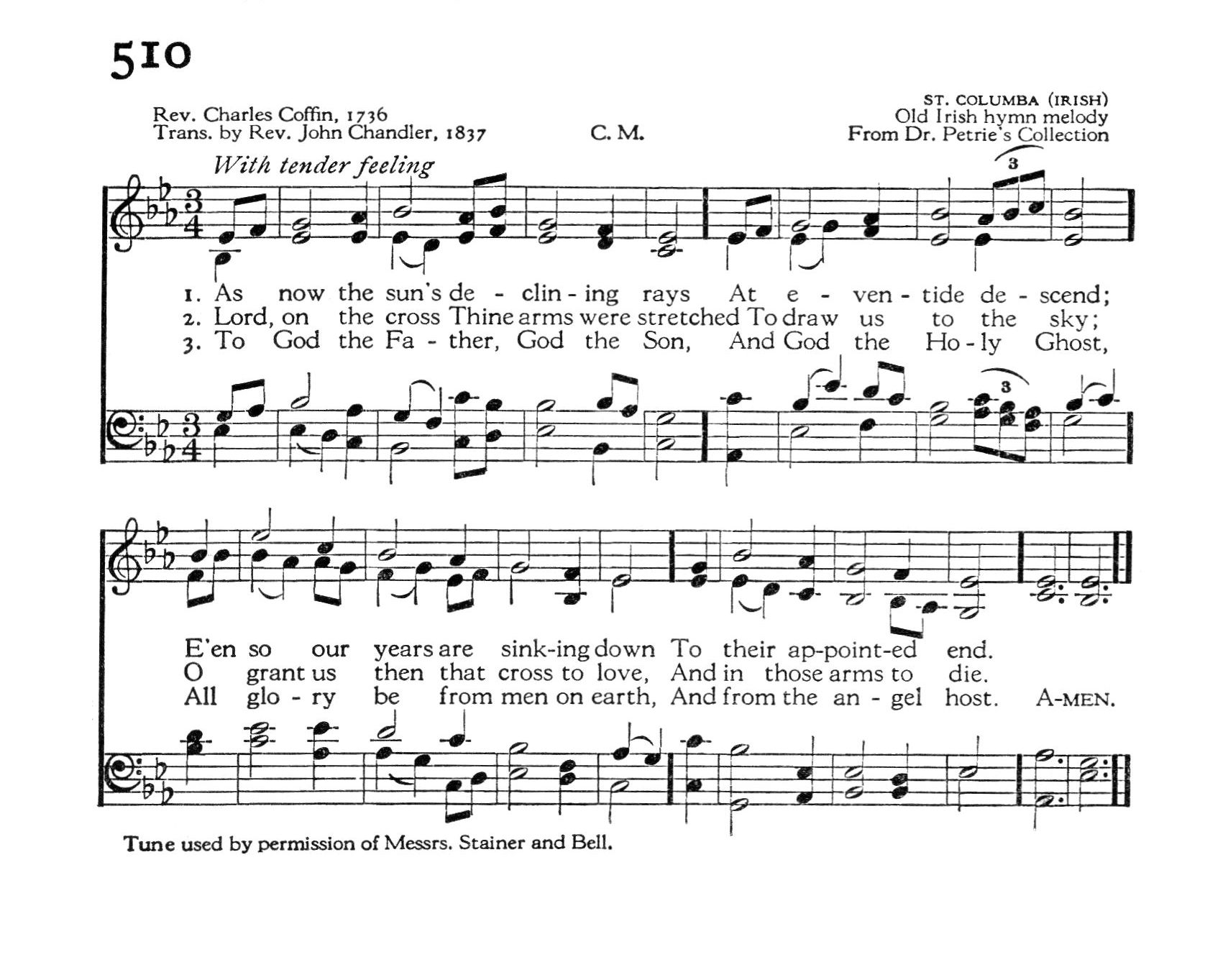
John Chandler relied heavily on Williams's work to construct his own popular version, "Now morning lifts her dewy veil," published in his Hymns of the Primitive Church (1837). In his preface, Chandler noted that he ventured to take the largest portion of the hymn from the translation in the British Magazine, which still shone forth despite his alterations. Chandler's text became the most widely adopted version of the hymn. The full 9-stanza text was reprinted in William Mercer's Church Psalter and Hymn Book (1864) and The Sarum Hymnal (1868). A popular abbreviated arrangement omitting stanzas seven and eight was featured in Richard Robert Chope’s Congregational Hymn Book (1864) and Godfrey Thring’s Church of England Hymn-Book (1882).
Edward Caswall prepared a translation titled "Again the Sunday morn" for his Lyra Catholica (1849), reprinting it later in Hymns and Poems (1873). While Caswall's original wording saw limited use, a slightly altered version titled "Again the holy morn" gained broad acceptance across multiple denominations. This altered form was included as entry Number 7 in The Hymnary (1872) and as entry Number 83 in the Roman Catholic collection Hymns for the Year.
A distinct variation based on Caswall's translation appeared under the first line "When first the world sprang forth" in Benjamin Hall Kennedy’s Hymnologia Christiana (1863). This specific adaptation is attributed to Kennedy himself and did not circulate outside his collection.
Gilbert Rorison authored an independent translation, "Again the dawn gives warning meet," for his Hymns and Anthems (1851). The structure consisted of 4 stanzas of 8 lines and an additional 4-line closing stanza, which remained a fixture in later editions of his book.
Historical Translations
A single nineteenth-century version by John David Chambers failed to win a place in congregational hymnals, remaining confined to his private literary collection:
-
1857: "Once more the beams of orient light" — Published in Chambers's Lauda Syon.
Related Hymns
Hymns in the library connected to this dictionary topic.
Related Hymn Sheets
3 shown at a time — use the arrows to browse all 8 sheets.
Related Authors
Writers connected to this dictionary topic.
Keywords
Related terms for this dictionary entry.
Recent Dictionary Entries
Newly added terms from the Dictionary of Hymnology.
If you notice any mistake or have suggestions, please contact us on our contact page.