
Charles Wesley's "A thousand oracles divine" stands out in Christian hymnody as one of the most explicitly dogmatic assertions of Trinitarian theology ever written for congregational singing.
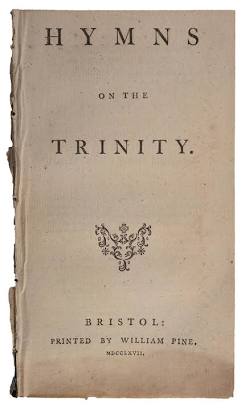
The hymn was originally published as Number XVII in the "Hymns and Prayers to the Trinity" section of Wesley's Hymns on the Trinity (1767), spanning pages 100 and 101. Written in 4 stanzas of 8 lines each, it was later integrated into the foundational Wesleyan Hymn Book (1780). For the 1780 edition, a minor textual modification was introduced in the sixth line of the first stanza, shifting the phrase "His hosts" to "the hosts."
From this core collection, the hymn spread extensively throughout the primary hymnals of various Methodist bodies across the English-speaking world, though it has historically remained quite rare in the collections of other denominations.
Beyond its strict theological framework, the text is notable for its deliberate literary borrowing from Edward Young's celebrated blank-verse poem, Night Thoughts. Wesley adapted two distinct phrases directly from Night IV of Young's work: "The Friend of earth-born man" (line 603) and "For heaven's superior praise" (line 440), seamlessly weaving contemporary eighteenth-century religious poetry into his liturgical framework.
The complete original text can be found preserved in the Poetical Works of John and Charles Wesley (1868 to 1872), specifically within volume VII, pages 312 and 313.
Related Hymns
Hymns in the library connected to this dictionary topic.
-
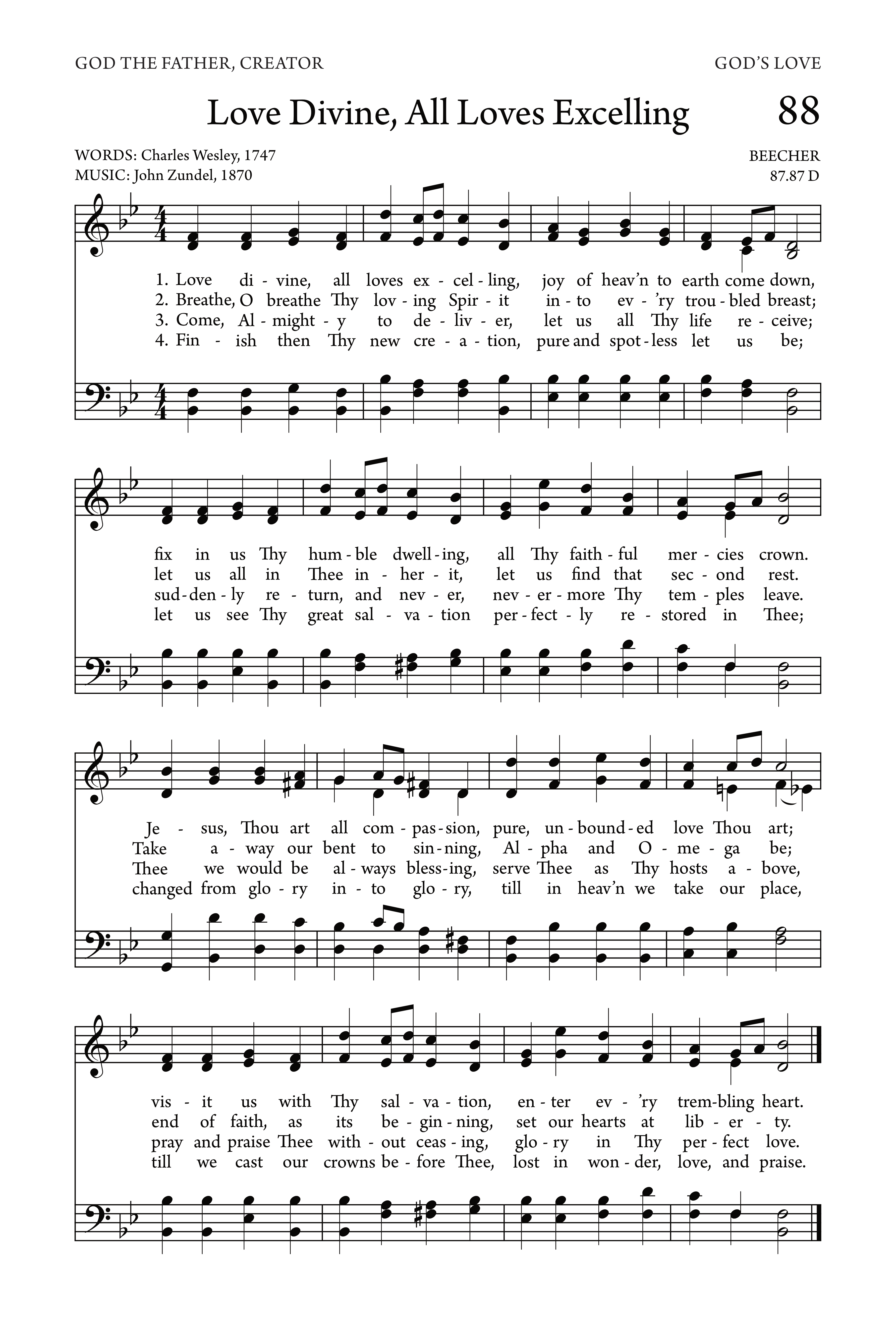
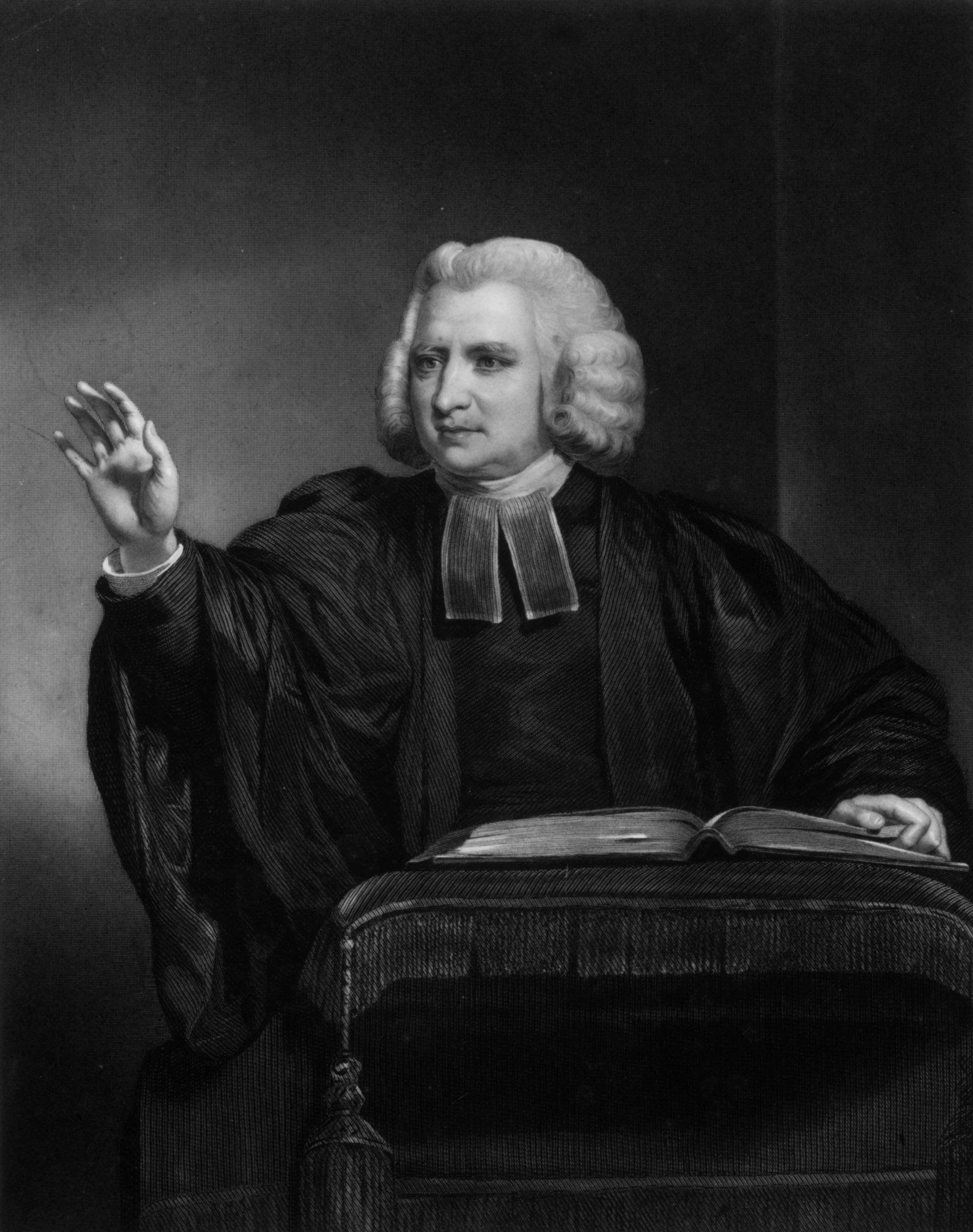 Love Divine, All Loves Excelling
-
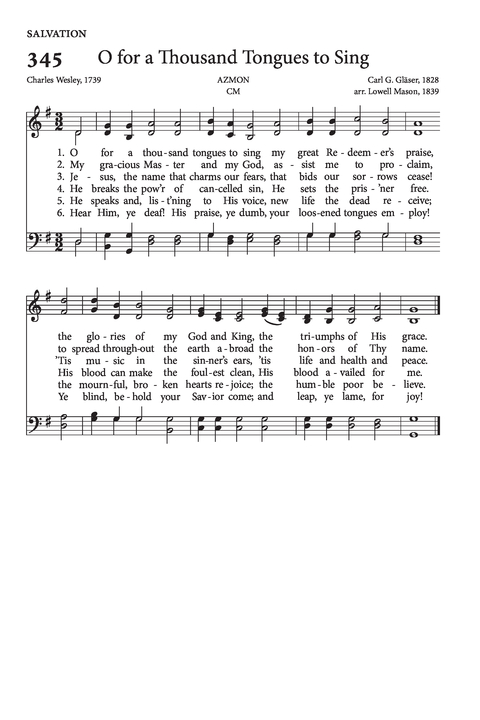
O For a Thousand Tongues to Sing
-
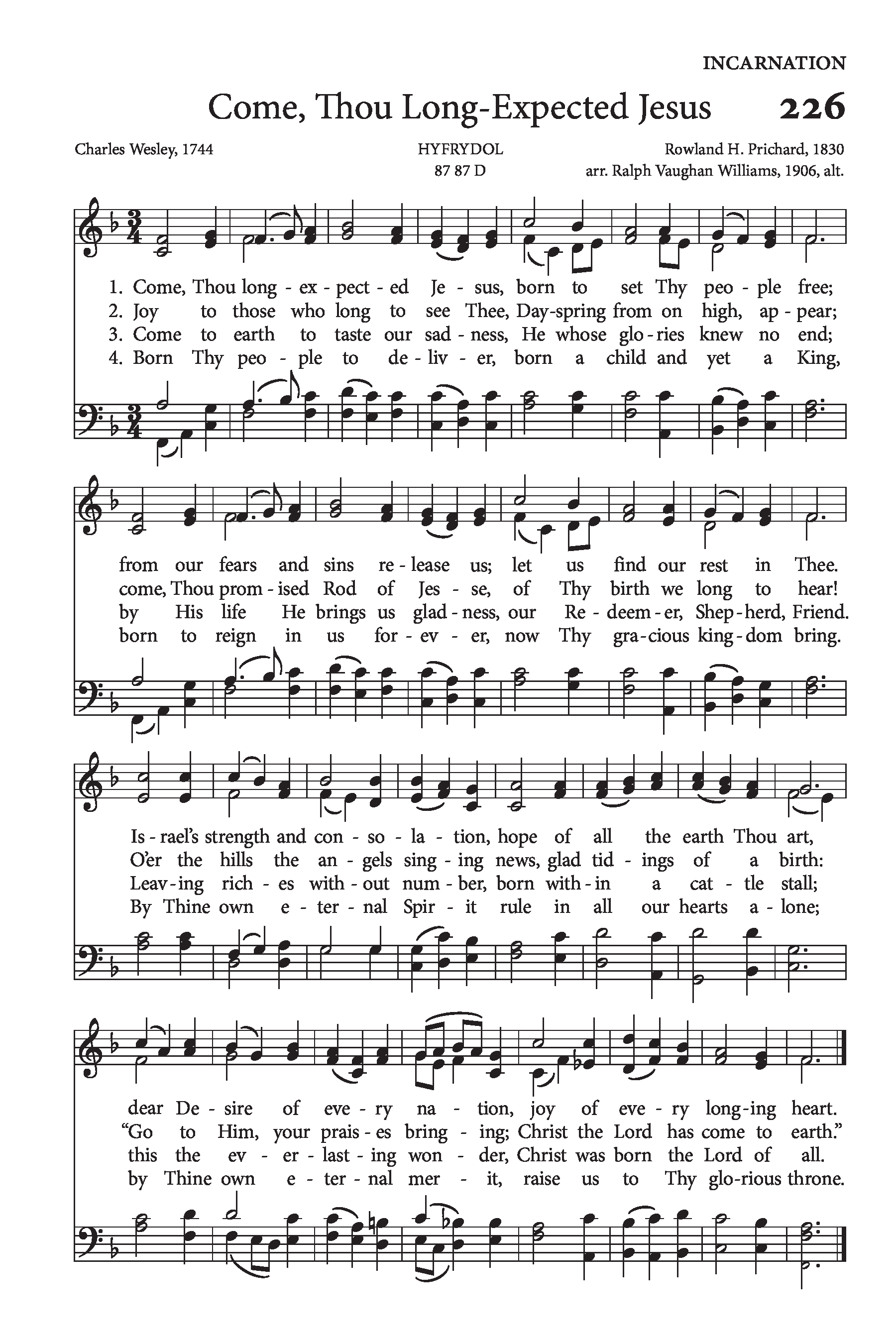
Come, Thou Long Expected Jesus
-
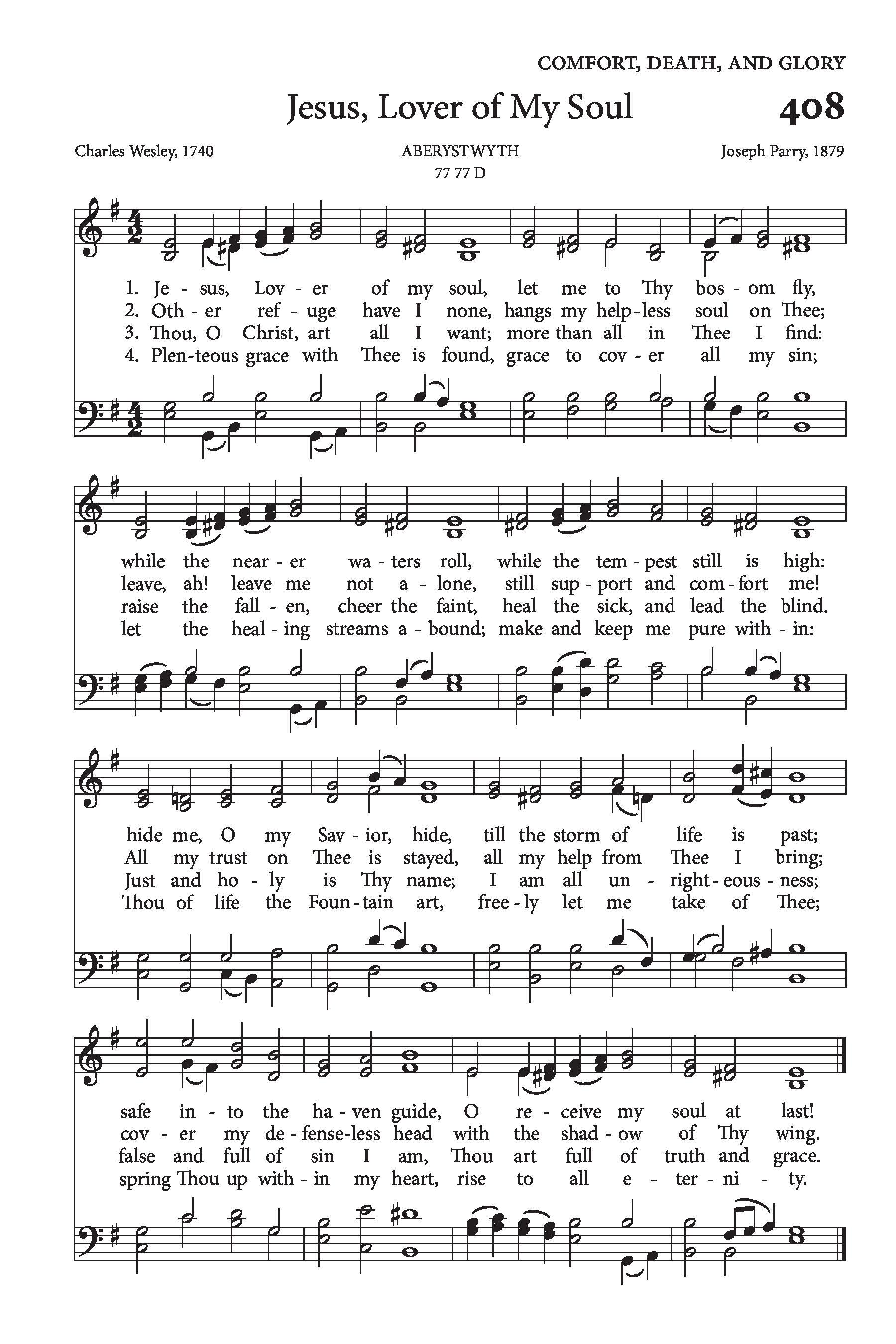
 Jesus, Lover of My Soul
-
 Hark! The Herald Angels Sing
-
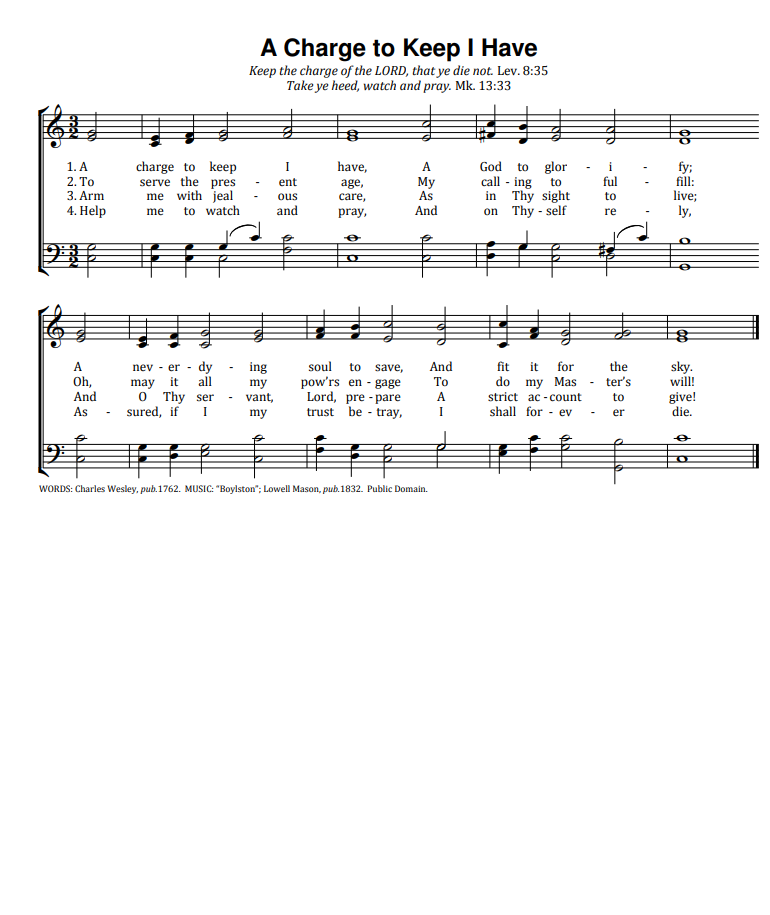
A Charge to Keep I Have
-
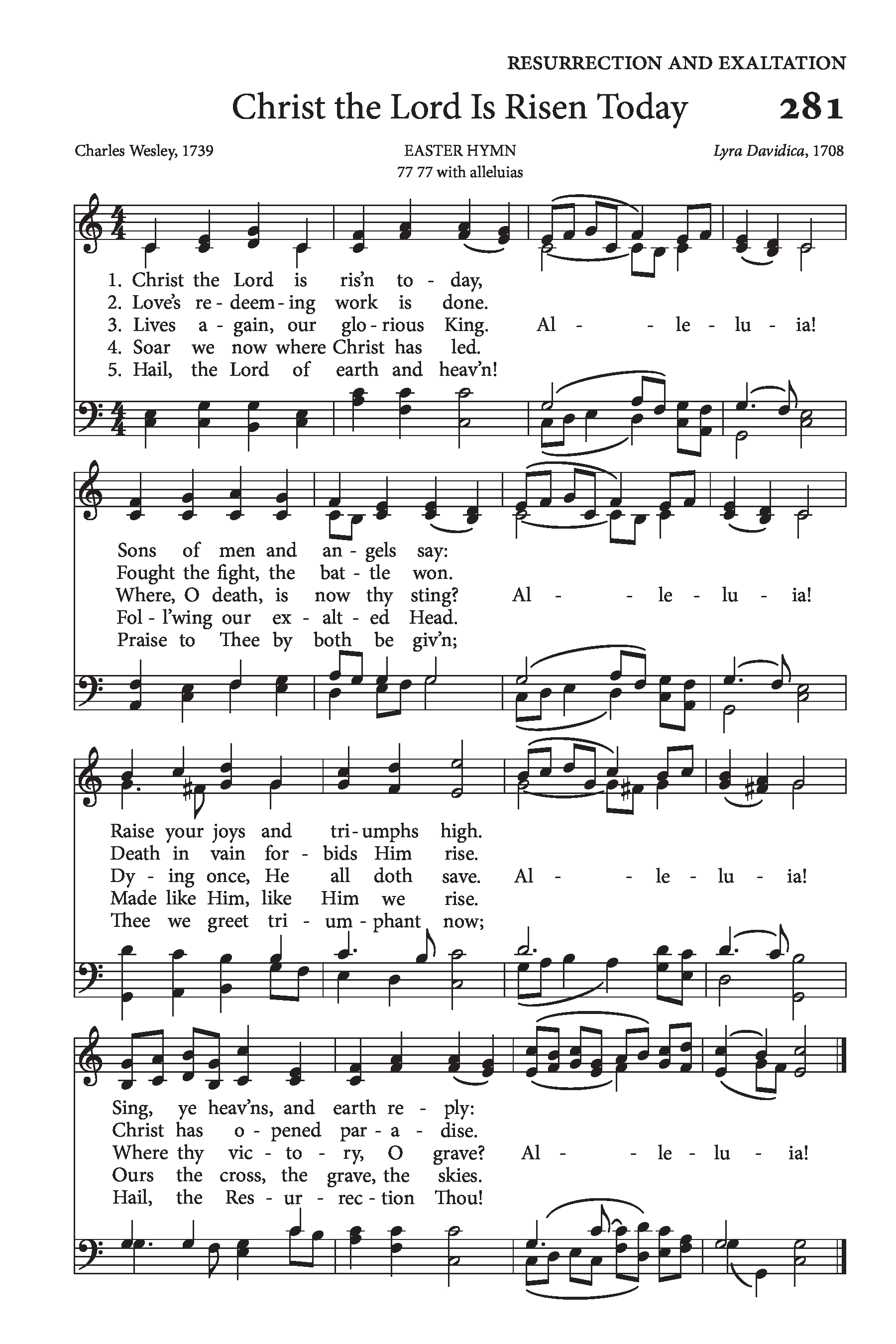
 Christ the Lord is risen today
-
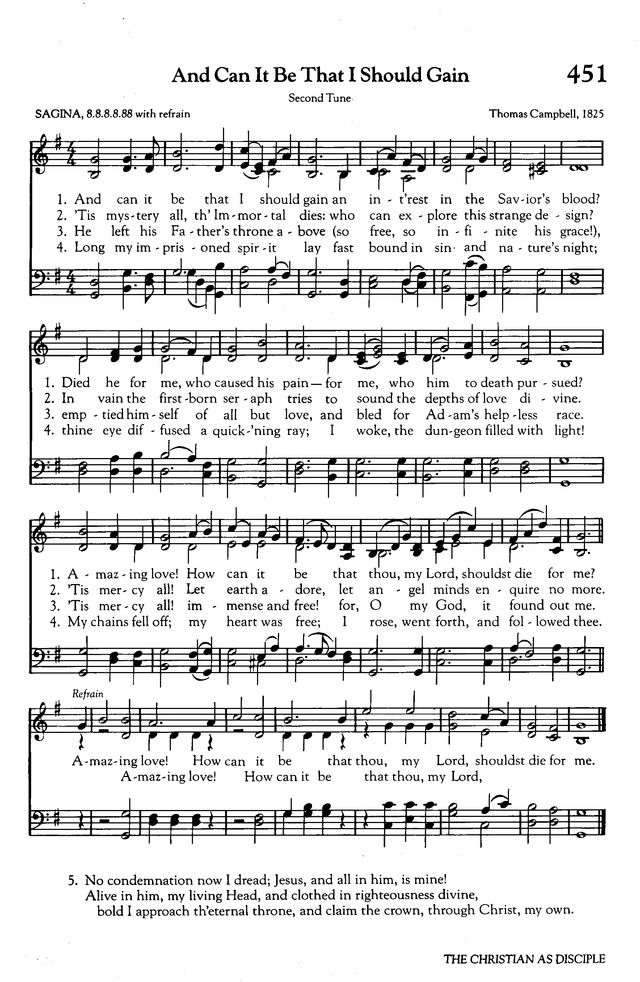
 And Can It Be That I Should Gain?
16 more related hymns below in the sheet gallery.
Related Hymn Sheets
3 shown at a time — use the arrows to browse all 24 sheets.
Related Authors
Writers connected to this dictionary topic.
Keywords
Related terms for this dictionary entry.
Recent Dictionary Entries
Newly added terms from the Dictionary of Hymnology.
If you notice any mistake or have suggestions, please contact us on our contact page.