


What Is the Difference Between Psalms, Hymns…
1 day, 23 hours ago
Golden Harps Are Sounding
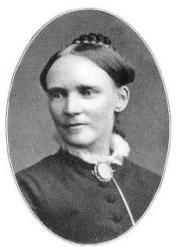
By Frances R. Havergal (1871)
Lyrics
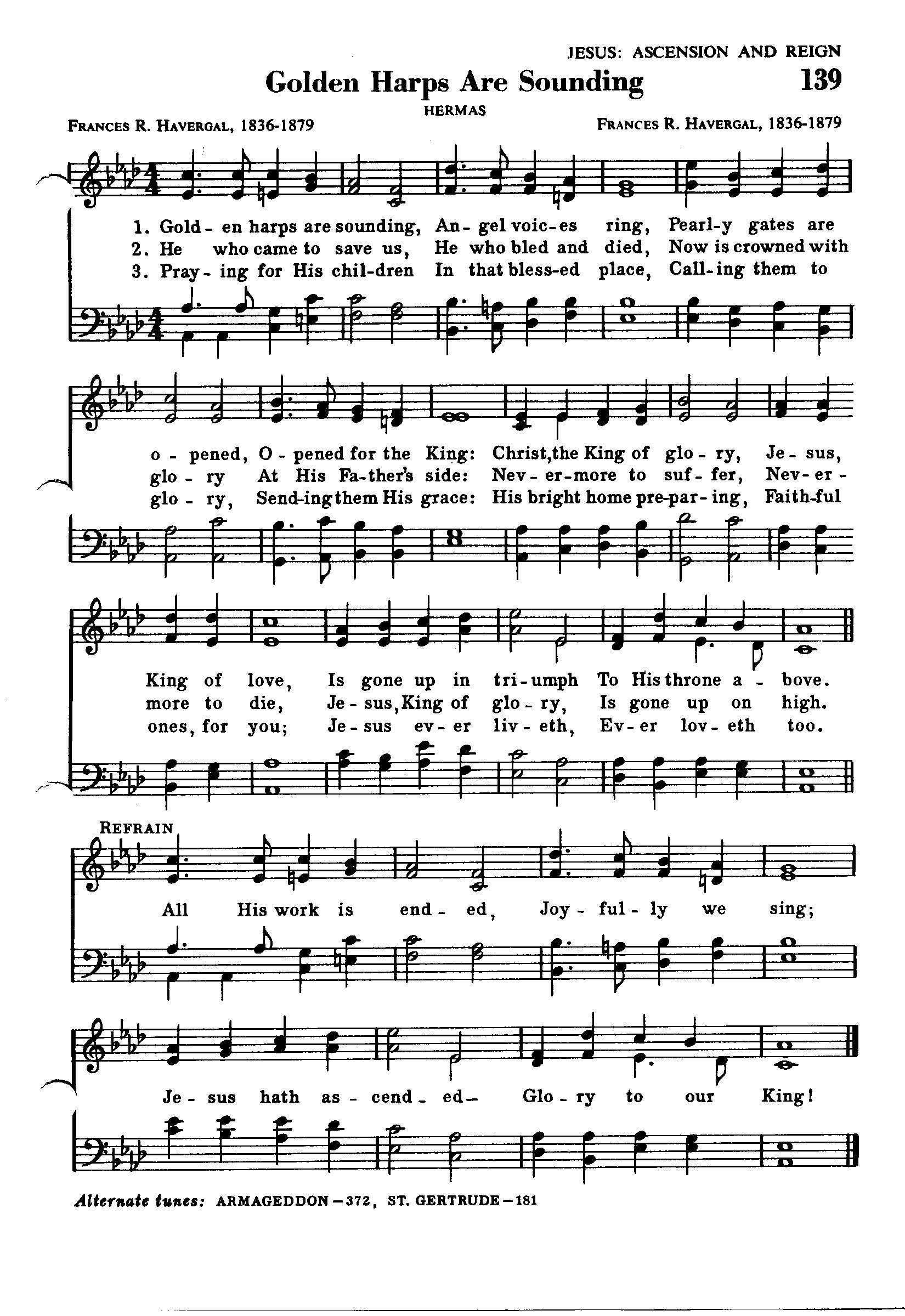
1. Golden harps are sounding, angel voices ring,
pearly gates are opened, opened for the King:
Christ, the King of glory, Jesus, King of love,
is gone up in triumph to his throne above.
pearly gates are opened, opened for the King:
Christ, the King of glory, Jesus, King of love,
is gone up in triumph to his throne above.
Refrain:
All his work is ended, joyfully we sing:
Jesus hath ascended: glory to our King!
All his work is ended, joyfully we sing:
Jesus hath ascended: glory to our King!
2. He who came to save us, he who bled and died,
now is crowned with glory at his Father's side.
Nevermore to suffer, nevermore to die,
Jesus, King of glory, is gone up on high. [Refrain]
now is crowned with glory at his Father's side.
Nevermore to suffer, nevermore to die,
Jesus, King of glory, is gone up on high. [Refrain]
3. Praying for his children in that blessed place,
calling them to glory, sending them his grace;
his bright home preparing, faithful ones for you;
Jesus ever liveth, ever loveth too. [Refrain]
calling them to glory, sending them his grace;
his bright home preparing, faithful ones for you;
Jesus ever liveth, ever loveth too. [Refrain]
Bible Reference
Psalm 24:7-10; Acts 5:31; Hebrews 9:24; Revelation 5:6
Lectionary & readings
Open today’s (or any date’s) assigned scriptures and find related hymns across church calendars. Useful when planning worship around this song’s themes or its Bible reference.
Hymn scripture: Psalm 24:7-10; Acts 5:31; Hebrews 9:24; Revelation 5:6
About This Hymn
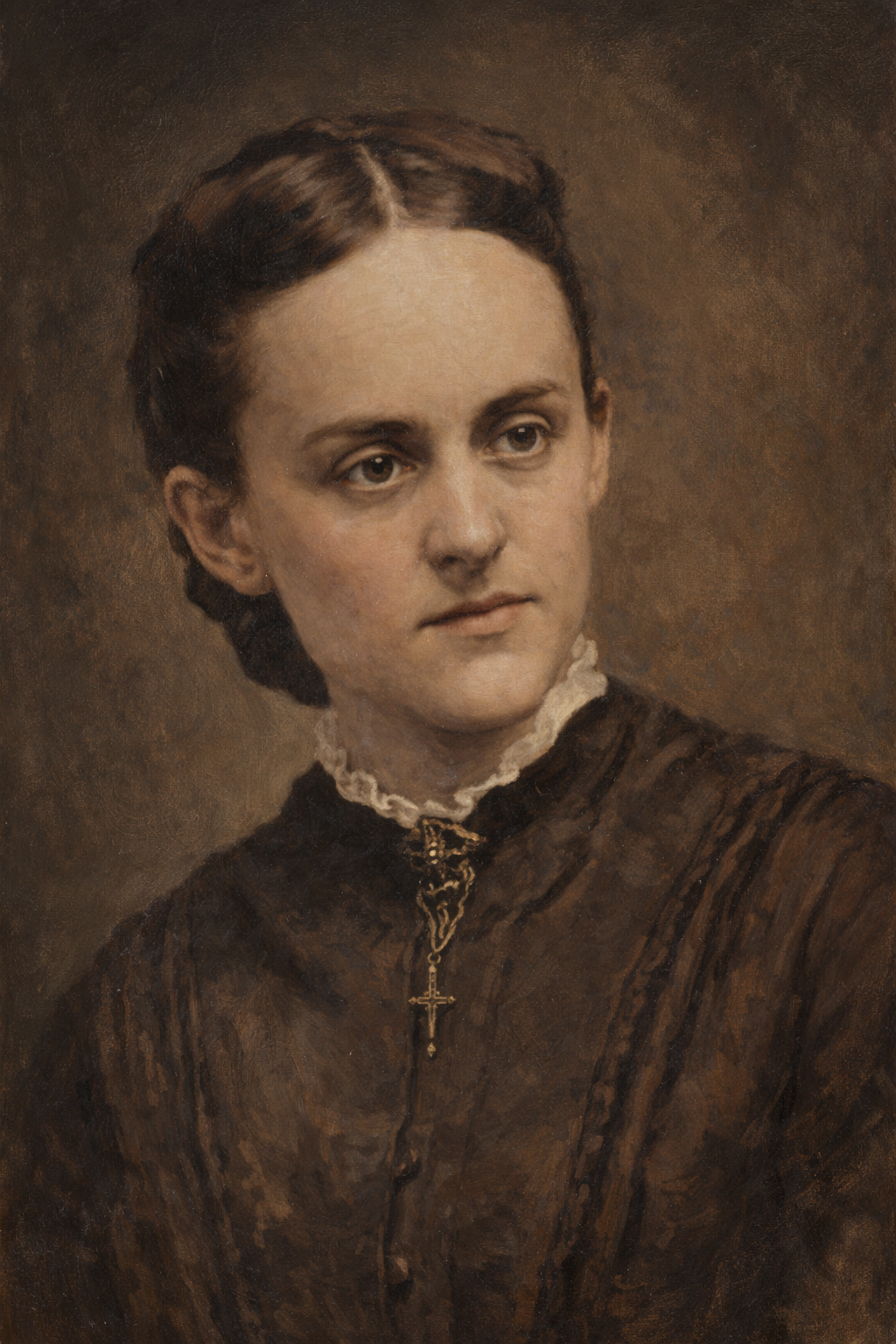
Golden Harps Are Sounding is an Ascension hymn by Frances Ridley Havergal, written in December 1871 at Perry Barr, England. The hymn celebrates the triumph of Jesus Christ following His resurrection and ascension into heaven. Its opening picture of golden harps and angel voices introduces a scene of heavenly rejoicing as the gates are opened to welcome the King. Havergal directs the attention of worshippers to Christ's exaltation, declaring Him to be the King of glory and the King of love. The hymn is particularly suitable for Ascension Day and other occasions when the Church remembers the risen Lord's return to the Father's presence.
The central theme is the completed saving work and exaltation of Jesus Christ. The refrain celebrates His ascension and calls the Church to rejoice in His victory. The first stanza presents Christ as the triumphant King who has entered His heavenly throne. The second recalls His earthly mission, His suffering, and His death, before turning to His present glory at the Father's side. His ascension is not presented as an isolated event, but as the glorious conclusion to His work of redemption and the beginning of His exalted reign. The hymn therefore connects the manger, the cross, the resurrection, and the heavenly throne in one account of Christ's saving mission.
The final stanza turns from Christ's past work to His continuing ministry for His people. Havergal describes Him as praying for His children, calling them to glory, extending His grace, and preparing a heavenly home. This reflects the biblical teaching that the ascended Christ is not absent from His people in the sense of being unconcerned with them. Hebrews 9:24 describes His appearing in the presence of God for us, while the hymn celebrates His continuing love and care. Its message offers comfort and hope to believers as they look forward to sharing in the glory of their risen and ascended Lord.
The tune HERMAS is especially associated with this hymn and was composed by Havergal herself in 1871. It gives the text a distinctive musical identity, joining its joyful character with a memorable refrain. ST. THERESA, composed by Arthur Sullivan, is another tune associated with the text in hymnary records. Together, these settings demonstrate that the hymn has been used with more than one musical arrangement. Golden Harps Are Sounding remains a joyful proclamation of Christ's ascension, kingship, heavenly ministry, and promised glory.
From the Dictionary of Hymnology
Related terms and concepts automatically matched to this hymn.
Golden harps are sounding Hymn
Frances Ridley Havergal’s Ascension hymn for children, pencilled at Perry Barr in December 1871 for her tune Hermas. Limited British use; great American popularity after 1872.
Read moreAnother called, another brought, &c. Hymn
Frances R. Havergal’s hymn of praise, written at Leamington on June 30, 1872, after a friend of hers decided to take Christ’s side.
Read moreAnother year is dawning Hymn
Frances R. Havergal’s New Year hymn, written in 1874 for leaflets and cards published by Caswell in 1875, in six stanzas of four lines.
Read moreStaff Visualizer
Open in MIDI StudioPowered by HTML MIDI PLAYER, MIDI FILE Made by Hymnal Library. · Study chords & lyrics in MIDI Studio
Want weekly hymns and devotionals?
⭐ Recommend This Hymn
Share this beautiful hymn with others
This hymn also appears in these hymnals
Click a spine to pull out the hymnal, then open it.
Hymns with the same subject
More hymns about Ascension, Heaven, Kingship of Christ
- Because He Lives - Bill & Gloria Gaither
- I'll Fly Away - Albert E. Brumley
- Christ Our King to Heaven Ascendeth - John H. Hopkins
- Holy, Holy, Holy! Lord God Almighty! - Reginald Heber
- Salvation Has Been Brought Down - Albert E. Brumley
- Battle Hymn of the Republic - Julia Ward Howe
- Heaven Came Down and Glory Filled my Soul - John W. Peterson
- When the Saints Go Marching In - Traditional English Hymns
More hymn subjects
Explore other themes across the library.
Hymns about Holy Spirit
Hymns about Peace
Hymns about Mission
Hymns about Encouragement
Hymns about Pentecost
Hymns about Nation
Hymns about Witnessing
Hymns about Sovereignty of God
Browse all subjects →
Latest Updated Hymnals
-
Open
 Book of Common Praise (BoCP1915)Updated 5 hours ago · 1915
-
Open
 The New Apostolic Church HymnalUpdated 2 weeks ago · 2008
-
Open
 400+ Christmas Carols Book: Sheet Music for PianoUpdated 2 weeks, 1 day ago · 2014
-
Open
 The Temple HymnalUpdated 2 weeks, 1 day ago · 1918
-
Open
 The Popular HymnalUpdated 2 weeks, 1 day ago · 1918
Hymn Information

Click a linked name to open their biography.
MIDI File
Popular Hymns
Recent Blog Posts



Popular Blog Posts
-
 Lessons from the Book of Haggai: Putting God…5 months, 1 week ago
-
 Easter vs Passover: How a Biblical Feast Bec…7 months, 1 week ago
-
 The Full Story of the Birth of Jesus Christ:…10 months, 4 weeks ago
-
 The 30 Most Famous Christmas Hymns and Carols1 year, 2 months ago
-
 The Story Behind the Hymn “Amazing Grace”10 months, 3 weeks ago
Visit Us on Social Media
Latest from X (Twitter)
Tweets by HymnalLibraryLatest from Facebook
Latest on YouTube
Loading latest video...
Daily Bible Verse
Disclaimer
The hymns, sheet music, MIDI files, and related content on this website are provided for educational and research purposes only.
- Public Domain: Many of the hymns featured here are in the public domain and may be freely used.
- Copyrighted Works: Some hymns may still be under copyright protection. Where applicable, permission has either been requested from the copyright owner, or the content is shared under the principles of fair use for educational purposes.
⚠️ Important Notice: If you wish to reproduce, distribute, or use any copyrighted hymn beyond personal study or educational use, you must obtain permission directly from the copyright holder. This website does not grant any rights for commercial use yet.
If there is any other question please address it to us in our Contact Page, for further assistance. Thank you for using the site. May God Bless You.
Recently Added · Dictionary of Hymnology
Browse dictionary →
Can’t find a hymn or lyric?
Leave your question in the forum for others to answer — requests, missing lines, writers, and worship ideas welcome.