

John Quincy Adams was born in Braintree (afterwards called Quincy), Massachusetts, in 1767. The son of President John Adams, he graduated from Harvard College and went on to serve as minister to the Netherlands, England, and Prussia from 1794 to 1801. In 1806, he was appointed Professor of Rhetoric at Harvard College, followed by appointments as minister to Russia in 1809, Secretary of State in 1817, and President of the United States from 1824 to 1829. In 1831, he was elected a Member of the House of Representatives, serving until his sudden death on February 21, 1848. Well known for his high position, principle, and Unitarian faith, his political life was widely documented, and a memoir by the Hon. Josiah Quincy was published shortly after his death. His collection, Poems of Religion and Society, was published in New York in 1848, reaching its fourth edition by 1854.
Adams wrote an entire version of the Psalms, which was never printed in full; however, seventeen of these psalms, along with five hymns, were inserted by his pastor, Dr. Lunt, in the Christian Psalmist in 1841. Among his notable hymns is "Sure to the mansions of the blest," a burial hymn forming part of a 20-stanza piece originally published in the Monthly Anthology and Boston Review in January 1807, under the title "Lines addressed to a mother on the death of two infants, 19th Sept. 1803, and 19th Decr., 1806." Another entry, "Alas! how swift the moments fly" (sometimes rendered "How swift, alas, the moments fly"), was written for the 200th anniversary of the First Congregational Church in Quincy on September 29, 1839. This piece, along with his Sunday hymn "Hark! 'tis the holy temple bell," saw continued use in later collections such as Lyra Sacra Americana and Putnam's Singers and Songs of the Liberal Faith (1875).
Related Hymns
Hymns in the library connected to this dictionary topic.
-
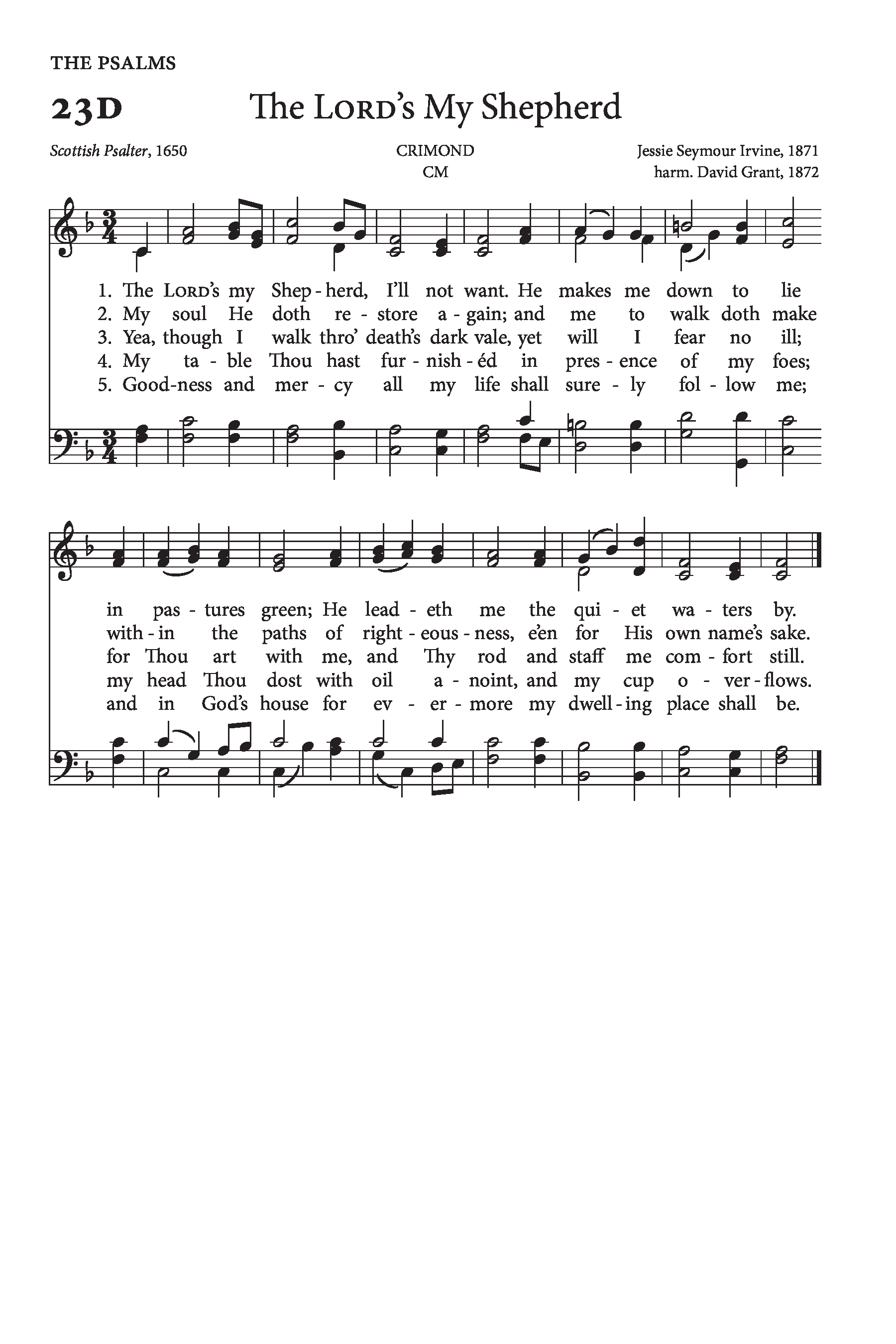
 The Lord's My Shepherd
-
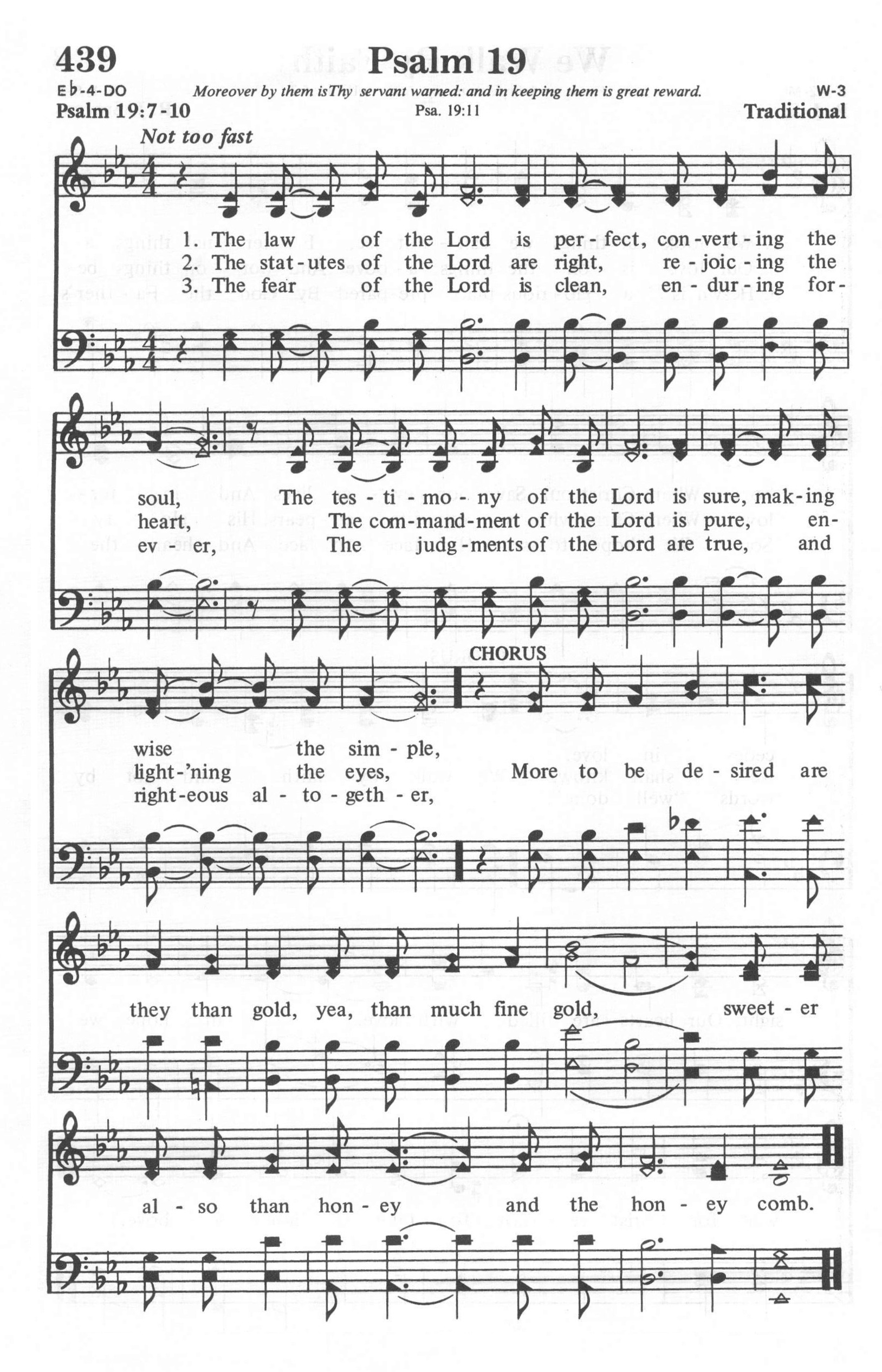
The Law of the Lord is Perfect
-
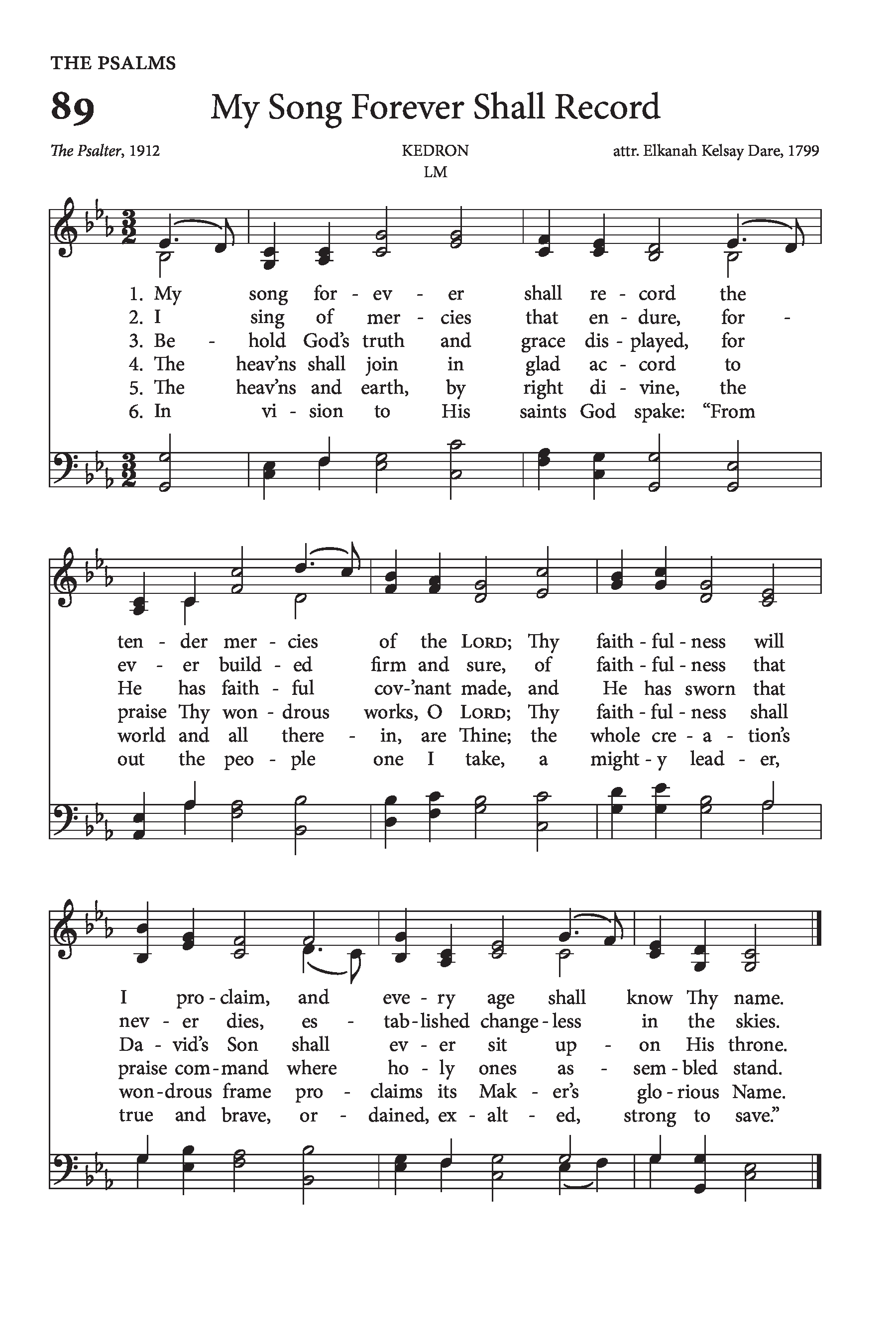
My Song Forever Shall Record
-
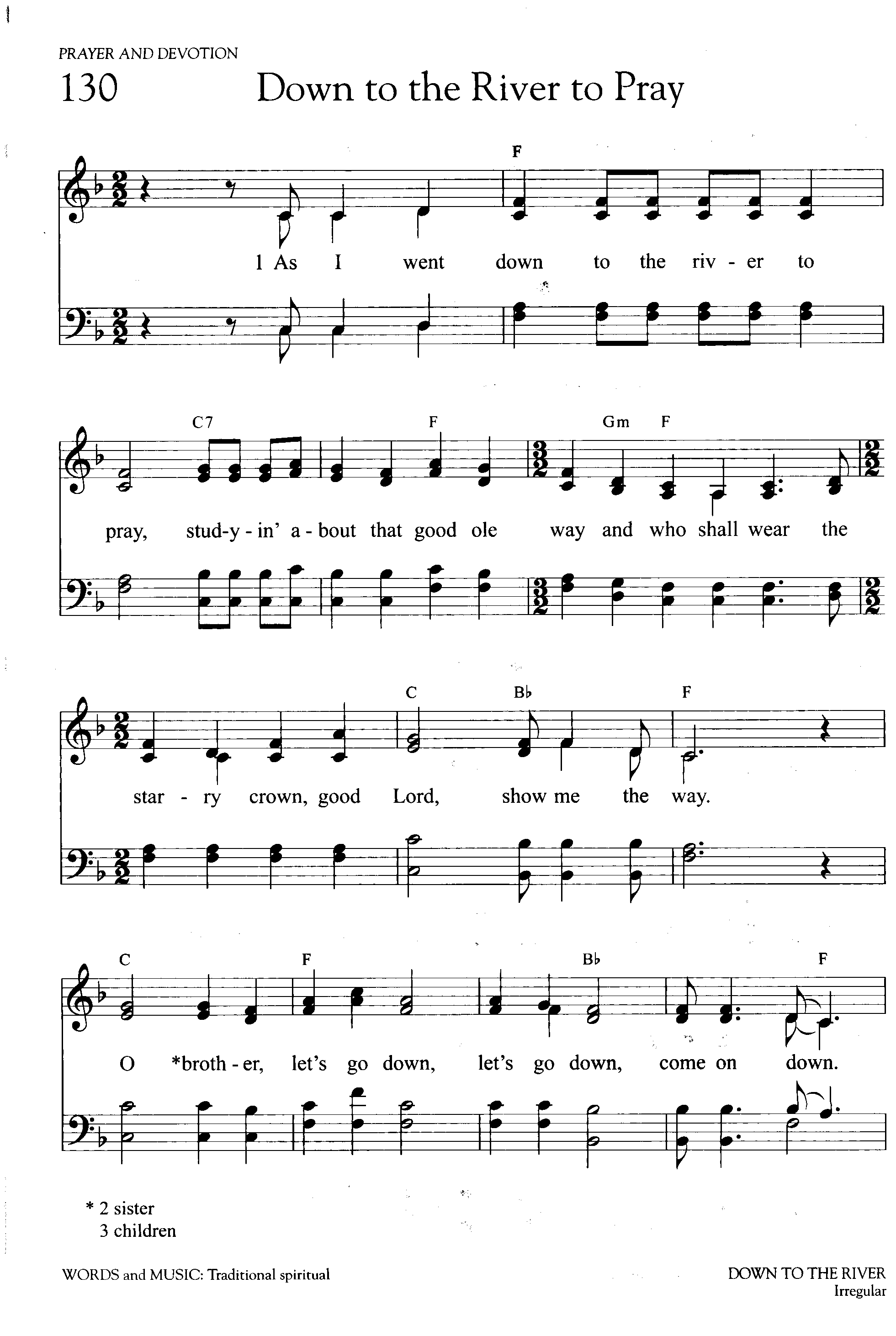
 Down to the River to Pray
-
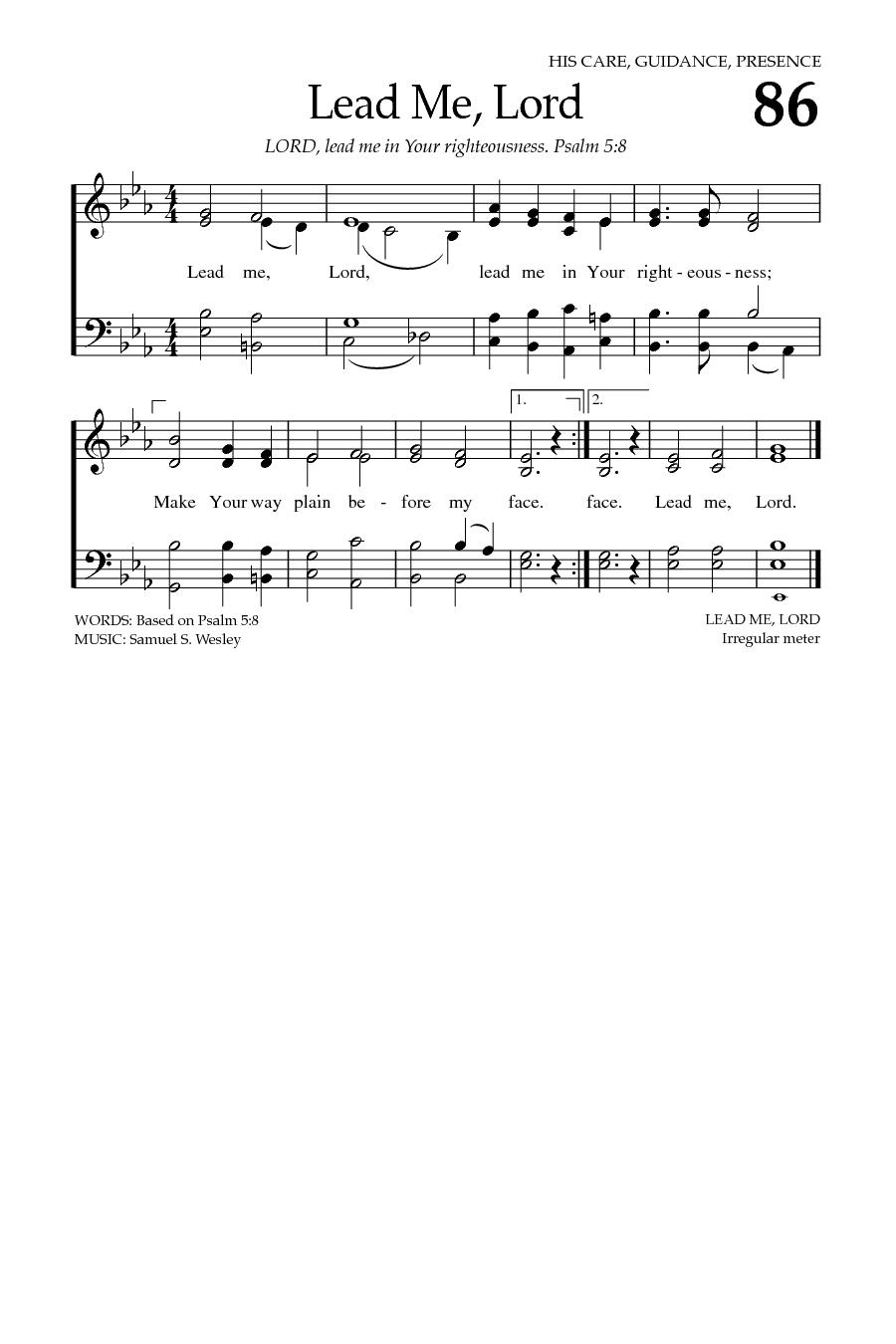
Lead Me, Lord
-
 We Are Climbing Jacob's Ladder
-
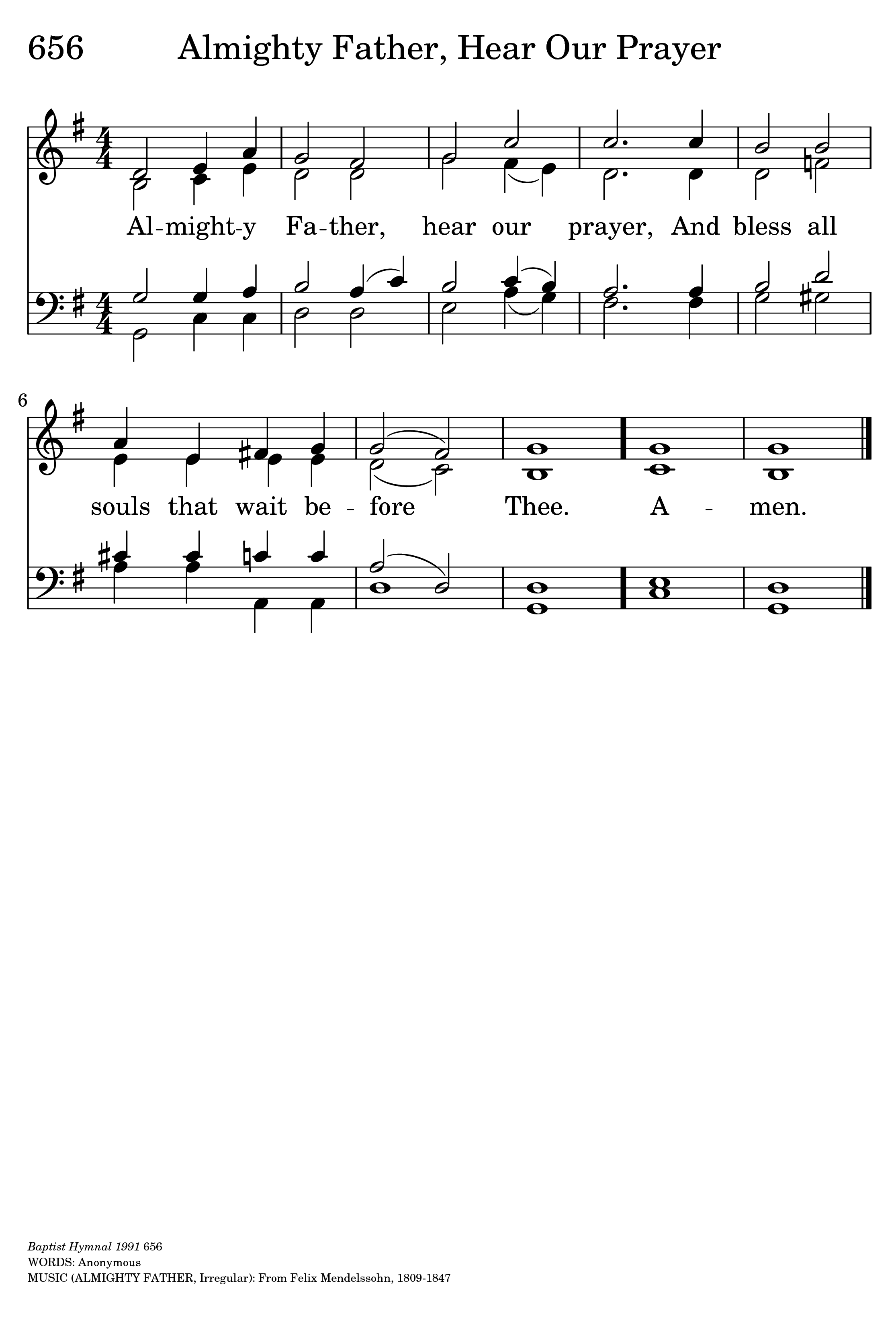
Almighty Father, Hear Our Prayer
-
Psalm 32: Your Love, O Lord
16 more related hymns below in the sheet gallery.
Related Hymn Sheets
3 shown at a time — use the arrows to browse all 24 sheets.
Related Authors
Writers connected to this dictionary topic.
Keywords
Related terms for this dictionary entry.
Recent Dictionary Entries
Newly added terms from the Dictionary of Hymnology.
If you notice any mistake or have suggestions, please contact us on our contact page.