
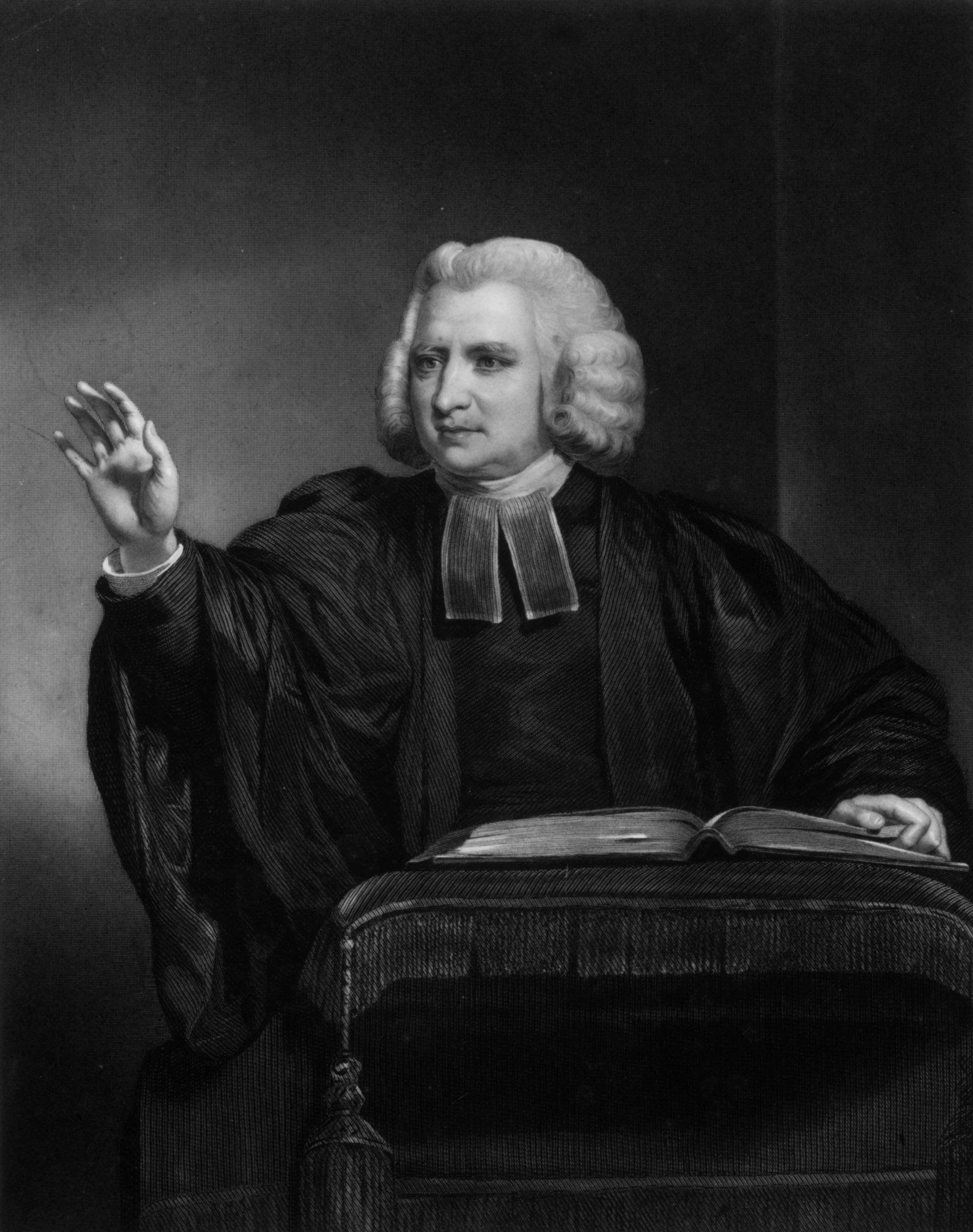
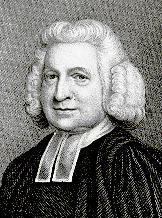
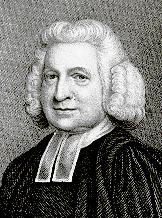
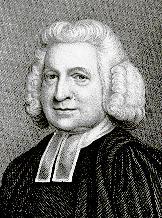
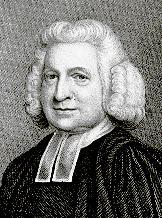
The hymn "Father, Son, and Spirit, hear" was written by Charles Wesley as an extensive poetic meditation on the Communion of Saints. The original work is a massive poem comprised of 39 stanzas divided into six distinct parts.
It was first published in John and Charles Wesley's Hymns and Sacred Poems in 1740 on page 188. It was subsequently preserved in the standard collected edition of their Poetical Works (1868–1872, Volume I, page 356). Because of its exceptional length, the poem was never intended to be sung as a single monolithic piece in public worship; instead, it served as a rich textual quarry from which numerous shorter selections, or centos, were extracted for church use across various denominations.
The Standard Methodist Arrangement
In the compilation of the definitive Wesleyan Hymn Book (1780), John Wesley extracted four continuous sections from the 1740 poem. These were inserted as a sequence of four interconnected hymns designated for Christian fellowship and numbered 501 through 504:
-
"Father, Son, and Spirit, hear" (Part I)
-
"Other ground can no man lay" (Part II)
-
"Christ our head, gone up on high" (Part III)
-
"Christ from whom all blessings flow" (Part IV)
This four-part structure was maintained intact throughout all subsequent official editions of the Wesleyan hymnal and was replicated extensively by other nineteenth-century Methodist bodies globally.
Later Congregational Centos
Beyond the standard Methodist usage, editors from Anglican, Baptist, Unitarian, and various nonconformist traditions carved out distinct stanzas to form independent hymns:
-
Toplady's Recension (1776): Augustus Toplady published a condensed version of "Father, Son, and Spirit, hear" consisting of 8 stanzas of 4 lines as entry Number 240 in his Psalms & Hymns.
-
Stevenson's Selection (1873): William Fleming Stevenson selected stanzas i., iii., and v. of the fourth part ("Christ from whom all blessings flow") for inclusion in his Hymns for Church and Home.
-
The Baptist Variant (1858): The compilers of the Baptist Psalms & Hymns adopted stanzas i., iii., and iv. of the fourth part but altered the opening line to read "Lord, from whom all blessings flow."
-
The Altar Hymnal (1884): An Anglo-Catholic collection, the Altar Hymnal, extracted a funeral and commemorative text from the final section (Part VI) beginning "Happy souls, whose course is run" (Number 105).
-
American Methodist Episcopal Hymns (1849): The American Methodist church selected stanzas iv. and v. of the fifth part to create the brief cento "Jesus Christ, who stands between."
-
American Unitarian Collection (1853): A selection of four stanzas (ii., iii., ix., and x.) from the fourth part was published under the first line "Join us in one spirit, join" within the Hymns for the Church of Christ.
Related Hymns
Hymns in the library connected to this dictionary topic.
-
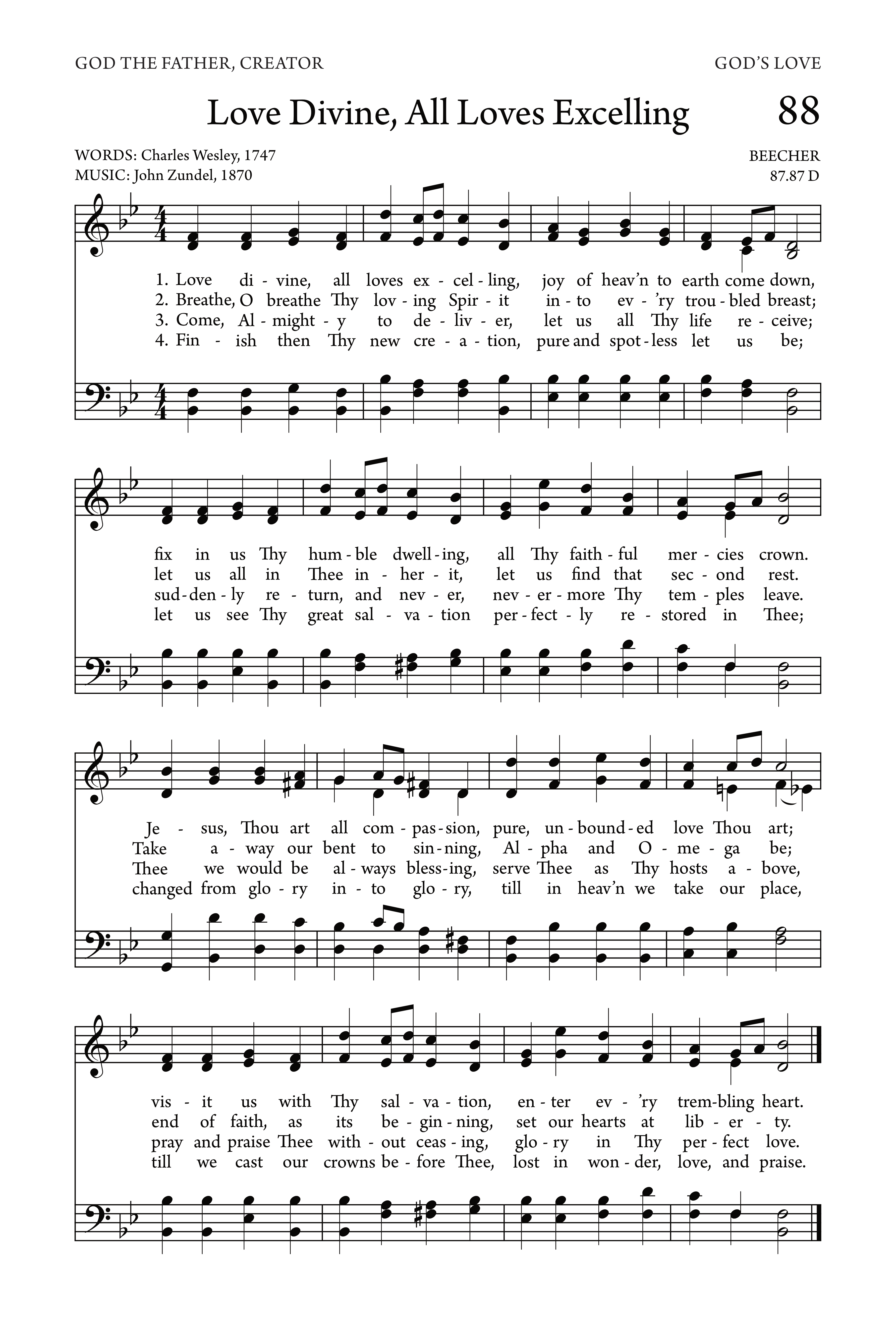
 Love Divine, All Loves Excelling
-
O For a Thousand Tongues to Sing
-
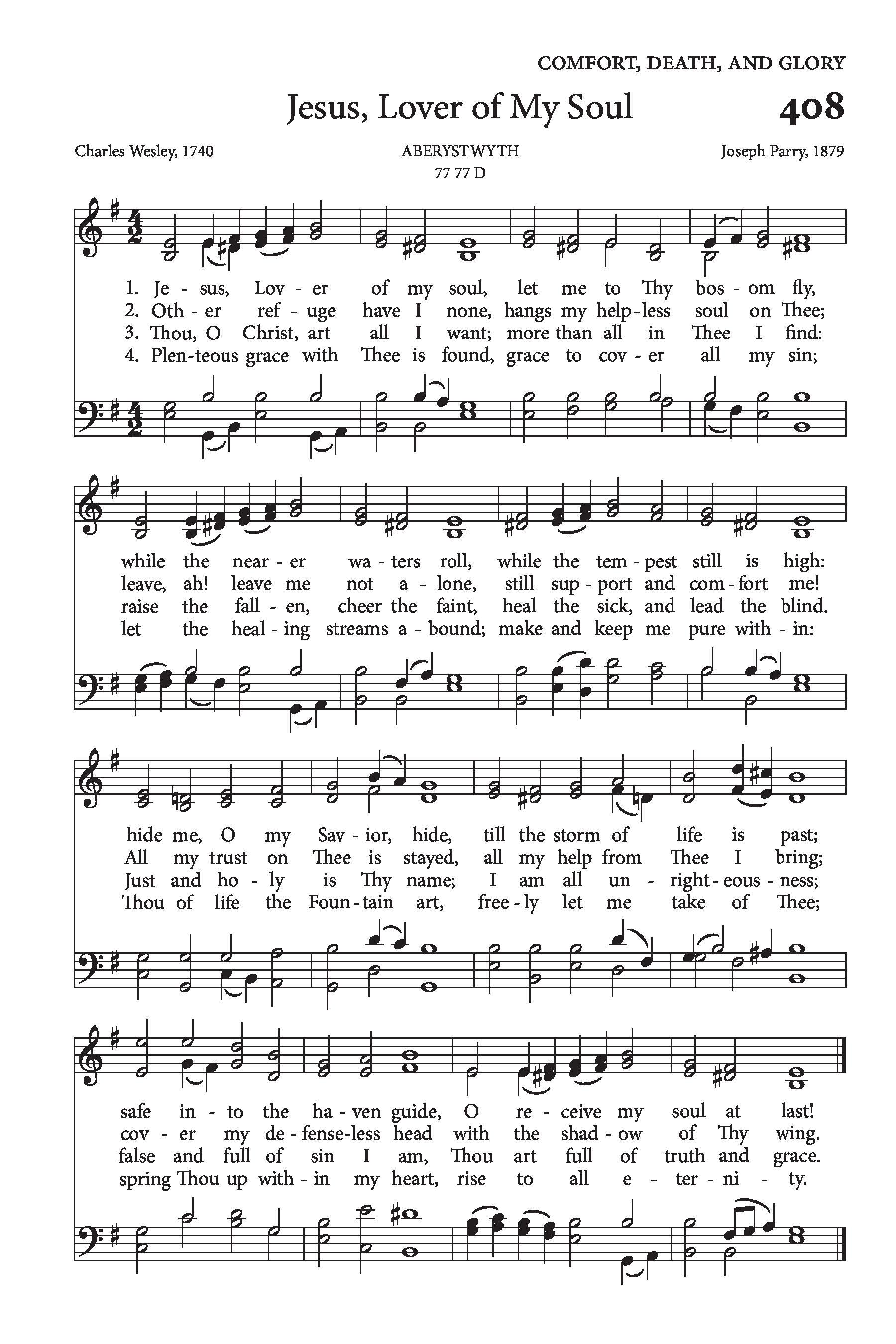
 Jesus, Lover of My Soul
-
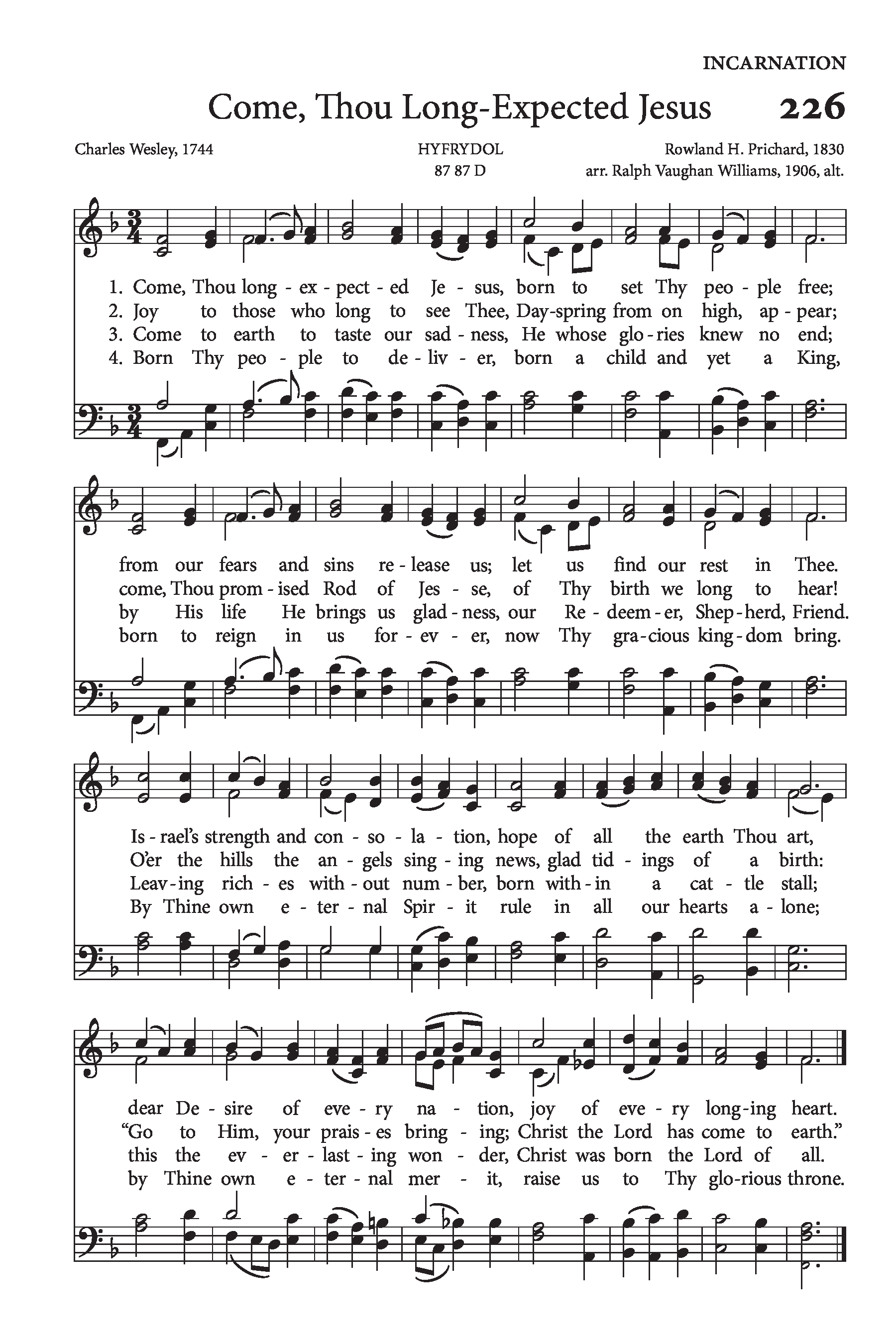
Come, Thou Long Expected Jesus
-
 Hark! The Herald Angels Sing
-
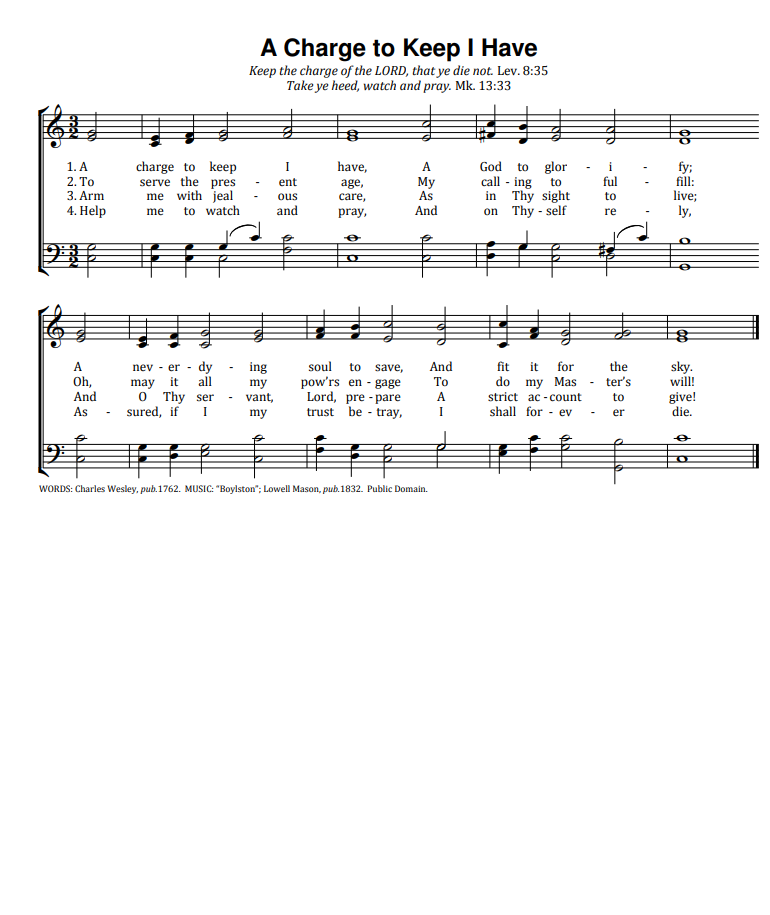
A Charge to Keep I Have
-
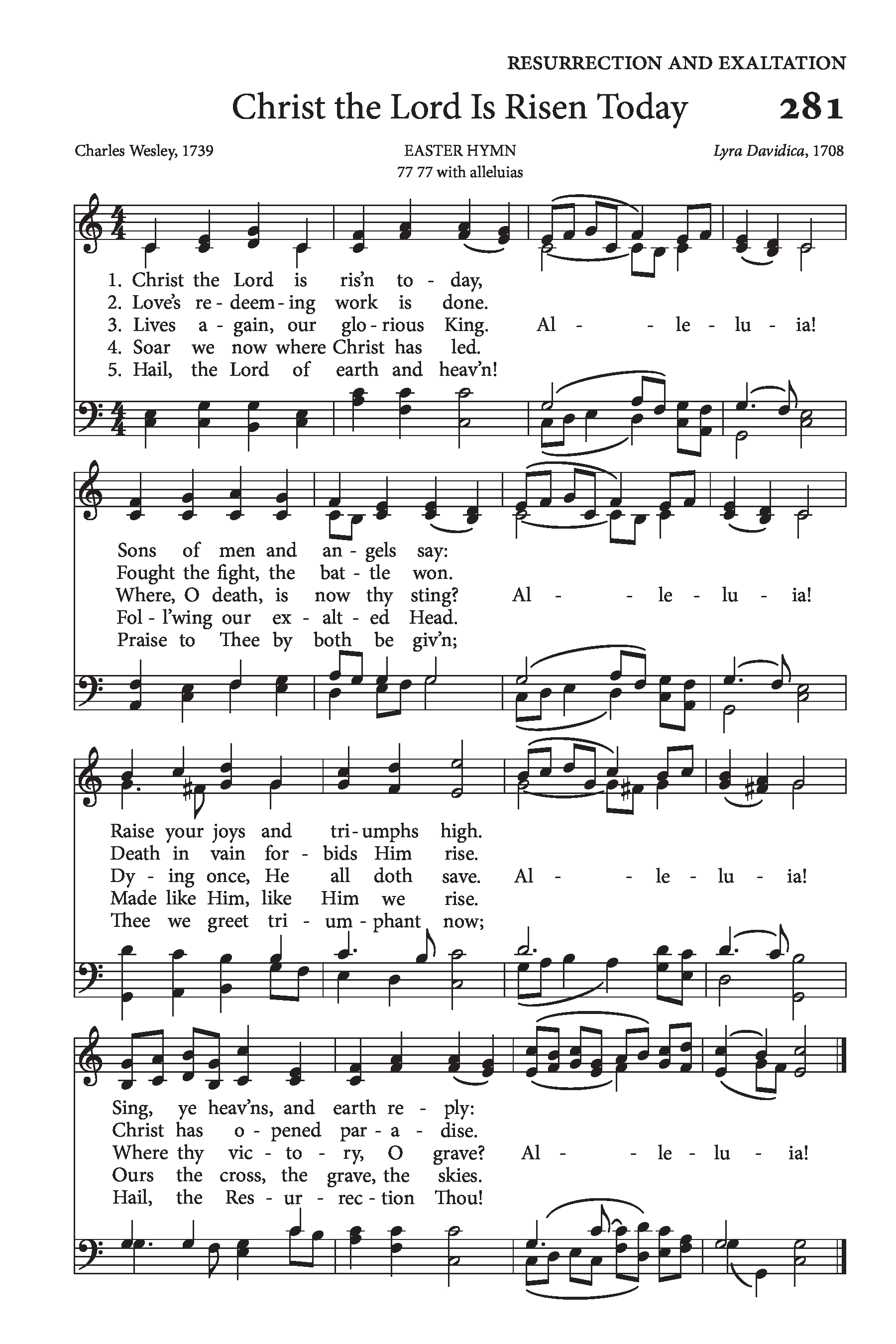
 Christ the Lord is risen today
-
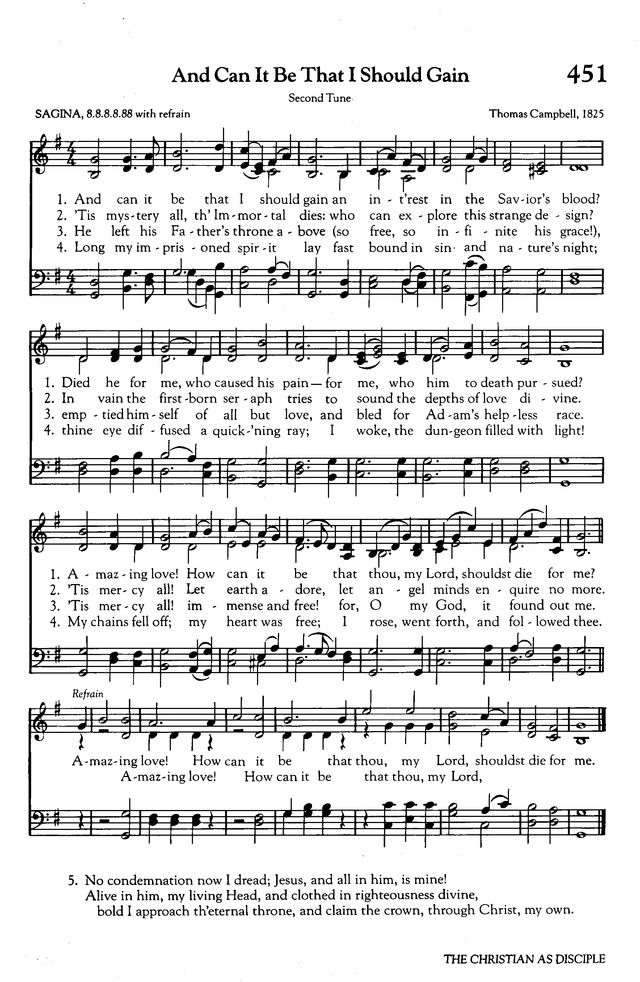
 And Can It Be That I Should Gain?
16 more related hymns below in the sheet gallery.
Related Hymn Sheets
3 shown at a time — use the arrows to browse all 24 sheets.
Related Authors
Writers connected to this dictionary topic.
Keywords
Related terms for this dictionary entry.
Recent Dictionary Entries
Newly added terms from the Dictionary of Hymnology.
If you notice any mistake or have suggestions, please contact us on our contact page.