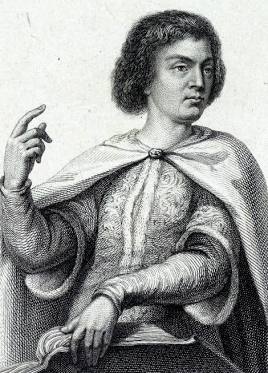
Peter Abelard was born at Palais, near Nantes in Brittany, in 1079. Though originally designed by his family for a military career, he chose instead to pursue the paths of philosophy and scholastic theology, quickly rising to become one of the most brilliant and contentious intellectuals of the Middle Ages.
His life was defined by dramatic shifts in fortune, driven largely by his rationalistic theological views and his famous, tragic relationship with Heloise, the brilliant niece of Fulbert, a Canon of the Cathedral of Paris. Although Abelard was a priest, he and Heloise married privately, a union that provoked violent retaliation from her family and forced both into monastic life. Abelard's theological works faced intense opposition from conservative church authorities, leading to his formal condemnation for heresy at the Council of Soissons in 1121 and again at the Council of Sens in 1140. He spent his final days under the protection of the Abbey of Cluny and died at the priory of St. Marcel, near Chalon-sur-Saône, on April 21, 1142.
A manuscript page detailing the history of Abelard and Heloise. Source: Marka / UIG via Getty Images
For centuries, Abelard's reputation as a poet remained obscure despite frequent mentions of his verse in his own autobiographical writings and the letters of Heloise. Aside from his widely recognized Advent hymn, Mittit ad Virginem, very little of his hymnody was known to modern scholars until a series of major nineteenth-century archival discoveries.
In 1838, Carl Johann Greith expanded the known canon by publishing six recovered poems in his Spicilegium Vaticanum (pages 123 to 131), which had been discovered in the Vatican archives. Shortly thereafter, an extensive collection of ninety-seven hymns was unearthed in the Royal Library at Brussels. This major find was incorporated into Victor Cousin's comprehensive edition of the author's works, Petri Abaelardi Opera, published in Paris in 1849.
Among the works brought to light in Cousin's edition is one of Abelard's most celebrated pieces, Tuba Domini, Paule, maxima. Additionally, Archbishop Richard Chenevix Trench included Abelard's Ornarunt terram germina in his Sacred Latin Poetry (1864). This piece, originally printed in Édélestand du Méril's Poésies Populaires Latines du Moyen Âge (1847, page 444), belongs to a grand poetic cycle Abelard composed to celebrate the successive days of the Creation.
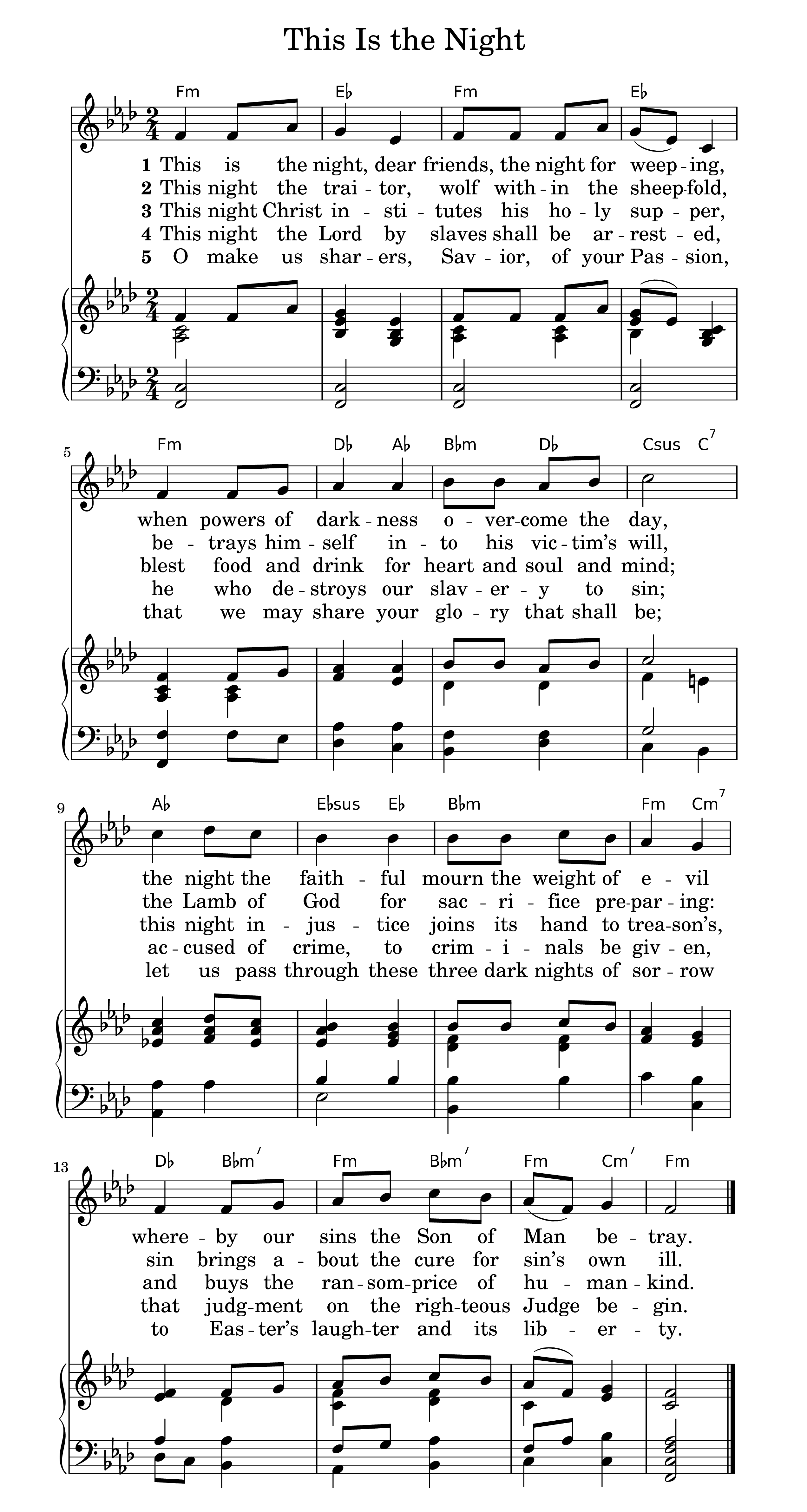
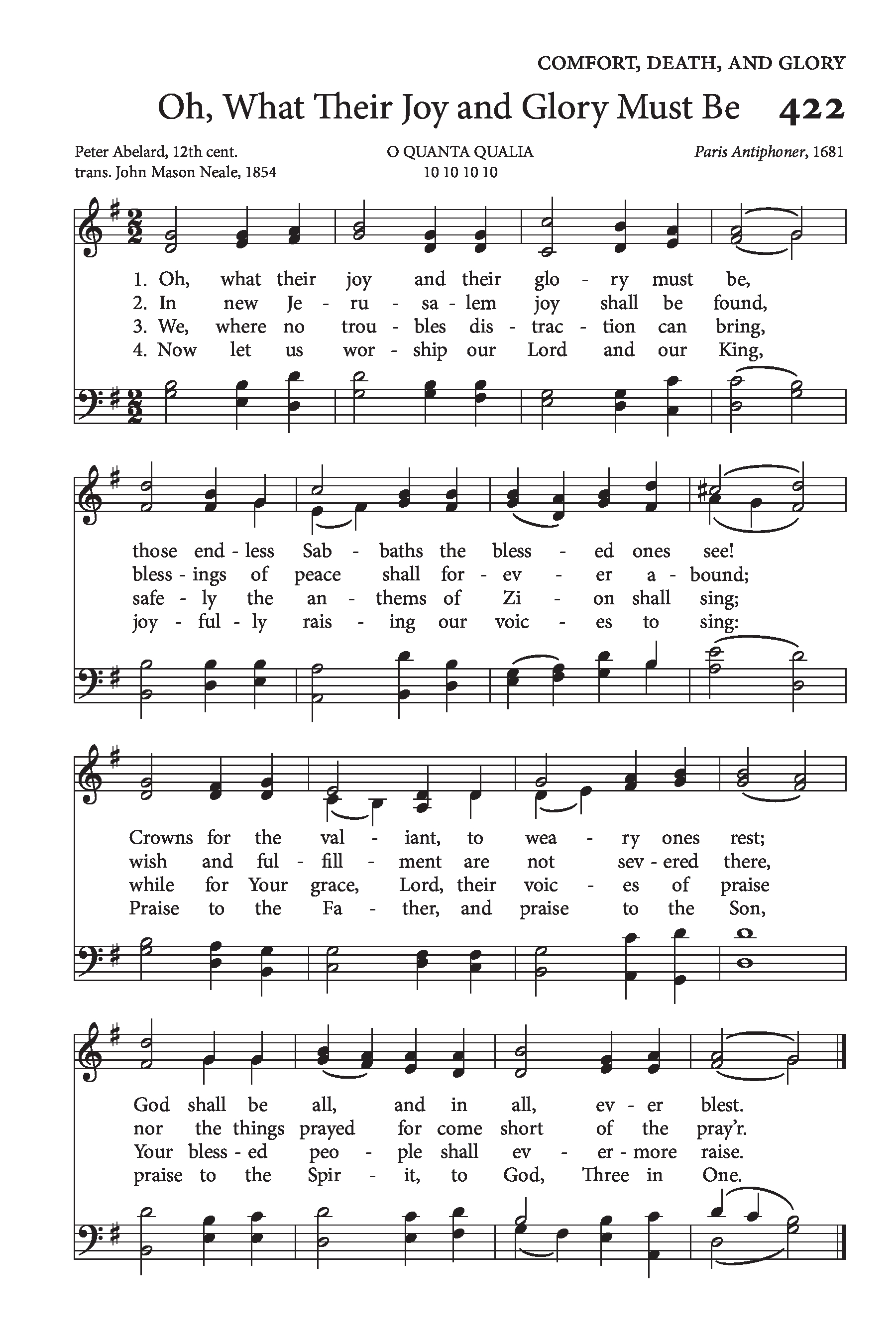
Related Hymn Sheets
3 shown at a time — use the arrows to browse all 2 sheets.
Related Authors
Writers connected to this dictionary topic.
Keywords
Related terms for this dictionary entry.
Recent Dictionary Entries
Newly added terms from the Dictionary of Hymnology.
If you notice any mistake or have suggestions, please contact us on our contact page.