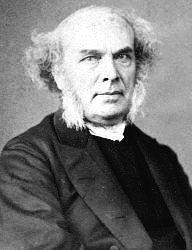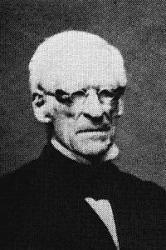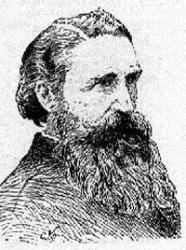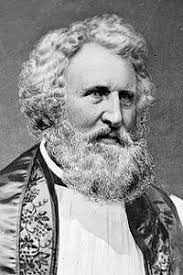
Henry Harbaugh
Biography
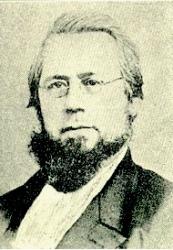
Henry Harbaugh was a 19th-century American theologian, pastor, author, and hymnwriter of Swiss descent who served as a prominent figure within the German Reformed Church in the United States. Born in Franklin County, Pennsylvania, on October 24, 1817, he spent his youth working as a farmer, carpenter, and teacher before pursuing higher education. In 1840, he entered Marshall College in Mercersburg, Pennsylvania, where he prepared for gospel ministry. Ordained in 1844 into the German Reformed Church, he served pastorates in Lewisburg, Lancaster, and Lebanon, Pennsylvania, establishing a reputation as an eloquent preacher, compassionate pastor, and energetic advocate for Christian education.
Harbaugh was an influential voice in the development of "Mercersburg Theology"—a movement led by Philip Schaff and John Williamson Nevin that emphasized historic liturgical worship, high-church ecclesiology, and the centrality of the Incarnation. As editor of The Guardian and the Mercersburg Review, Harbaugh regularly wrote on theology, history, and Christian life. In 1864, his scholarly contributions culminated in his appointment as Professor of Didactic and Practical Theology at the Mercersburg Theological Seminary. Alongside his theological treatises, he published works on eschatology, Pennsylvania German poetry, and children's literature, including Poems (1860) and Hymns & Chants for Sunday Schools (1861).
Harbaugh's best-known original hymn is "Jesus, I live to Thee," written in 1850. Based on Romans 14:8, this text expresses personal consecration, living faith, and peaceful trust in Christ through life and death. Paired frequently with tunes such as DENNIS or ST. ANDREW, it gained broad cross-denominational acceptance in American and British hymnals.
His other major hymnological contributions include:
-
"God most mighty, sovereign Lord" — A national litany hymn originally published in eight stanzas in his 1860 Poems, occasionally altered or abridged in collections under the first line "Christ, by heavenly hosts adored" or "Thou, by heavenly hosts adored."
-
"Make the cross your meditation" — A translation of the medieval Passiontide Latin text Recordare sanctae crucis, published in the Mercersburg Review (1858) and lauded by hymnologists for its poetic gravity.
Henry Harbaugh died in Mercersburg on December 27, 1867, at the age of fifty. His hymns and theological writings remain an enduring landmark of 19th-century American Reformed heritage.
Dictionary of Hymnology
American Hymnody History
Comprehensive survey of the history, development, denominational collections, and principal hymnists of American hymnody prior to and during the nineteenth century.
ReadHymns by Henry Harbaugh
Includes hymns they wrote and hymns where they are credited as co-author, translator, paraphraser, or adapter.
| # | Title | Year | Views | |
|---|---|---|---|---|
| 1 | Christ, By Heavenly Hosts Adored | 1860 | 9 | View |
Recently added hymns
Suggestions or corrections: contact us.
Leave it in the forum for others to answer — hymn requests, lyrics help, writers, worship planning, and more.