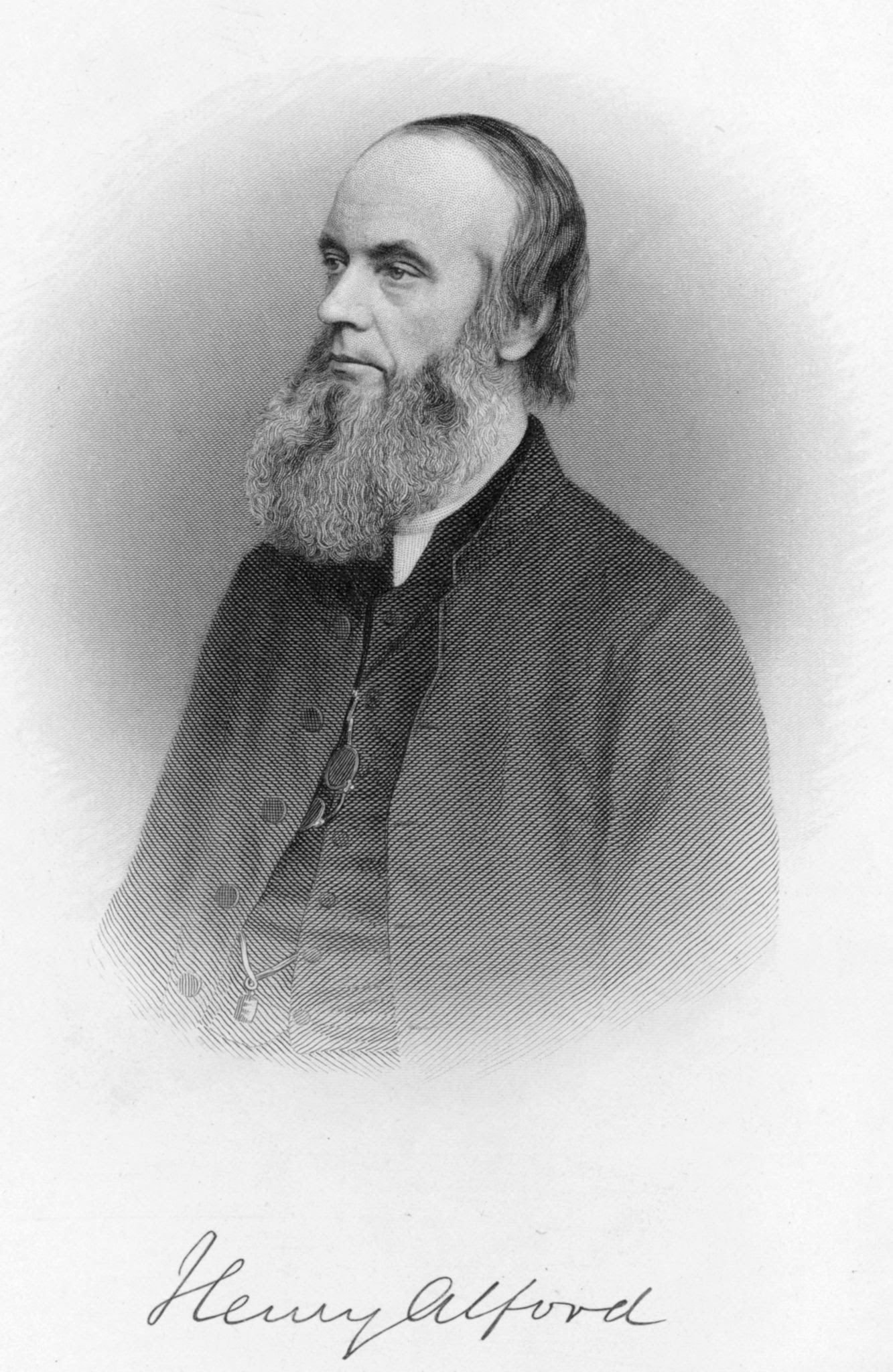
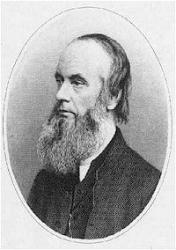
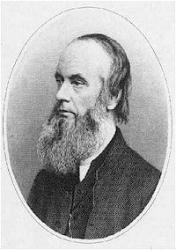
Henry Alford was an English churchman, theologian, and hymnwriter born at 25 Alfred Place, Bedford Row, London, on October 7, 1810. The son of the Reverend Henry Alford, Rector of Aston Sandford, he was educated at Trinity College, Cambridge, graduating with honors in 1832 and later becoming a Fellow of the college. Ordained to the curacy of Ampton in 1833, he served as Vicar of Wymeswold from 1835 to 1853, Incumbent of Quebec Chapel in London from 1853 to 1857, and Hulsean Lecturer at Cambridge from 1841 to 1842. In 1857, he was appointed Dean of Canterbury, a position he held until his death on January 12, 1871.
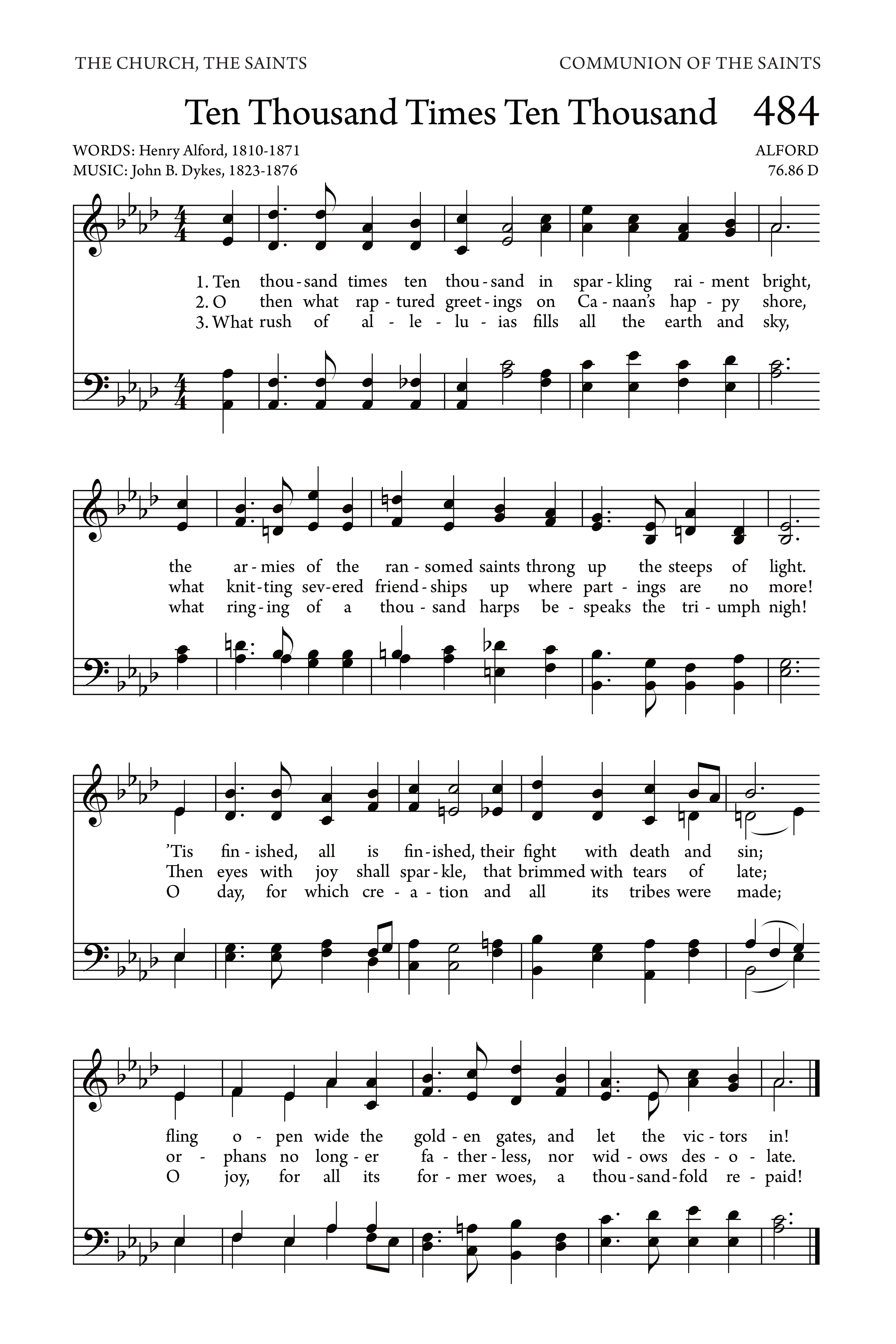
Alford engaged in extensive literary work across many fields, though his most celebrated monumental undertaking was his critical edition of the Greek New Testament, which represented twenty years of scholarly labor. As a hymnologist and poet, he compiled hymnals, wrote original compositions, and translated works from other languages. His collections included Psalms and Hymns (1844) and The Year of Praise (1867), alongside various volumes of poetry such as Poems and Poetical Fragments (1833), The School of the Heart (1835), and Hymns for the Sundays and Festivals throughout the Year (1836).
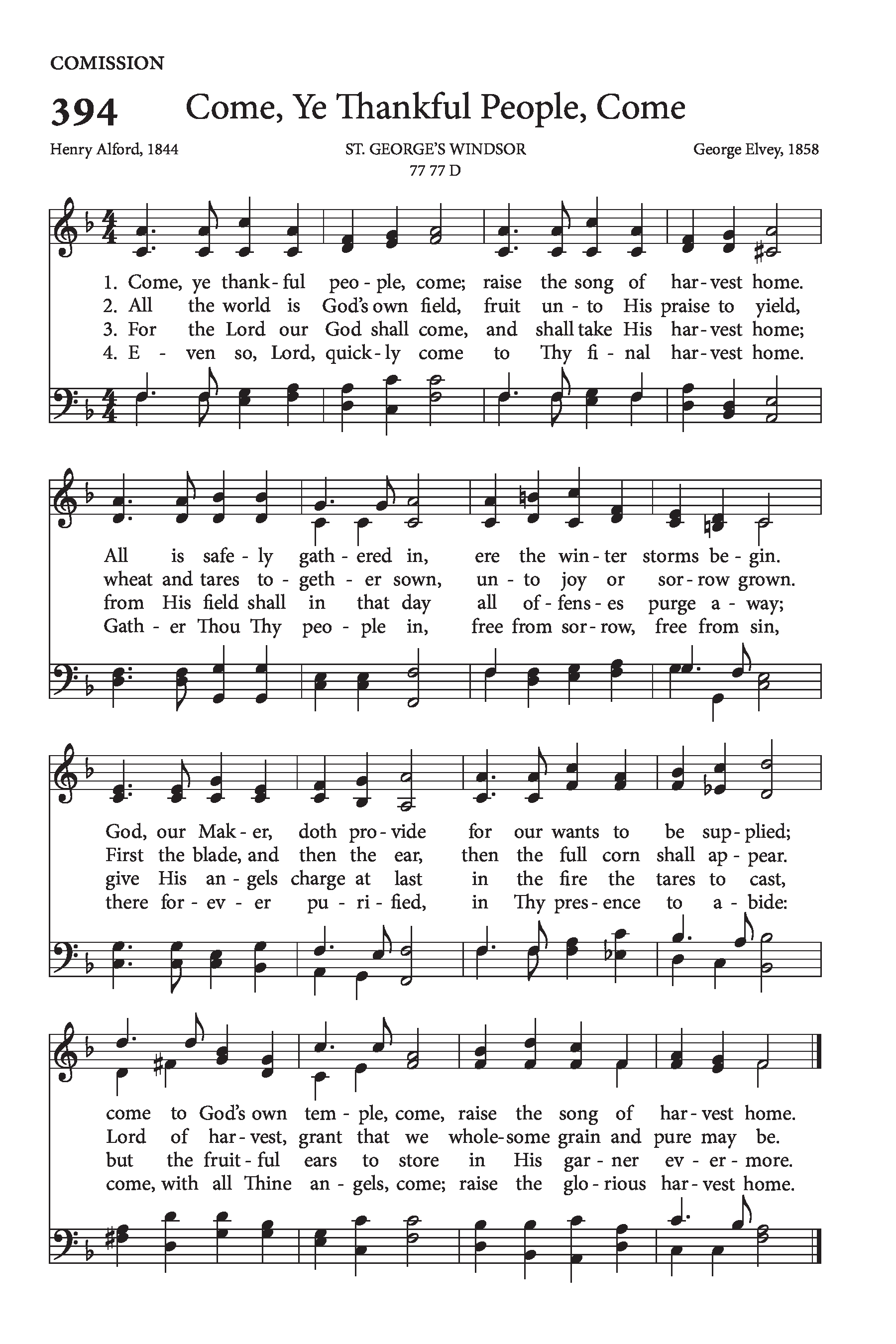
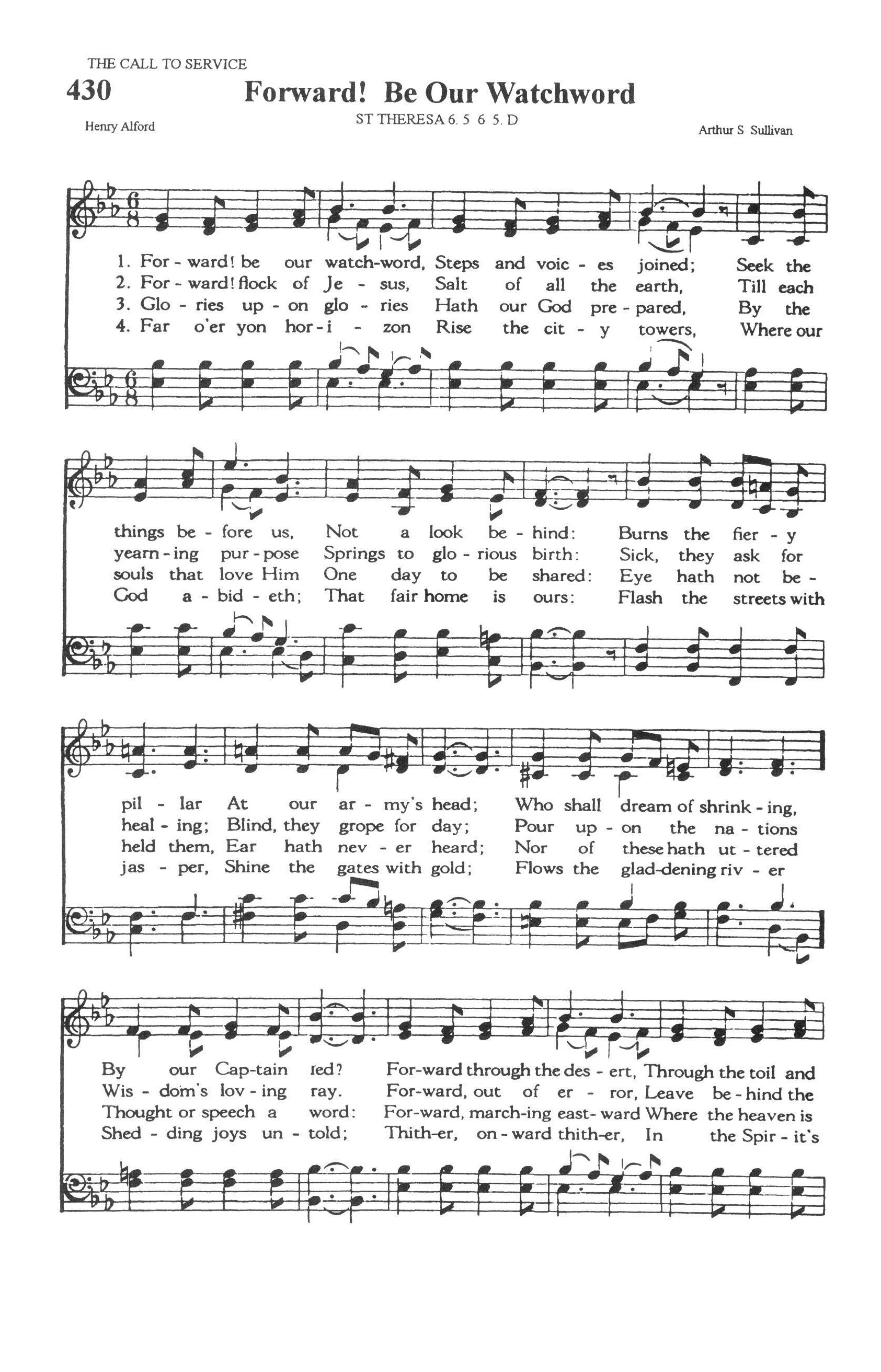
While critics often noted that his poetic style was conventional and restrained, several of his original hymns achieved lasting fame in Christian worship worldwide. His most enduring and popular works include the harvest hymn "Come, ye thankful people, come," the baptismal hymn "In token that thou shalt not fear," and the processional hymn "Forward! be our watchword."
Related Hymns
Hymns in the library connected to this dictionary topic.
Related Hymn Sheets
3 shown at a time — use the arrows to browse all 3 sheets.
Related Authors
Writers connected to this dictionary topic.
Keywords
Related terms for this dictionary entry.
Recent Dictionary Entries
Newly added terms from the Dictionary of Hymnology.
If you notice any mistake or have suggestions, please contact us on our contact page.