
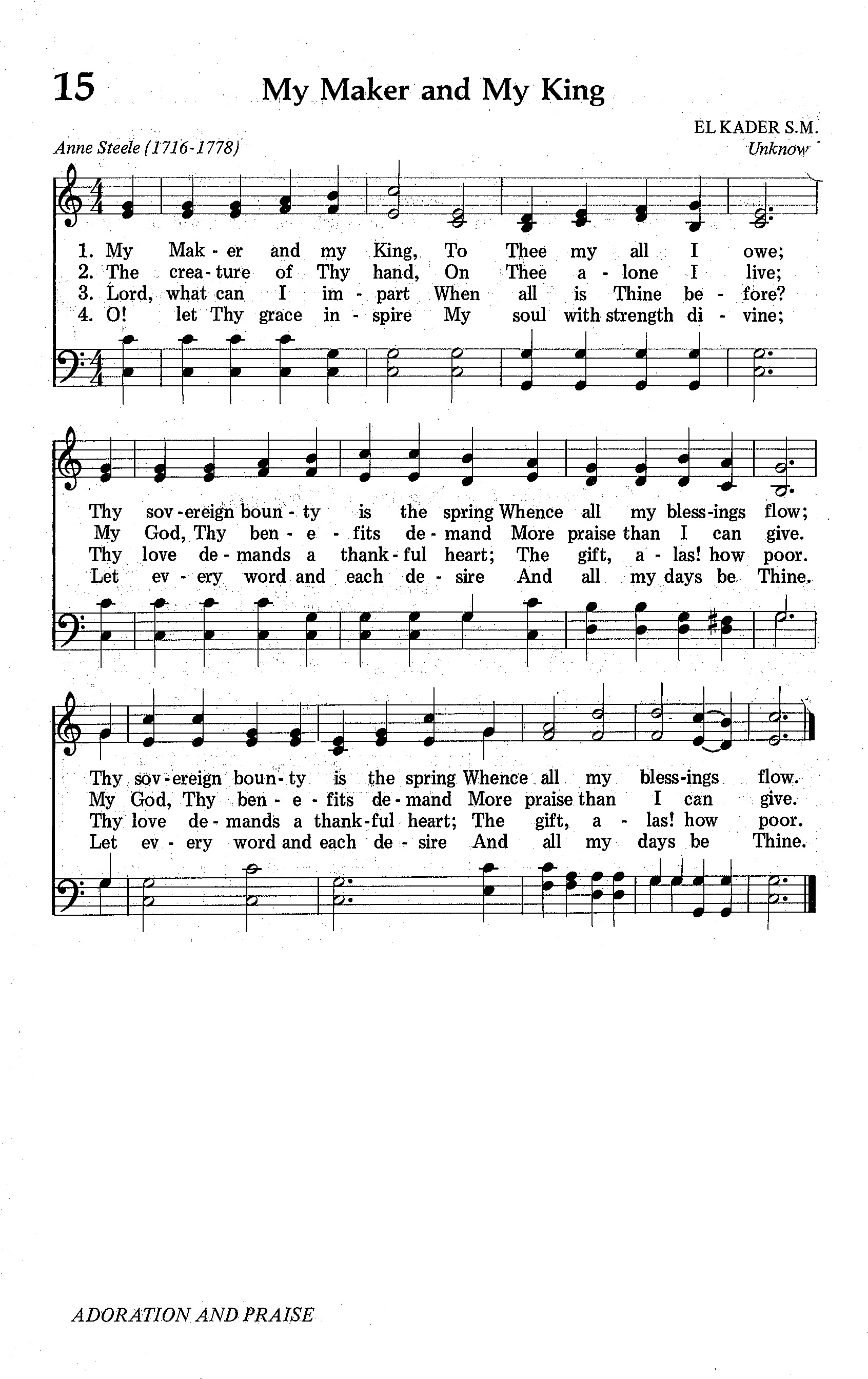
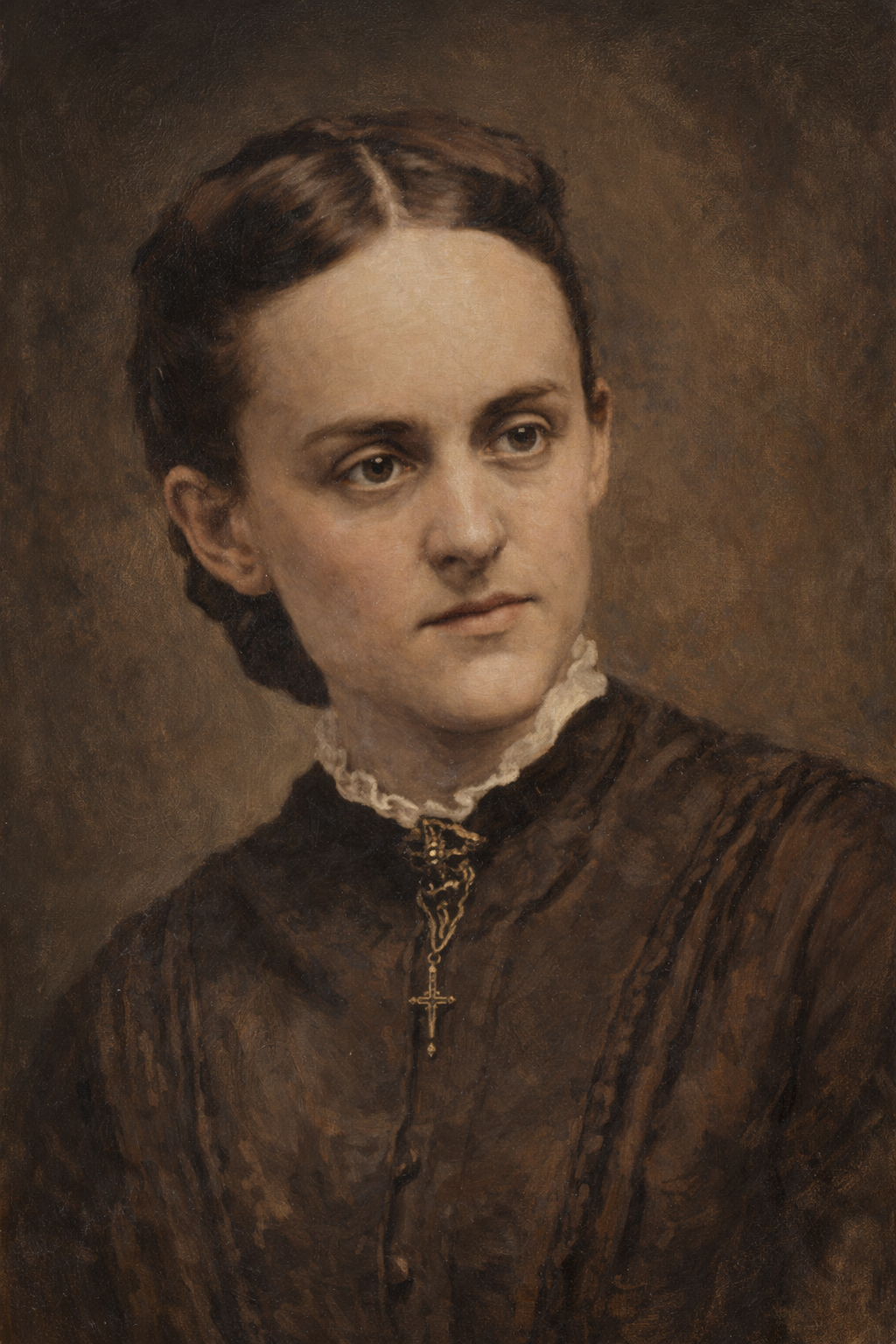
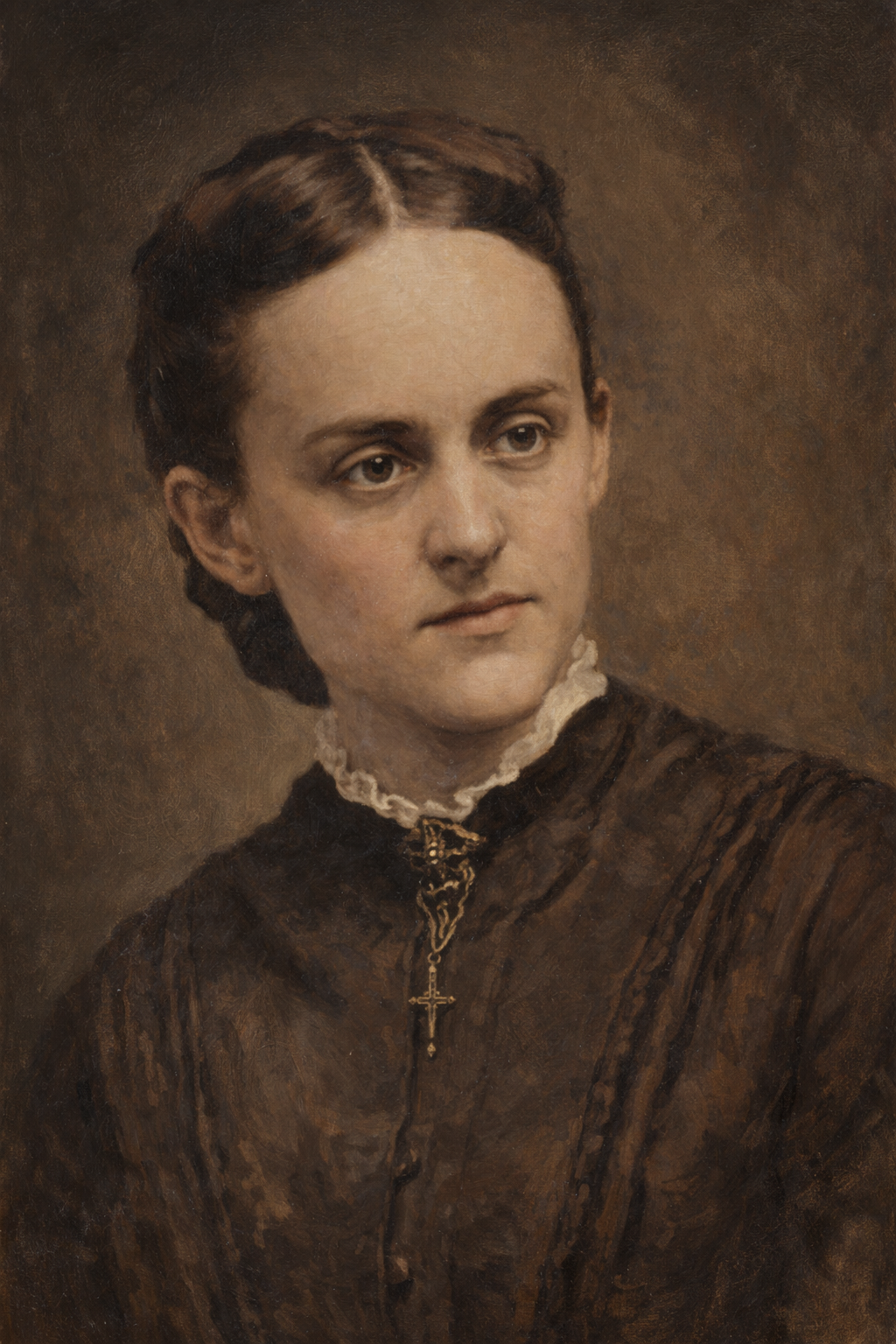
Grounded in the Gospel call to spiritual alertness, Anne Steele composed "Alas! what hourly dangers rise" as a meditation on watchfulness and prayer, drawing inspiration from Christ's admonition in Matthew 26. The text first appeared in her two-volume work Poems on Subjects chiefly Devotional (1760, Volume I, pages 79 to 80), arranged as six four-line stanzas under the title "Watchfulness and Prayer."
The hymn's publication trajectory took a distinct turn in 1801 when compilers Edward Williams and James Boden included an abbreviated four-stanza version in their collection. This condensed arrangement set the standard for most subsequent hymnals. While adoption across British churches remained sparse, the hymn achieved broad, sustained popularity throughout North America, where editors presented varying selections ranging from three to five stanzas. A rare commitment to Steele's complete original text appeared in the American Sabbath Hymn Book (1858, No. 637), which preserved all six stanzas with only a single minor modification in the first verse, altering "my" to "mine eyes."
Related Hymns
Hymns in the library connected to this dictionary topic.


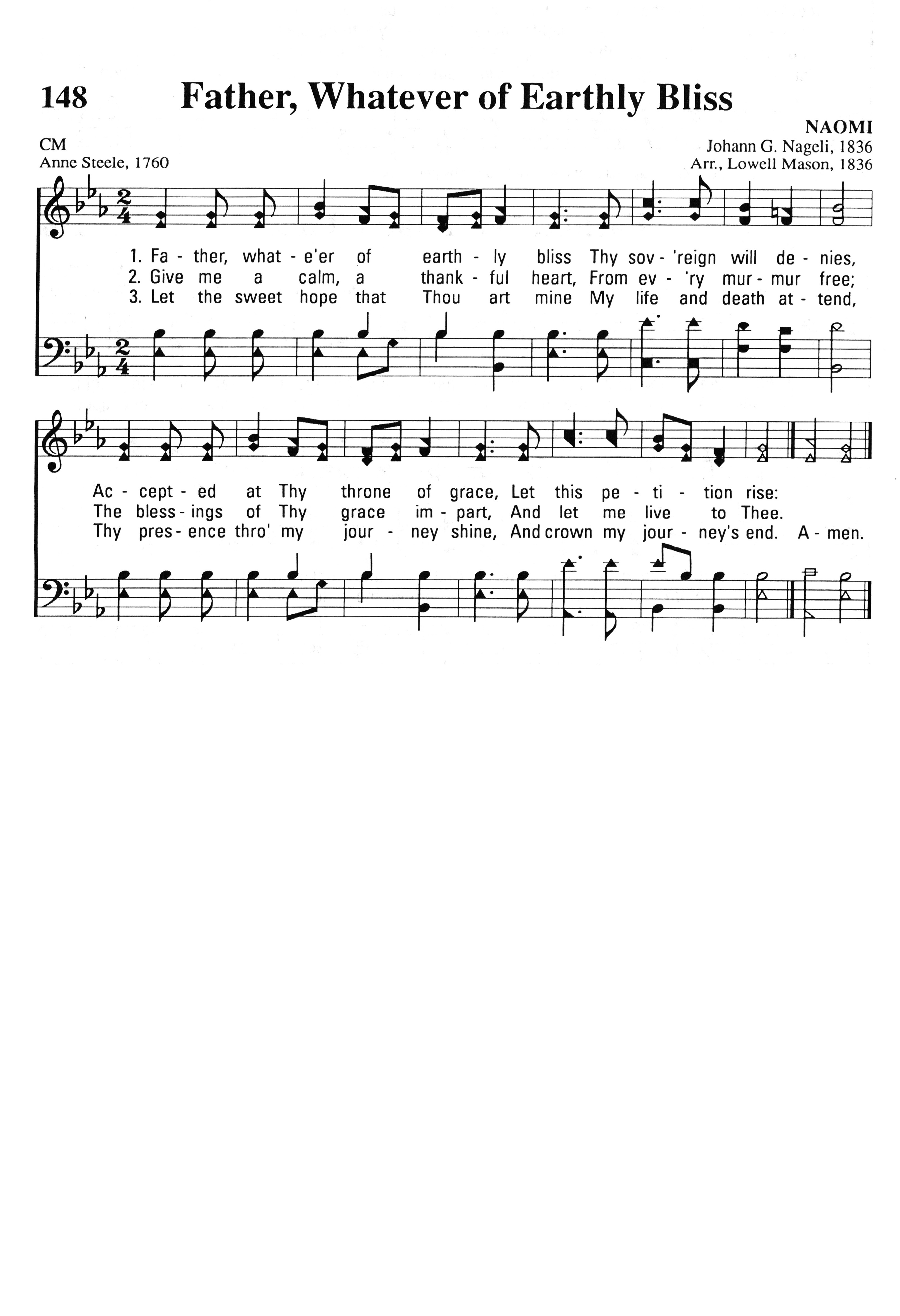
Related Hymn Sheets
3 shown at a time — use the arrows to browse all 6 sheets.
Related Authors
Writers connected to this dictionary topic.
Keywords
Related terms for this dictionary entry.
Recent Dictionary Entries
Newly added terms from the Dictionary of Hymnology.
If you notice any mistake or have suggestions, please contact us on our contact page.